
 Isabel Parker
15 Actors We Rooted For Who Turned Out to Be Awful
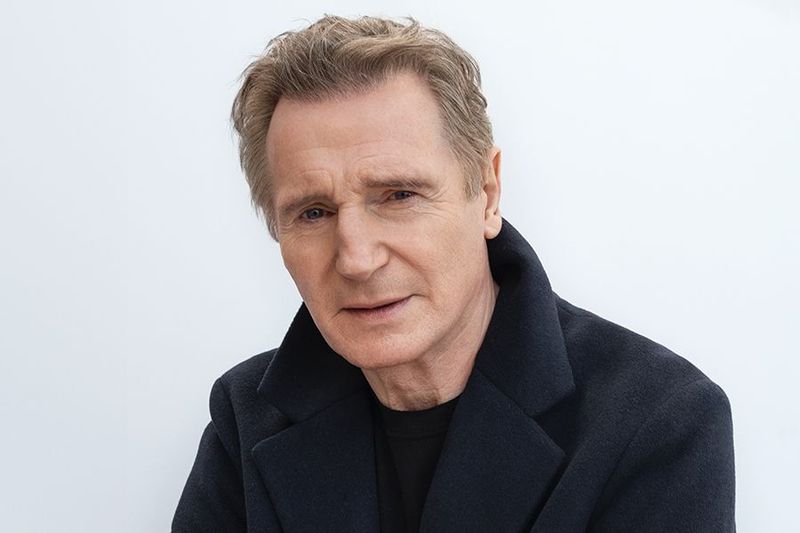
We cheered for their characters, bought their tickets, and rooted for their success—until their true colors were exposed.
Uncover the dramatic stories of 15 famous actors whose wholesome public images hid deeply troubling realities.
Get ready for a hard-hitting look at the scandals, downfalls, and unforgivable actions that instantly transformed these cinematic heroes into real-life villains.
1. Jon Hamm
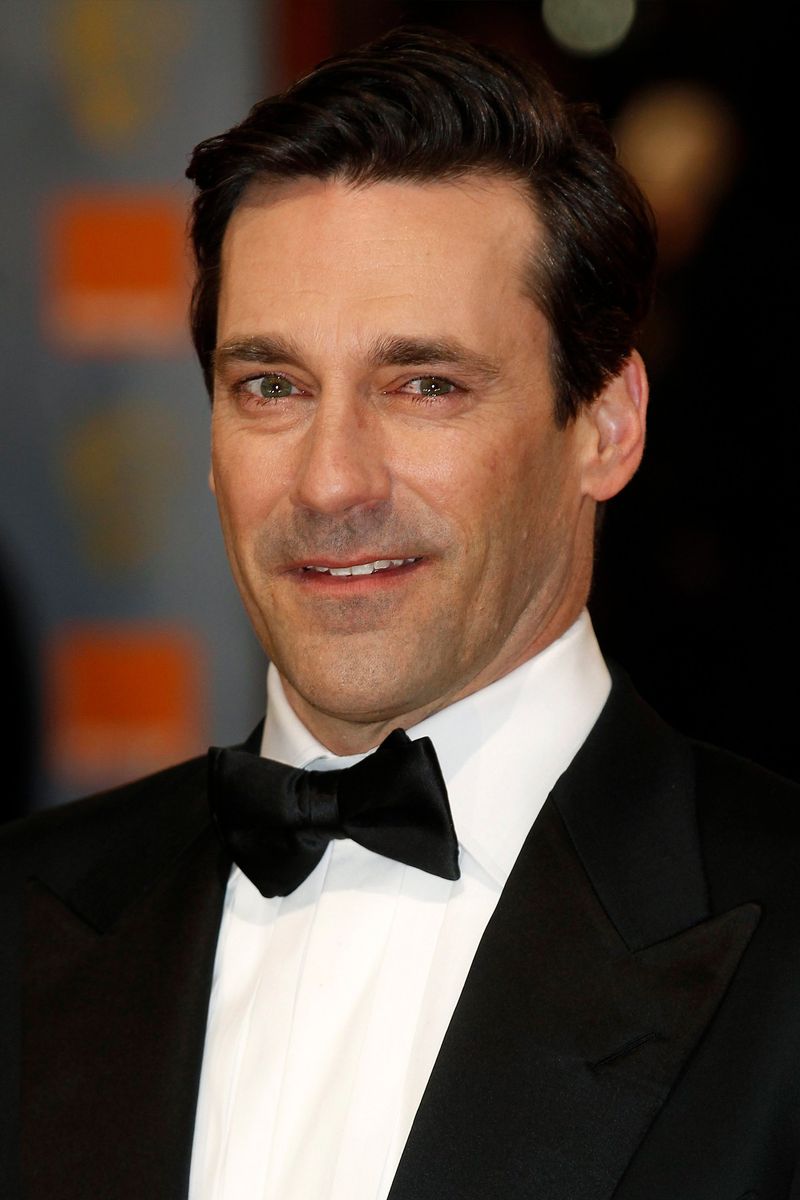
Jon Hamm built a reputation as the suave lead you could trust, but his past tells a rougher story.
In college, he was linked to a violent fraternity hazing incident that reportedly included severe physical abuse.
He was charged with hazing, received probation, and left the university, a detail that resurfaced once fame amplified scrutiny.
Hearing it now, you might feel whiplash comparing the polished persona to the disturbing allegations.
Growth and accountability matter, but so does acknowledging the harm and who paid the price.
When you revisit his work, your reaction may shift, and that discomfort is honest.
2. Sean Connery
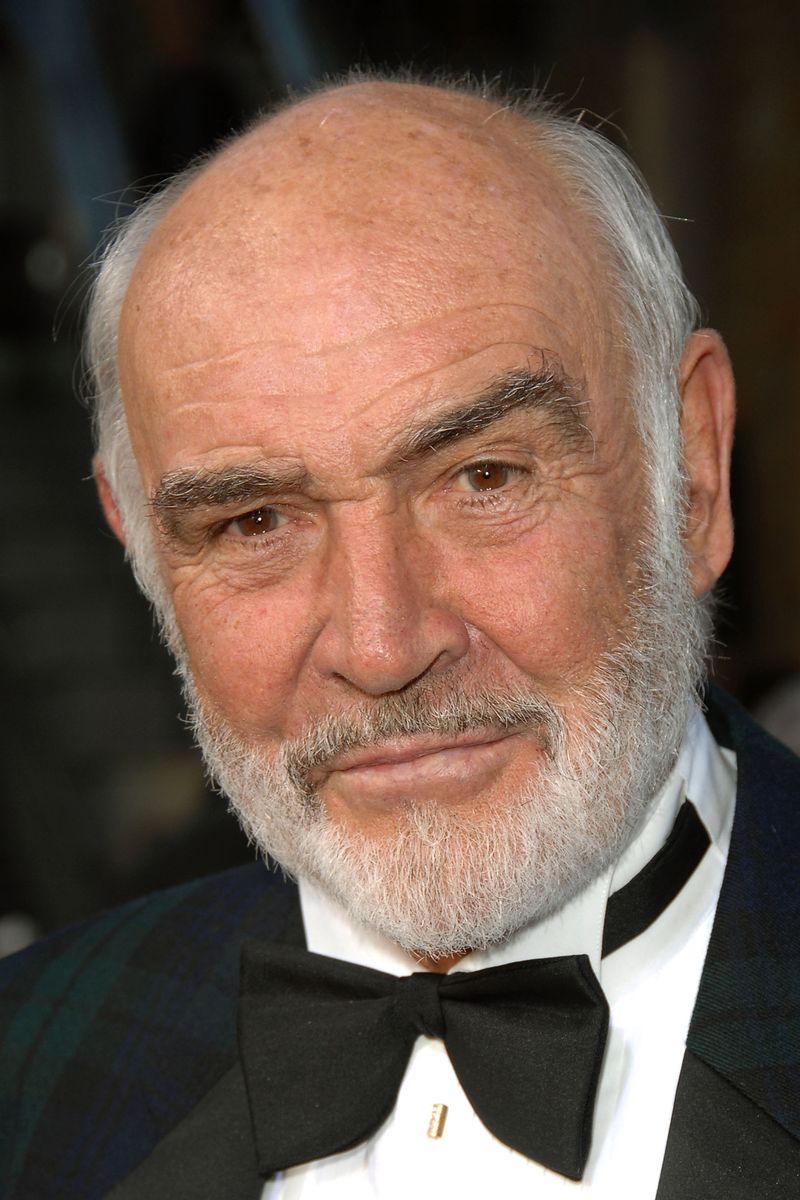
Sean Connery once embodied cinematic authority, but his public comments about hitting women and accusations by his former wife darkened that image.
He repeatedly suggested such violence could be acceptable, and allegations of physical and emotional abuse lingered through his career.
The legend on screen clashes with deeply harmful views off screen.
When you revisit those classic performances, you might hear those quotes echo beneath the dialogue.
It is hard to square charisma with cruelty or dismiss the impact of public advocacy for violence.
Respecting survivors means taking words and actions seriously, even when they belong to icons.
3. Danny Masterson
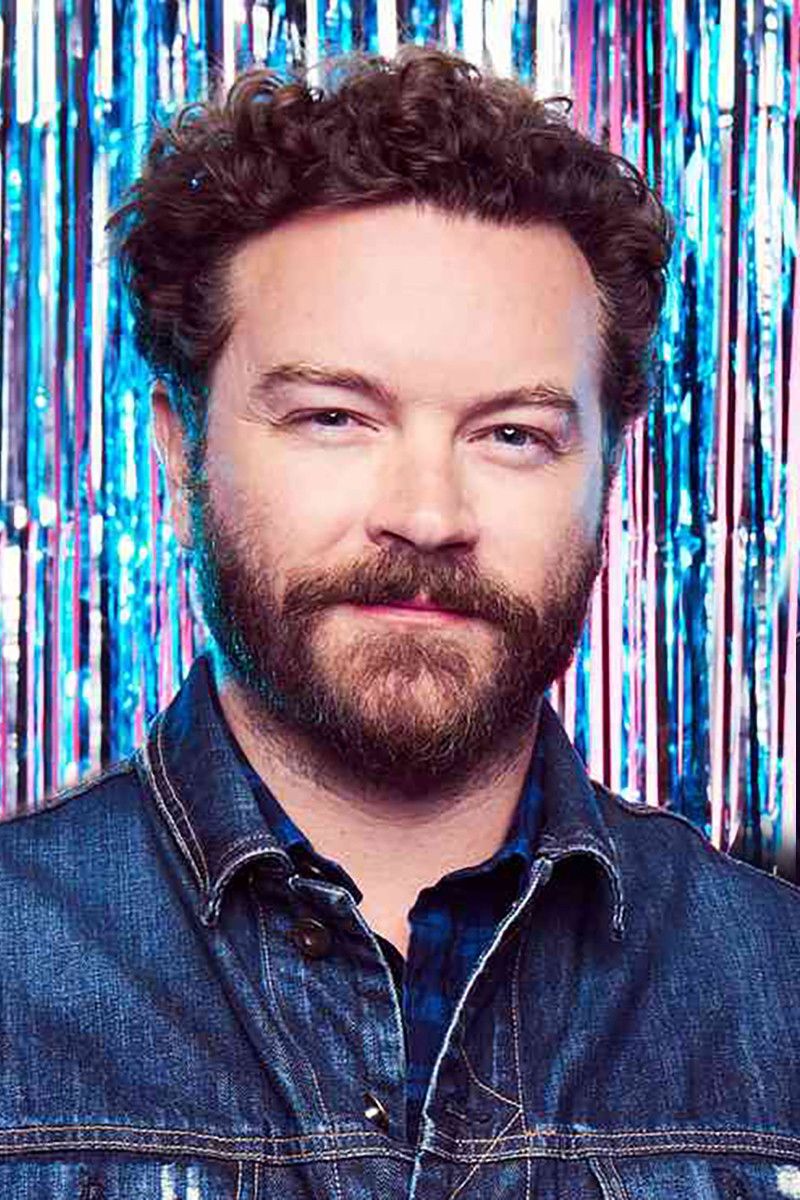
Danny Masterson’s sitcom fame once felt harmless, but the reality is far worse.
He was convicted of two counts of forcible rape related to assaults in the early 2000s and sentenced to 30 years in prison.
Survivors’ accounts and court proceedings made it impossible to look away from the pattern and power dynamics.
If you watched him growing up, reconciling nostalgia with the verdict hits hard.
You do not owe your memories loyalty when they collide with harm.
Choosing to stop streaming or to learn more about consent and advocacy can be a form of support for those who spoke up.
4. Mark Wahlberg
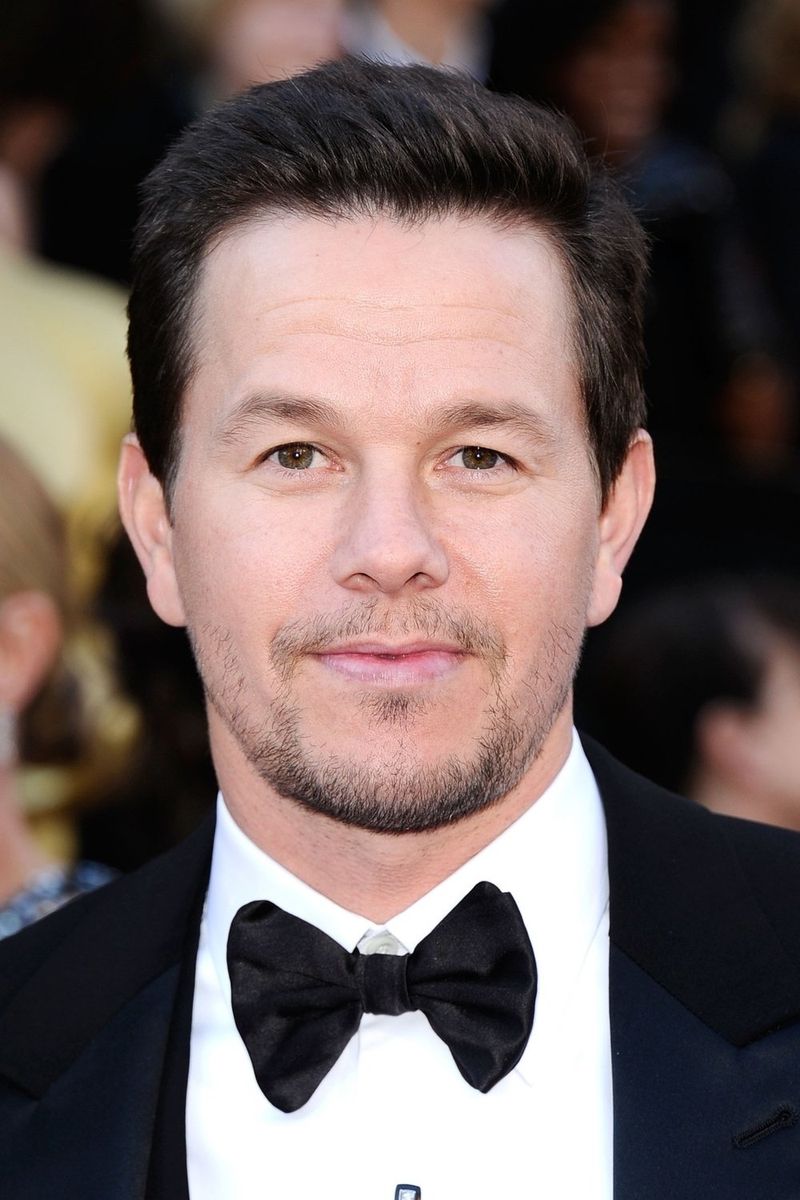
Mark Wahlberg’s success often overshadows a violent past.
As a teenager, he committed racially motivated attacks, including assaults against Black children and two Vietnamese men, and served jail time.
Those victims carried the consequences long after he became a box office draw.
You might have heard about later apologies and efforts to move forward.
Still, accountability is not a marketing pivot, it is ongoing repair, listening, and making amends beyond press lines.
When you weigh his films, you are also weighing the stories of people harmed and whether rehabilitation looks like substantial action, not just a rebrand.
5. James Franco
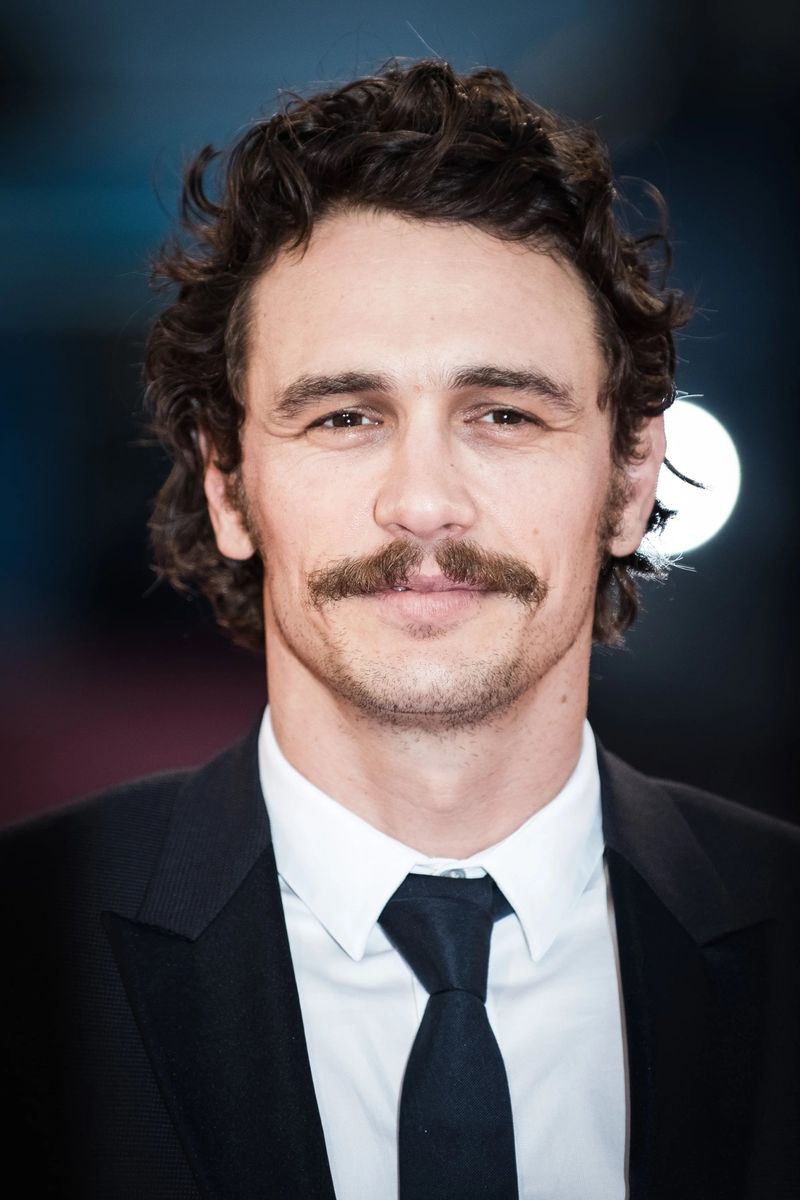
James Franco was once framed as the brainy star with arty cred, but allegations reshaped his narrative.
Students and young women accused him of sexual misconduct, describing exploitation and coercion tied to acting classes.
He later settled a lawsuit, with documents outlining boundaries crossed under the guise of education.
If you admired the creative risks, you may now question who paid for them.
Power imbalances in classrooms and sets demand more than vague apologies.
Your support can shift toward safer spaces and teachers who do not gamble with consent for craft, acknowledging how ambition was used as leverage against aspiring performers.
6. Kevin Hart
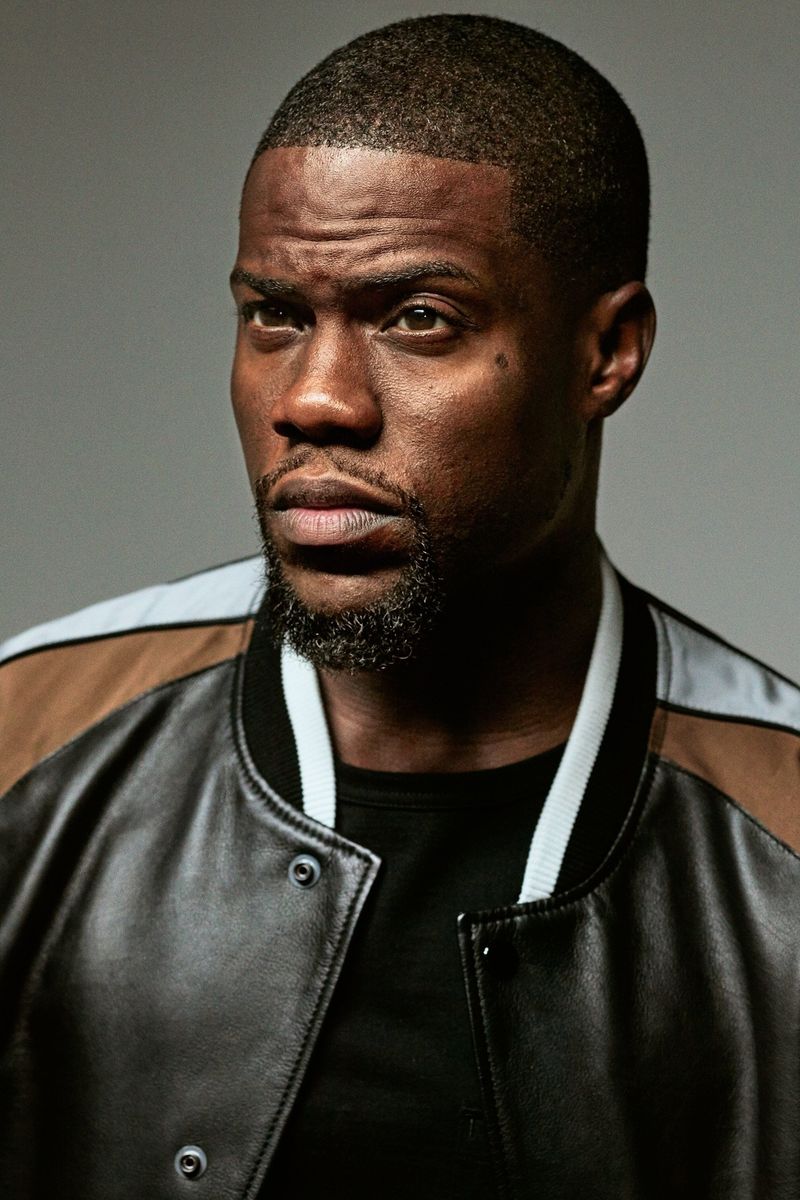
Kevin Hart’s rise from clubs to global tours felt inspiring, but controversy around past homophobic jokes and tweets complicated that arc.
When asked to host the Oscars, questions about real accountability collided with his initial refusal to fully address the hurt.
He later apologized, yet the hesitation spoke loudly.
You can enjoy comedy and still expect growth without defensiveness.
Punching down is not edgy, it is lazy and harmful to those already targeted.
When performers learn publicly, you get to watch the work of change or choose to step back until the jokes align with the values you want amplified.
7. Jack Nicholson
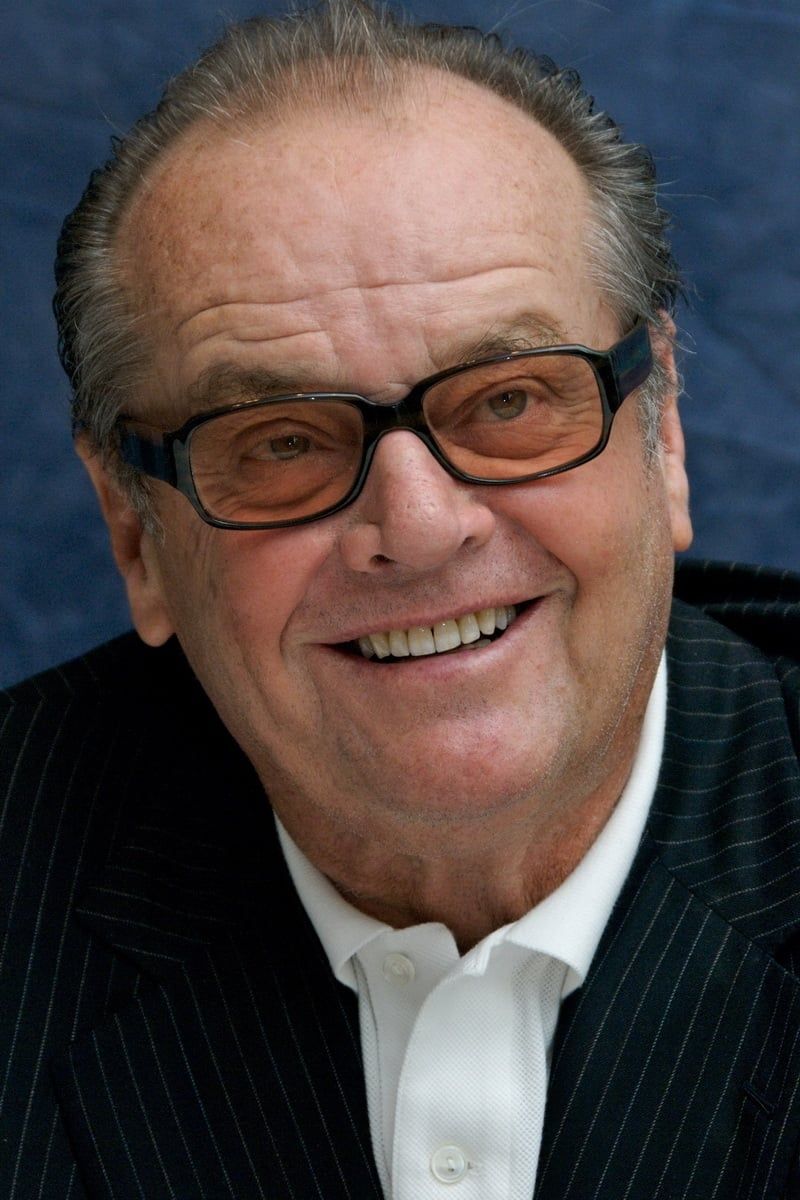
Jack Nicholson’s devilish charm hides a documented violent streak.
He famously attacked a man’s car with a golf club in a road rage incident and allegedly assaulted a sex worker, with cases reportedly ending in settlements.
The gap between mischievous persona and real harm is not just tabloid fodder.
When culture shrugs at violence because the culprit is cool, survivors are told their pain is a punchline.
You can hold the performances and still reject the myth that brilliance excuses damage.
Admiration without accountability is not harmless, it becomes a shield that historically kept powerful men from consequences others would face.
8. Kevin Spacey
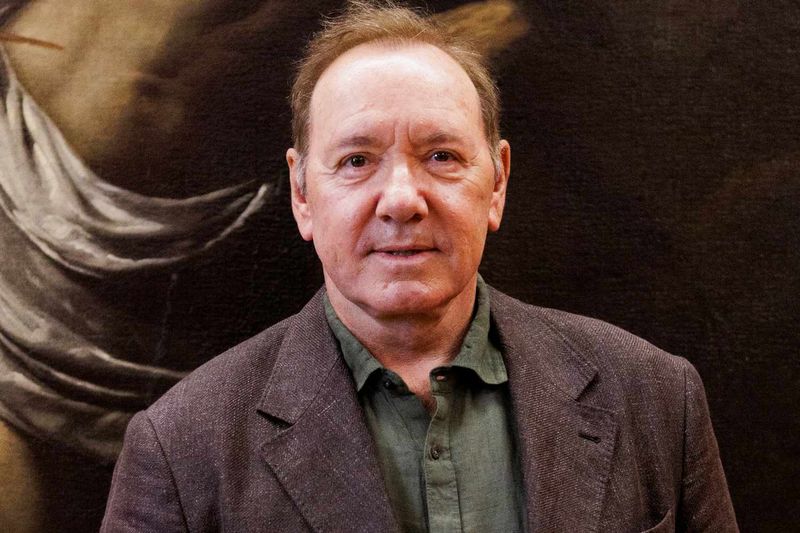
Kevin Spacey’s mastery of unsettling characters took on a chilling edge once real allegations emerged.
Multiple individuals accused him of sexual assault and inappropriate behavior, leading to criminal charges, civil suits, and removal from major projects.
Despite some acquittals, the breadth of accounts changed how many people view his work.
You decide whether separating art from artist is possible when harm is systemic, not isolated.
Power on set is leverage, and boundaries must be non negotiable.
Supporting productions that prioritize safety sends a message that talent never outweighs consent, and that careers should not be built on fear and silence.
9. Ezra Miller
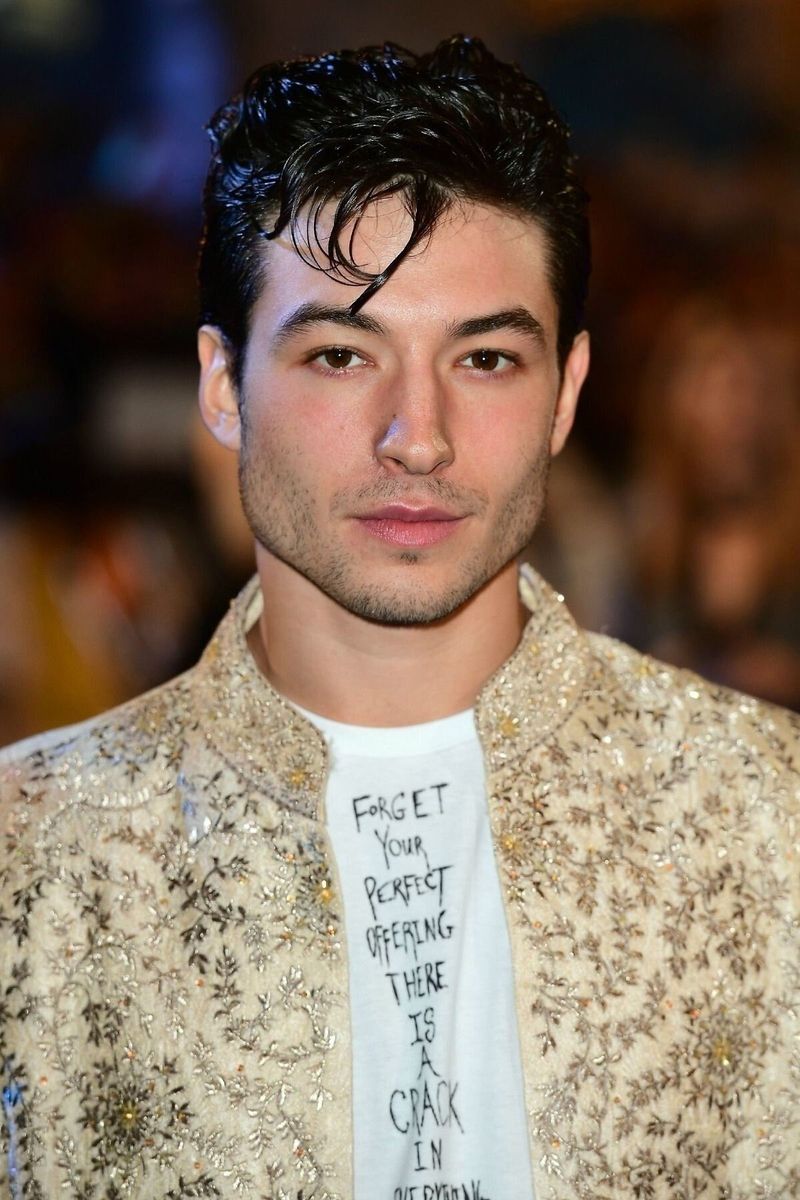
Ezra Miller’s off screen behavior repeatedly overshadowed roles that once promised a breakout legacy.
There have been arrests and allegations involving assault, harassment, burglary, and claims of inappropriate behavior toward minors.
Each new headline deepened concerns about accountability, safety, and the structures enabling ongoing harm.
When you weigh fandom against patterns like these, the calculus changes.
Communities targeted in the reports deserve protection over franchise timelines.
Prioritizing well being means pausing support until real accountability, transparency, and safeguards exist, not just press statements crafted to calm investors or preserve release schedules.
10. Charlamagne Tha God

Charlamagne Tha God rose on provocative radio moments, but serious concerns shadow that success.
He has admitted to sexual encounters involving intoxication that he later acknowledged could be considered rape, and he was previously arrested in a separate case involving a minor.
These facts force a conversation about consent, power, and responsibility.
When jokes and shock value sell, accountability often arrives late.
You deserve hosts who treat consent as non negotiable and who repair harm beyond ratings.
Listening critically and supporting survivors can push media toward standards where fame does not mute the gravity of violations or rewrite the record.
11. Johnny Depp
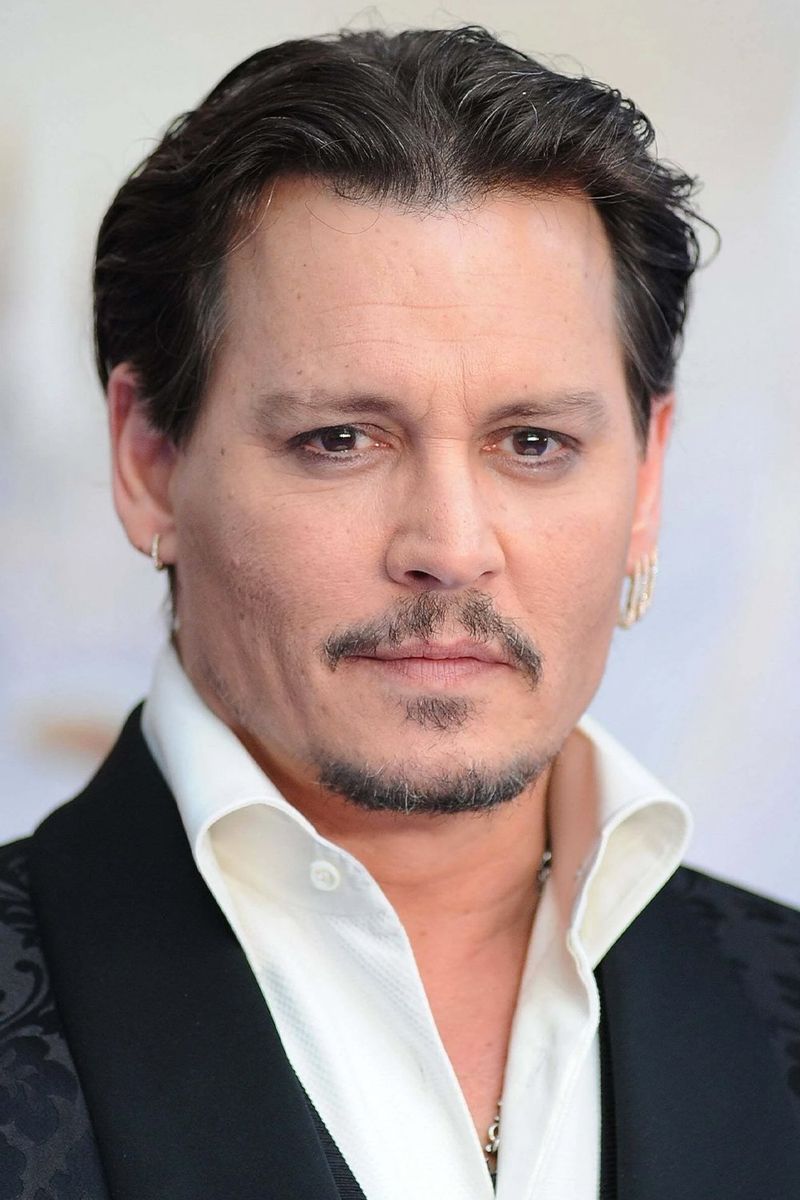
Johnny Depp’s public image fractured under domestic abuse allegations from Amber Heard and others.
He won a defamation case, yet court proceedings exposed volatile, abusive behavior and substance issues that complicate easy narratives.
The fandom wars flattened nuance, but the record shows relationships haunted by control, fear, and harm.
You do not have to pick a team to honor boundaries and believe patterns over slogans.
Celebrity trials are entertainment for some, but for survivors they are reminders of risk.
Choosing how to engage with his work can reflect values about safety, accountability, and the stories we elevate.
12. Liam Neeson
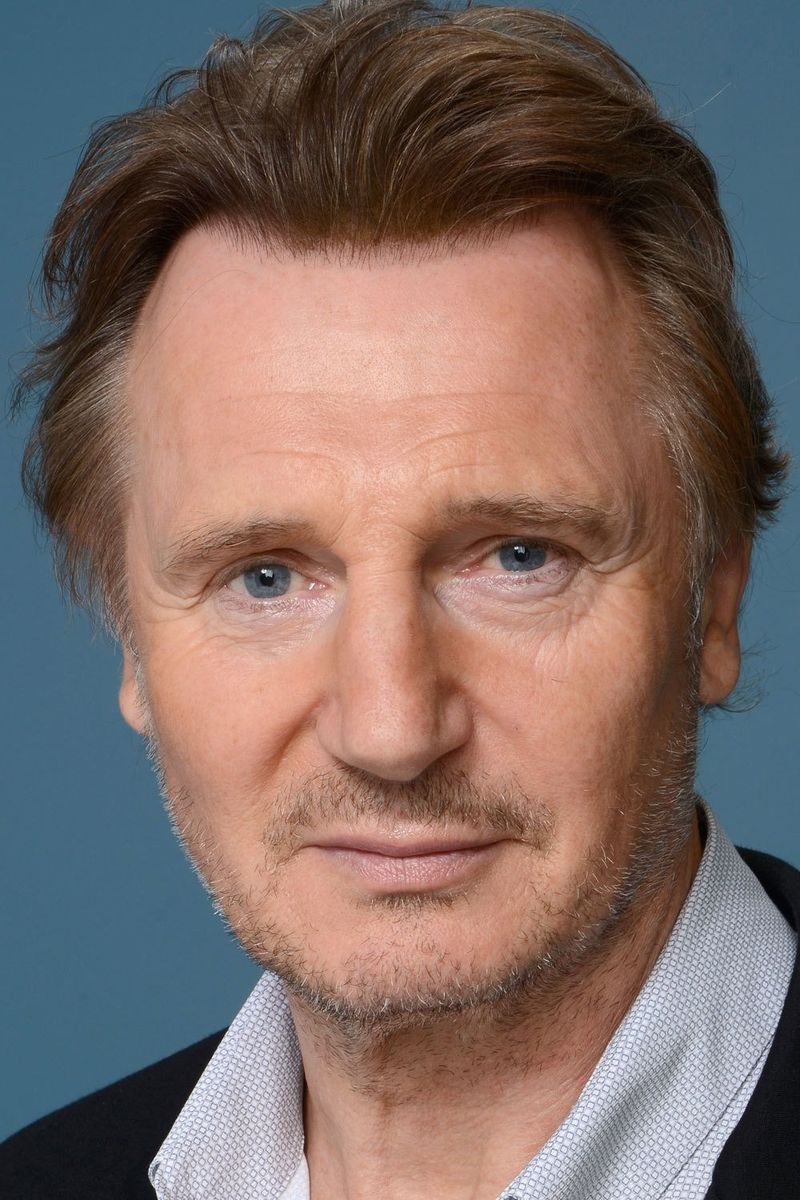
Liam Neeson shocked fans by admitting he once sought random Black men to attack after a friend was raped.
He described walking the streets looking for someone to harm, a confession that drew widespread condemnation for its racist and violent intent.
The revelation forced a reckoning with vigilantism wrapped in prejudice.
If you once rooted for his avenging roles, the irony is impossible to ignore.
Accountability begins with recognizing how dangerous impulses become normalized by anger.
You can demand better apologies and real work against racism, not just press junket regret, before choosing whether to separate the films from the confession.
13. Mel Gibson
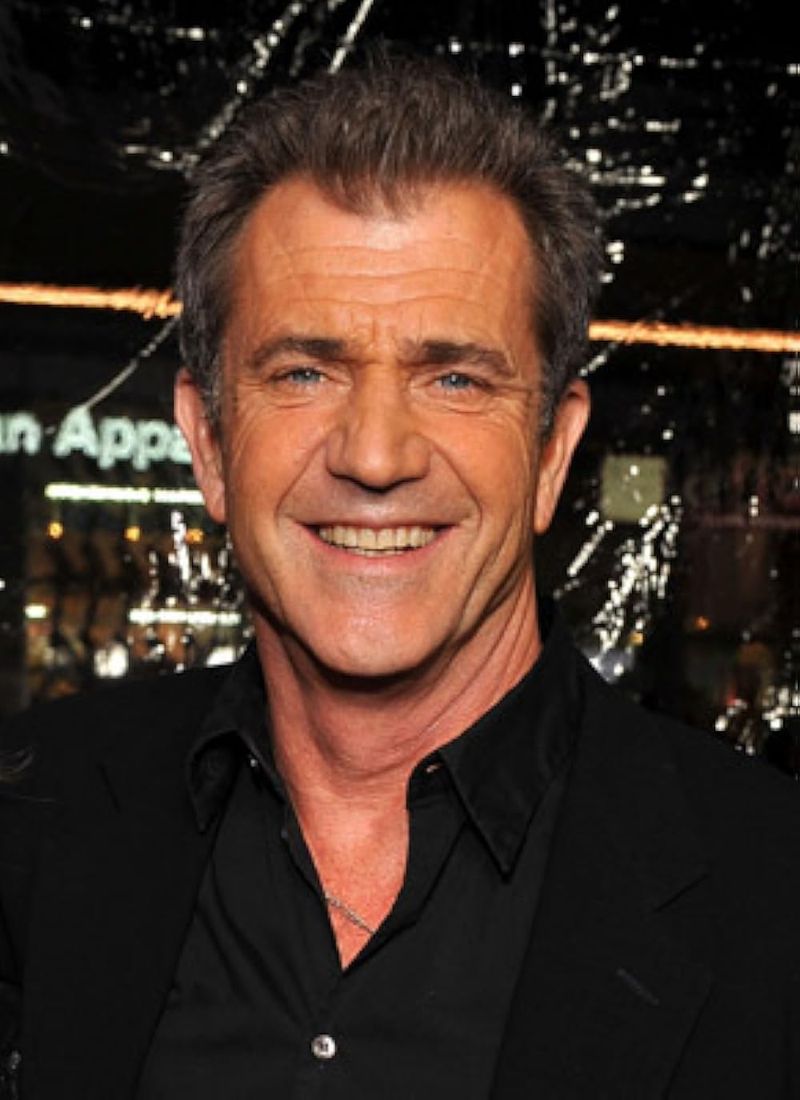
Mel Gibson once looked like the kind of star you could count on – funny, intense, and endlessly watchable.
For a long stretch, his reputation rode on crowd-pleasing hits and a persona that felt rugged without seeming fake.
That made the later scandals land even harder.
When reports of racist, antisemitic, and abusive remarks exploded into public view, a lot of goodwill vanished fast.
You can admire the work and still admit the off-screen behavior changed everything.
The disappointment came from realizing the image many people bought into was never as solid as it seemed.
14. Armie Hammer
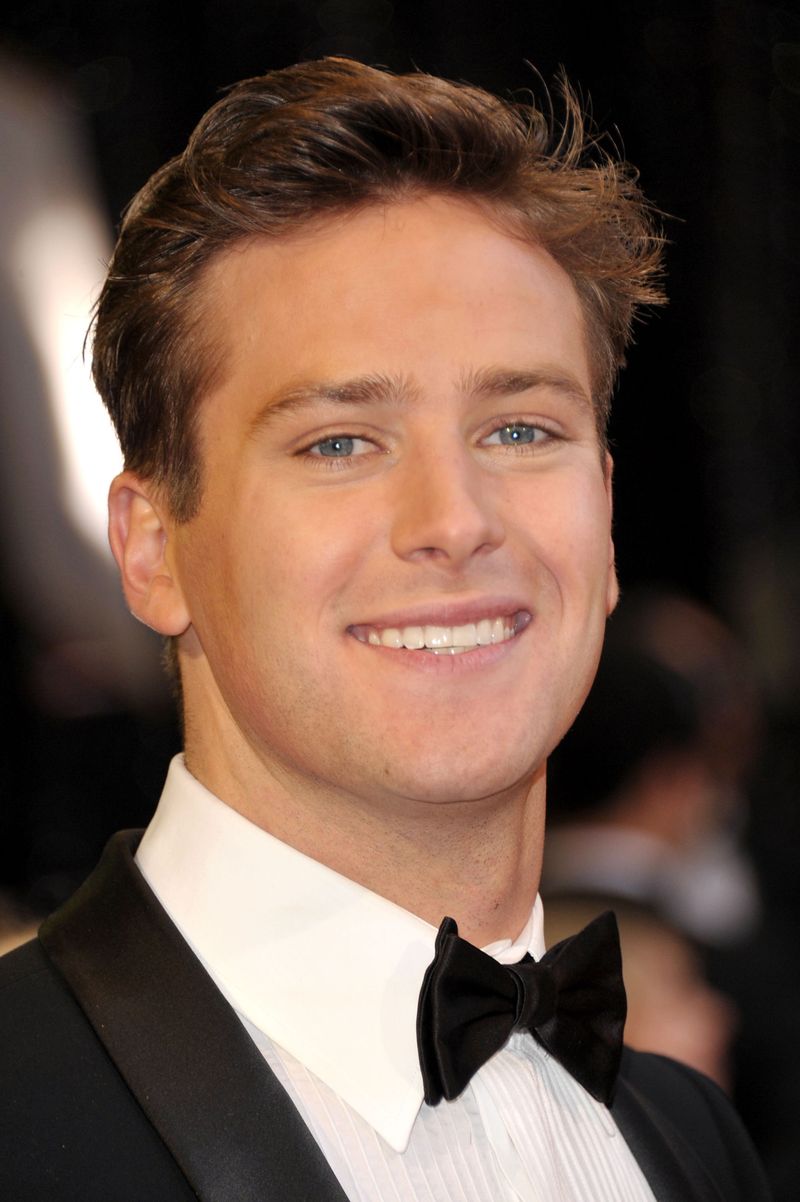
Armie Hammer had the polished leading-man package that Hollywood loves – tall, charismatic, and easy to sell as the next big thing.
For plenty of viewers, that made it simple to root for his rise and assume the best.
Then the story around him shifted from career momentum to deeply unsettling headlines.
Allegations about manipulative behavior and disturbing private messages turned fascination into disgust almost overnight.
Even without every legal question ending the same way, the public image took a massive hit.
You stop seeing a promising star and start seeing how quickly charm can collapse when the details become impossible to ignore.
15. Chris Noth
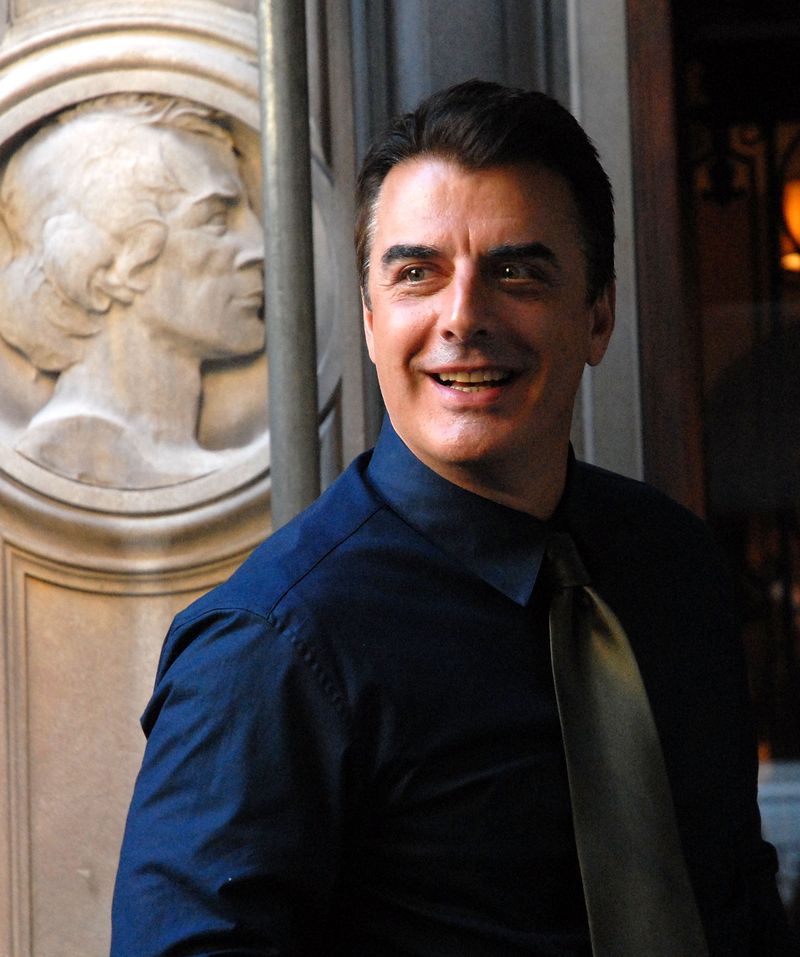
Chris Noth spent years benefiting from roles that made him look confident, mature, and oddly dependable.
Whether you knew him from prestige drama or glossy romance, he carried the kind of familiar screen presence audiences tend to trust.
That history made the backlash feel especially jarring.
After multiple women accused him of sexual assault, the friendly image he traded on cracked in public.
He denied the allegations, but the damage to his reputation was immediate and severe.
It is a sharp reminder that the comfort you feel watching someone on screen can disappear the moment real-world accusations force a very different reading.
Comments
Loading…