
 Harper Hall
11 Unlistenable Albums From Beloved Rock Bands (We Really Tried)
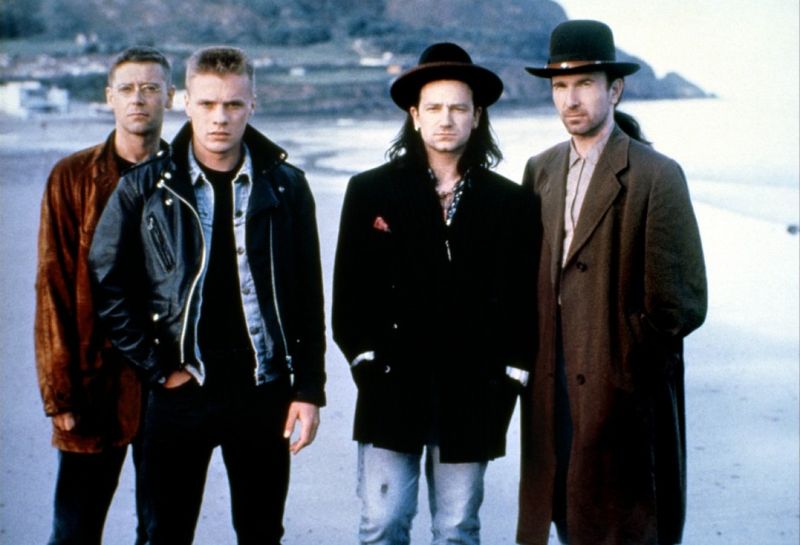
Rock bands can be untouchable for decades, and then one album shows up that tests even the most loyal fans.
Sometimes it’s a lineup change, sometimes it’s an overcooked concept, and sometimes it’s just production choices that refuse to age gracefully.
This list isn’t about hating great artists, because most of these bands made multiple records we’d defend with our whole chest.
It’s about those rare moments when ambition, chaos, ego, or trend-chasing collide and the replay button quietly disappears.
We listened with an open mind, we tried the “maybe it’s a grower” approach, and we even gave a few of these a second pass.
If you love these albums, you’re allowed to, and you’re probably more patient than we are.
But if you’ve ever thought, “I adore this band, so why can’t I get through this record,” you’re in familiar company.
1. Metallica — Lulu (2011)

When a titan of heavy music teams up with an avant-garde icon, you expect sparks, not whiplash.
The collaboration leans hard into spoken-word intensity, and it can feel like being scolded over a wall of distortion.
There are moments where the guitars sound enormous and committed, yet the overall experience stays oddly exhausting rather than thrilling.
Instead of hooks or momentum, the album often offers mood, abrasion, and repetition that dares you to tap out first.
Fans who came for Metallica riffs sometimes describe it as listening to two separate projects fighting for the same speakers.
Even listeners who admire artistic risk can struggle with how relentlessly bleak and confrontational the pacing becomes.
It’s the kind of record you respect in theory, but rarely choose when you just want to enjoy your favorite band.
If “we really tried” had a soundtrack, this one would be humming aggressively in the background.
2. The Clash — Cut the Crap (1985)
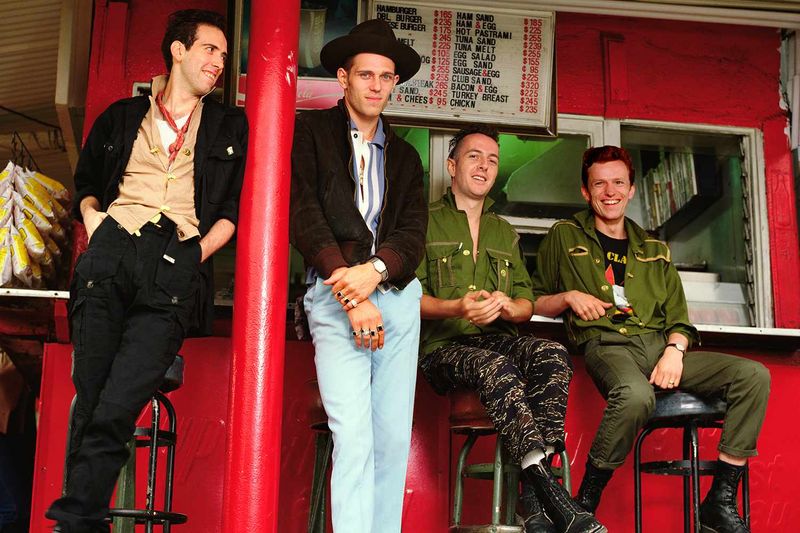
By the mid-’80s, the name on the cover promised revolution, but the record inside felt like a rough impersonation.
Production choices pile on awkward chants and clattering textures that make the songs feel less urgent and more cluttered.
The album’s backstory only intensifies the disappointment, because it arrives with fractured chemistry and missing key creative forces.
Some tracks hint at ideas that could have landed with a tighter band and a clearer sonic plan.
Instead, it often sounds like the mix is arguing with the music, burying what could have been sharp hooks.
For a group celebrated for fire and clarity, this is a confusing, noisy detour that drains their usual bite.
It’s not that experimentation is the problem, because The Clash did that brilliantly when the foundation was intact.
This one simply makes many fans reach for earlier classics to remind themselves what greatness sounded like.
3. The Beach Boys — Summer in Paradise (1992)
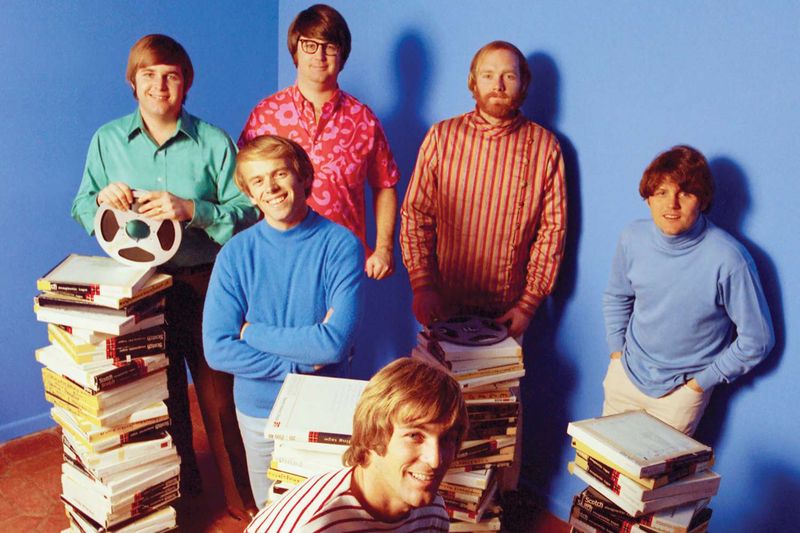
Few things are stranger than hearing a sunshine-legend act drift into glossy, oddly artificial territory.
The production leans heavily into early-’90s sheen, and the results can feel more like a souvenir cassette than a real album.
Instead of warm harmonies that breathe, you often get a processed, plasticky sound that struggles to feel human.
Even when melodies try to summon the old magic, the arrangements can land with the subtlety of a neon beach sign.
There’s a reason this record developed a reputation as a “curiosity” rather than a beloved deep cut.
Fans who adore the band’s emotional core may find it especially tough, because the heart gets swallowed by presentation.
It’s less an inspiring late-career statement and more a reminder that nostalgia can turn uncanny when pushed too hard.
If you’ve ever asked, “How did this happen,” this album is the long, bewildering answer.
4. The Rolling Stones — Dirty Work (1986)
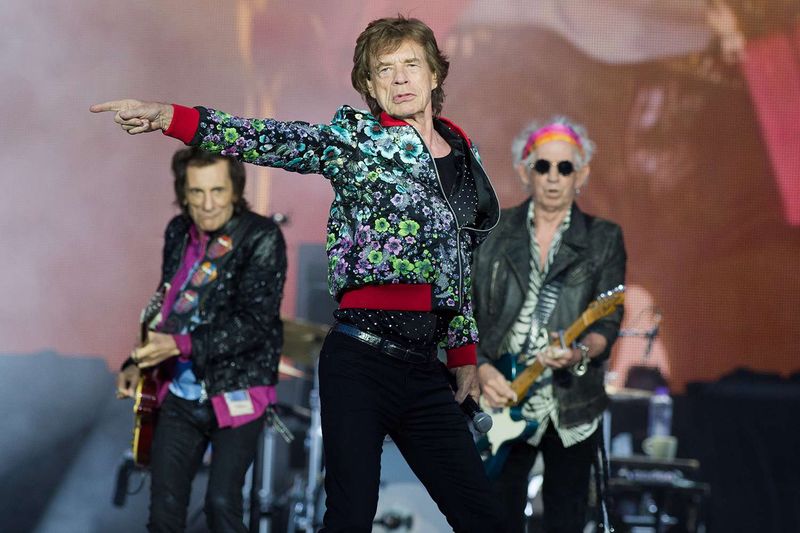
At their best, this band sounds loose, dangerous, and effortless, which makes a tense album stand out immediately.
The vibe here feels combative, and even the sharper moments can carry an edge that isn’t quite the fun kind.
Production and pacing often lean toward blunt force instead of swagger, leaving the record feeling more dutiful than alive.
There are flashes of energy that suggest the Stones are still capable of turning a room into a bar fight.
But the overall experience is choppy, as if the album can’t decide whether it wants to be modern, raw, or just loud.
Many fans hear it as a document of internal strain rather than a confident chapter in a legendary catalog.
When an album’s mythology is mostly about friction, the music rarely gets the chance to feel inviting.
This is one you finish out of loyalty, and then quietly reward yourself with Sticky Fingers afterward.
5. Van Halen — Van Halen III (1998)
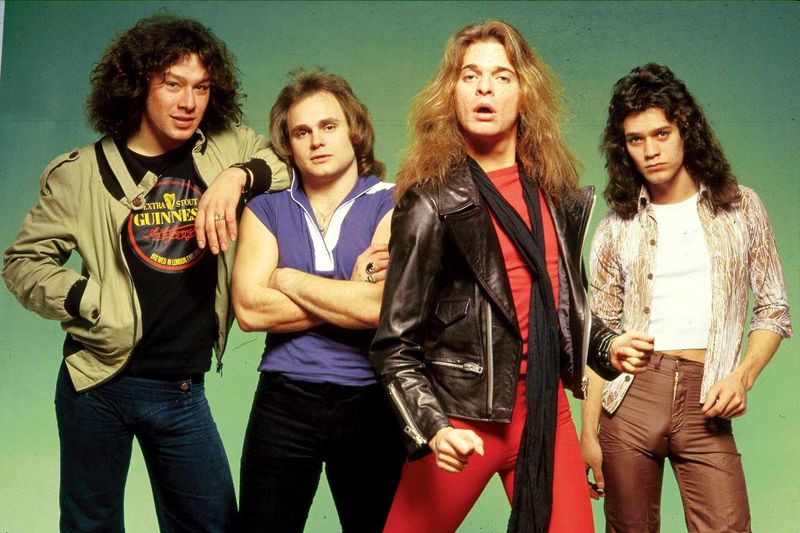
A major reinvention can be thrilling, but this era lands like a band trying on a new personality mid-conversation.
With a new vocalist and a heavier, moodier approach, the album often feels far from the grin-and-guitar-fun identity fans expect.
Some songs stretch long, and the runtime can make even decent ideas feel weighed down by sheer volume.
Eddie’s playing still shows imagination, yet the surrounding material doesn’t consistently translate that talent into repeatable joy.
Instead of punchy rock adrenaline, you get a slower, denser experience that asks a lot from listeners.
For longtime fans, the problem isn’t change itself, because the band evolved successfully before.
The issue is that the pieces don’t click into a cohesive new version of Van Halen you want to live with.
By the end, it’s less “bold new chapter” and more “interesting draft that shouldn’t have been the final release.”
6. Guns N’ Roses — Chinese Democracy (2008)

After years of delays and headlines, expectations ballooned into something no studio project could realistically satisfy.
What arrived is polished, layered, and frequently impressive on a technical level, yet oddly distant emotionally.
The album sprawls, and that sprawl can make it feel like you’re walking through an expensive museum instead of a dangerous club.
Some tracks hint at the band’s old volatility, but much of the record lives in meticulous, high-gloss construction.
For listeners who wanted Appetite-style grit, the sheen can feel like a barrier between you and the songs.
It also carries the weight of being tied to a famous name while sounding like a complicated solo vision.
There’s talent everywhere, but cohesion and spontaneity are harder to find, which is where replay value usually lives.
In the end, the album’s biggest enemy might be its own mythology, because the legend became louder than the music.
7. Aerosmith — Rock in a Hard Place (1982)
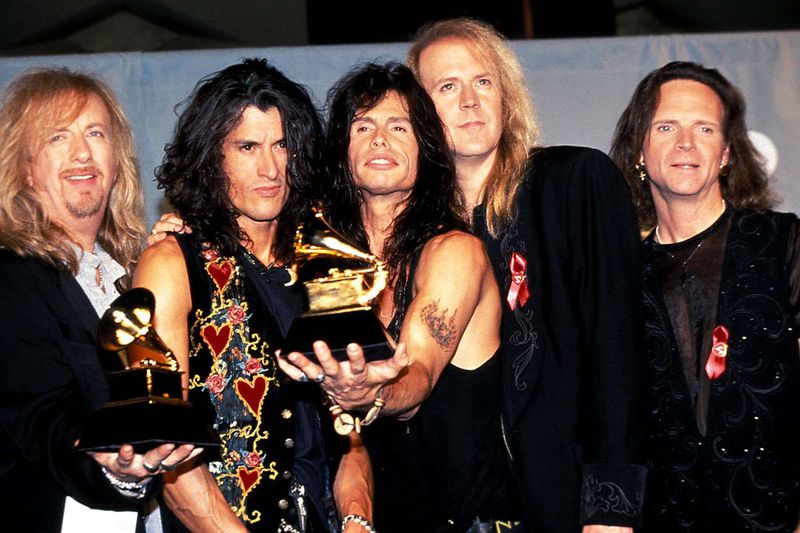
When the ingredients that define a band’s chemistry shift, you can hear the difference before you even know the story.
This record has moments of solid rock craft, but it often feels like it’s missing the familiar swagger fans came for.
The songwriting tries to keep the flame lit, yet the overall identity can seem slightly off-center and unsettled.
If you’re used to Aerosmith sounding like a loud, messy party, this can feel more like a rehearsal under harsh lights.
Production and performances aren’t the problem so much as the sense that the band’s spark is temporarily out of focus.
It’s a transitional album that makes you appreciate how much personality matters beyond riffs and choruses.
Some listeners can enjoy it as a historical bridge, which is fair, because it documents a complicated moment.
But if you’re picking an Aerosmith album for pure pleasure, most fans will reach for something else without hesitation.
8. Queen + Paul Rodgers — The Cosmos Rocks (2008)
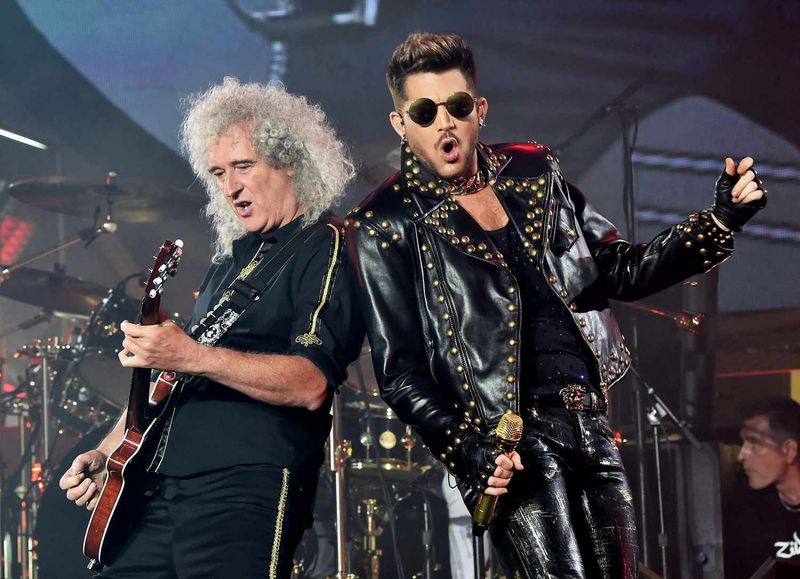
Trying to continue a beloved legacy without an irreplaceable frontman is brave, and also nearly impossible to win.
The performances are professional, and the musicianship is never sloppy, but the identity feels like it’s searching for home.
Instead of theatrical, unmistakable Queen drama, the songs often settle into sturdy classic-rock comfort.
That steadiness can read as “fine” in the moment, yet it rarely becomes the kind of obsession that defines the band’s peak.
Fans who love Freddie’s charisma may find themselves listening for what’s missing rather than what’s present.
Even strong vocals can’t replicate the specific alchemy that made Queen feel larger than life.
As a separate project, it might earn more goodwill, but the Queen name raises expectations to an unfair altitude.
It’s a respectful effort that still leaves many listeners craving the old magic rather than replaying the new material.
9. Kiss — Music from ‘The Elder’ (1981)

A hard-left turn into concept-album ambition can be fascinating, but it can also confuse an audience in a hurry.
This record trades much of the band’s punchy, silly fun for theatrical storytelling that feels strangely serious.
There are moments of creativity, yet the overall experience can resemble a rock opera that forgot to be exciting.
If you came expecting anthems and attitude, the pacing and tone might feel like someone swapped your playlist overnight.
The production leans into grandeur, which sounds impressive until you realize you’re not emotionally invested in the narrative.
Some fans defend it as misunderstood, and the boldness is real, even if the execution doesn’t land for everyone.
Still, it’s the rare Kiss album that can make diehards stare at the tracklist and sigh before pressing play.
When a band’s brand is “fun,” an album that feels like homework is always going to struggle.
10. Pink Floyd — The Final Cut (1983)
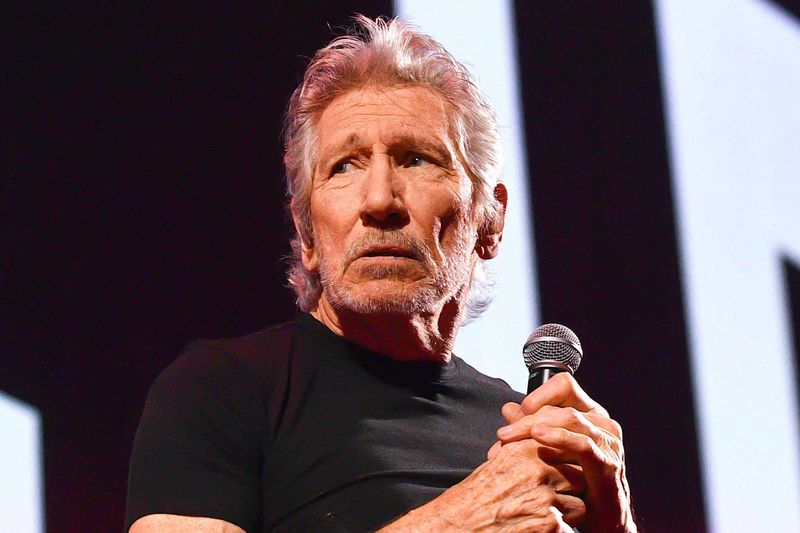
An album can be powerful and still feel difficult to revisit, especially when the mood never lifts its head.
This record is heavy with grief, anger, and political reflection, often moving more like a statement than a band performance.
For listeners who love Floyd’s spacious psychedelia, the emphasis on lyrical intensity can feel narrowly focused.
The pacing is slow, and the atmosphere is relentlessly somber, which makes casual listening a tough sell.
There are gorgeous moments, but they arrive in a context that demands full attention and the right emotional weather.
It also carries the sense of internal division, which can make the music feel like a final argument set to melody.
If you treat it like a companion piece to The Wall, it can make more sense, even if it’s not “enjoyable.”
This is the album you admire, recommend with caveats, and rarely put on at a party unless you want everyone to leave.
11. U2 — Songs of Innocence (2014)

The music might have had a fairer shot if it hadn’t been attached to one of the most infamous rollouts in modern pop culture.
Even listeners open to a mature, reflective U2 record found themselves distracted by the backlash and the baggage.
Sonically, it’s polished and earnest, but it can feel safe in ways that don’t reward repeat spins.
The songs aim for intimacy and memory, yet they often land as pleasant rather than urgent.
When a band is known for making stadium-sized emotions, “pleasant” can register as underwhelming.
Some tracks are genuinely solid, but the album’s reputation became inseparable from how it appeared in people’s libraries.
That context created a resentment that the music itself didn’t fully overcome, which is a rare and messy problem.
In the end, it’s not unlistenable because it’s incompetent, but because it’s hard to hear it without remembering the whole ordeal.
Comments
Loading…