
 Harper Hall
10 Massively Successful Celebrities Who Never Graduated High School
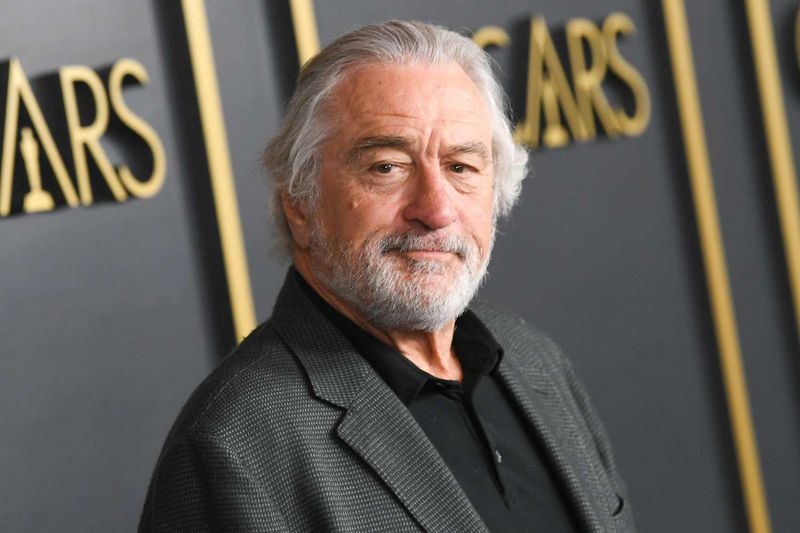
Finishing high school is a meaningful milestone, but it is not the only path to a wildly successful life.
Some celebrities left school early because of family circumstances, career opportunities, or simply because the traditional classroom did not fit them.
What they did next is the part that matters, because they replaced a standard route with relentless practice, risk-taking, and a willingness to start at the bottom.
Their stories are not a “drop out and you’ll be fine” message, because most people still benefit from education and support systems.
Instead, these examples show how grit, craft, and smart choices can sometimes outweigh a missing diploma.
1. Johnny Depp
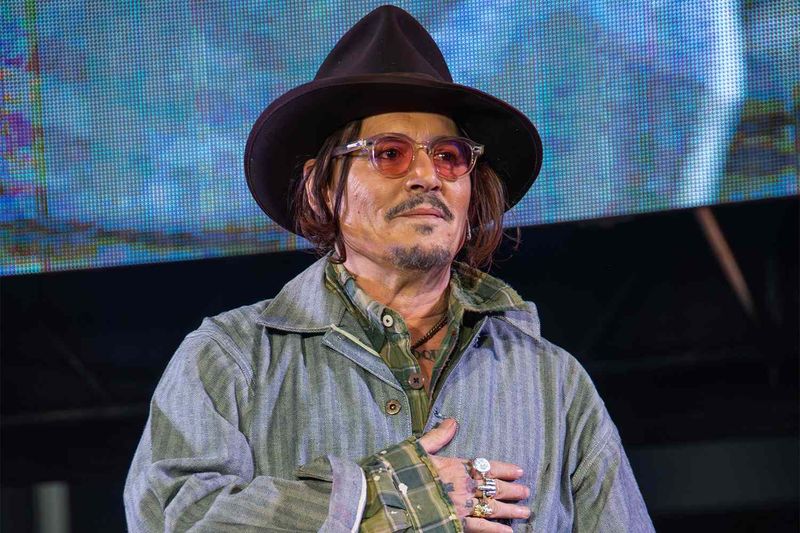
Long before blockbuster premieres and red carpets, he was a teenager who walked away from high school to chase music.
Instead of treating that decision like a dead end, he kept showing up for creative work and built a network that opened new doors.
Acting arrived as an unexpected pivot, and he leaned into unusual roles that made casting directors take notice.
That early willingness to gamble on his talent became a pattern, especially when he chose eccentric characters over safer career moves.
His trajectory shows that a nontraditional start can still lead to global recognition if you commit fully to learning the craft.
It also highlights the value of persistence, because the entertainment industry rewards people who outwork rejection and uncertainty.
Even without a diploma, the combination of obsession, adaptability, and risk tolerance helped turn him into a defining star.
2. Drew Barrymore

Fame found her extremely young, and that whirlwind made a typical school experience nearly impossible to maintain.
As a young teen, she left high school behind while navigating adulthood pressures that most people do not face until much later.
Instead of letting early struggles define her, she rebuilt her career step by step and became known for warmth and range.
She eventually expanded into producing and entrepreneurship, proving she could shape projects rather than only starring in them.
Her journey is a reminder that education can happen outside a classroom when someone actively learns from mistakes and mentors.
It also shows how resilience can be cultivated, especially when a person chooses healthier routines and stronger boundaries.
Leaving school did not close her future, because she kept evolving and found new ways to stay relevant across decades.
3. Eminem
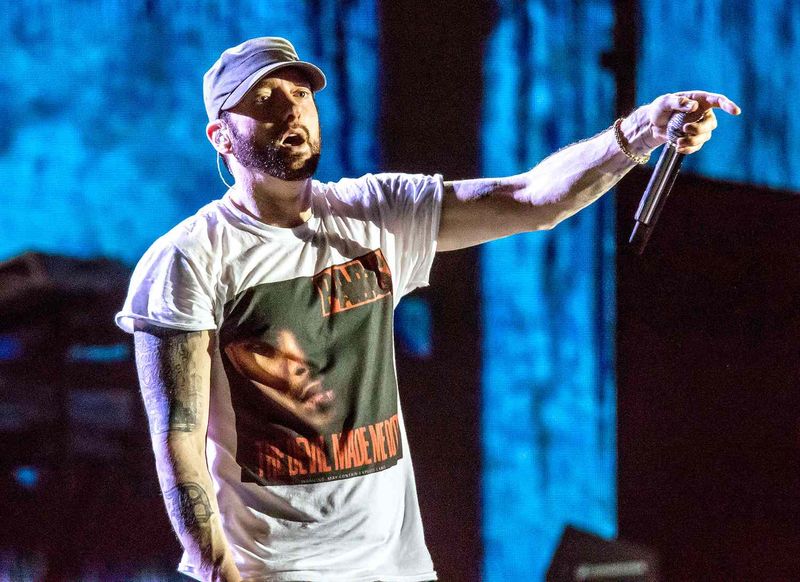
Growing up with instability and setbacks, he struggled in school and ultimately left before graduating.
What replaced the classroom was relentless practice, because he treated rhyme-writing like a skill that demanded daily repetition.
Battle rap and local performances became his training ground, where feedback was immediate and failure was public.
That pressure forged sharp storytelling and technical precision, which later turned into a signature style audiences could not ignore.
His rise also shows the importance of community, since underground scenes often act like informal schools for serious artists.
While his story is often framed as raw talent, it is just as much about discipline and learning through constant iteration.
He built massive success without a diploma, but he did it by studying language, cadence, and emotion like a full-time student.
4. Jennifer Lawrence
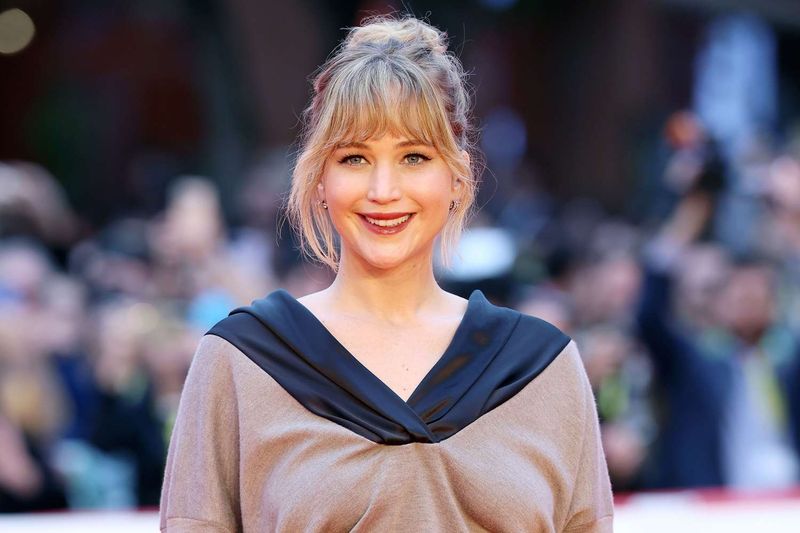
A fast-moving acting career pulled her toward opportunity before a traditional education could fully play out.
After leaving high school in her early teens, she poured her energy into auditions, training, and the grind of professional sets.
Instead of relying on credentials, she relied on performance, preparation, and a willingness to take emotionally demanding roles.
That commitment paid off quickly, and she became known for balancing blockbuster appeal with serious dramatic work.
Her story can resonate with anyone who felt out of place in standard systems yet thrived when learning became hands-on.
It also highlights how supportive adults and smart representation can help a young person navigate a high-pressure industry safely.
She did not follow the expected path, but her focus and work ethic helped transform early risk into long-term career stability.
5. JAY-Z
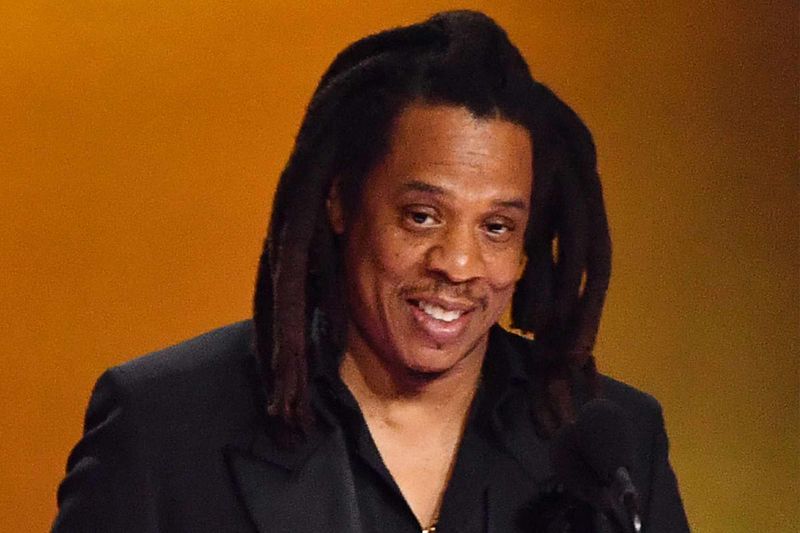
Coming from a tough environment, he has described leaving school early while trying to survive and figure out his next step.
Music became both an outlet and a strategy, and he approached it with the mindset of a business builder, not just a performer.
He studied the industry, negotiated for ownership, and pushed toward independence when gatekeepers would not open doors.
That entrepreneurial approach helped him scale from local success to a global brand that spans records, tours, and investments.
His story is a useful reminder that learning can be self-directed, especially when someone pays attention to money, leverage, and contracts.
It also shows the power of reinvention, because he repeatedly shifted roles from rapper to executive to cultural icon.
Finishing high school is valuable, but his rise underscores how vision and strategic discipline can reshape someone’s entire future.
6. Robert De Niro
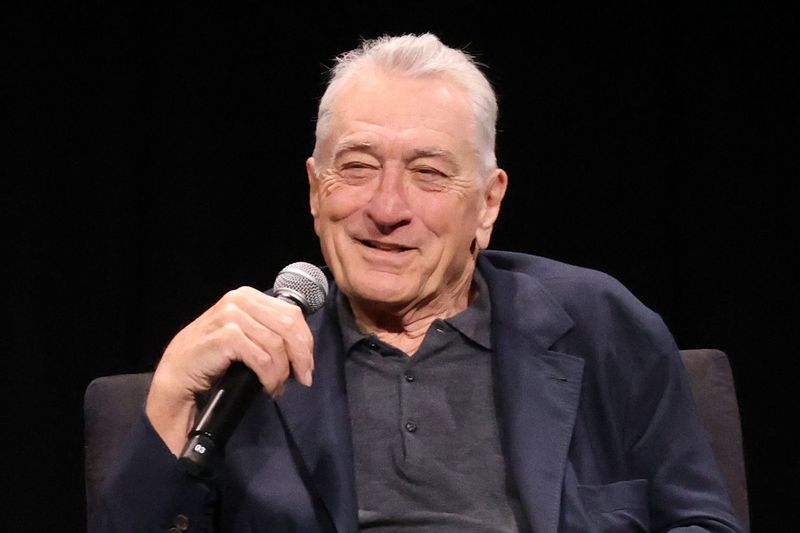
Before he became an acting legend, he stepped away from high school in his mid-teens to focus on performance.
Rather than treating that choice casually, he committed to rigorous training and immersed himself in theater and craft.
His reputation grew through intense preparation, including the kind of detailed character work that later became his trademark.
That dedication helped him earn roles that demanded patience, subtlety, and emotional authenticity instead of quick, flashy results.
He is proof that long-term excellence often comes from doing unglamorous work repeatedly, even when nobody is watching.
While formal education can be a strong foundation, his path shows another model: apprenticeship, practice, and constant self-critique.
Dropping out did not define him, because he replaced structure with discipline and turned serious craft into an enduring career.
7. Bryan Adams

Instead of finishing high school, he left in his mid-teens and chose the uncertainty of pursuing music full time.
That meant betting on practice, band life, and writing sessions rather than the predictability of a normal academic track.
Over time, that commitment produced songs that traveled far beyond his hometown and became staples on radio and in arenas.
His success also reflects steady professionalism, because long careers in music usually come from reliability as much as raw talent.
By touring, collaborating, and refining his sound, he kept building an audience that followed him across decades.
The big takeaway is not that school does not matter, but that a clear goal can sometimes create its own curriculum.
He learned by doing, and that hands-on education helped transform a risky choice into a globally recognized music legacy.
8. John Travolta
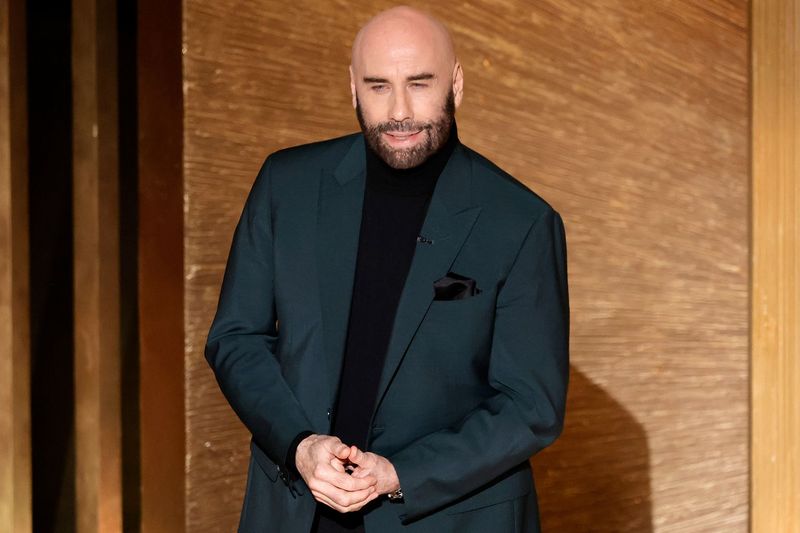
When he left high school at sixteen, he did it to focus on acting and chase real opportunities in performance.
That decision demanded courage, because early auditions often come with rejection and very little financial stability.
He built momentum through stage work and television, then broke through in a way that made him a defining star of his era.
His career also shows how one breakout moment can change everything, but only if the groundwork has already been laid.
Even after ups and downs, he found ways to return to the spotlight by choosing roles that reintroduced him to new audiences.
The lesson here is adaptability, since the entertainment landscape shifts constantly and yesterday’s formula rarely works forever.
Without a diploma, he still created longevity by treating his career like a craft that required reinvention and consistent effort.
9. Richard Branson
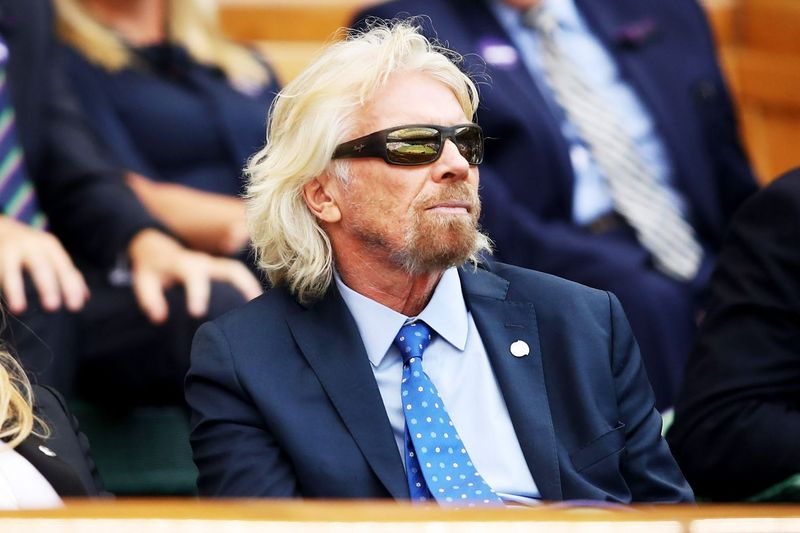
Rather than staying in school until graduation, he left at sixteen and leaned into entrepreneurship with bold confidence.
Early ventures taught him practical lessons about customers, branding, and risk that many people only learn after years in the workforce.
He built momentum by launching businesses that relied on creativity and marketing instincts more than formal credentials.
Over time, that approach grew into the Virgin brand, which became associated with ambitious ideas and a willingness to disrupt industries.
His story is especially interesting because it reframes “education” as problem-solving under pressure, guided by curiosity and experimentation.
It also shows that delegating well matters, since big companies are rarely built by one person doing everything alone.
He did not graduate high school, but he cultivated leadership, resilience, and vision in ways that ultimately scaled worldwide.
10. Zhou Qunfei

Long before she became a global business figure, she left school in her teens and entered factory work to support herself.
That environment became her classroom, because she learned manufacturing realities, quality standards, and what buyers actually needed.
Instead of staying stuck in one role, she kept expanding her skills and moved toward building solutions for the supply chain.
Her later success in smartphone glass manufacturing is often linked to persistence, technical understanding, and strong operational discipline.
She is a compelling example for readers who like “quiet success,” because her rise was built on competence more than celebrity flash.
The broader lesson is that learning can be incremental, especially when someone uses every job as training for the next level.
Without finishing high school, she still reached extraordinary heights by combining grit, know-how, and the courage to grow beyond her starting point.
Comments
Loading…