
 Hailey Watson
The Most Overrated ’90s TV Shows (Be Honest)

The 1990s gave us some truly iconic television moments, but not every show deserves the pedestal it sits on.
While nostalgia can cloud our judgment, it’s time to take an honest look at which series might have been a bit overhyped.
Some beloved shows had their flaws, whether it was predictable plots, dated humor, or characters that just didn’t age well.
1. Friends
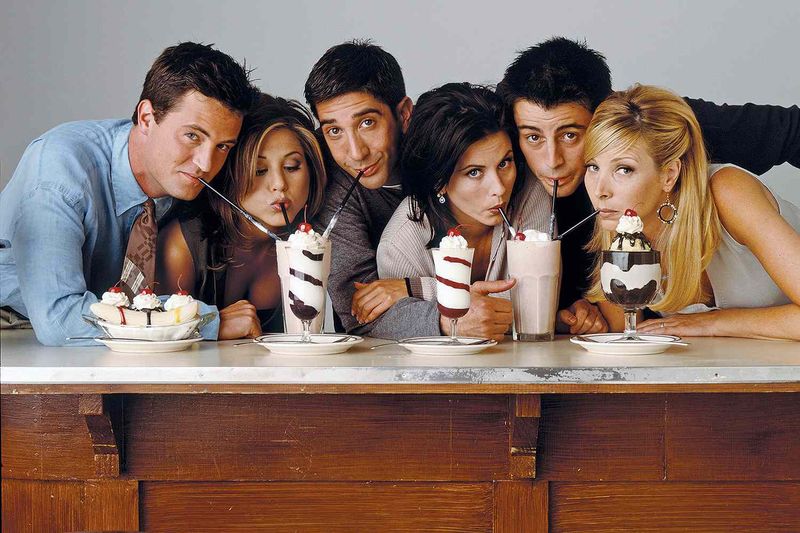
Ross, Rachel, Monica, Chandler, Joey, and Phoebe became household names, but looking back, the humor feels formulaic and the storylines repetitive.
The show relied heavily on relationship drama that often went in circles, with Ross and Rachel’s on-again, off-again romance dragging on for ten seasons.
Many jokes haven’t aged gracefully, particularly those involving gender stereotypes and outdated attitudes.
The characters, though lovable, rarely faced real consequences for their actions or showed genuine personal growth.
While the show captured a generation’s imagination, its overwhelming popularity might have overshadowed more innovative comedies of the era.
The lack of diversity and the unrealistic portrayal of New York City life also stand out more glaringly today.
2. Seinfeld

Hailed as the show about nothing, Seinfeld revolutionized sitcom structure, but its self-absorbed characters and cynical worldview don’t resonate with everyone.
Jerry, George, Elaine, and Kramer spent most episodes obsessing over trivial matters while displaying remarkably selfish behavior.
The humor, while clever at times, often felt mean-spirited and detached from real human emotion.
Critics argue that the show’s observational comedy became repetitive, with similar premises recycled throughout its nine-season run.
Some storylines crossed lines that wouldn’t fly today, and the characters’ lack of empathy made them difficult to root for.
While groundbreaking in format, the show’s legacy might be propped up more by cultural influence than actual rewatchability for modern audiences.
3. The X-Files
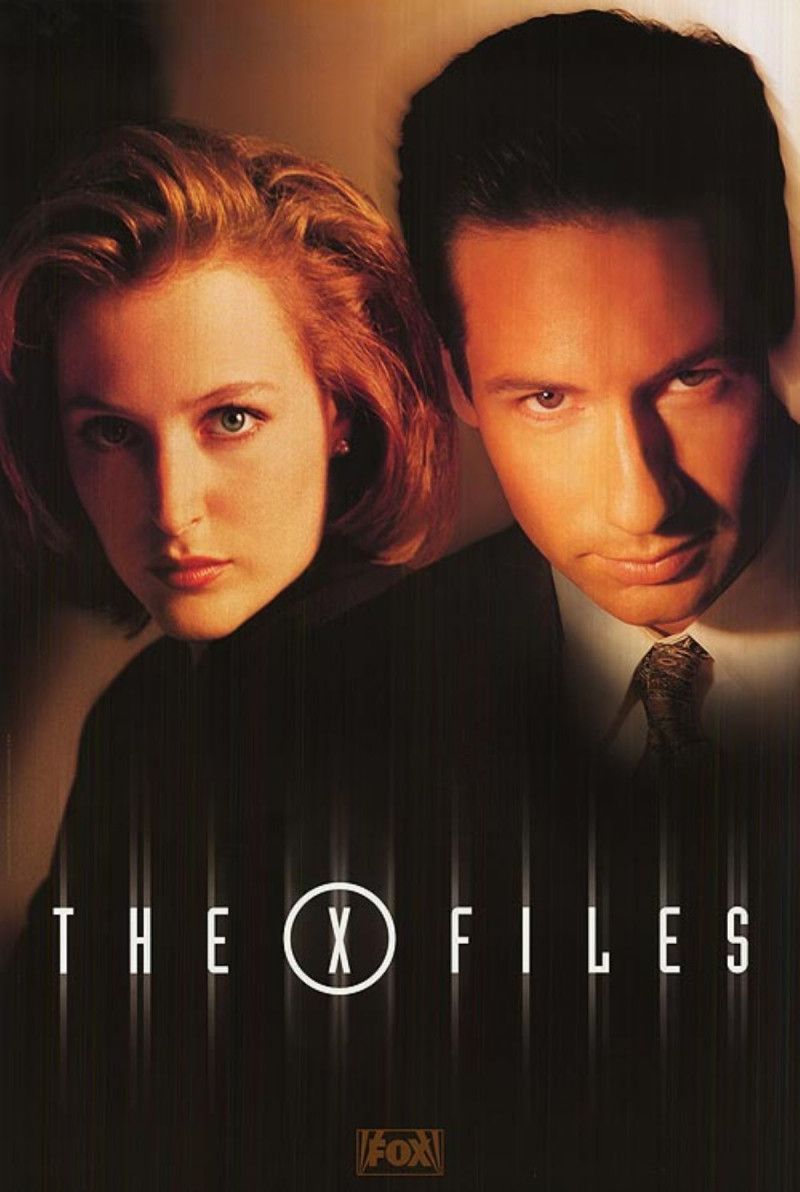
Mulder and Scully’s quest for the truth captivated audiences, but the show’s mythology became so convoluted that even dedicated fans struggled to follow it.
Early seasons promised answers to burning questions about alien conspiracies, but the series kept adding layers without resolution.
Monster-of-the-week episodes varied wildly in quality, with some feeling like filler content.
The show’s dark, serious tone sometimes took itself too seriously, making episodes feel pretentious rather than profound.
By later seasons, the mystery had lost its appeal, and character departures weakened the chemistry that made the show work.
While visually atmospheric, the series often prioritized mood over coherent storytelling, leaving viewers more confused than satisfied.
4. Dawson’s Creek
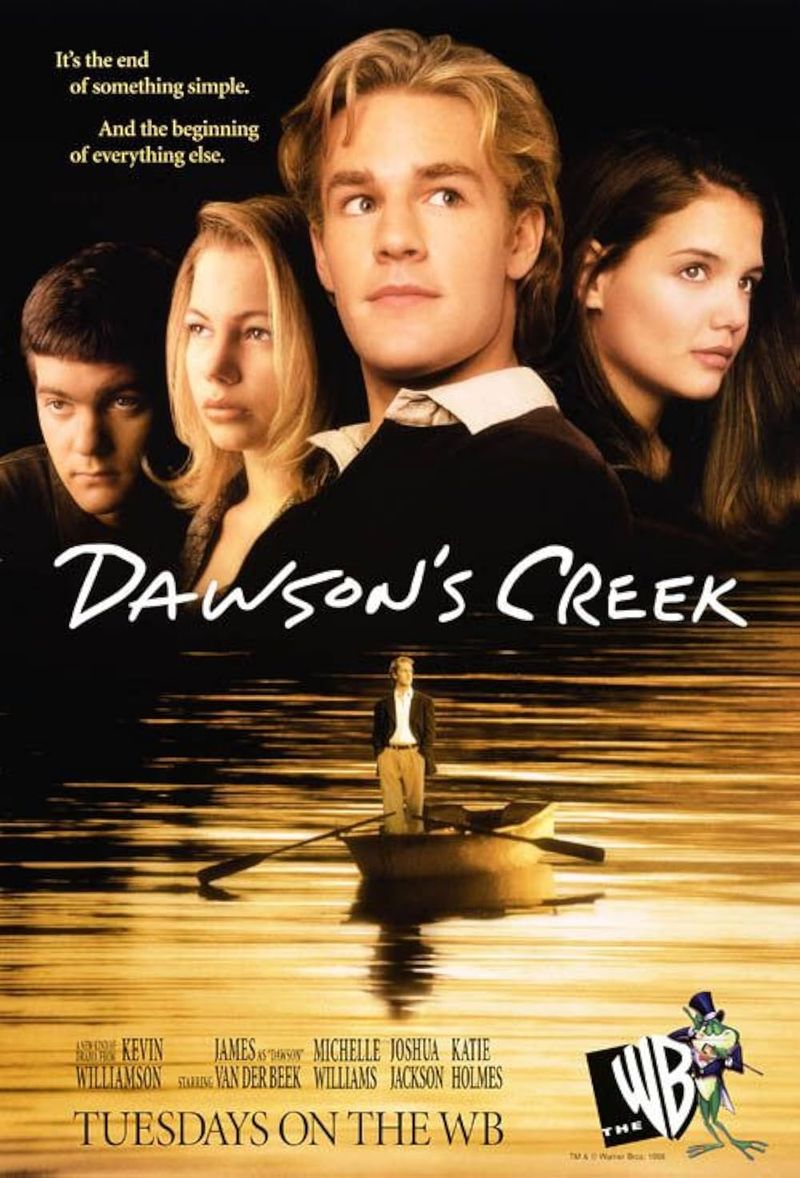
Dawson Leery and his friends spoke like philosophy professors rather than actual teenagers, making the dialogue feel pretentious and unrealistic.
No high schooler has ever naturally discussed existentialism while rowing a boat or referenced classic cinema in casual conversation.
The show’s melodrama reached soap opera levels, with every relationship crisis treated as earth-shattering.
Characters made mountains out of molehills, and simple misunderstandings stretched across multiple episodes.
Despite tackling serious issues, the show’s overwrought approach made it hard to take seriously.
The love triangle between Dawson, Joey, and Pacey dominated so much screen time that other potentially interesting storylines got sidelined.
While it captured teen angst, the execution felt more theatrical than genuine.
5. Married… with Children

Al Bundy’s miserable shoe salesman routine and constant complaints about his family wore thin after a few seasons.
The show pioneered the dysfunctional family sitcom, but its humor relied too heavily on insulting women, mocking marriage, and recycling the same tired jokes.
Peg’s laziness and Al’s bitterness were the show’s entire premise, with little variation or character development over eleven seasons.
The crude humor, while shocking for its time, now feels more lazy than edgy.
Kelly and Bud’s characters were one-dimensional stereotypes that rarely evolved beyond dumb blonde and scheming teenager.
While the show broke sitcom conventions by portraying a less-than-perfect family, it replaced wholesome clichés with cynical ones instead.
6. Beverly Hills, 90210
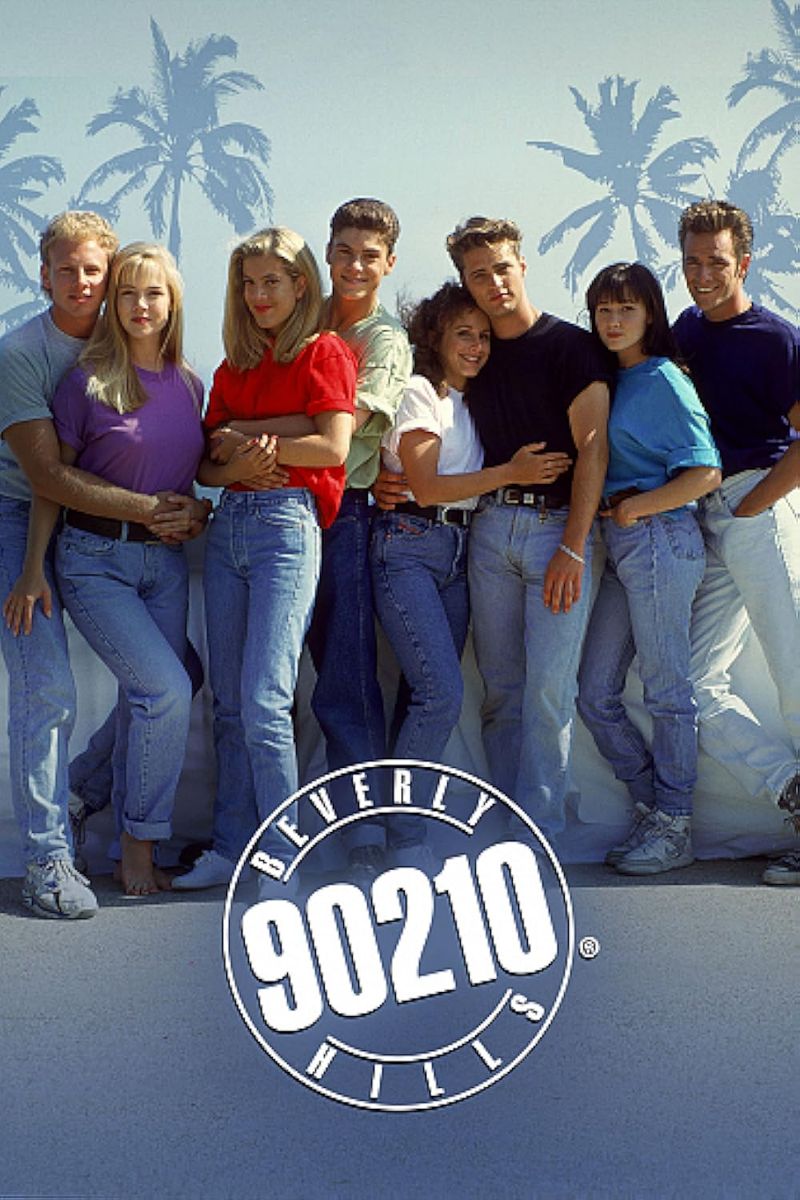
Brandon and Brenda Walsh moved to Beverly Hills and immediately became embroiled in endless drama that often felt manufactured and over-the-top.
The show tackled important issues like addiction and teen pregnancy, but the execution was heavy-handed and preachy.
Characters delivered moral speeches that sounded like after-school specials rather than authentic teenage conversations.
The wealthy setting made it hard for most viewers to relate to problems like which luxury car to drive.
Storylines became increasingly outrageous as seasons progressed, with characters surviving cult involvement, plane crashes, and amnesia.
The show’s popularity stemmed more from attractive cast members than compelling writing, and its influence on teen dramas might be overstated compared to its actual quality.
7. Full House
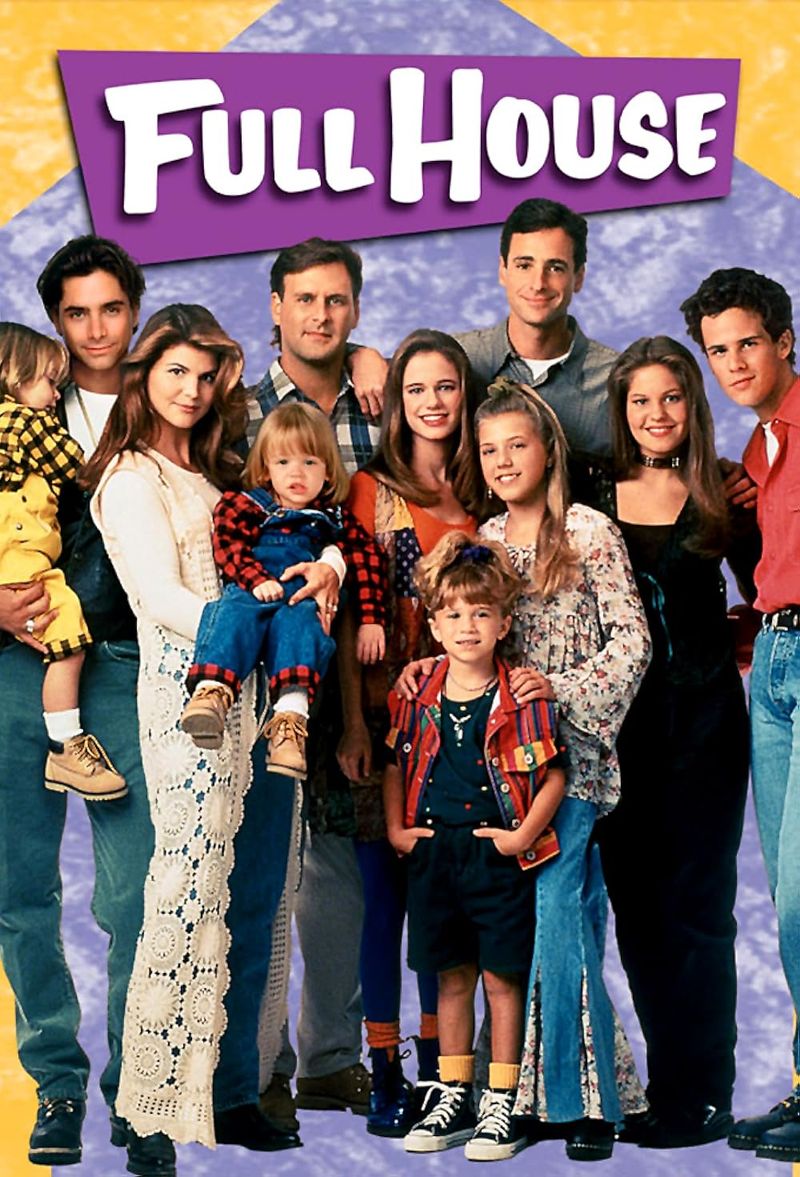
Danny Tanner’s obsessive cleaning and the family’s ability to solve every problem in twenty-two minutes created an unrealistically saccharine world.
Every episode followed the same formula: someone makes a mistake, gets caught, receives a heartfelt talk, and learns a valuable lesson.
The humor relied on catchphrases and slapstick rather than genuine wit, with Uncle Jesse’s vanity and Joey’s impressions growing tiresome quickly.
Michelle’s cuteness became the show’s crutch, with her antics driving plotlines instead of substantial storytelling.
The show’s squeaky-clean image and refusal to acknowledge real family complexity made it feel more like propaganda for perfect families than relatable entertainment.
While comforting, the show’s lack of edge or authenticity makes its massive popularity somewhat puzzling.
8. Home Improvement
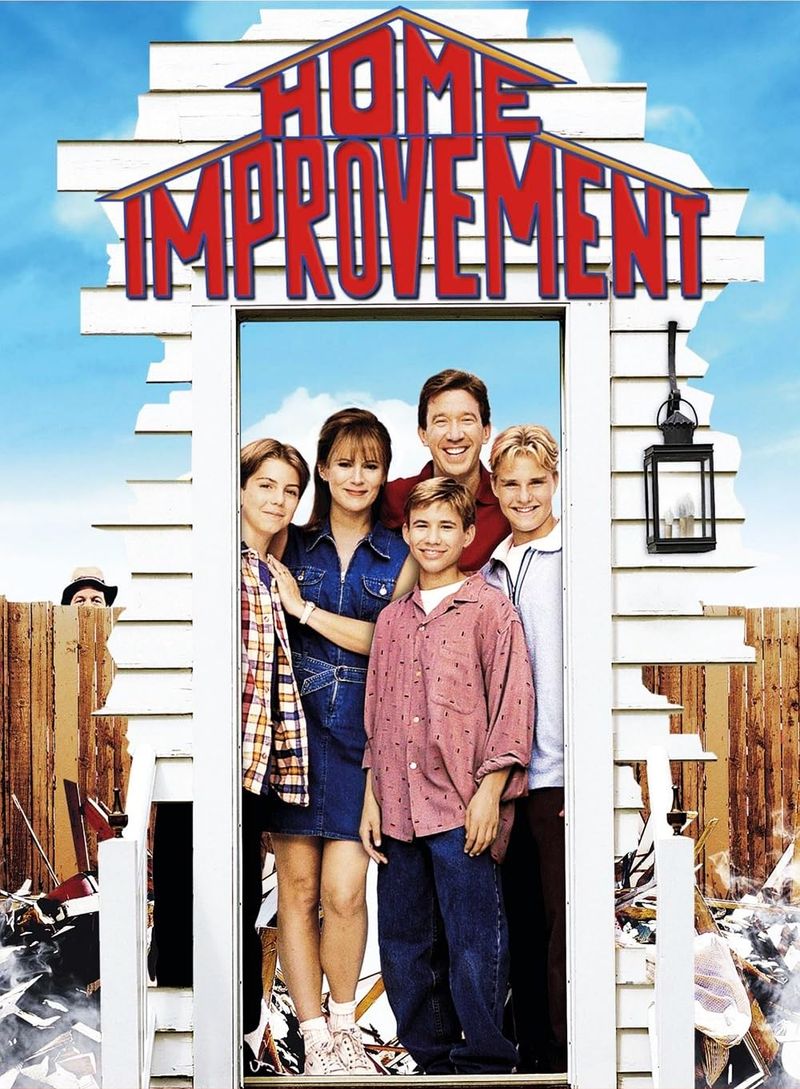
Tim Taylor’s obsession with more power and his constant grunting became a one-note joke that defined the entire series.
The show’s premise of a bumbling dad who never learns from his mistakes got old fast, with Tim making the same errors every episode.
Jill’s role as the sensible wife cleaning up Tim’s messes reinforced tired gender stereotypes rather than challenging them.
The neighbor Wilson’s advice, delivered over the fence while obscuring his face, was the show’s quirky trademark but often felt forced.
While the show addressed family issues, it usually defaulted to simple solutions and predictable outcomes.
The Tool Time segments within the show provided some entertainment, but the family storylines rarely offered anything beyond standard sitcom fare.
9. Melrose Place

This spin-off from Beverly Hills, 90210 took melodrama to new heights with ridiculous plot twists involving amnesia, evil twins, and improbable career successes.
Young professionals lived in a Los Angeles apartment complex where everyone dated everyone else, creating tangled relationship webs.
Characters backstabbed each other constantly, yet somehow remained friends and neighbors.
The show prioritized shock value over coherent storytelling, with writers seemingly competing to create the most outrageous scenarios.
Amanda Woodward became the show’s breakout villain, but her schemes grew so elaborate they strained credibility.
While entertaining in a guilty pleasure way, the show’s reputation as essential ’90s television seems inflated given its soap opera excesses and paper-thin character development throughout its seven-season run.
10. Mad About You

Paul and Jamie Buchman’s marriage provided the show’s entire foundation, but watching a couple bicker about mundane domestic issues quickly lost its charm.
The show attempted to find humor in everyday married life, yet most conflicts felt manufactured and trivial.
Supporting characters like Ira and Fran offered comic relief, but the show always circled back to Paul and Jamie’s relationship minutiae.
The documentary-style interviews and flash-forwards were innovative touches, but they couldn’t mask the show’s limited scope.
While Helen Hunt and Paul Reiser had chemistry, the show’s narrow focus on one couple’s marriage made it feel repetitive.
Its seven-season run and multiple Emmy wins suggest critical acclaim that modern viewers might find puzzling given its modest ambitions and forgettable storylines.
11. ER
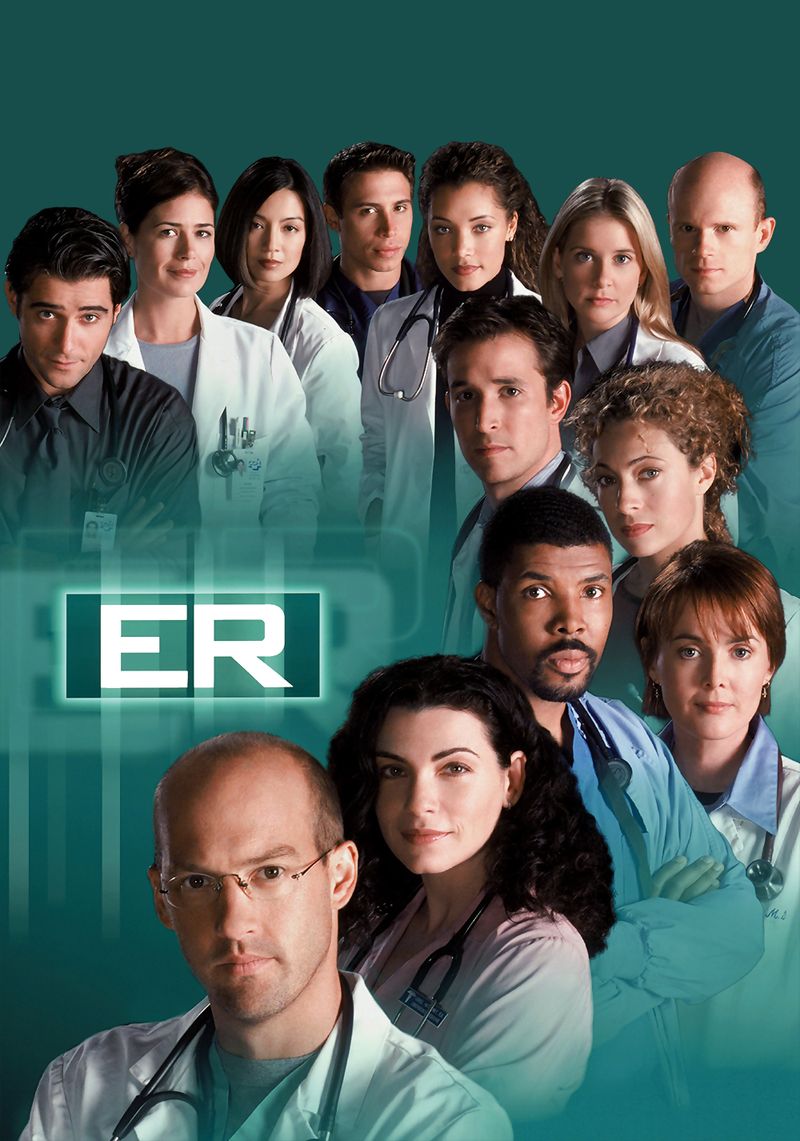
County General’s emergency room delivered non-stop medical crises and personal drama, but the show’s breakneck pace often sacrificed character depth for shock value.
Doctors and nurses faced an unrealistic number of tragedies, from helicopter crashes to stabbings, making everyday hospital work seem impossibly dramatic.
The shaky camera work and rapid-fire medical jargon created an intense atmosphere but sometimes felt more like style over substance.
Characters cycled through traumatic experiences so frequently that emotional moments lost their impact.
While George Clooney’s Doug Ross became a heartthrob, many storylines prioritized melodrama over medical accuracy.
The show’s fifteen-season run meant quality varied wildly, with later seasons particularly criticized for recycling plots and losing the grounded realism that initially set it apart.
12. Party of Five
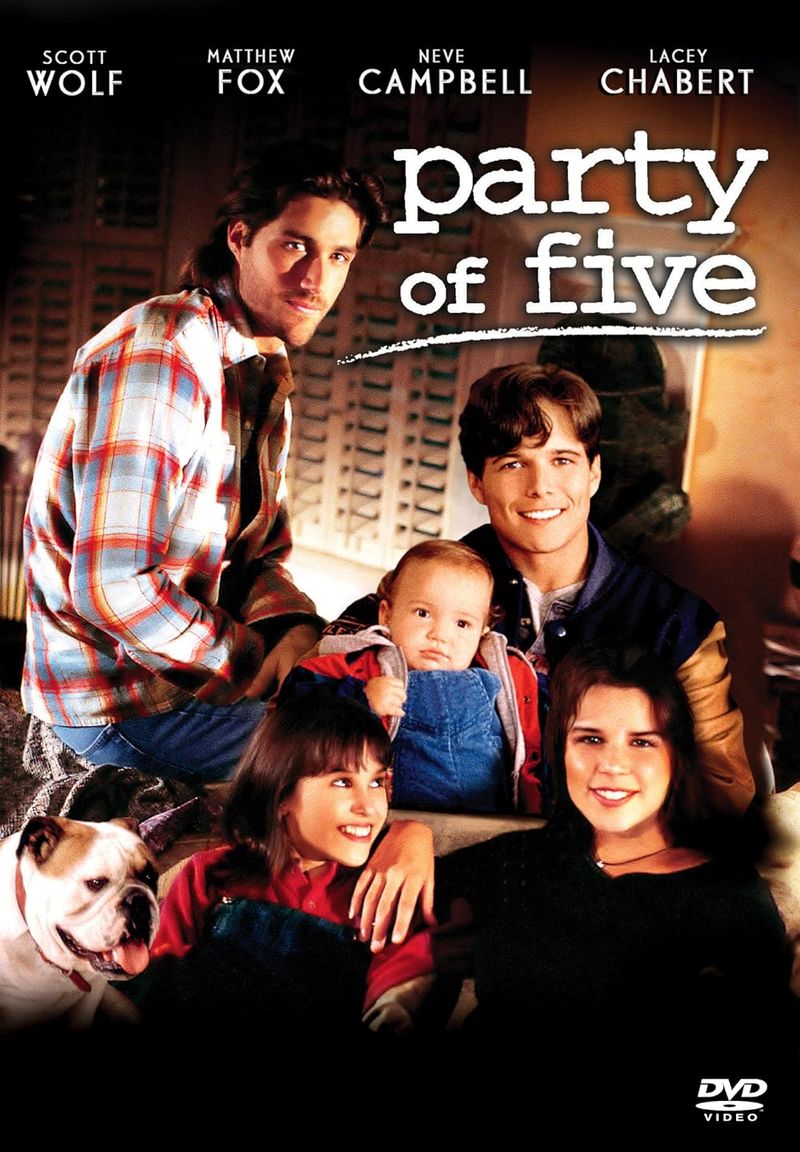
The Salinger siblings navigated life after their parents died in a car accident, but the show’s relentless sadness became exhausting to watch.
Charlie, Bailey, Julia, Claudia, and baby Owen faced an endless parade of hardships that made viewers wonder if anything good ever happened to this family.
Every character dealt with addiction, relationship disasters, or career failures, often simultaneously.
The show’s commitment to heavy drama meant lighter moments felt out of place or quickly overshadowed by the next crisis.
While the cast delivered solid performances, the writing sometimes confused misery with depth.
The show’s critical praise and devoted fanbase suggest it resonated with many, but its unrelenting grimness and tendency toward melodrama make its reputation as essential ’90s viewing somewhat questionable.
Comments
Loading…