
 Mary Murphy
13 On-Screen Romances That Normalize Emotional Unavailability
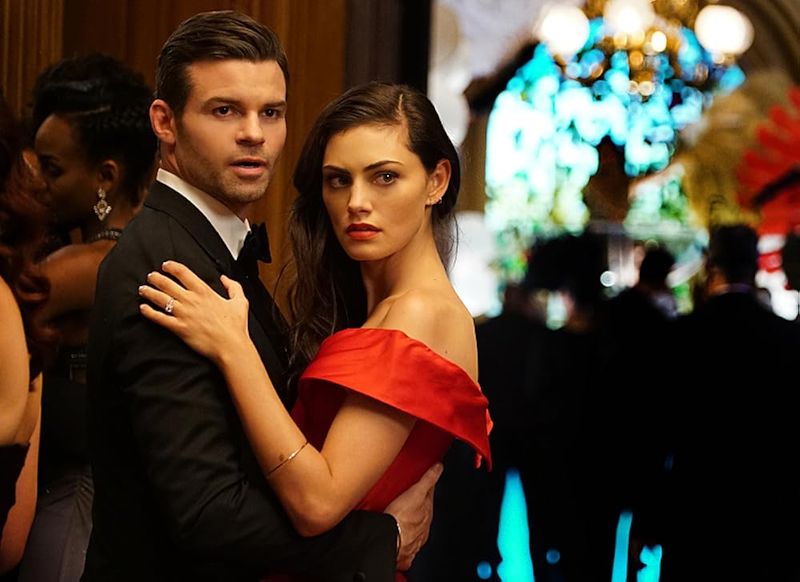
Television shows have a powerful influence on how we view relationships. Many popular TV couples are celebrated as romantic ideals, but they often display unhealthy patterns like emotional unavailability, manipulation, and inconsistency.
These on-screen romances make it seem normal to chase after someone who cannot fully commit or communicate their feelings, teaching viewers that love means waiting for someone to finally be ready. Understanding these patterns helps us recognize what healthy relationships should actually look like.
1. Ross & Rachel — Friends
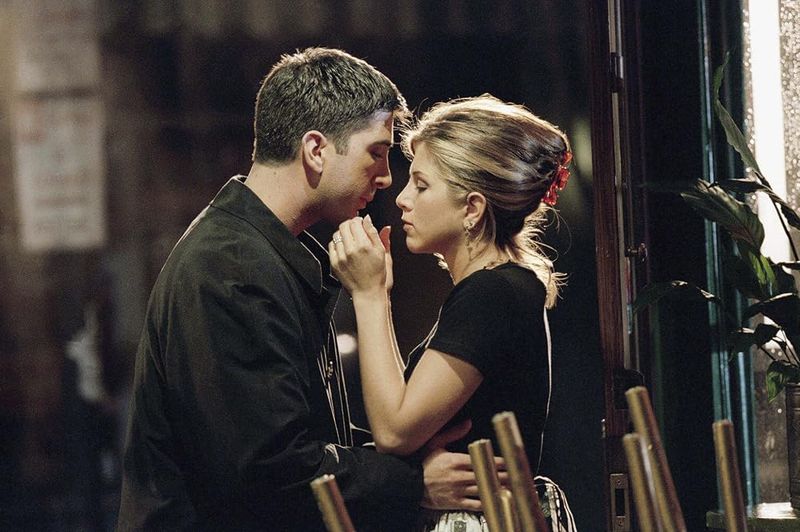
Their decade-long will-they-won’t-they saga became legendary, but it masked serious communication problems.
Ross constantly struggled with jealousy and possessiveness, while Rachel often seemed unsure about what she truly wanted from their relationship.
They broke up and got back together so many times that viewers lost count.
The famous “we were on a break” debate highlighted how neither could properly discuss their feelings or boundaries.
Their inability to have honest conversations about commitment kept them in a toxic cycle.
Even when they finally ended up together, the journey there normalized chasing someone emotionally unavailable for years.
2. Carrie & Mr. Big — Sex and the City
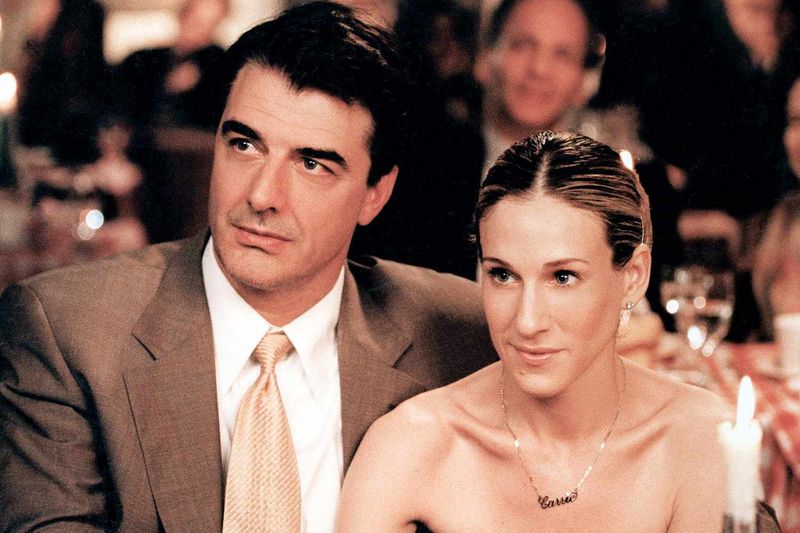
Big spent six seasons running hot and cold, leaving Carrie constantly guessing where she stood.
He would disappear for weeks, refuse to call her his girlfriend, and cancel plans last minute.
Carrie kept returning despite being hurt repeatedly, convinced he would eventually change.
Big’s emotional unavailability was legendary—he even left her at the altar in the first movie.
Yet the show framed their relationship as the ultimate love story.
Carrie sacrificed her own emotional needs, waiting endlessly for Big to be ready.
This taught viewers that true love means accepting breadcrumbs and hoping for more someday.
3. Blair & Chuck — Gossip Girl
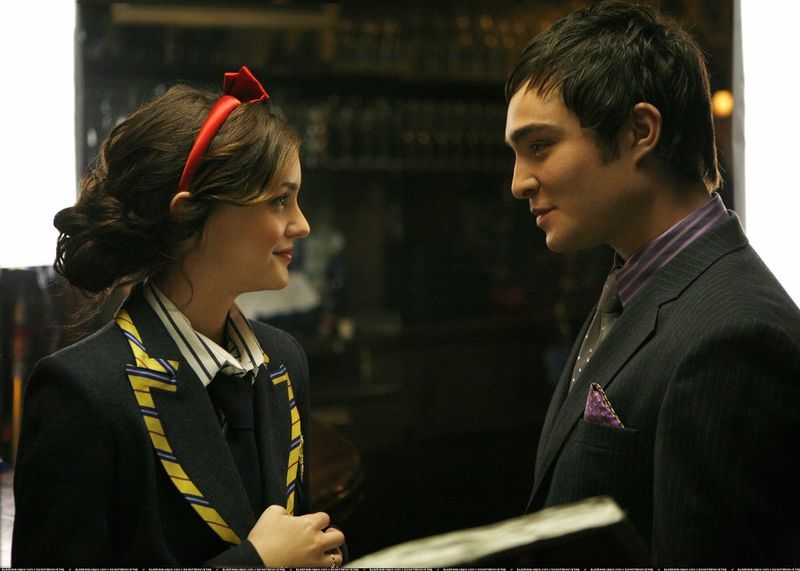
These two built their entire relationship on manipulation, schemes, and emotional games.
Chuck traded Blair for a hotel in one particularly disturbing storyline, showing how little he valued their connection.
He struggled with expressing genuine emotion and often resorted to controlling behavior.
Blair constantly made excuses for his actions, believing she could fix him through her love.
Their relationship normalized the idea that toxic behavior is acceptable if someone claims to love you.
The show portrayed their dysfunction as passionate romance rather than recognizing the emotional abuse patterns.
Fans shipped them despite clear red flags throughout all six seasons.
4. Caroline & Klaus — The Vampire Diaries
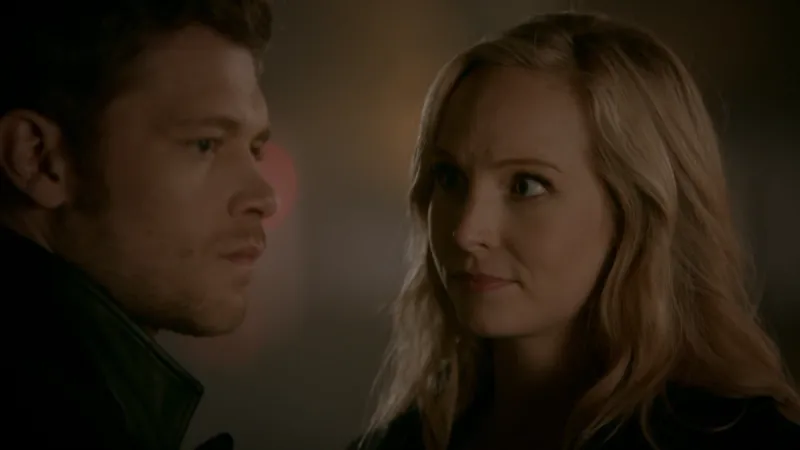
Klaus literally killed Caroline’s friends and terrorized her loved ones, yet their connection was romanticized.
He showed occasional kindness, giving her gifts and compliments, which made Caroline question her justified anger toward him.
This classic manipulation tactic kept her emotionally confused.
Klaus was incapable of true emotional vulnerability due to centuries of trauma and violence.
Caroline found herself drawn to the challenge of reaching his humanity.
The show framed this as romantic tension rather than recognizing the danger of being attracted to someone emotionally unavailable and violent.
Fans loved their chemistry despite the obvious toxicity.
5. Eve & Villanelle — Killing Eve
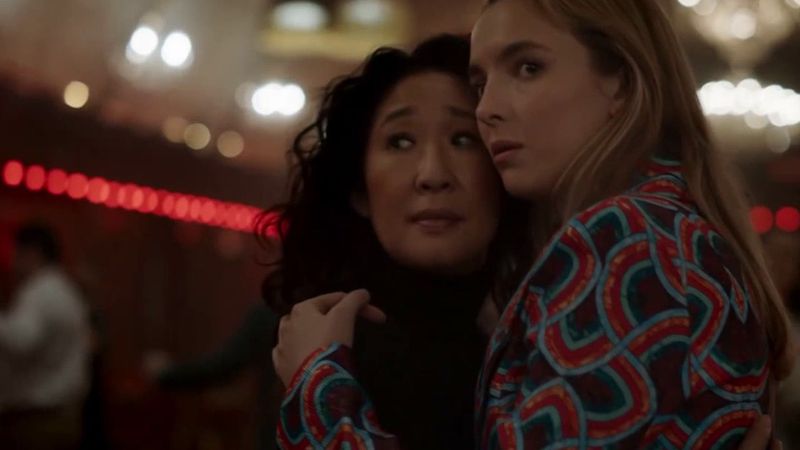
Obsession masqueraded as love in this twisted cat-and-mouse dynamic between spy and assassin.
Villanelle’s psychopathic tendencies made genuine emotional connection impossible, yet Eve remained dangerously fascinated.
Their relationship consisted of manipulation, violence, and psychological games rather than real intimacy.
Eve abandoned her entire life, including her marriage and career, pursuing someone fundamentally incapable of healthy attachment.
Villanelle could mimic emotions but never truly feel them deeply.
The show’s portrayal made their dangerous obsession seem thrilling and romantic.
Viewers rooted for them despite knowing a healthy relationship between them was impossible from the start.
6. Sawyer & Kate — Lost

Stranded on a mysterious island, Kate bounced between Sawyer and Jack for six seasons, never fully committing to either.
Sawyer used sarcasm and anger to avoid genuine vulnerability, keeping Kate at arm’s length emotionally.
When she got close, he would push her away with cruel comments or self-sabotaging behavior.
Kate seemed drawn to his emotional unavailability, perhaps because it meant she didn’t have to fully commit either.
The show normalized this pattern of using someone for comfort while keeping your options open, teaching viewers that triangles are romantic rather than hurtful.
7. Fleabag & Priest — Fleabag
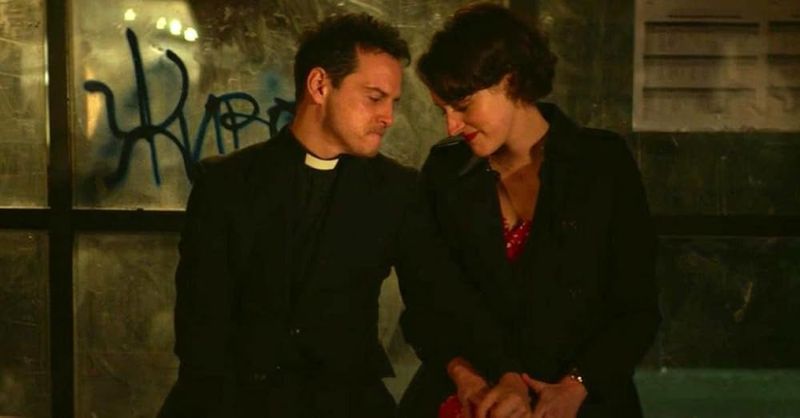
Their connection felt electric and real, but his commitment to the priesthood made a future together impossible.
He genuinely cared for Fleabag but couldn’t fully give himself to the relationship due to his vows.
She fell hard for someone who explicitly told her he couldn’t be available.
The show portrayed this as beautifully tragic rather than recognizing the pain of loving someone emotionally and physically unavailable.
Fleabag accepted breadcrumbs of affection knowing it would never be enough.
Their heartbreaking goodbye became iconic, teaching viewers that sometimes love means accepting you can’t be together—normalizing settling for less than full commitment and availability.
8. Elijah & Hayley — The Originals
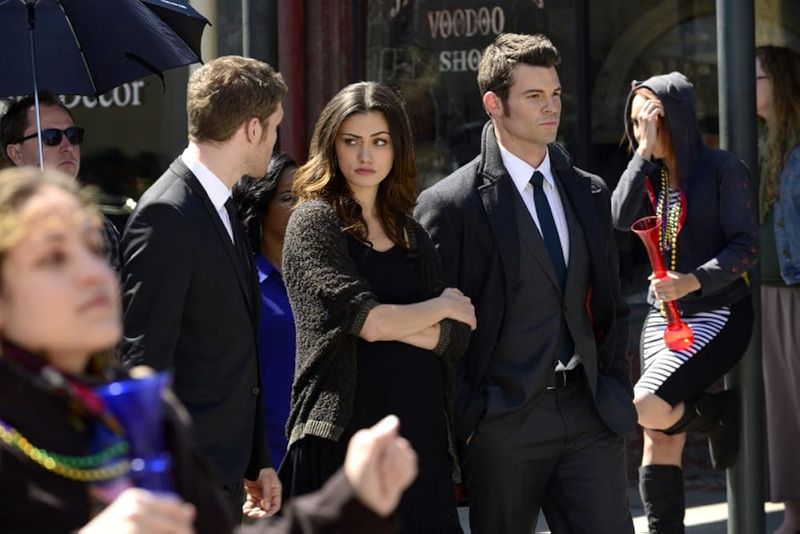
Elijah’s loyalty to his brother Klaus constantly took priority over his feelings for Hayley.
He would get close to her emotionally, then pull away whenever family drama demanded his attention.
Hayley spent years waiting for him to finally choose her over his complicated family obligations.
His noble exterior masked an inability to prioritize romantic relationships or his own happiness.
Hayley accepted being second place, convincing herself his occasional moments of affection were enough.
The show framed his devotion to family as honorable rather than recognizing how it prevented genuine romantic commitment.
Their story taught viewers that waiting indefinitely for someone shows true love.
9. Maddy & Nate — Euphoria

Nate’s violent outbursts and controlling behavior defined their relationship from the beginning.
He physically assaulted Maddy multiple times, yet she kept returning, believing his apologies and promises to change.
His emotional unavailability stemmed from deep psychological issues and toxic masculinity.
Maddy mistook his possessiveness for love, not recognizing the abuse patterns.
The show did portray their relationship as toxic, but many viewers still romanticized their intense connection.
Their dynamic normalized the cycle of abuse where someone hurts you, apologizes, and temporarily improves before repeating the pattern.
Young viewers saw their passion without fully grasping the danger of emotional unavailability mixed with violence.
10. Lucas & Peyton — One Tree Hill
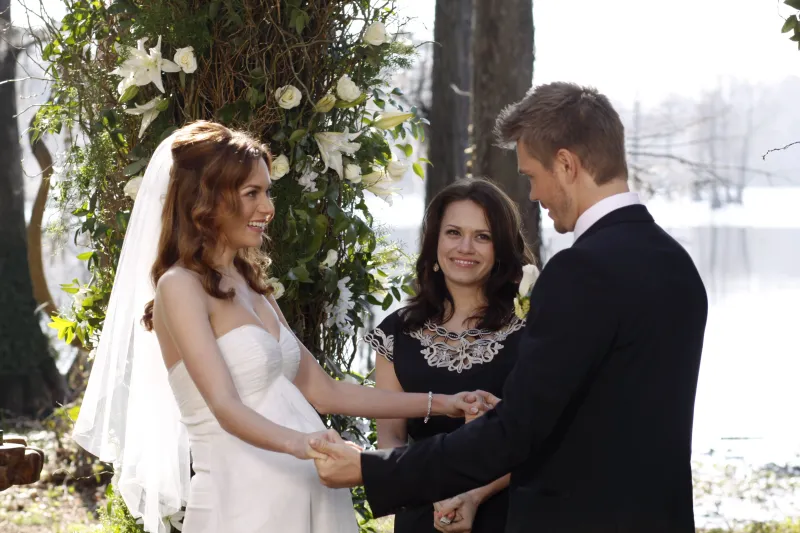
Lucas spent years claiming to love Peyton while dating other people, including her best friend.
He would confess his feelings, then immediately pursue someone else, leaving Peyton emotionally confused.
She waited through multiple relationships, always hoping he would finally commit to her fully.
His pattern of emotional unavailability hurt everyone involved, creating messy love triangles throughout high school and beyond.
Peyton accepted being his backup plan whenever his other relationships failed.
The show eventually gave them a happy ending, teaching viewers that waiting for someone indecisive pays off.
This normalized accepting inconsistent behavior as long as someone eventually chooses you after exhausting other options.
11. Owen & Cristina — Grey’s Anatomy
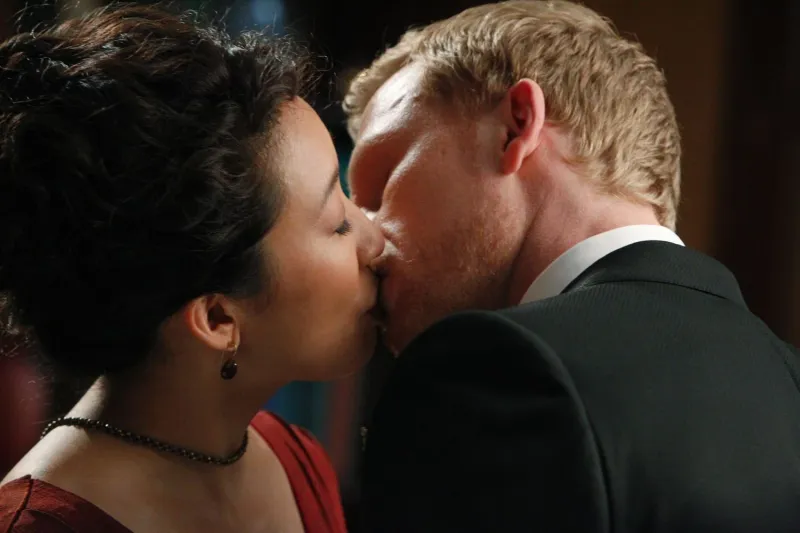
Owen’s untreated PTSD and desperate desire for children created fundamental incompatibility with Cristina.
He claimed to accept her choice not to have kids, then repeatedly resented her for it.
His emotional unavailability stemmed from trauma he refused to properly address through consistent therapy.
Cristina tried to change herself to make him happy, even getting pregnant despite not wanting children.
Owen’s inability to love her as she was, rather than who he wanted her to be, poisoned their marriage.
The show portrayed their passion as worth the pain, normalizing staying with someone who fundamentally doesn’t accept your life choices and emotionally punishes you for them.
12. Archie & Veronica — Riverdale
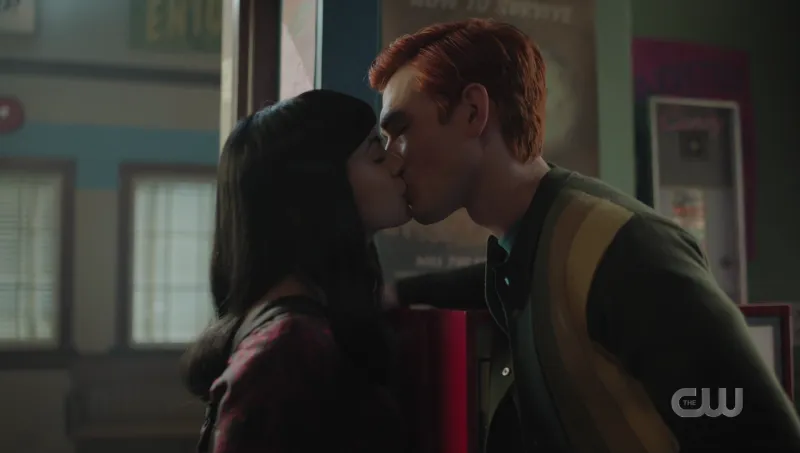
Their relationship consisted of constant breakups, makeups, and dramatic declarations that meant nothing by the next episode.
Archie remained emotionally unavailable, still processing feelings for his childhood friend Betty.
Veronica dealt with family trauma that prevented her from fully trusting anyone.
Neither could communicate effectively, instead having the same circular arguments repeatedly.
They would break up dramatically, hook up with other people, then reunite without addressing underlying issues.
The show normalized this exhausting pattern as normal teenage romance rather than recognizing the emotional unavailability on both sides.
Viewers learned that volatile, inconsistent relationships equal passion and excitement rather than instability and hurt.
13. Finn & Rachel — Glee
Finn constantly struggled with commitment, breaking up with Rachel whenever things got difficult or someone else caught his attention.
Rachel obsessed over him despite his inconsistent behavior, convinced they were destined for each other.
He would choose her, then immediately question that choice when challenges arose.
His emotional immaturity meant he couldn’t handle Rachel’s ambition or intensity for long periods.
She diminished herself repeatedly trying to make him comfortable enough to stay.
The show portrayed their on-again, off-again dynamic as romantic fate rather than recognizing Finn’s emotional unavailability.
Young viewers learned that chasing someone who keeps leaving shows dedication rather than desperation and poor boundaries.
Comments
Loading…