
 Jade Reed
10 TV Shows with Surprisingly Realistic Marriages (and the Red Flags They Get Right)

TV marriages usually swing between perfect fairy tales and chaotic trainwrecks that exist mainly for laughs.
The most satisfying couples fall in the middle, where love is real but so are bills, resentments, and awkward conversations that don’t wrap up in five minutes.
In these shows, partners mess up, repair, relapse into old habits, and still choose each other in ways that feel recognizably human.
What makes them “surprisingly realistic” isn’t constant harmony, but the way conflict shows up in everyday patterns instead of dramatic plot twists.
Even better, each series captures red flags that many people ignore until they become the default dynamic.
Think quiet scorekeeping, flimsy boundaries, unequal labor, emotional shutdowns, or “jokes” that actually land like insults.
If you’ve ever watched a scene and thought, “Wait, that’s… uncomfortably familiar,” this list is for you.
Here are ten TV marriages that get the hard parts right, along with the warning signs they portray better than most couples on screen.
1. Friday Night Lights — Eric & Tami Taylor

Rather than leaning on melodrama, this marriage feels grounded in partnership, mutual respect, and the kind of stress that never fully leaves.
Eric and Tami argue like real adults who want the same life but keep getting pulled by work, community pressure, and family responsibilities.
One realistic red flag is how easily a demanding job becomes the third spouse, especially when one person’s calling regularly dictates the household schedule.
Another warning sign appears when they default to “I’m fine” communication, using competence as a shield instead of naming what hurts.
The show also nails how emotional labor can become invisible, with one partner quietly tracking needs, moods, and logistics until resentment starts simmering.
What makes them compelling is that repair is normal, not humiliating, and they return to the table even after sharp moments.
You walk away reminded that love is not the absence of conflict, but the habit of coming back to each other with honesty.
2. Parenthood — Adam & Kristina Braverman (and other couples)
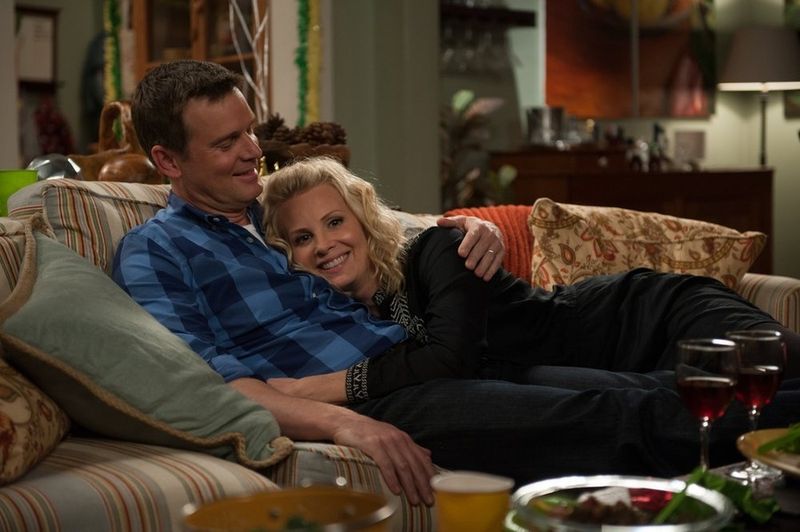
Family life in this series is messy in the exact way real marriage feels when parenting, health scares, and work deadlines collide.
Adam and Kristina often show devotion that is practical, not performative, and that realism makes their tension hit harder.
A key red flag is caretaker burnout, where one partner gives so much that sacrifice becomes identity and anger starts leaking out sideways.
The show also captures decision-making imbalance, because “default leader” status can form without anyone officially agreeing to it.
Another recurring warning sign involves family-of-origin interference, when relatives blur boundaries and the couple struggles to present a united front.
What stands out is how stress changes people, and how spouses can accidentally start treating each other like employees instead of teammates.
By focusing on small, repeated patterns rather than one big betrayal, the series highlights how marriages drift when support becomes assumed rather than expressed.
3. The Americans — Philip & Elizabeth Jennings

Even with spies and danger as the backdrop, the core relationship conflict is surprisingly relatable once you ignore the wigs and coded messages.
Philip and Elizabeth navigate intimacy with the constant friction of secrecy, identity shifts, and trust that never feels fully settled.
A major red flag the show gets right is chronic concealment, because hiding big truths eventually makes everyday honesty feel optional too.
Power struggles also surface in the form of duty and control, where one partner frames their choices as “necessary” while the other quietly absorbs the cost.
Another warning sign is using affection as leverage, turning closeness into a tool instead of a shared refuge.
The realism comes from how love and loyalty can coexist with fear, manipulation, and emotional isolation.
Watching them, you’re reminded that trust is not a vague feeling, but a daily practice, and the minute secrecy becomes normal, safety starts disappearing.
4. This Is Us — Randall & Beth (also Jack & Rebecca)

A lot of couples on TV feel fake because they argue in speeches, but this series lets marriage look like a long conversation interrupted by life.
Randall and Beth are a standout because they genuinely like each other, yet still clash over ambition, anxiety, parenting, and emotional bandwidth.
One red flag is when one partner’s anxiety starts steering the entire household, turning “being responsible” into controlling the climate of the relationship.
Another warning sign is unspoken resentment, especially when career compromises and family duties are treated as inevitable rather than negotiated.
The show also portrays conflict avoidance, where love becomes a reason to swallow feelings until they come out louder later.
What makes their dynamic feel real is that connection requires maintenance, not just chemistry, and they sometimes forget that under pressure.
It’s a strong reminder that even healthy marriages need regular check-ins, because silence can be just as damaging as shouting when it becomes the default.
5. The Middle — Mike & Frankie Heck
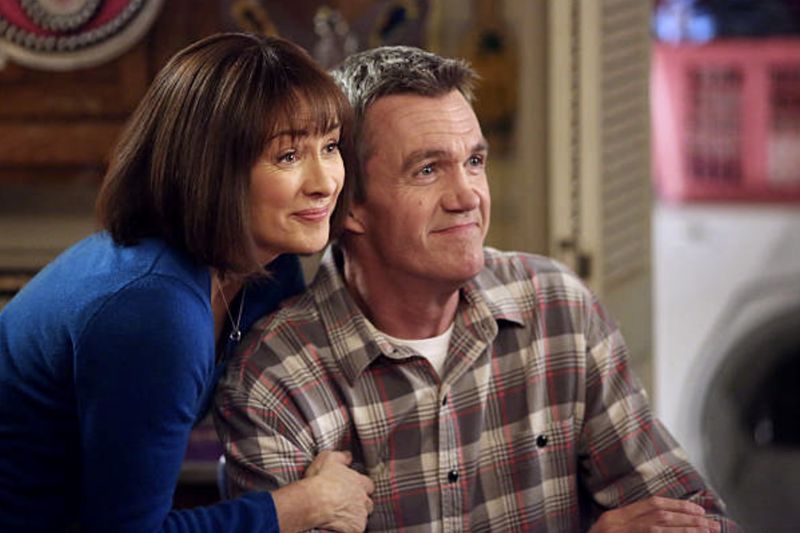
This marriage resonates because it captures the phase where you’re not trying to be cute anymore, you’re just trying to get through Tuesday.
Mike and Frankie love each other, but the show is honest about how exhaustion can make affection feel like an extra chore.
A realistic red flag is the “roommate marriage” vibe, where logistics run smoothly but emotional closeness gets postponed indefinitely.
Unequal household labor also shows up as a quiet stressor, especially when one partner absorbs the mental checklist and the other assumes it will happen somehow.
Another warning sign is dismissive communication, where short replies and habitual tuning-out become normal coping mechanisms.
The humor works because it doesn’t deny the friction, and it shows how couples can drift without any dramatic villain.
In a strangely comforting way, the series suggests that resilience often looks boring, but it still needs intentional connection to keep the relationship from turning purely transactional.
6. Roseanne (original run) — Dan & Roseanne Conner
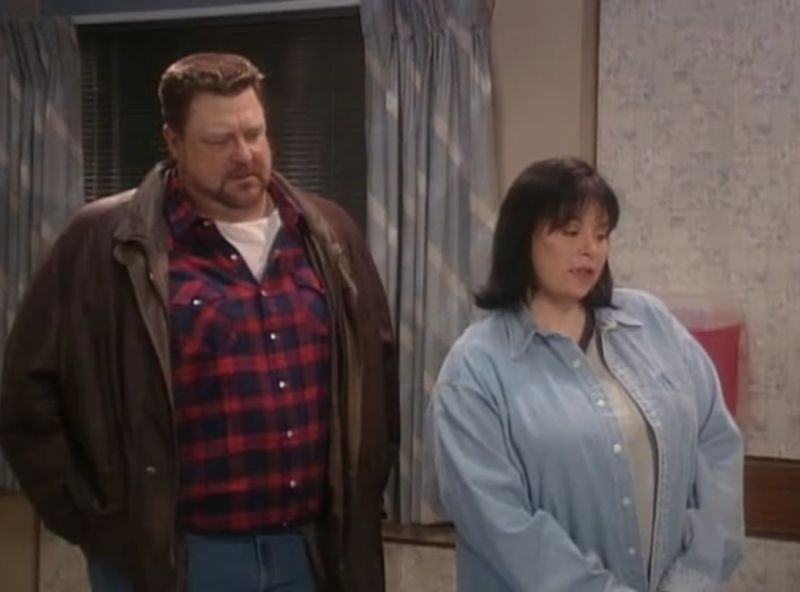
Working-class stress is portrayed here with a bluntness that makes the marriage feel lived-in rather than scripted.
Dan and Roseanne fight, tease, and reconcile in ways that reflect how money pressure can shrink patience and amplify every minor irritation.
A big red flag is financial strain turning into constant tension, because chronic scarcity can make partners treat each other like obstacles instead of allies.
Another warning sign is harsh joking that crosses the line, where humor becomes a socially acceptable way to deliver contempt.
The show also highlights how emotional safety can erode when sarcasm replaces vulnerability, even if both people insist they’re “just kidding.”
What keeps it realistic is the presence of repair, including apologies and small acts of care that matter more than grand romantic gestures.
It’s a reminder that love can survive tough seasons, but only when respect is protected, especially when life is already doing enough damage on its own.
7. Everybody Loves Raymond — Ray & Debra Barone
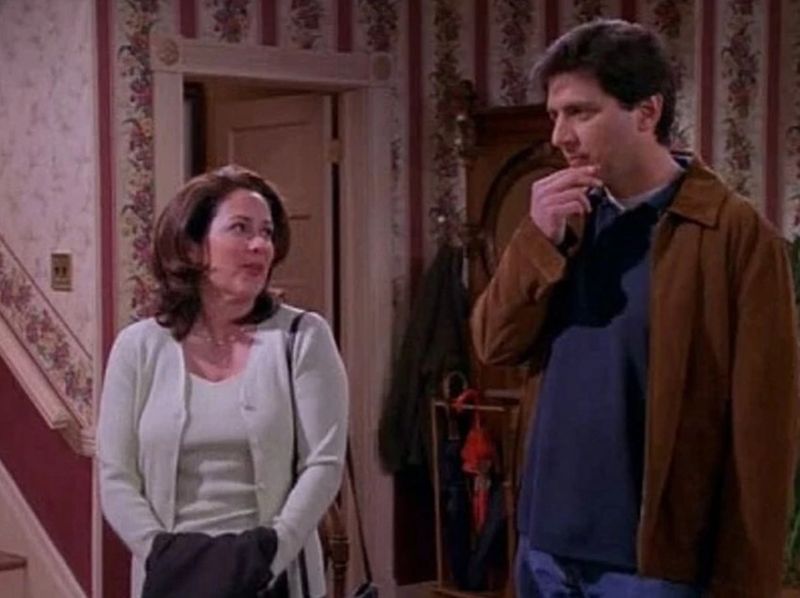
A lot of sitcom marriages feel silly, but this one hits because the problems are so ordinary you can practically hear them in real kitchens.
Ray and Debra show how small disagreements about chores, parenting, and priorities can become emotional landmines when they repeat for years.
One red flag the show nails is in-law boundary failure, especially when a spouse won’t fully defend the marriage against family interference.
Another warning sign is weaponized incompetence, where playing clueless shifts labor onto the more responsible partner and quietly breeds resentment.
The dynamic also includes defensiveness, because jokes and avoidance become shields against accountability.
What’s realistic is that neither partner is purely right, and the loop continues until someone changes the pattern instead of winning the argument.
If you watch closely, it becomes a cautionary tale about how resentment isn’t created by one huge event, but by thousands of tiny moments where support was needed and not given.
8. King of Queens — Doug & Carrie Heffernan
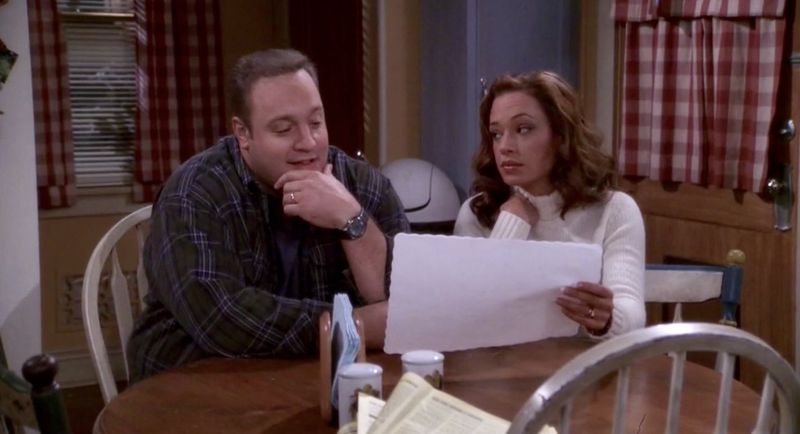
The marriage works on screen because it acknowledges that love does not magically fix immaturity, bad habits, or the temptation to be selfish.
Doug and Carrie often feel like two people who care deeply but handle stress with sarcasm, avoidance, and impulsive choices that make life harder.
A key red flag is scorekeeping, where each partner keeps receipts and treats kindness like currency instead of connection.
Another warning sign shows up in petty lies, because small deceptions used to dodge conflict tend to multiply and eventually erode trust.
The show also portrays respect erosion through constant digs, which can turn playful banter into a steady stream of contempt.
What makes it realistic is that the fights are rarely about the surface issue, and more about feeling unheard, unappreciated, or cornered.
It’s a useful reminder that if laughter becomes the only language in the relationship, serious needs can go unmet for a long time.
9. Modern Family — Claire & Phil Dunphy (also Cam & Mitch)
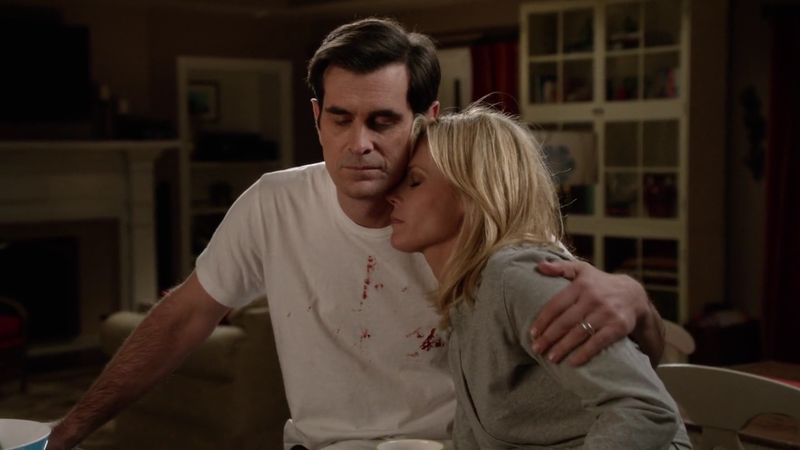
Instead of presenting a single “right” way to be married, the series shows how personality differences can be charming until they become stress triggers.
Claire and Phil feel realistic because they share loyalty and affection, yet constantly negotiate responsibility, fun, and who carries the weight when life gets chaotic.
A red flag the show captures well is competence imbalance, where one partner becomes the manager while the other gets labeled the lovable helper.
Another warning sign is being talked over or not taken seriously, especially when humor is used to soften dismissiveness rather than address it.
The series also highlights avoidance, because staying busy and making jokes can replace hard conversations that need to happen.
Even the sweeter moments underline that fairness isn’t only about chores, but about emotional validation and shared decision-making.
Watching them makes it clear that the “fun spouse” and the “responsible spouse” dynamic can work, but only when both people respect each other’s labor and actively trade roles instead of getting stuck.
10. Bob’s Burgers — Bob & Linda Belcher

This couple feels refreshingly real because they genuinely enjoy each other, even when their business is failing and their kids are chaos with legs.
Bob and Linda show a version of marriage where affection survives stress, and that alone is surprisingly rare on television.
A red flag the show gets right is chronic stress making people snappier than they intend, which can normalize irritability as a personality trait.
Another warning sign is blurred boundaries, because being spouses, co-parents, and business partners can make it hard to know when you’re talking as a teammate versus a critic.
The series also hints at overfunctioning, where one partner carries the emotional tone for everyone and becomes exhausted without admitting it.
What keeps the relationship healthy is that they repair quickly, offer reassurance, and still choose kindness in small moments.
It’s a reminder that realistic marriages aren’t perfect, but they are safe, and safety is built through everyday loyalty, not dramatic declarations.
Comments
Loading…