
 Mila Ross
Money stories are everywhere, but the most interesting ones often start as “just a side project.”
In a world where fame can fade fast, these celebrities built businesses that keep earning long after the red carpet is rolled up.
Some launched brands to fix a problem they personally faced, while others spotted a gap in the market and moved quickly.
What they share is a smart mix of timing, clear positioning, and an ability to turn attention into lasting customer loyalty.
These empires didn’t grow because of a famous name alone, because plenty of celebrity products disappear after a single hype cycle.
They grew because the product idea was strong enough to stand on its own, even when the spotlight shifted elsewhere.
Here are seven celebrity side hustles that started small and ended up changing the business game.
1. Rihanna — Fenty Beauty (and Fenty Skin)
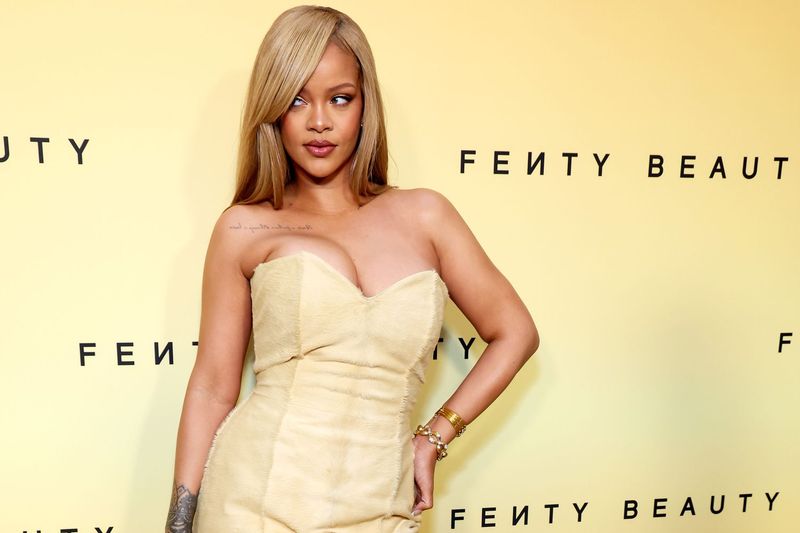
Few modern beauty launches shook up the industry as quickly as this one did, because it arrived with a clear promise and delivered on it.
Fenty Beauty debuted with a foundation range that made shade inclusivity a central feature instead of an afterthought, and shoppers noticed immediately.
The brand didn’t rely on celebrity hype alone, because the formulas, packaging, and marketing all reinforced a premium, “for everyone” identity.
As demand surged, the business scaled into new categories, proving that the concept wasn’t a one-product wonder built around a viral moment.
Expansion into complexion products, lip launches, and later skincare helped turn the original side hustle idea into a full ecosystem.
By linking product development to real consumer frustration, the company built loyalty that outlasts trends.
The result is an empire that changed expectations for what mainstream beauty brands must offer.
2. Jessica Alba — The Honest Company
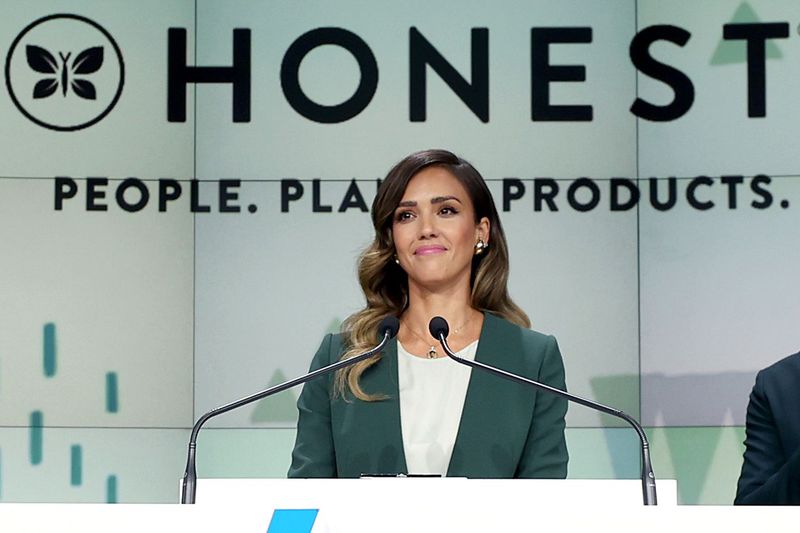
Long before “clean” became a default buzzword, this venture tapped into a growing desire for safer everyday essentials.
The Honest Company grew out of a personal mission to find gentler products for home and family, and that authenticity became a powerful marketing engine.
Instead of chasing flashy releases, the brand focused on repeat-purchase categories like diapers, wipes, personal care, and household basics.
That strategy matters because empires are built on reliability, not one-time novelty buys that sit in a drawer.
Smart branding made the products feel approachable and lifestyle-forward, which helped them stand out on crowded shelves and online listings.
Over time, the company expanded its reach while keeping the core promise centered on transparency and ingredient-conscious choices.
What began as a practical side hustle evolved into a major consumer brand with real staying power.
3. George Clooney — Casamigos Tequila
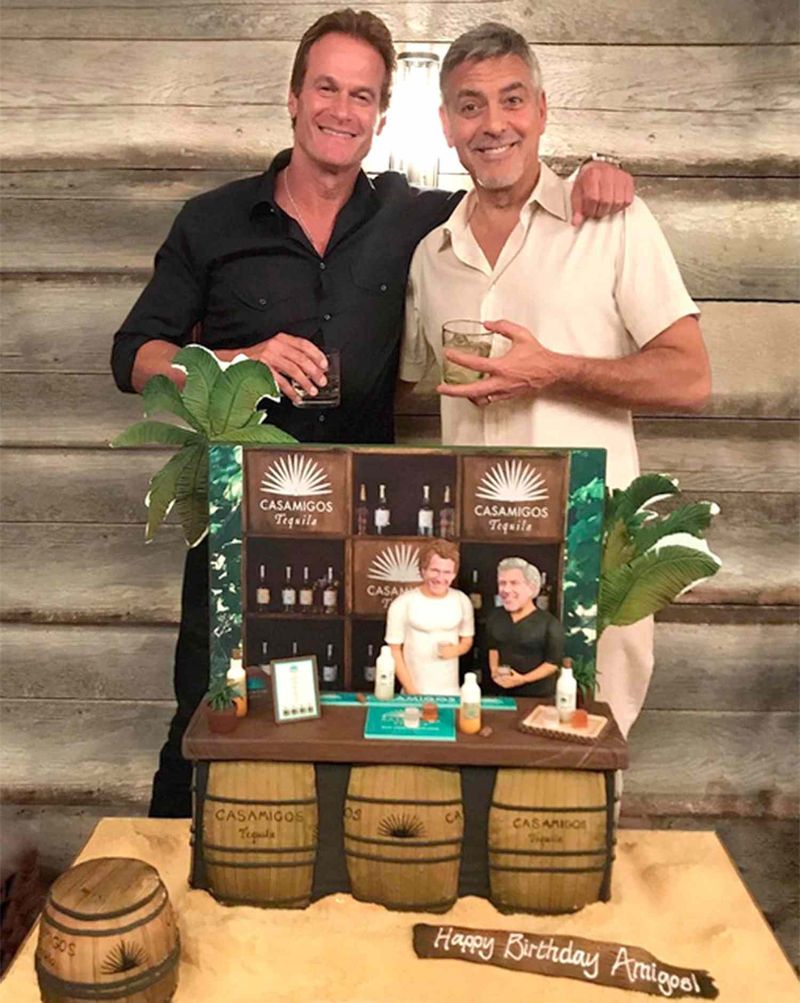
A casual idea among friends can turn serious when the product is good enough that people start asking to buy it.
Casamigos reportedly began as a tequila made for Clooney’s personal circle, but the smooth profile and easygoing branding caught on fast.
Rather than positioning it as a celebrity novelty, the brand leaned into a relaxed, premium vibe that matched how consumers actually drink tequila.
Distribution growth did the rest, because availability turns curiosity into routine purchases and repeat customers.
As the label expanded, the business proved it could compete in a crowded spirits market where loyalty is difficult to win.
The biggest lesson is that “fun projects” can scale when there’s a clear identity and consistent quality control.
What started as an off-duty side hustle became a global tequila powerhouse.
4. Kim Kardashian — SKIMS
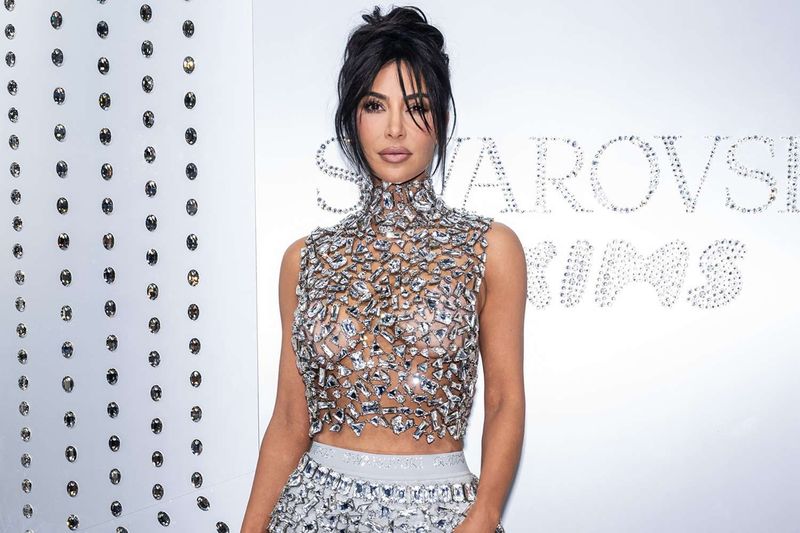
Sometimes a billion-dollar concept is hiding inside an everyday annoyance, especially when millions of people share the same problem.
SKIMS took off by addressing fit, comfort, and shade range in shapewear, while branding it as modern wardrobe essentials rather than “diet culture” gear.
The company’s launches created urgency with limited drops, but the products earned repeat buyers because they were wearable beyond special occasions.
As the brand expanded into loungewear, underwear, and basics, it started to look less like shapewear and more like a full fashion engine.
Retail partnerships and constant product iteration helped the business move from internet hype into mainstream permanence.
Crucially, the sizing and tone inclusivity kept the promise broad, which reduced the risk of becoming niche.
A side hustle aimed at solving a styling headache turned into an apparel empire built for daily life.
5. Ryan Reynolds — Aviation Gin (and later other ventures)
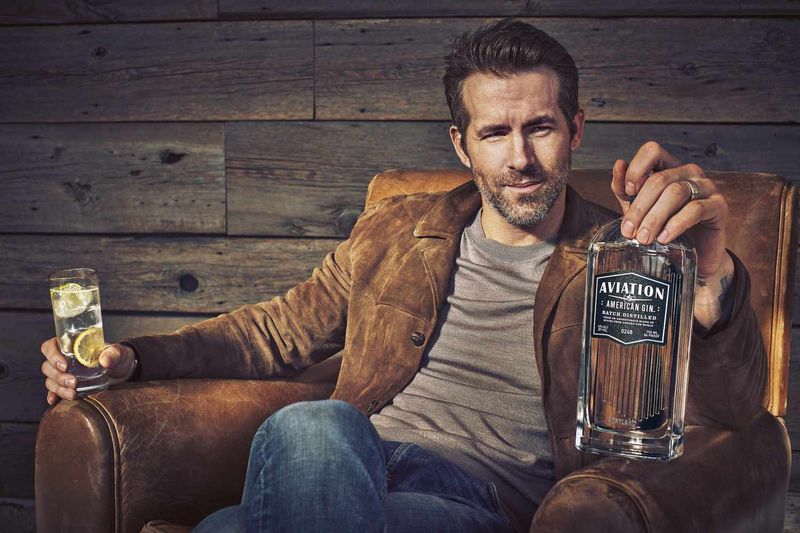
A smart investment becomes an empire when the owner understands that marketing is often the real product people buy first.
Reynolds didn’t just put his face on Aviation Gin, because he built a distinct brand voice that made ads feel like entertainment.
That tone helped the company stand out in a saturated spirits category where most bottles compete with similar messaging and similar price points.
By pairing ownership with storytelling, he turned social media and press attention into measurable demand rather than fleeting buzz.
The brand scaled because it felt consistent, with humor and simplicity reinforcing a “no-fuss” premium identity.
When the business grew large enough to attract major deals, it validated that the strategy worked beyond celebrity novelty.
The takeaway is that creative control can be as valuable as capital when building a consumer empire.
6. Dr. Dre — Beats (Beats by Dre)
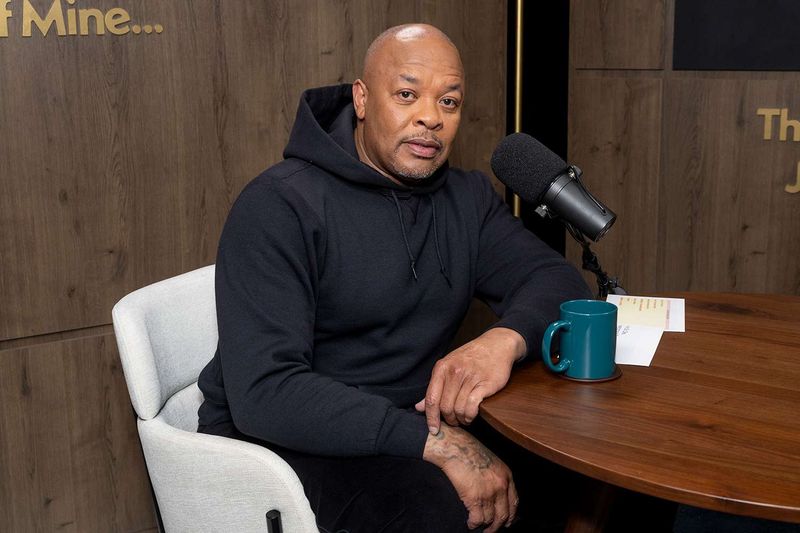
A cultural insight can be more powerful than a technical breakthrough, especially when it changes what people expect from a product category.
Beats grew out of the idea that fans weren’t hearing music the way artists intended, and that message connected instantly with mainstream buyers.
Design mattered because the headphones looked like status symbols, turning functional tech into something people wanted to wear in public.
Celebrity association helped at the start, but the brand scaled because the positioning made premium audio feel accessible and cool.
As partnerships and visibility grew, Beats became a default choice, which is how a side hustle becomes a category leader.
The eventual scale showed that music credibility can translate into consumer tech dominance when the branding is airtight.
What began as a personality-driven product turned into a defining electronics empire.
7. Kylie Jenner — Kylie Cosmetics
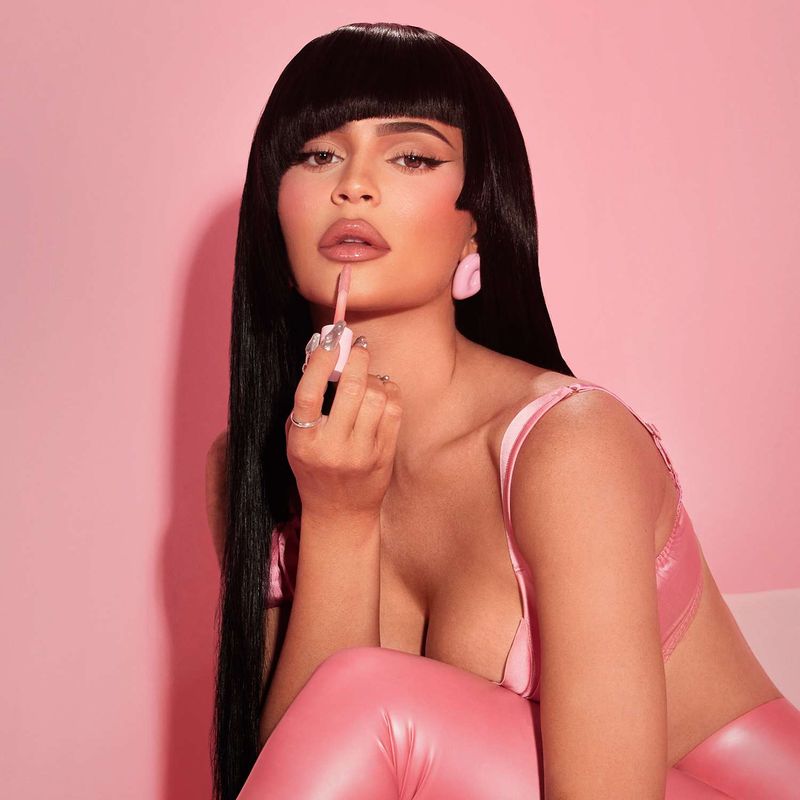
Social media can launch a product overnight, but turning that attention into a business requires obsessive focus on what fans actually want.
Kylie Cosmetics started with lip kits that matched a highly specific beauty trend, and the simplicity made buying decisions easy for consumers.
Demand surged because the product had a clear hook and the brand leaned into scarcity, which kept drops feeling urgent and exclusive.
As the company expanded into new makeup categories, it proved the audience wasn’t only buying a name, because the brand kept the aesthetic consistent.
Retail expansion and broader product lines helped transform the business from online hype into a more durable beauty presence.
The key lesson is that a single hero product can become a platform when the brand understands its customer base intimately.
What began as a focused side hustle grew into a cosmetics empire with global reach.
Comments
Loading…