
 Isabel Parker
Your parents were your first teachers about love, even if they never sat you down for a formal lesson.
Every interaction, argument, and affectionate moment you witnessed shaped how you think relationships should work.
Understanding these patterns can help you build healthier connections and break cycles that no longer serve you.
1. Attachment Style
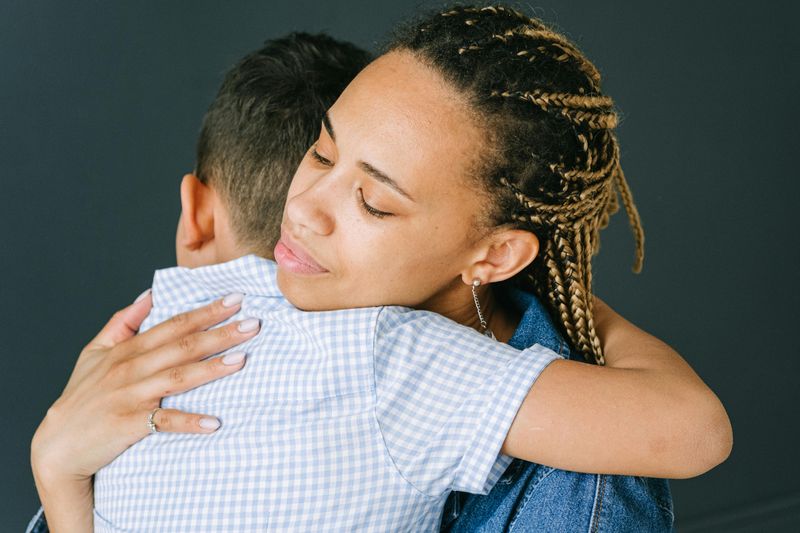
Children absorb emotional lessons by watching how their parents respond when they’re upset, scared, or need comfort.
If caregivers consistently offered warmth and reassurance, kids typically grow into adults who feel secure in relationships.
They trust their partners and don’t panic when things get rocky.
On the flip side, parents who were emotionally distant or unpredictable can leave children feeling anxious or avoidant in romance.
Some people constantly worry their partner will leave, while others push people away before getting hurt.
Recognizing your attachment style helps you understand why certain relationship situations trigger strong reactions and gives you a roadmap for healing old wounds.
2. Conflict Resolution Patterns

Arguments are inevitable in any relationship, but how you handle them depends largely on what you saw growing up.
Parents who talked through disagreements calmly taught their kids that conflict doesn’t have to be scary or destructive.
These children often become adults who can express frustration without attacking their partner.
Meanwhile, homes filled with screaming matches or complete silence during tension create different blueprints.
Some people learn to explode with anger because that’s what felt normal.
Others avoid conflict entirely, believing any disagreement signals the relationship’s end.
Learning healthier strategies means consciously choosing different responses than what you witnessed as a child.
3. Emotional Expression
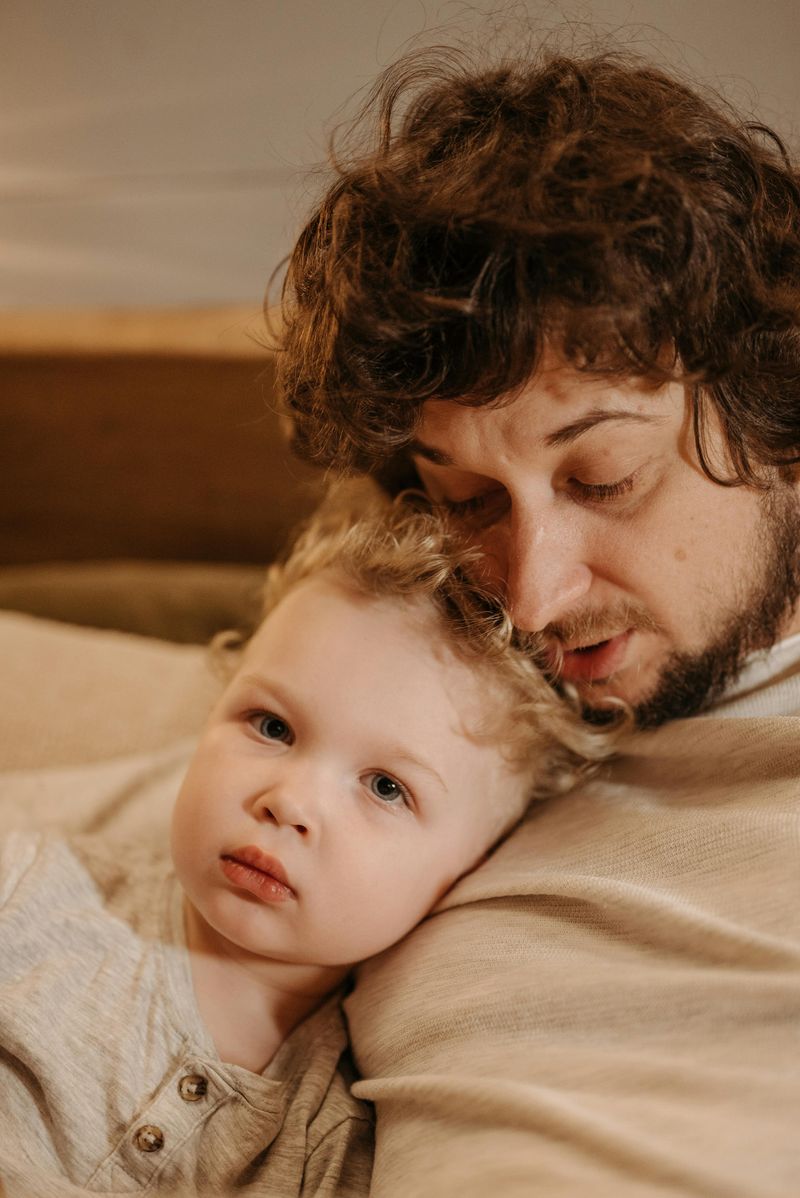
Was crying okay in your house, or were you told to toughen up?
Families create unspoken rules about which emotions are acceptable and which should be hidden.
When parents welcomed all feelings—sadness, joy, fear, excitement—children learned that vulnerability strengthens rather than weakens relationships.
However, households where emotions were dismissed or punished produce adults who struggle to open up.
You might find yourself shutting down when your partner asks how you’re feeling, or you may feel uncomfortable when they express strong emotions.
Breaking free means giving yourself permission to feel and share authentically, even when it feels risky or unfamiliar at first.
4. Beliefs About Love and Worth
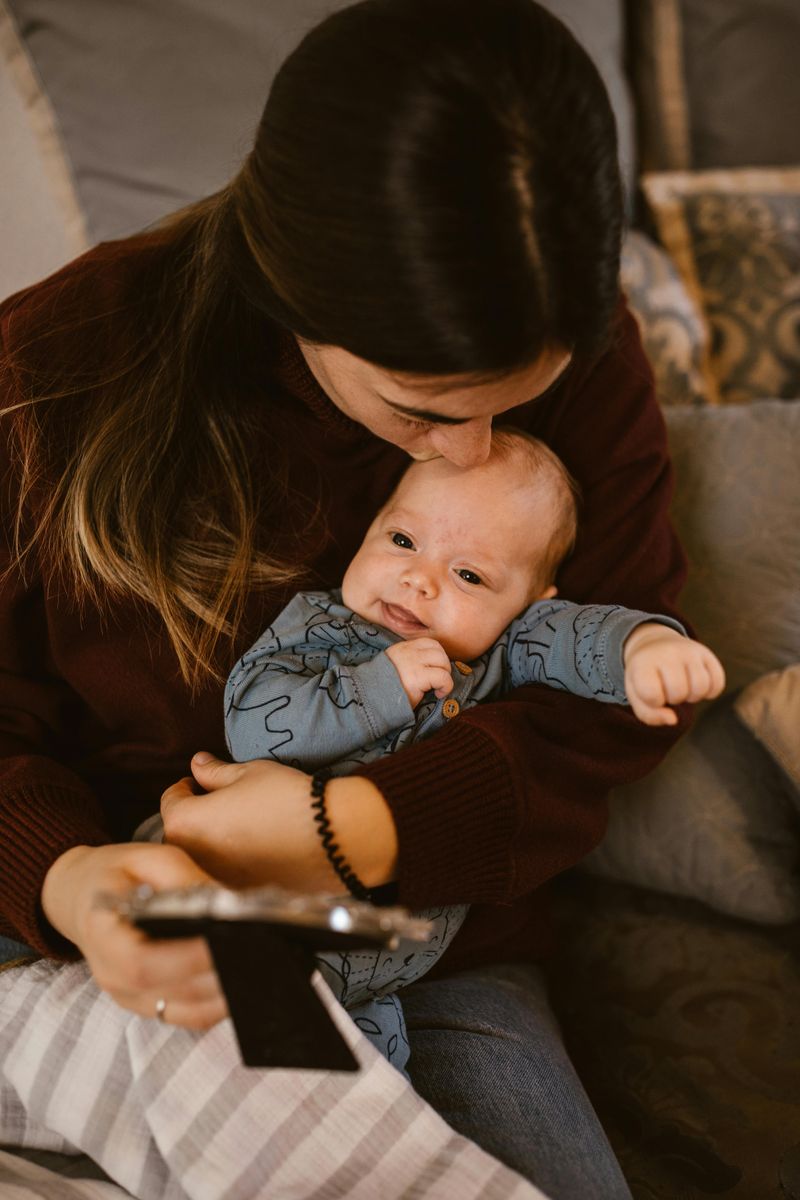
Did your parents’ love feel steady, or did you have to earn it through good behavior and achievements?
Kids who received consistent affection regardless of mistakes typically believe they deserve love simply for being themselves.
This confidence follows them into adult relationships where they expect respect and kindness.
Conditional love creates a different story. When parental warmth depended on performance, children internalize the belief that love must be earned through perfection.
As adults, they might overextend themselves in relationships, constantly trying to prove their worth.
They may also tolerate poor treatment, believing they don’t deserve better.
Rewriting this narrative requires recognizing your inherent value beyond accomplishments.
5. Views on Commitment and Stability

Growing up with parents who stayed together through challenges often instills confidence that relationships can last.
These individuals approach commitment with optimism, believing that working through difficulties strengthens bonds.
They’ve seen firsthand that love can endure.
Children of divorce or unstable partnerships may carry different expectations.
Some develop abandonment fears, clinging tightly to partners or constantly testing their loyalty.
Others become cynical about commitment altogether, keeping one foot out the door just in case.
Neither response is wrong—it’s simply a protective strategy learned young.
Building trust in relationship stability takes time and often requires experiencing consistent, reliable love that challenges old assumptions about impermanence.
6. Communication Style
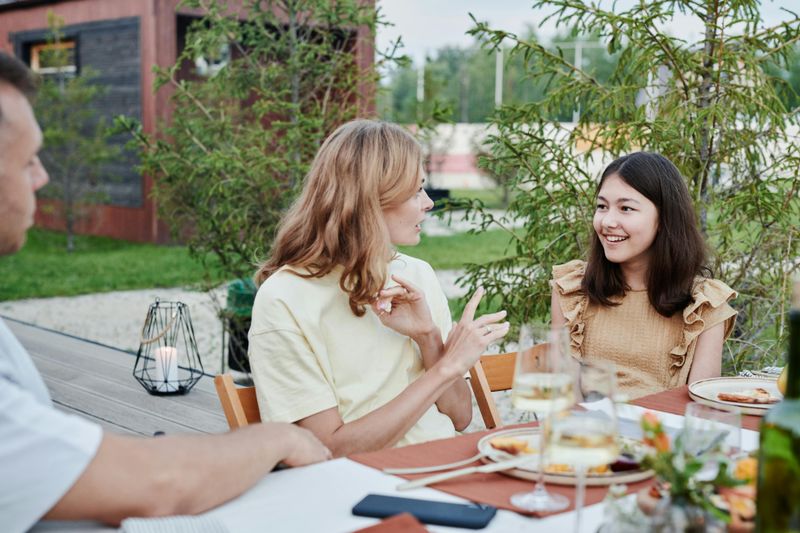
Family dinner conversations reveal a lot about communication patterns.
Homes where everyone shared thoughts freely and listened respectfully teach kids that their voice matters.
These children become adults who can express needs clearly and listen without becoming defensive.
Other family dynamics create less healthy habits.
Maybe one parent dominated conversations while others stayed silent, teaching kids to either steamroll or disappear during discussions.
Perhaps disagreement led to punishment, making honesty feel dangerous.
You might recognize these patterns in yourself—people-pleasing to avoid tension, withdrawing when conversations get difficult, or becoming argumentative when feeling challenged.
Developing better communication means consciously practicing new approaches that feel safer and more balanced.
7. Boundaries and Independence
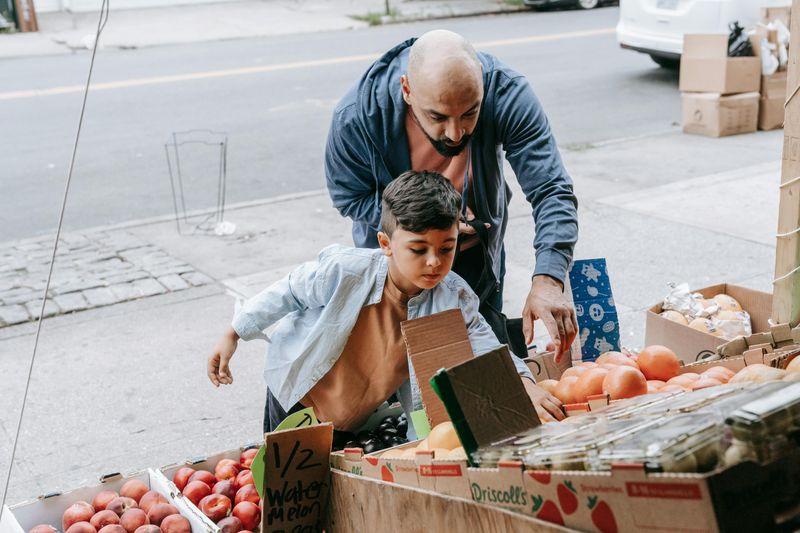
How did your parents balance togetherness and personal space?
Families that respected individual needs while maintaining close connections taught children that healthy relationships allow room for both intimacy and autonomy.
These lessons help adults feel comfortable maintaining friendships, hobbies, and independence within romantic partnerships.
Enmeshed families where boundaries blurred or distant families with little emotional connection create different templates.
Some people become overly dependent on partners, feeling anxious when apart.
Others keep everyone at arm’s length, equating independence with emotional unavailability.
Finding balance means recognizing that true intimacy actually requires two whole, separate individuals choosing connection rather than losing themselves in another person or avoiding closeness altogether.
Comments
Loading…