
 Harper Hall
10 Male Hollywood Actors Known for Their Impressive Intelligence
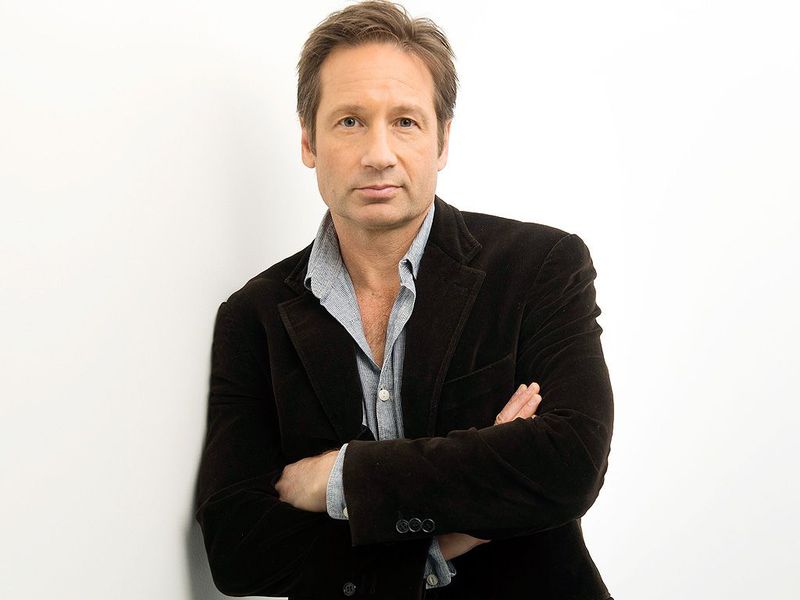
Hollywood sells charisma, but plenty of leading men bring serious brainpower to the set as well.
For this list, “smart” means measurable achievements like demanding degrees, rigorous training, and proven intellectual pursuits beyond a press tour.
Some of these actors built careers in medicine, law, engineering, or academia before the cameras ever found them.
Others chose prestigious universities, excelled in difficult majors, or cultivated skills like languages that require real discipline to master.
None of this makes anyone “better,” but it does explain why certain performers come across as unusually sharp in interviews and roles.
It also makes their career pivots more fascinating, because the stakes were higher when they walked away from traditional success.
If you love behind-the-scenes origin stories, these ten biographies are basically mini masterclasses in ambition and reinvention.
1. Dolph Lundgren
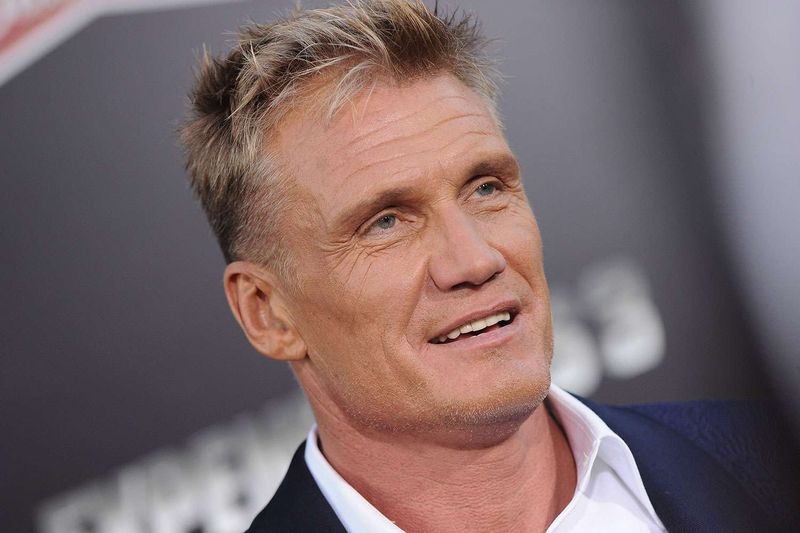
Before blockbuster fame, an intense academic track helped shape the disciplined persona audiences later associated with action roles.
A background in chemical engineering gave him the kind of analytical training where precision, problem-solving, and grit are non-negotiable habits.
He studied at respected institutions in Sweden and Australia, building a résumé that looks more like a scientist’s than a celebrity’s.
A Fulbright scholarship connection to MIT is often cited as proof that his achievements weren’t casual or purely aspirational.
That STEM foundation shows up in how he talks about training, performance, and even the mechanics of fight choreography.
Instead of relying only on physicality, he often projects a controlled intensity that suggests preparation and systems thinking.
When an actor can convincingly play both intimidating and thoughtful, it helps to have a real history of mastering difficult material.
2. Ken Jeong

Long before comedy audiences knew him, a demanding medical path taught him how to perform under pressure with real stakes.
Earning an M.D. requires relentless studying, clinical endurance, and the ability to process complex information quickly and accurately.
He completed medical training and worked in medicine, which means his “doctor” credibility is far more than a clever Hollywood bit.
That experience also explains his rapid-fire delivery, because medicine rewards clear communication and quick decisions, not hesitation.
When he shifts between absurd humor and sharp observational commentary, the contrast feels natural rather than forced.
His career pivot looks even bolder when you remember he walked away from a stable, prestigious profession to gamble on entertainment.
It’s hard not to respect someone who can diagnose a patient, then turn around and diagnose a room’s comedic rhythm.
3. Rowan Atkinson
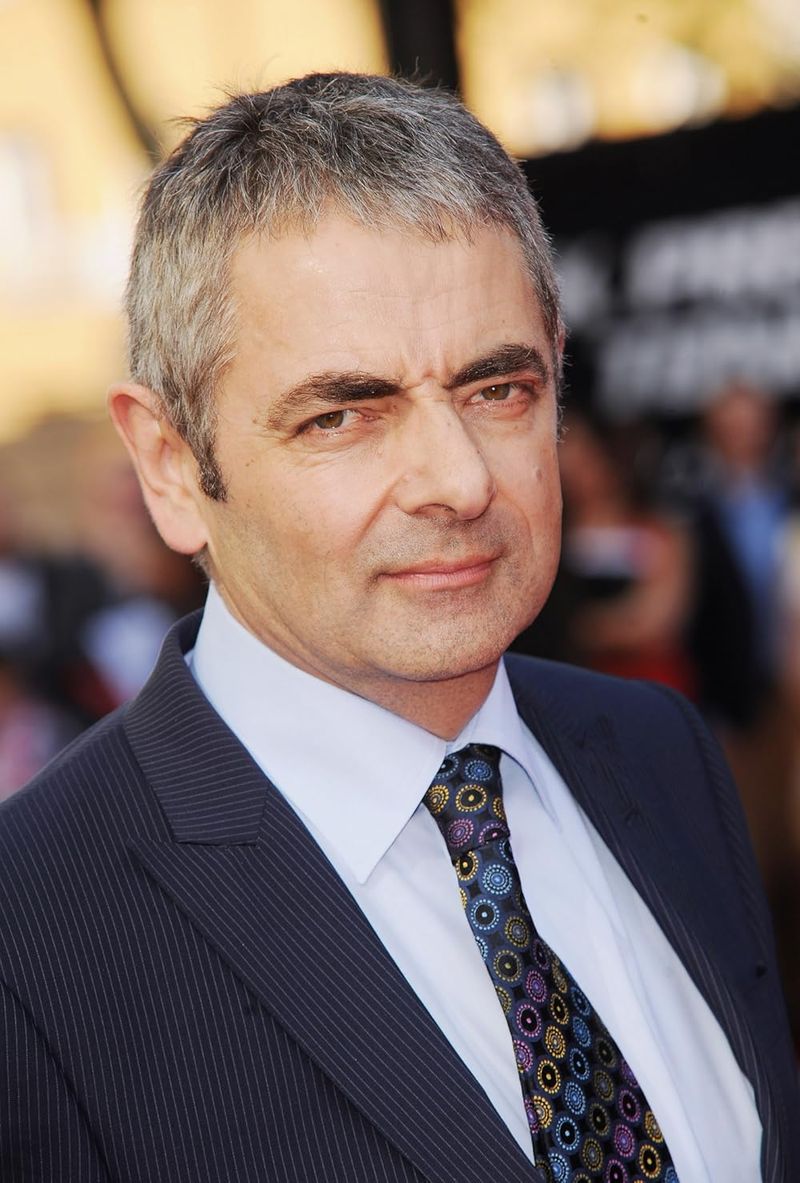
Behind the elastic faces and physical comedy is a mind trained in engineering logic and high-level academic structure.
Studying electrical and electronic engineering builds habits of careful planning, pattern recognition, and troubleshooting when things inevitably fail.
He continued that path at Oxford, proving he could thrive in environments where only the most disciplined students keep pace.
That intellectual rigor fits perfectly with comedy that looks spontaneous but is actually built on timing, mechanics, and precision.
Many of his best moments work like engineered systems, where every pause, glance, and stumble lands exactly where it should.
He also demonstrates a rare ability to communicate without words, which requires understanding how audiences interpret subtle visual cues.
When someone makes slapstick look effortless, it’s often because the brain behind it is quietly doing complex math in real time.
4. David Duchovny
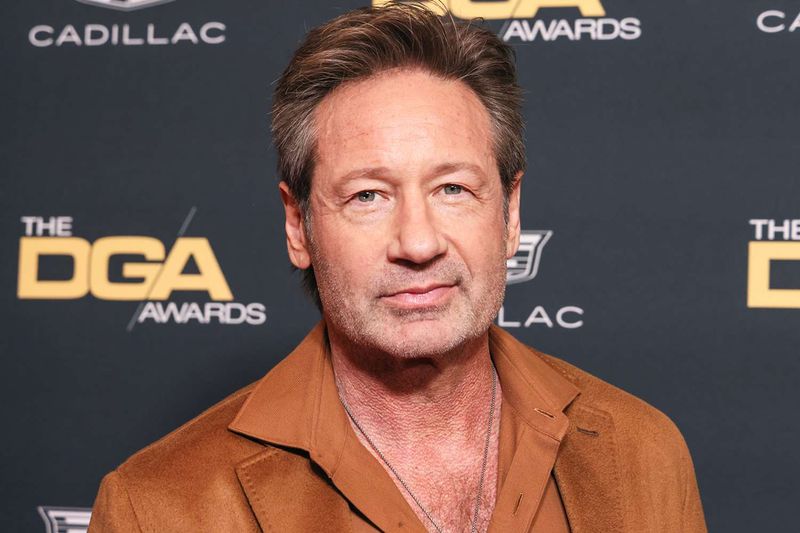
A serious humanities education can sharpen the exact tools actors rely on most, like interpretation, nuance, and emotional reading.
Graduating summa cum laude from Princeton reflects both talent and stamina, especially in a discipline that demands constant writing and analysis.
Advanced study at Yale adds another layer, because graduate work forces you to defend ideas, not just absorb information.
Even beginning Ph.D. work signals comfort with deep research, long-form thinking, and the patience to chase difficult questions.
Those skills translate to characters who feel layered, skeptical, and psychologically aware rather than purely plot-driven.
He often speaks with a measured curiosity that suggests he enjoys complexity more than tidy answers.
When a performer can make conspiracy, philosophy, and intimacy feel believable in the same scene, a strong academic foundation helps.
5. Edward Norton
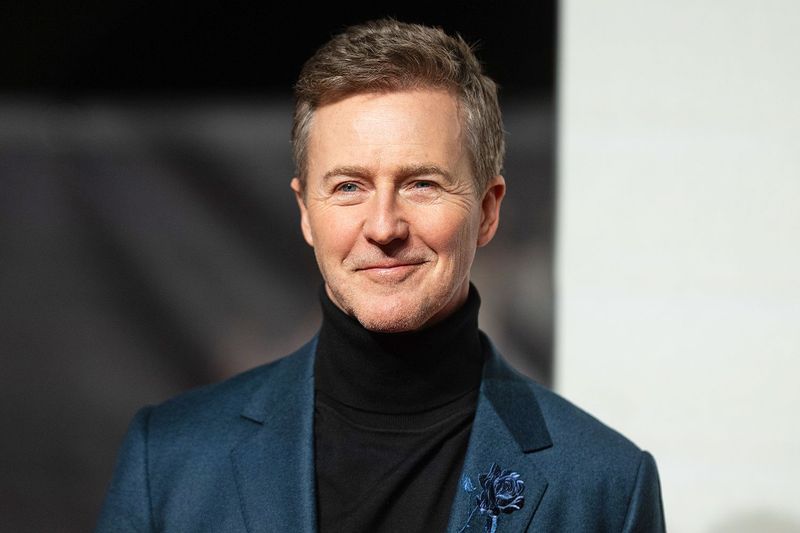
Prestigious schools can open doors, but thriving there still requires intellectual seriousness and consistent effort.
Studying history at Yale means wrestling with evidence, conflicting narratives, and the discipline of forming arguments that can survive scrutiny.
He also pursued Japanese studies, which hints at curiosity that extends beyond typical celebrity interests and comfort zones.
Language learning demands humility, repetition, and attention to detail, especially when you move from classroom theory to real conversation.
That combination of analytical thinking and cultural awareness often shows up in his selective, challenging role choices.
He tends to gravitate toward characters who are complicated, morally thorny, and intellectually restless.
When someone consistently delivers performances that feel studied without seeming stiff, it usually comes from a mind that likes doing the homework.
6. Peter Weller
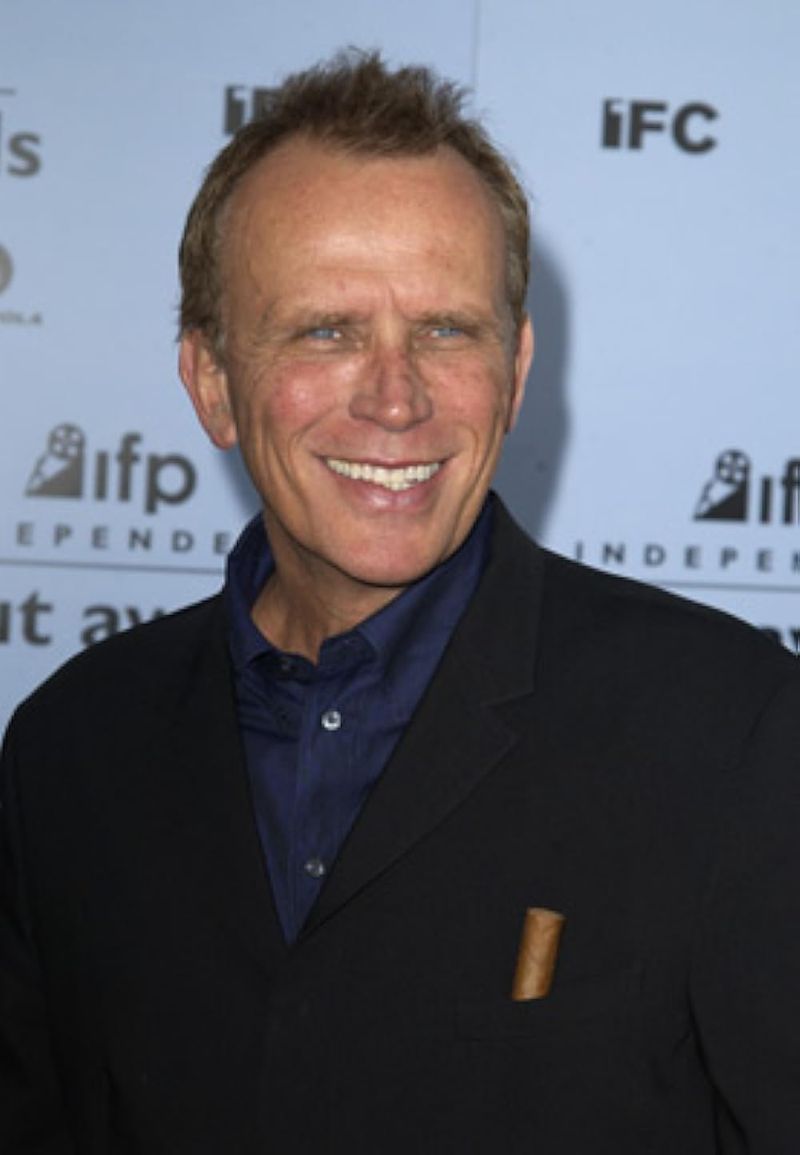
Some actors collect trivia, but a doctoral degree signals an entirely different level of commitment to knowledge and scholarship.
Earning a Ph.D. in Italian Renaissance art history requires years of research, specialized reading, and the ability to build original arguments.
Academic life also trains you to present ideas clearly, defend them publicly, and handle critique without losing your focus.
That intellectual discipline pairs surprisingly well with acting, because both fields demand interpretation and persuasive communication.
He’s spoken openly about art and architecture with the kind of confidence you only get from deep immersion.
Even his screen presence often carries an observant, measured intensity that feels informed rather than improvised.
When someone can move between pop culture and high scholarship, it’s a reminder that Hollywood talent can come with real academic heft.
7. Matt Damon
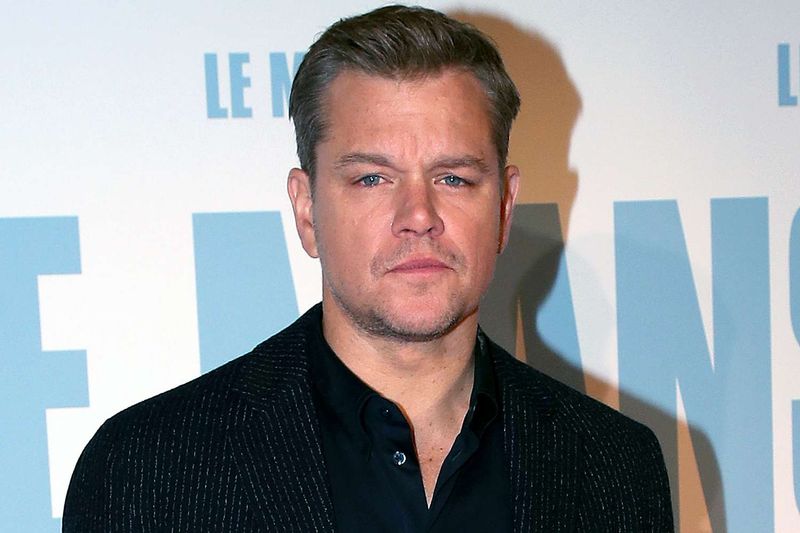
Some of the smartest career moves in Hollywood begin with a willingness to learn, iterate, and take creative risks early.
Attending Harvard places him in a highly competitive environment where strong writing, debate, and critical thinking are daily expectations.
His early work on Good Will Hunting is often used as shorthand for how quickly he could translate ideas into compelling story.
That kind of creative intelligence isn’t only about grades, because it also requires emotional insight and narrative structure.
He has consistently chosen projects that balance entertainment with themes like ethics, power, and personal responsibility.
Even in big franchises, he often plays characters who solve problems through strategy rather than pure force.
When an actor’s filmography repeatedly rewards curiosity and competence, it suggests a brain that enjoys complex puzzles as much as applause.
8. Gerard Butler
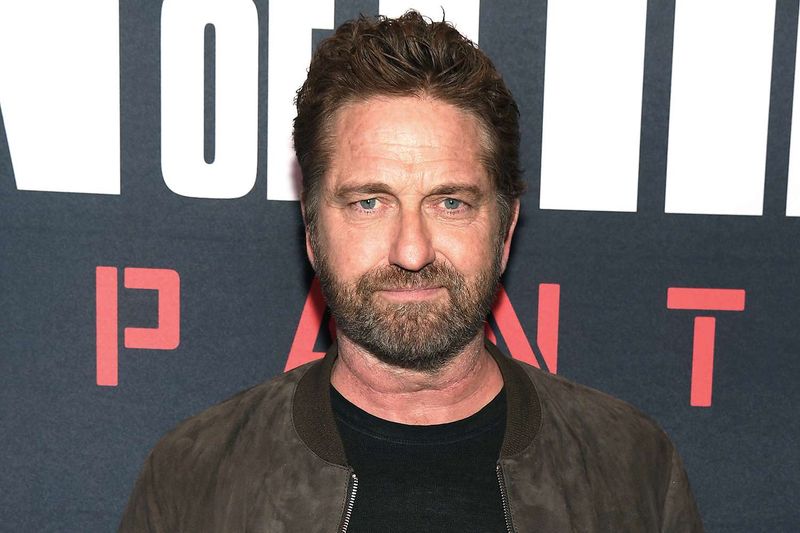
Switching from a conventional profession to acting takes confidence, but doing it after law school adds a different kind of pressure.
A law degree demands disciplined reading, argument-building, and the ability to stay calm while defending a position under scrutiny.
That training can shape an actor’s presence, because courtroom thinking teaches you how to persuade with voice, timing, and posture.
His roles often lean into intensity and conviction, which makes sense for someone steeped in structured reasoning and debate.
The leap into entertainment also shows a willingness to bet on himself when a safe path was already available.
That combination of practicality and risk-taking can be a powerful marker of intelligence in real life, not just on screen.
When a performer understands both the security of stability and the thrill of reinvention, it adds depth to the way he carries authority.
9. John Krasinski
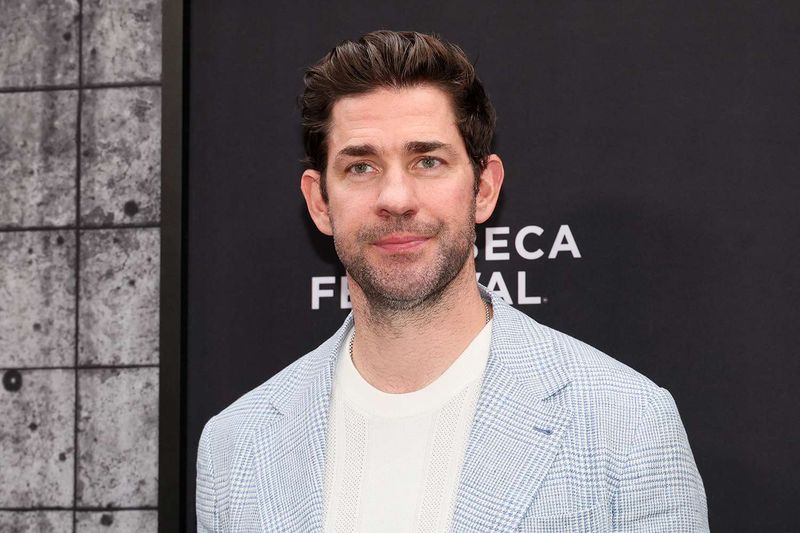
Comedy and drama both benefit from strong language skills, because the best performances usually start on the page.
A Brown University English education emphasizes reading closely, writing clearly, and thinking critically about human behavior and motivation.
Those habits help explain why he can handle grounded humor, quiet vulnerability, and leadership roles without feeling out of place.
Behind-the-camera work also rewards that kind of intelligence, because directing and producing require planning, judgment, and collaboration.
He’s built a reputation for projects that balance mainstream appeal with thoughtful storytelling choices.
That mix suggests a mind that enjoys craft, not just attention, and understands how to build something lasting.
When an actor steadily expands into writing and directing, it’s often a sign he’s thinking several moves ahead rather than chasing quick wins.
10. Bradley Cooper
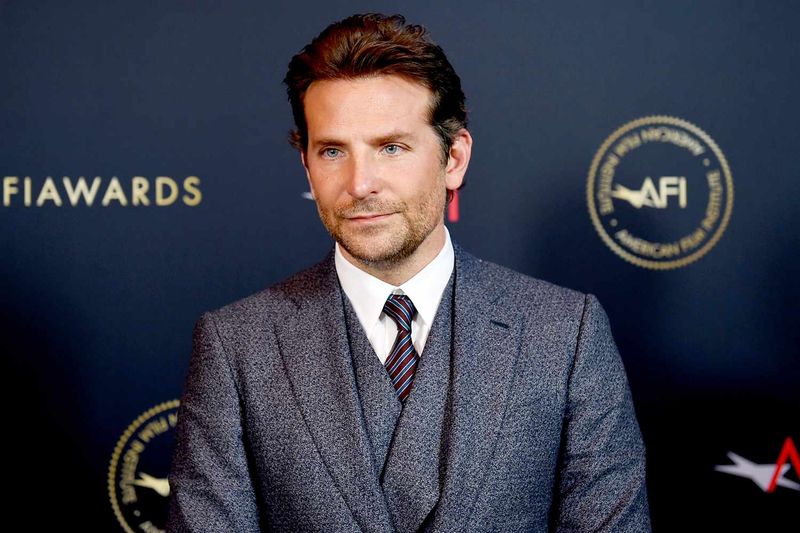
Language learning is one of the clearest signals of discipline, because fluency requires time, repetition, and genuine curiosity.
A Georgetown education paired with serious French study shows he invested in skills that pay off long after graduation.
Being comfortable in another language can also sharpen an actor’s ear for rhythm, tone, and subtle emotional cues.
He’s known for immersing deeply into roles, which reflects an intelligence rooted in preparation rather than effortless “genius” mythology.
That work ethic often shows up in performances that feel technically controlled but still emotionally raw.
Stepping into directing also suggests he’s interested in the larger architecture of storytelling, not only his own screen time.
When someone combines academic grounding, language ability, and intense craft focus, it’s easy to see why many people consider him unusually sharp for Hollywood.
Comments
Loading…