
 Jade Reed
Remember when people fixed broken items instead of tossing them away? Or when families gathered around the dinner table every evening without checking their phones?
Modern life moves fast, but many of us are starting to look back at the wisdom of older generations. Values that once seemed outdated are making a surprising comeback as we realize they might have been right all along.
1. Repairing Instead of Replacing

Your grandparents never threw away a jacket just because a button fell off.
They darned socks, patched jeans, and fixed appliances until they absolutely could not work anymore.
This mindset saved money and reduced waste in ways we are only now beginning to appreciate.
Today, repair cafes are popping up in cities worldwide.
People bring broken toasters, torn clothing, and damaged furniture to learn fixing skills from volunteers.
YouTube tutorials on mending and repair have millions of views.
The right-to-repair movement is gaining momentum, pushing companies to make products easier to fix.
Choosing repair over replacement helps your wallet and the planet simultaneously.
2. Growing Your Own Food

Victory gardens during wartime were not just patriotic—they were practical.
Families grew vegetables in backyards, on balconies, and even in window boxes.
Fresh produce was always available without a trip to the store.
Now, urban farming and community gardens are experiencing explosive growth.
Millennials and Gen Z are planting tomatoes, herbs, and peppers in small spaces.
Growing food connects you to nature and teaches patience.
You know exactly what goes into your meals—no pesticides or mystery chemicals.
Even a small herb garden on your windowsill counts.
Starting with basil or mint is easier than you think, and homegrown flavors taste incredibly better than store-bought options.
3. Handwritten Letters and Notes
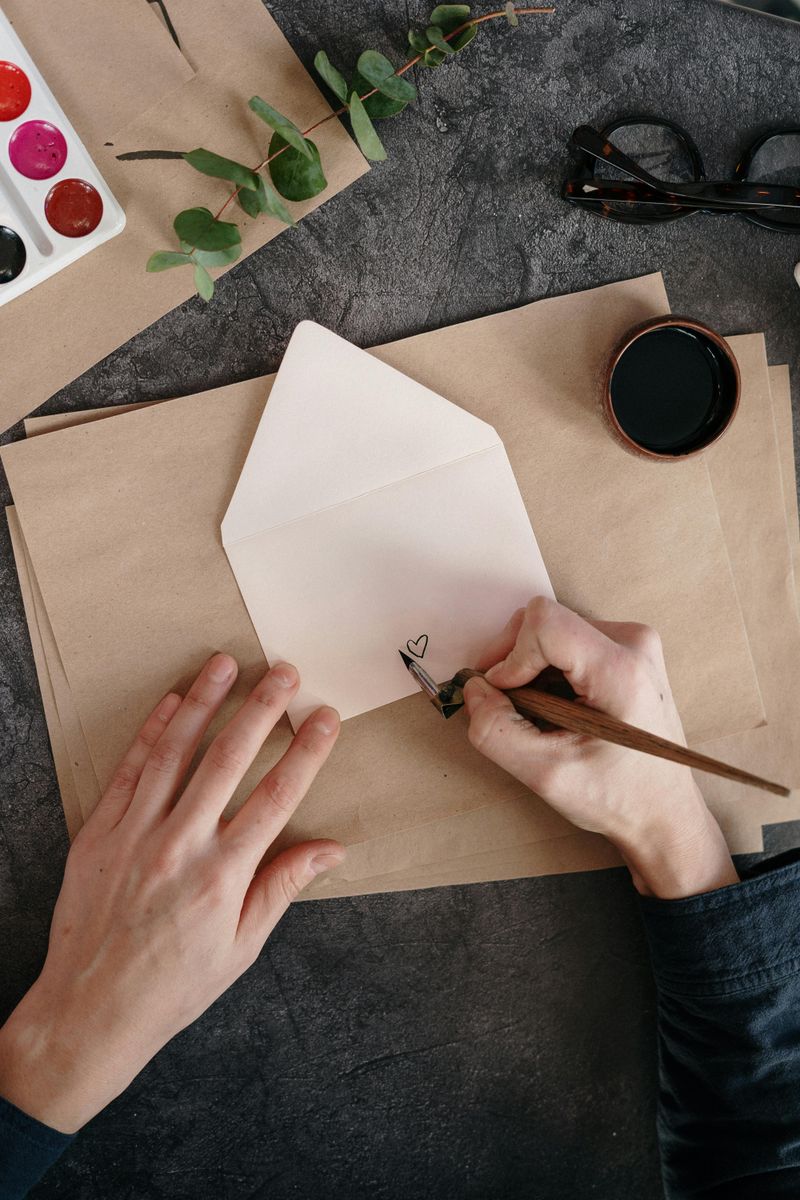
Did you know that receiving a handwritten letter triggers stronger emotional responses than digital messages?
Our grandparents understood the power of putting pen to paper.
Every word required thought and effort, making each letter feel special and personal.
Text messages are convenient, but they lack the warmth of handwriting.
Stationary sales are actually rising as people rediscover this lost art.
Writing by hand slows you down in a good way.
You choose words more carefully and express feelings more deeply.
Try sending a thank-you note or birthday card through actual mail.
The recipient will remember it far longer than any text or email you could send.
4. Face-to-Face Conversations

Before smartphones, people actually talked to each other while waiting in line.
Older generations built relationships through real conversations, reading body language and making genuine eye contact.
Social skills developed naturally through practice, not through screens.
Research shows that face-to-face interaction reduces stress and increases happiness more than online communication.
Video calls help, but nothing beats being in the same room with someone.
Many young people now host phone-free dinner parties.
Devices go in a basket, and actual conversation fills the evening.
Next time you meet a friend, suggest leaving phones in pockets.
You will notice how much richer the conversation becomes when nobody is half-distracted by notifications.
5. Cooking Meals from Scratch

Frozen dinners did not exist in your great-grandmother’s kitchen.
She made bread, canned vegetables, and created meals using basic ingredients and time-tested recipes.
Cooking was a daily ritual, not a chore to avoid.
Fast food and processed meals dominate modern diets, but home cooking is making a comeback.
People are realizing that scratch cooking tastes better, costs less, and improves health.
Learning to cook gives you control over what enters your body.
You can adjust salt, eliminate preservatives, and customize flavors to your preferences.
Start simple with one homemade meal weekly.
Master basic skills like chopping vegetables and following recipes, then gradually expand your cooking confidence and abilities.
6. Saving and Budgeting Money

There was a time when getting a credit card wasn’t so simple.
Previous generations saved up for purchases instead of buying everything on credit.
They tracked expenses in ledgers and knew exactly where every dollar went each month.
Today, buy-now-pay-later schemes tempt us constantly.
But financial experts and young savers are returning to old-school budgeting methods that actually work.
Apps now digitize the envelope budgeting system our grandparents used with actual cash.
The principle remains identical—allocate money for specific purposes and stop spending when that category runs out.
Building an emergency fund feels impossible until you start.
Even saving five dollars weekly adds up faster than you expect and creates financial security.
7. Quality Over Quantity

Your grandfather probably wore the same winter coat for twenty years.
He bought fewer items but chose well-made products that lasted decades.
Quality mattered more than having the latest trend or owning tons of stuff.
Fast fashion has filled closets with cheap clothing that falls apart after a few washes.
Now, minimalism and sustainable fashion movements encourage buying less but better.
Investing in quality saves money long-term.
One excellent pair of boots outlasts five cheap pairs and looks better throughout its lifetime.
Before purchasing anything, ask yourself if you need it and if it will last.
Choose classic styles over trendy pieces, and pick items you can repair when they eventually need maintenance.
8. Spending Time Outdoors
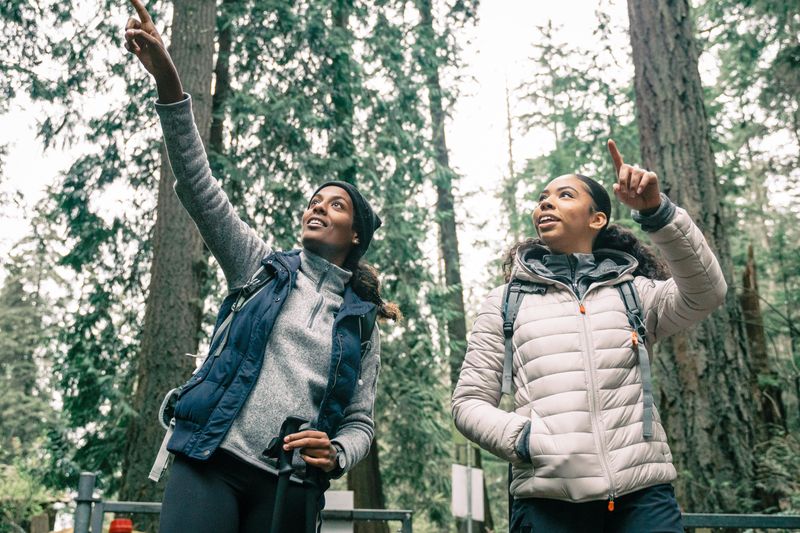
Kids used to disappear outside all day and only come home when streetlights turned on.
Previous generations spent hours outdoors—playing, exploring, and exercising without structured activities or screens.
Nature provided entertainment, adventure, and fresh air in unlimited quantities.
Screen time now dominates childhood, but parents and young adults are pushing back.
Forest bathing, hiking groups, and outdoor exercise classes are trending everywhere.
Being outside reduces anxiety, improves mood, and boosts physical health.
Even fifteen minutes in a park makes a measurable difference in wellbeing.
Challenge yourself to spend thirty minutes outside daily without your phone.
Walk, sit, observe wildlife, or simply breathe fresh air and notice how much better you feel afterward.
Comments
Loading…