
 Isabel Parker
If Your Dad Used These 15 Phrases, You Were Raised by a Great Man

What makes a truly remarkable father?
Often, it’s the verbal blueprint he provides during your formative years.
Whether he was teaching accountability, resilience, or the value of a good laugh, these 15 signature phrases are the hallmarks of a man who put his family first.
Dive into the list to see how your dad’s simple words helped build the foundation for the person you are today.
1. Let me help you with that.

A father who naturally offered assistance without waiting to be asked taught you something powerful about generosity.
This simple phrase showed that helping others shouldn’t come with strings attached or require recognition.
When your dad jumped in to support you, whether with homework or household chores, he modeled selflessness.
He demonstrated that noticing when someone struggles and offering a hand is what good people do.
This instinct likely rubbed off on you.
You probably find yourself naturally stepping up to help friends, coworkers, or even strangers.
That’s the gift he gave you—a heart that sees needs and responds with action, not judgment.
2. I feel strongly about this, but I respect your right to disagree.

Not every dad knows how to hold firm beliefs while still honoring different opinions.
When your father said this, he taught you that conviction and respect aren’t enemies—they’re partners.
He showed you that being passionate about your values doesn’t mean bulldozing over everyone else.
Standing your ground while acknowledging another person’s perspective takes real emotional maturity.
It’s a skill many adults never master.
Because of him, you probably handle disagreements better than most people.
You can debate without destroying relationships.
You understand that two people can see things differently and both deserve dignity.
That’s leadership material right there.
3. I need to set a boundary here.

Hearing your dad articulate his boundaries was like getting a masterclass in self-respect.
Many people struggle their whole lives to say no or establish limits.
Your father made it look natural.
He understood that healthy relationships require clear expectations.
By verbalizing his boundaries, he wasn’t being difficult—he was being honest.
He taught you that protecting your energy and time isn’t selfish; it’s necessary.
Growing up with this example means you likely don’t tolerate mistreatment or let people walk all over you.
You know where your lines are drawn.
Thanks to his example, you understand that boundaries aren’t walls—they’re bridges to healthier connections.
4. I understand how you feel; that must be tough.

When your dad acknowledged your feelings instead of dismissing them, he validated your emotional experience.
Too many kids hear “you’re overreacting” or “it’s not that bad.”
But not you.
His empathy created a safe space where emotions weren’t shameful or inconvenient.
He recognized that feelings matter, even when he couldn’t fix the problem.
That simple acknowledgment probably helped you through some really difficult moments.
Because he modeled emotional validation, you likely do the same for others.
You’re the friend people turn to when they’re hurting because you actually listen.
You don’t minimize pain or rush to solutions.
You sit with people in their struggles, just like he did.
5. That’s not fair to that person; we should address it.

Your dad didn’t let unfairness slide, even when speaking up was uncomfortable.
He taught you that silence in the face of injustice makes you part of the problem.
Whether someone was being gossiped about, treated poorly, or overlooked, he noticed and said something.
This wasn’t about being a hero—it was about basic decency.
He showed you that integrity means acting even when it’s easier not to.
You probably carry this forward today.
When you see someone being mistreated, something inside you pushes you to intervene.
That’s your father’s voice reminding you that good people stand up for others, not just themselves.
Character isn’t convenient, but it’s always right.
6. I’m sorry, I know my actions had a negative impact on you.

A father who apologizes with specificity and ownership is rare.
Your dad didn’t just say “sorry”—he acknowledged exactly what he did wrong and how it affected you.
This taught you that apologies aren’t about excuses or deflection.
They’re about taking responsibility for the hurt you caused, intentional or not.
He showed that real strength involves admitting mistakes, not pretending you never make them.
Because of his example, you probably handle conflicts more maturely than most.
When you mess up, you own it fully.
You don’t hide behind justifications or blame others.
That level of accountability builds trust and deepens relationships in ways defensive people never experience.
7. I made a mistake, and here’s what I’m going to do to fix it.

Admitting a mistake is one thing; committing to repair is another level entirely.
Your father understood that acknowledgment without action is just empty words.
He didn’t wallow in guilt or make excuses.
Instead, he moved straight to solutions.
This taught you that mistakes aren’t character flaws—they’re opportunities to demonstrate integrity through follow-through.
You probably approach problems the same way now.
When something goes wrong, you don’t panic or play victim.
You assess the damage, create a plan, and execute it.
That’s the problem-solver mentality he instilled in you.
While others spiral in shame, you’re already three steps into fixing things.
8. That’s a valid point, I hadn’t considered it from that angle.

How many people do you know who actually admit when someone else makes a good point?
Your dad was one of the rare ones who could listen without defensiveness.
He didn’t need to be right all the time.
When presented with a new perspective, he genuinely considered it.
This humility showed you that intelligence isn’t about having all the answers—it’s about being willing to learn.
You probably bring this open-mindedness to your relationships and work.
People feel heard around you because you actually listen instead of just waiting to talk.
That ability to consider other viewpoints makes you a better partner, friend, and colleague than most people ever become.
9. I love you, and I’m glad you’re in my life.
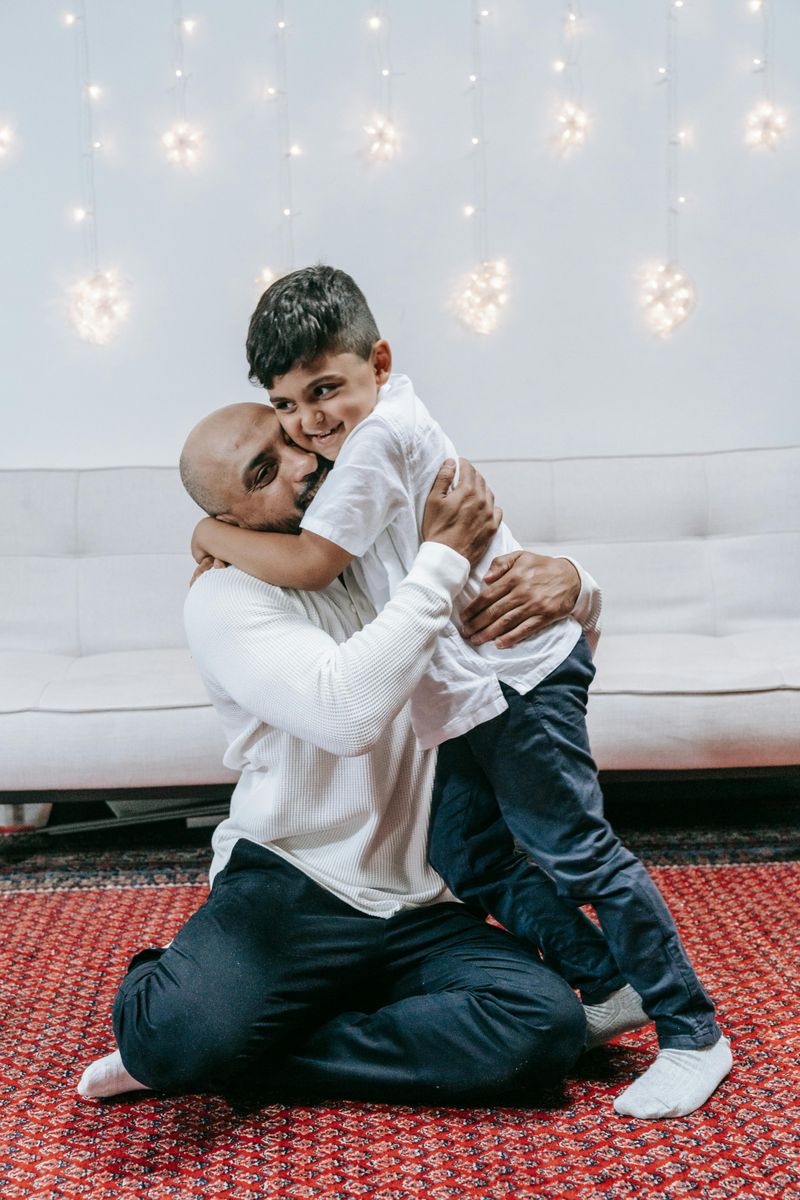
Some dads struggle to express love verbally, but yours didn’t.
He made sure you knew you were loved and valued, not just assumed.
These words weren’t saved for special occasions or crisis moments.
He said them regularly, making emotional security part of your everyday experience.
That consistency taught you that love isn’t just a feeling—it’s something you actively communicate.
Because of this foundation, you probably have healthier relationships now.
You’re not afraid to be vulnerable or express appreciation.
You understand that people need to hear they matter, not just believe you think it.
That emotional fluency is a direct gift from your father’s willingness to speak love out loud.
10. I’m so proud of you for accomplishing that goal.

Your dad celebrated your wins, big and small.
He noticed when you worked hard and achieved something meaningful, and he made sure you knew he saw it.
This wasn’t empty praise for participation.
He acknowledged genuine effort and accomplishment, teaching you the difference between real achievement and just showing up.
His pride reinforced that your goals mattered and your hard work paid off.
You probably carry a healthy sense of confidence because of this.
You’re not arrogant, but you recognize your capabilities.
When you succeed, you can accept congratulations without false modesty.
That balanced self-esteem comes from having a father who celebrated you appropriately throughout your development.
11. I need some time to think about this before I respond.

Instead of reacting impulsively when emotions ran high, your dad hit the pause button.
He modeled emotional regulation in real time, showing you that immediate responses aren’t always the best ones.
This phrase taught you that taking space to process isn’t weakness—it’s wisdom.
Thoughtful responses beat knee-jerk reactions every time.
He demonstrated that you can feel strongly and still choose not to act on those feelings immediately.
You probably handle conflict better than most people because of this lesson.
When tensions rise, you can step back and collect yourself.
You don’t say things you’ll regret or make decisions you’ll have to undo.
That emotional intelligence is invaluable in both personal and professional settings.
12. I don’t have all the answers, but I’m willing to learn.

Your father’s humility was refreshing in a world full of know-it-alls.
He admitted his limitations without shame and approached gaps in knowledge with curiosity rather than defensiveness.
This growth mindset showed you that lifelong learning isn’t just acceptable—it’s admirable.
He proved that saying “I don’t know” doesn’t diminish your authority; it increases your credibility.
People trust honest uncertainty over false confidence.
You probably approach challenges with this same openness.
When faced with something unfamiliar, you don’t pretend expertise or give up.
You research, ask questions, and figure it out.
That willingness to be a perpetual student keeps you adaptable and relevant in a constantly changing world.
13. You don’t owe anyone an explanation for taking care of yourself.

When your dad said this, he gave you permission to prioritize your wellbeing without guilt.
He understood that self-care isn’t selfish—it’s essential.
Many people spend their lives over-explaining their choices or apologizing for having needs.
But your father taught you differently.
He showed you that your health, rest, and happiness don’t require justification to anyone.
Because of this, you probably set better boundaries than your peers.
You can say no without elaborate excuses.
You take mental health days without shame.
You protect your peace because he taught you that your wellbeing matters just as much as anyone else’s.
That’s a lesson many people never learn.
14. Treat people the way you want to be treated.
When a dad said this often, he was teaching more than manners.
He was showing you that character is measured by how you respond when no one is watching and when kindness is inconvenient.
That lesson tends to stay with you long after childhood.
It shapes the way you speak to service workers, friends, and even people who frustrate you.
A great father knew respect was not something reserved for authority figures or easy relationships.
If you heard this growing up, you were likely raised by a man who believed decency was a daily choice.
15. You can always come to me.

This phrase carried a kind of quiet safety that many people do not realize is rare until they are older.
It told you that love was not conditional on perfection, agreement, or success.
A father who said this made home feel like a place of refuge, not judgment.
That reassurance can change the way you handle mistakes, heartbreak, and hard conversations as an adult.
Instead of hiding your struggles, you learn that trust grows when honesty is welcomed.
If your dad reminded you of this, you were raised by a man who wanted connection with you more than control over you.
Comments
Loading…