
 Jade Reed
10 Iconic Antiheroes From Classic and Modern Western Movies
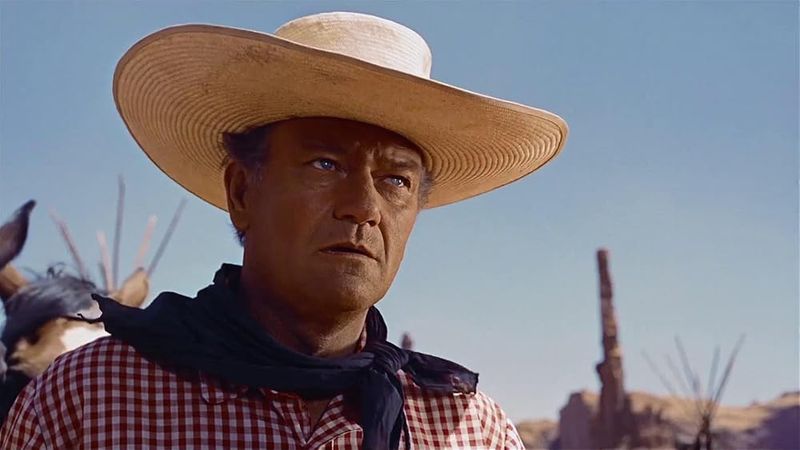
Western movies love to pretend the world is split neatly into good guys and bad guys, but the most unforgettable characters live somewhere in between.
Those are the antiheroes who lie, steal, kill, and occasionally do the right thing—sometimes by accident.
They make questionable choices, carry emotional baggage, and rarely ride off into the sunset without consequences.
And yet, they’re the ones we remember long after the credits roll.
These characters feel more human than flawless heroes, because they struggle, contradict themselves, and often lose as much as they win.
In a genre built on dusty morals and harsh landscapes, antiheroes reflect how survival can twist even decent intentions.
Here are ten Western movie antiheroes who made the Wild West messier, darker, and far more interesting.
1. The Man with No Name (The Good, the Bad and the Ugly, A Fistful of Dollars)
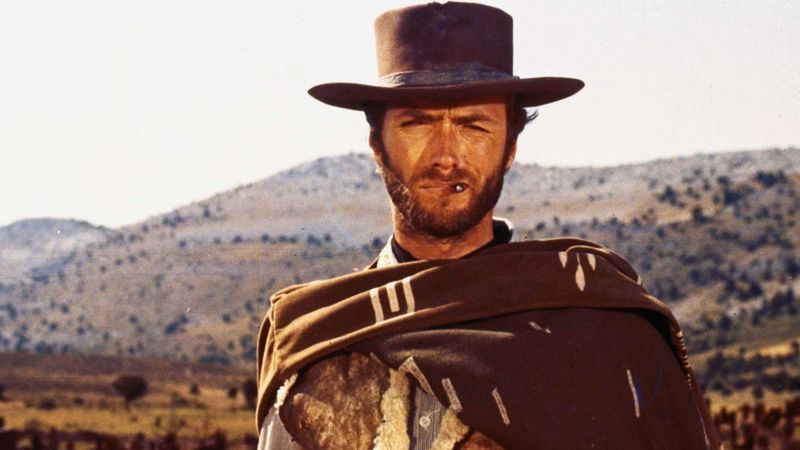
From the moment he squints into the sun, it’s clear this drifter isn’t here to save anyone.
He floats from town to town guided by profit, instinct, and a personal code that only he understands.
Helping people usually happens as a side effect, not the goal.
He manipulates enemies, plays both sides, and never explains himself unless absolutely necessary.
Despite all that, audiences root for him because he’s clever, self-reliant, and always one step ahead.
There’s something satisfying about watching someone survive purely on wit and nerve in a brutal world.
He doesn’t pretend to be noble, and that honesty makes him oddly trustworthy.
In a landscape full of false heroes, his refusal to fake virtue feels refreshing.
2. William Munny (Unforgiven)
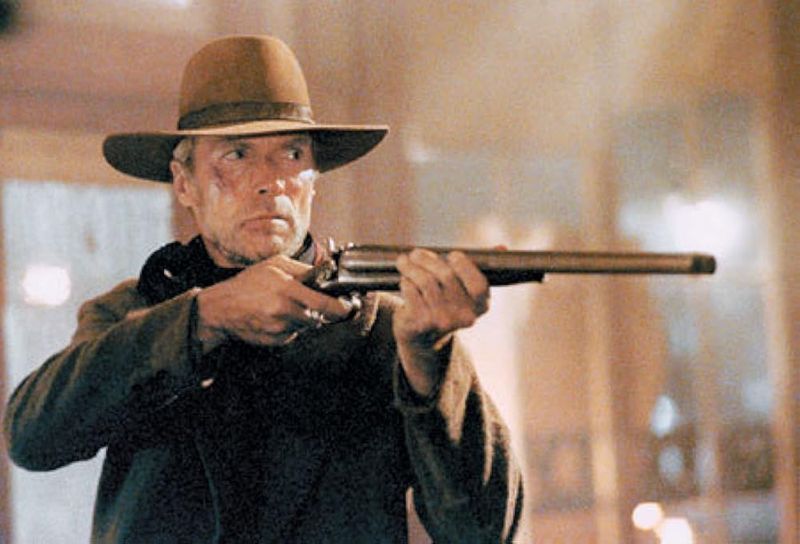
Time has not softened this former outlaw, even if he desperately wants to believe it has.
He’s a widower trying to raise kids and bury a violent past that refuses to stay buried.
When money and necessity drag him back into killing, every shot feels heavy with regret.
This isn’t violence played for thrills, but violence as a lingering curse.
He knows exactly what he’s capable of, and that knowledge terrifies him.
Watching him unravel reminds viewers that redemption isn’t always clean or complete.
He isn’t proud of who he was, but he also can’t deny that it’s still inside him.
That tension makes him one of the most haunting figures in Western history.
3. Harmonica (Once Upon a Time in the West)
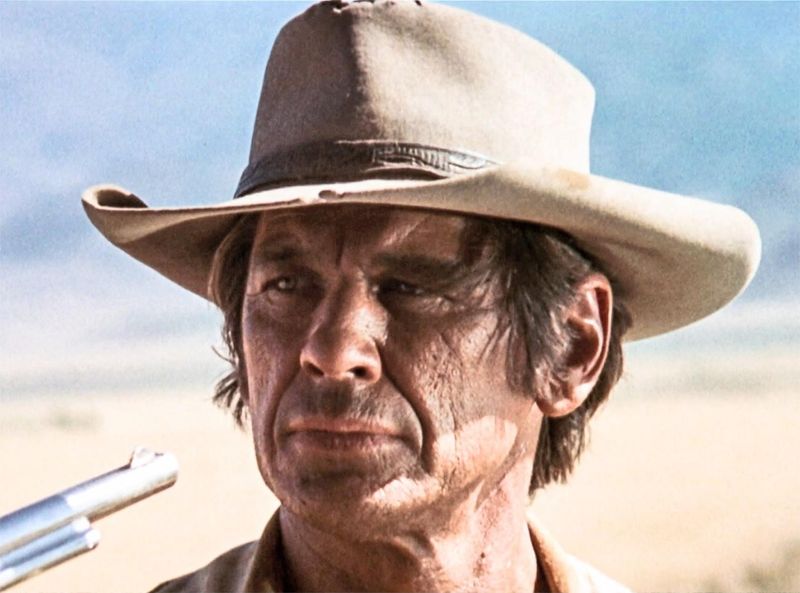
Mystery clings to this character like dust to boots after a long ride.
He speaks little, observes everything, and seems driven by something darker than justice.
The harmonica he carries isn’t charming background noise—it’s a warning.
Each note pulls him closer to a reckoning that’s been years in the making.
His calm demeanor masks a relentless pursuit of revenge that borders on obsession.
Unlike traditional heroes, he doesn’t save the innocent out of kindness.
He moves forward because he must, not because he wants to.
By the time his past is revealed, his cold resolve suddenly makes devastating sense.
4. Django (Django, 1966)
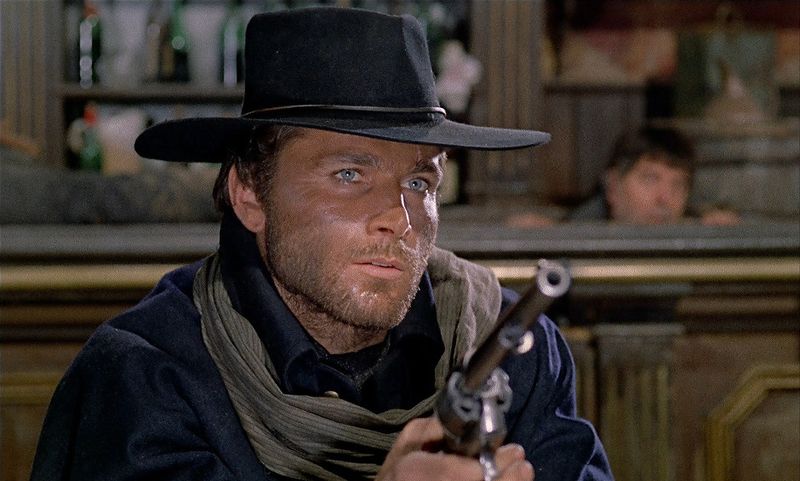
Dragging a coffin across the mud is one of the most unapologetically grim introductions in cinema.
This gunslinger doesn’t just flirt with darkness—he embraces it.
He plays violent factions against each other with ruthless efficiency.
Mercy is rare, and hesitation doesn’t exist.
Yet beneath the brutality lies a man shaped by betrayal and loss.
His actions feel less like heroics and more like controlled destruction.
You don’t admire him because he’s kind.
You admire him because he survives a world even crueler than he is.
That moral ugliness is exactly what makes him unforgettable.
5. Ethan Edwards (The Searchers)
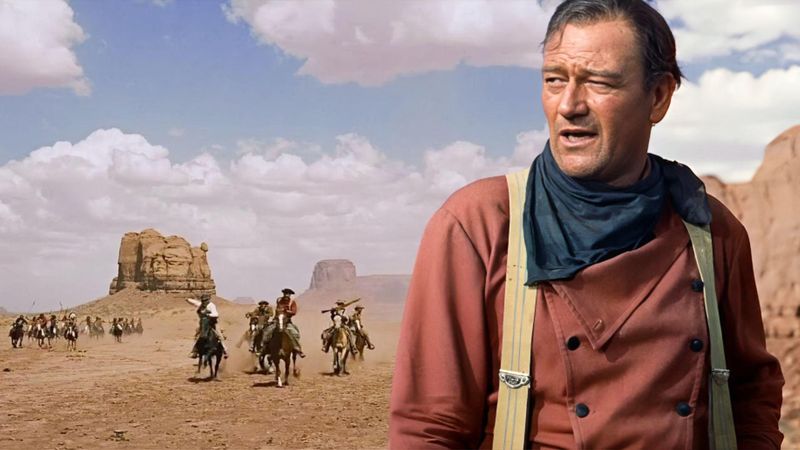
Hatred and loyalty coexist uncomfortably within this deeply troubled man.
His mission to rescue a kidnapped girl slowly mutates into something far more disturbing.
Racism, obsession, and pride drive his decisions as much as love does.
He’s capable of tenderness one moment and cruelty the next.
The film never asks viewers to excuse his behavior.
Instead, it forces us to sit with the ugliness that shaped him.
He protects what he considers his own while rejecting a place in civilized society.
In the end, he remains isolated, a symbol of a past that no longer fits.
6. Butch Cassidy (Butch Cassidy and the Sundance Kid)
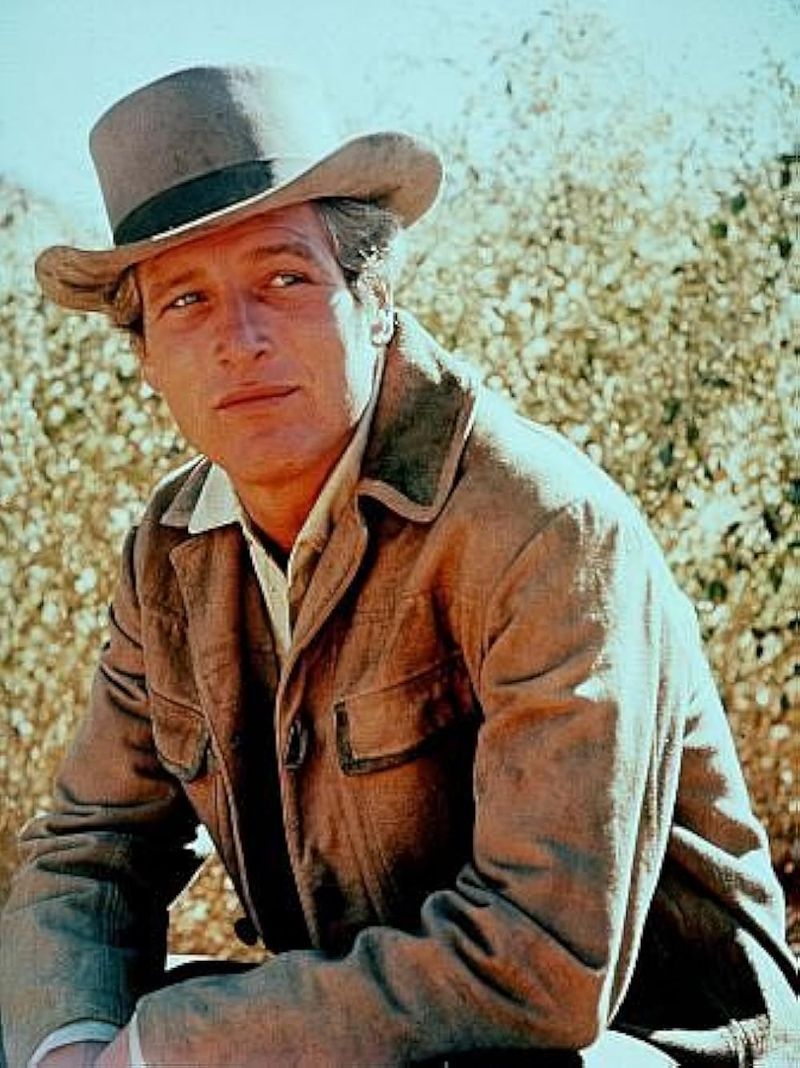
Charm pours off this outlaw like confidence at a card table.
He jokes, flirts, and laughs his way through robberies that should end badly.
Rules bore him, authority annoys him, and consequences feel optional—until they aren’t.
He believes cleverness can outsmart fate itself.
That belief makes him lovable and reckless in equal measure.
As the walls close in, humor becomes a coping mechanism.
His refusal to grow up is both endearing and tragic.
You root for him because he feels like a friend who never learned when to stop running.
7. The Sundance Kid (Butch Cassidy and the Sundance Kid)

Deadliness defines him long before words ever do.
Unlike his partner, he understands the danger they’re in.
He kills when necessary, not for fun or glory.
Guilt flickers behind his calm exterior, especially when violence escalates.
He longs for escape but doesn’t fully believe it’s possible.
Loyalty keeps him tethered to a doomed path.
His quiet acceptance of fate makes the story’s ending hit harder.
He’s proof that awareness doesn’t always grant salvation.
8. Johnny Guitar (Johnny Guitar)
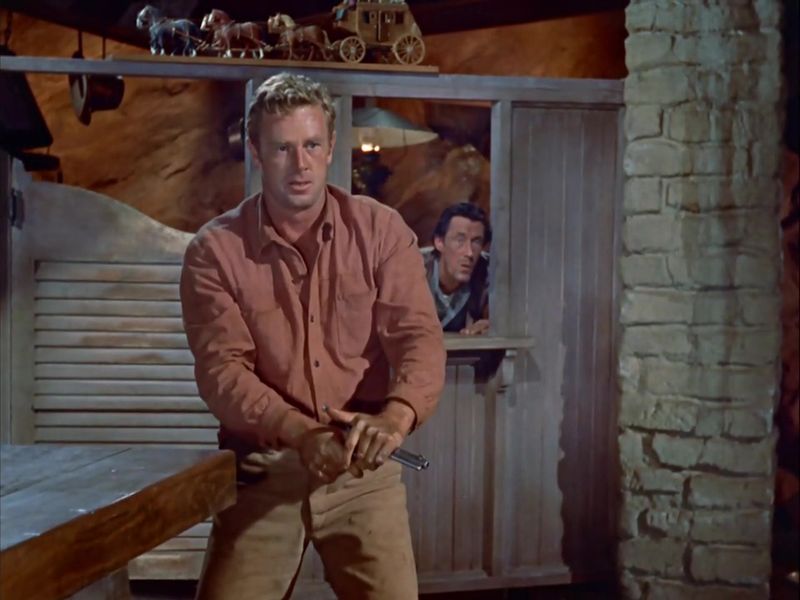
Trying to leave gunfights behind doesn’t mean the world lets you.
This former outlaw returns to chaos he hoped was finished with him.
His past makes him an easy target for suspicion and blame.
He’s softer than most Western leads, yet still dangerous when pushed.
The tension between who he was and who he wants to be defines every scene.
Love complicates his attempt at redemption.
So does a town eager to believe the worst.
His struggle shows how hard it is to outrun reputation in the Wild West.
9. Frank Griffin (Godless)
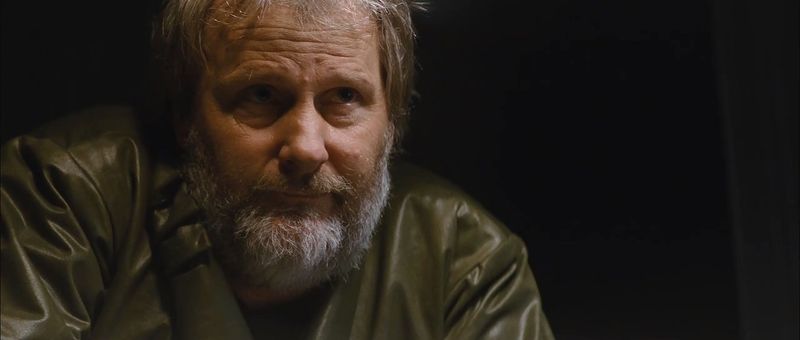
Power radiates from this character in deeply unsettling ways.
He rules his gang through fear, charisma, and twisted devotion.
Violence is not just a tool—it’s part of his identity.
He sees himself as a prophet rather than a criminal.
That warped self-image makes him terrifyingly convincing.
Moments of vulnerability only heighten the danger.
You never forget that empathy is something he weaponizes.
He’s an antihero whose magnetism forces viewers to confront their own fascination with villains.
10. Silence (The Great Silence)
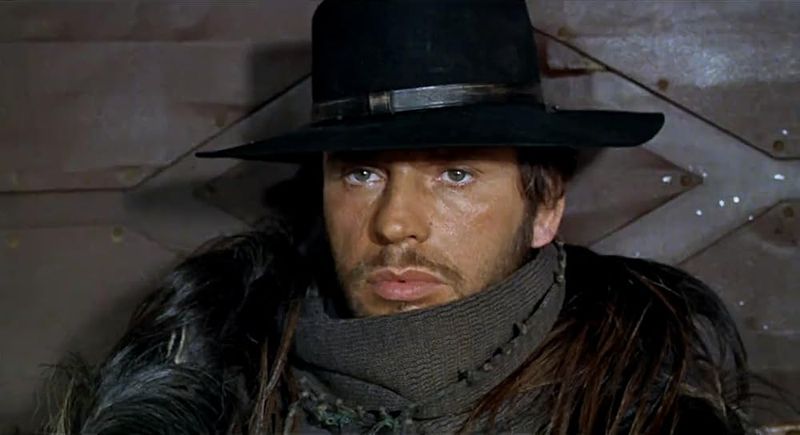
Speech isn’t necessary when a gun does the talking.
This mute gunslinger exists in a bleak, frozen world where justice has collapsed.
He hunts bounty killers who profit from legal murder.
On paper, his mission sounds heroic.
In practice, it’s relentless and morally exhausting.
Hope is scarce, and victories feel temporary.
The film denies comfort at every turn.
His story reminds viewers that fighting injustice doesn’t guarantee a happy ending.
Comments
Loading…