
 Harper Hall
We Ranked the 10 Best Sitcom Duos of All Time—Do You Agree?
Some sitcom characters are funny on their own, but magic really happens when the right two people are paired together.
Whether they were best friends, spouses, siblings, or coworkers, these duos gave us laughs that felt effortless and moments that felt oddly personal.
They argued, supported each other, crossed boundaries, and somehow always came back stronger by the end of the episode.
These relationships worked because they felt real, even when the situations were wildly exaggerated.
We didn’t just watch them—we rooted for them, quoted them, and sometimes saw pieces of ourselves in them.
From black-and-white classics to modern comedies, these iconic sitcom duos shaped television history in ways that still influence shows today.
Here are the ten best sitcom duos of all time, ranked not just by laughs, but by lasting impact and pure chemistry.
1. Lucy & Ethel (I Love Lucy)
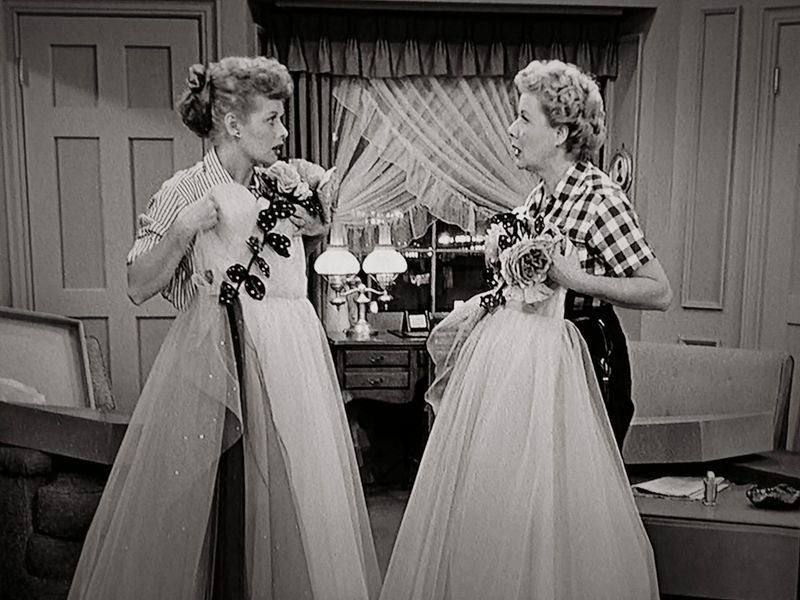
Television comedy was forever changed the moment these two schemed their way into trouble together.
Lucy Ricardo’s impulsive ambition paired perfectly with Ethel Mertz’s reluctant loyalty and sharp commentary.
Their friendship felt chaotic, deeply affectionate, and incredibly relatable, especially for women who dream big but don’t always think things through.
Whether they were stomping grapes or trying to sneak into show business, their physical comedy remains unmatched even decades later.
What made them special wasn’t just the laughs, but the unwavering way they stuck together no matter how badly things went wrong.
Lucy and Ethel showed that female friendships could be messy, competitive, and still full of genuine love.
They didn’t just influence sitcoms—they set the standard.
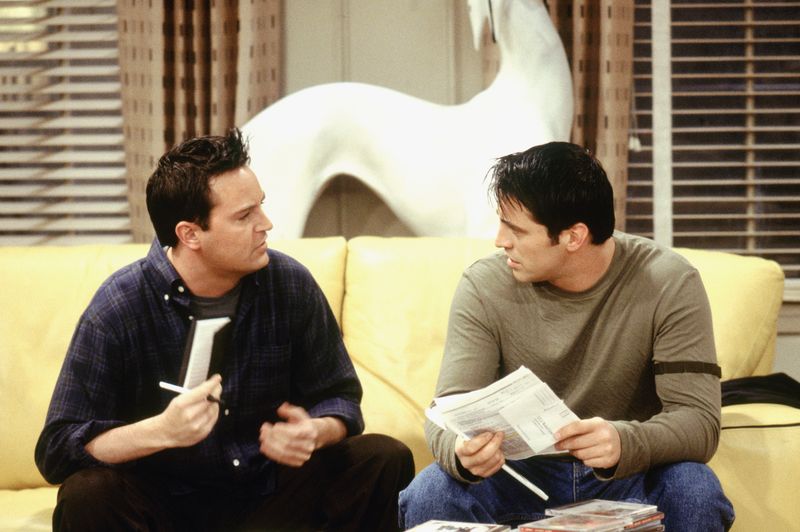
2. Chandler & Joey (Friends)

Few sitcom friendships captured male bonding with as much heart and humor as this unlikely pair.
Chandler’s sarcasm balanced Joey’s innocence in a way that made every scene feel effortless and genuine.
Their dynamic showed that masculinity didn’t have to be tough or emotionally distant to be funny or meaningful.
Whether they were arguing over chairs, protecting their apartment, or navigating heartbreak, their loyalty never wavered.
Some of the show’s most emotional moments actually came from their friendship rather than romantic relationships.
They laughed together, struggled together, and grew up together over ten seasons.
For many viewers, Chandler and Joey redefined what a healthy, loving friendship could look like.
3. Mary & Rhoda (The Mary Tyler Moore Show)
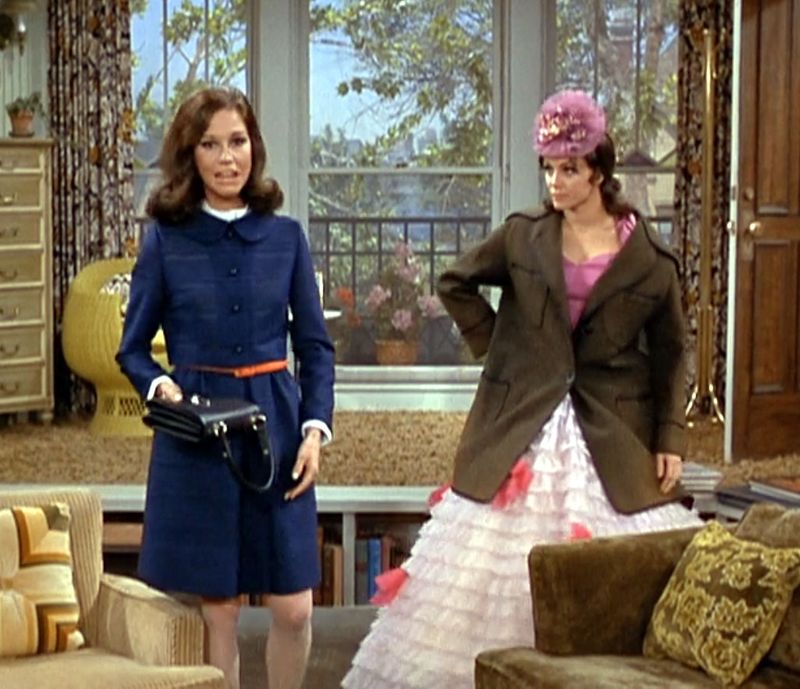
Long before “female friendship” became a sitcom buzzword, this duo quietly broke new ground.
Mary Richards’ optimism contrasted beautifully with Rhoda Morgenstern’s biting wit and vulnerability.
Their relationship felt refreshingly honest, especially in a time when women were rarely shown supporting each other on television.
They talked openly about careers, dating insecurities, and self-worth in ways that felt ahead of their time.
There was no competition between them, only mutual respect and emotional safety.
Their bond showed that independence didn’t mean isolation and ambition didn’t cancel friendship.
Mary and Rhoda paved the way for countless modern sitcom friendships that followed.
4. Laverne & Shirley (Laverne & Shirley)

Blue-collar humor met heartfelt loyalty in one of television’s most physical and joyful friendships.
Laverne’s toughness paired with Shirley’s optimism created a dynamic that felt chaotic but deeply sincere.
They worked hard, dreamed big, and stumbled constantly while navigating adulthood together.
Much of the comedy came from exaggerated slapstick, but the emotional core was always genuine.
Their friendship felt lived-in, like two people who had been through everything together.
They argued, failed, celebrated, and supported each other without question.
Laverne and Shirley proved that laughter and loyalty often come from shared struggle.
5. Jerry & George (Seinfeld)
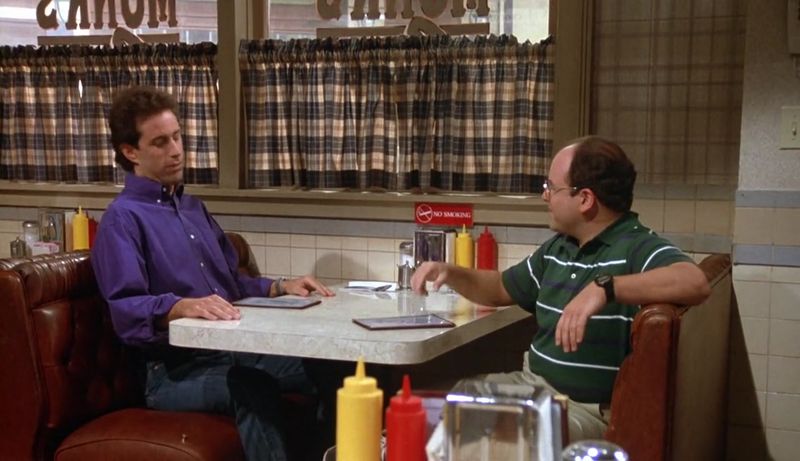
Few sitcom friendships captured neurotic codependency quite like this endlessly complaining duo.
Jerry’s calm detachment contrasted perfectly with George’s constant anxiety, insecurity, and self-sabotage.
Their conversations felt less like dialogue and more like mutual spirals fueled by bad decisions and worse logic.
George always brought the chaos, while Jerry served as both enabler and amused observer.
Together, they turned everyday inconveniences into full-blown philosophical crises.
The humor came from how seriously they took problems that absolutely did not matter.
Their friendship wasn’t aspirational, but it was brutally honest.
Jerry and George worked because they reflected the part of friendship where you validate each other’s worst instincts instead of fixing them.
6. Sophia & Dorothy (The Golden Girls)
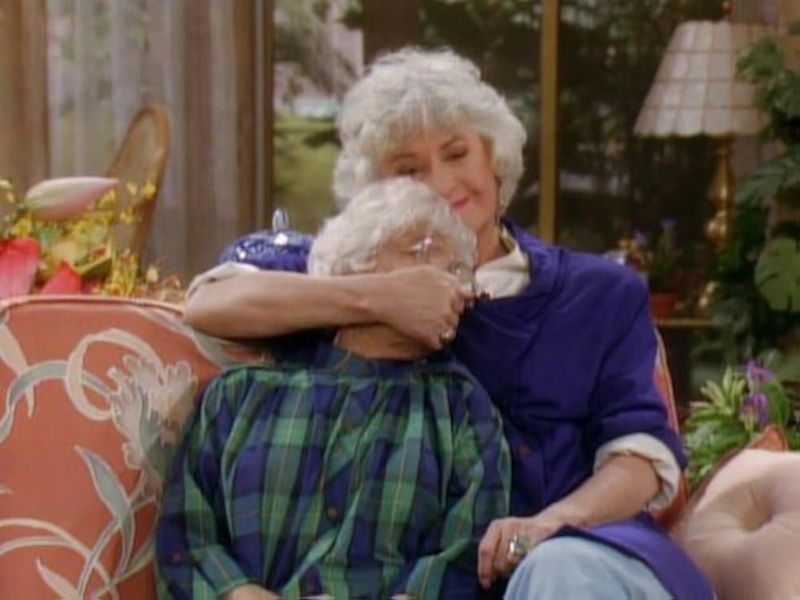
Sarcasm became an art form whenever these two shared a scene.
Dorothy’s intelligence and impatience were the perfect targets for Sophia’s unapologetic bluntness.
Their relationship felt authentic because it captured the complexity of mother-daughter dynamics later in life.
They insulted each other relentlessly while maintaining undeniable love and loyalty.
Beneath the jokes were real conversations about aging, regret, and resilience.
Few sitcom duos balanced emotional depth with sharp humor so seamlessly.
Dorothy and Sophia proved that family relationships don’t soften with age—they deepen.
7. Homer & Marge (The Simpsons)

At first glance, this animated couple seems built entirely on exaggeration.
Underneath the chaos, though, lies one of television’s most enduring portrayals of marriage.
Homer’s selfishness constantly clashes with Marge’s patience, yet their bond always survives.
They represent imperfect love, the kind built on forgiveness rather than fantasy.
Marge sees Homer clearly and chooses him anyway, flaws and all.
Over decades, their relationship has adapted while staying emotionally grounded.
Homer and Marge remind us that commitment is messy, funny, and deeply human.
8. Will & Carlton (The Fresh Prince of Bel-Air)
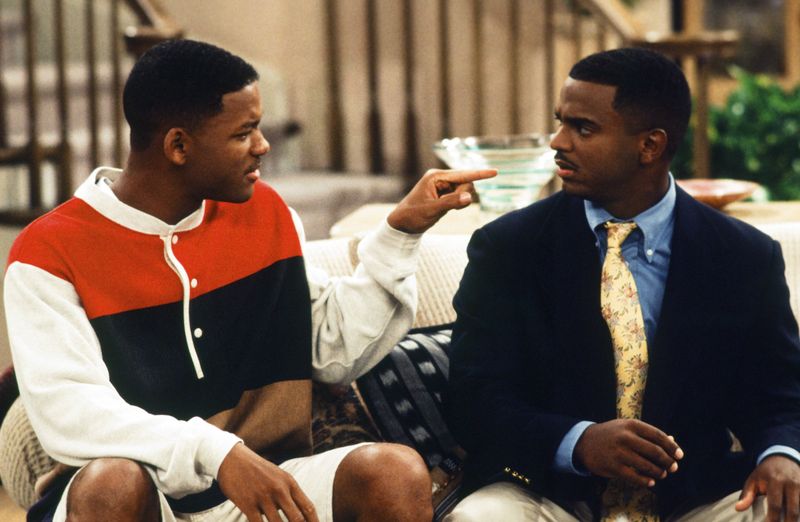
Culture clashes turned into heartfelt connection through this unforgettable cousin duo.
Will’s street-smart confidence contrasted sharply with Carlton’s rule-following ambition and insecurity.
Their differences sparked constant humor while also allowing room for meaningful conversations.
Episodes tackled race, privilege, and identity without losing their comedic edge.
Carlton’s vulnerability added depth to what could have been a one-note character.
Will’s loyalty showed itself most clearly when defending his cousin.
Together, they proved sitcoms could be funny, thoughtful, and emotionally resonant.
9. Abbi & Ilana (Broad City)

Modern female friendship was redefined through unapologetic chaos and honesty.
Abbi’s anxiety-ridden ambition paired perfectly with Ilana’s fearless confidence and loyalty.
Their friendship felt raw, messy, and refreshingly free of judgment.
They made terrible decisions together and supported each other without conditions.
The humor came from excess, but the emotional foundation was deeply sincere.
Unlike traditional sitcom friendships, theirs didn’t revolve around romance or approval.
Abbi and Ilana showed that friendship itself could be the main love story.
10. Jim & Pam (The Office)
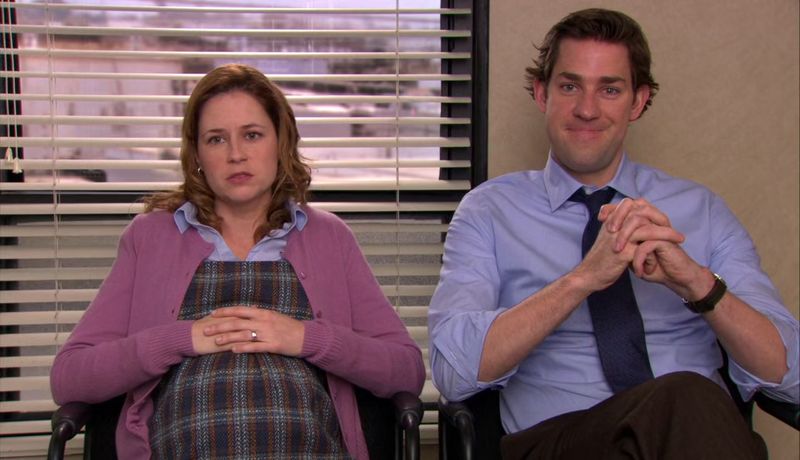
Romance quietly unfolded through shared glances, inside jokes, and workplace monotony.
Their connection felt organic, especially compared to the show’s louder personalities.
Jim’s pranks softened Pam’s routine while Pam’s warmth grounded Jim’s immaturity.
Viewers became emotionally invested long before the relationship officially began.
Their struggles later on made the relationship feel honest rather than idealized.
Not every moment was perfect, and that realism mattered.
Jim and Pam became iconic by feeling like people we actually knew.
Comments
Loading…