
 Isabel Parker
11 Signs You’re Dating Someone With a Victim Complex

Dating should feel like a partnership where both people support each other through life’s ups and downs. However, some relationships can become exhausting when one person constantly plays the victim in every situation. Recognizing the signs of a victim complex early can help you decide whether the relationship is healthy or if it’s time to set boundaries.
1. Nothing Is Ever Their Fault

Your partner never takes responsibility for mistakes or problems in the relationship.
When something goes wrong, they immediately point fingers at everyone else.
They blame their boss, their friends, their family, or even you for their own choices.
Taking accountability feels impossible for them because they see themselves as powerless.
This pattern creates a frustrating cycle where you can’t resolve conflicts.
Real growth in a relationship requires both people to own their actions.
Without accountability, trust starts to crumble.
Healthy partners admit when they’re wrong and work together to fix things.
2. They Turn Every Situation Into a Personal Attack
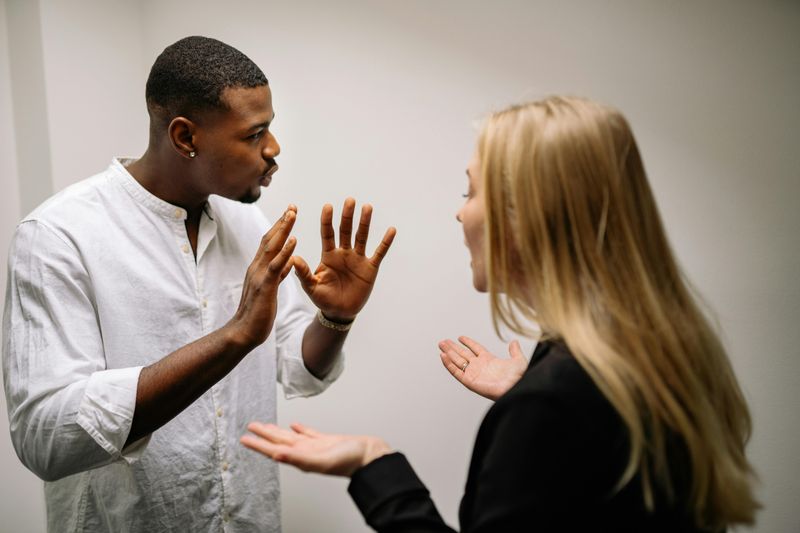
Casual comments somehow become major offenses in their mind.
You might suggest trying a new restaurant, and they’ll interpret it as criticism of their choices.
Even helpful feedback gets twisted into an attack on their character.
They seem to wear invisible armor that turns everyday words into weapons.
Walking on eggshells becomes your daily routine because anything could trigger a meltdown.
You start censoring yourself to avoid drama.
This hypersensitivity makes honest communication nearly impossible.
Partners should be able to share thoughts without constant misinterpretation.
Healthy relationships thrive on open dialogue, not defensive reactions.
3. They Compare Their Suffering to Everyone Else’s
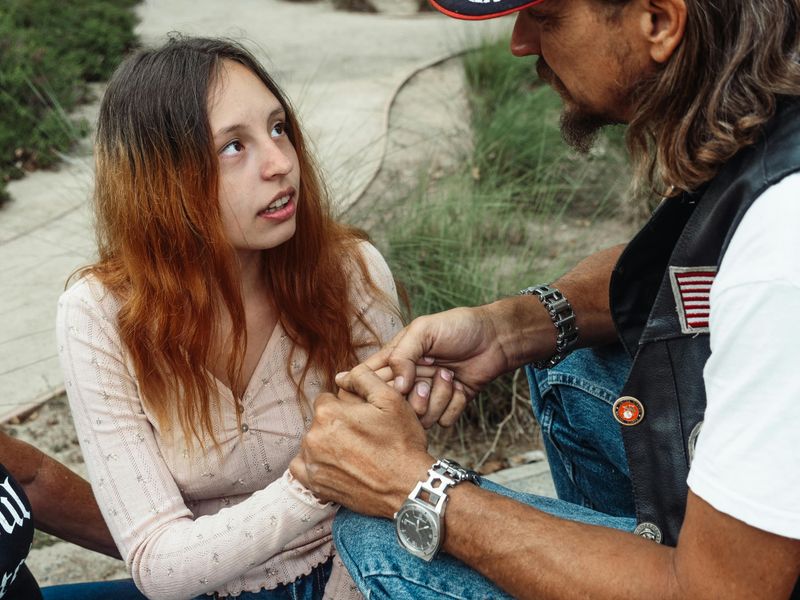
Did you have a rough day at work?
Their day was definitely worse.
Someone with a victim complex constantly competes for the title of “Most Suffering Person.”
They dismiss your problems because theirs always seem bigger and more important.
This one-upmanship prevents genuine emotional connection.
You stop sharing your feelings because they’ll just hijack the conversation.
Every talk becomes about their pain, their struggles, their hardships.
Empathy flows only in one direction.
Real partnerships involve mutual support where both people’s experiences matter equally.
Everyone deserves to feel heard without competing for sympathy.
4. They Refuse to Take Action to Improve Their Life

Complaining comes naturally, but making changes? That’s a different story.
Your partner endlessly talks about their problems but rejects every solution you offer.
They hate their job but won’t update their resume.
They complain about being lonely but refuse to make new friends.
This helplessness becomes a comfortable identity for them.
Taking action means giving up the victim role they’ve grown attached to.
You feel drained trying to motivate someone who prefers staying stuck.
Progress requires effort, and they’d rather stay in familiar misery.
Healthy people work toward solutions instead of camping out in problems.
5. They Guilt-Trip You Constantly

Manipulation through guilt becomes their favorite tool for getting what they want.
They make you feel terrible for spending time with friends or pursuing your hobbies.
Comments like “I guess I’m not important to you” become regular weapons.
They twist situations to make you the bad guy.
This emotional blackmail controls your behavior without them directly asking.
You start sacrificing your needs to avoid feeling guilty.
Before long, your whole life revolves around managing their feelings.
Healthy relationships don’t run on guilt and obligation.
Partners should encourage your independence, not punish you for it.
6. They Have a Victim Story for Everything

Every chapter of their life reads like a tragedy where they’re the innocent sufferer.
Their ex was horrible, their parents were terrible, and all their former friends betrayed them.
According to their version, they’ve never done anything wrong.
Everyone else is always the villain.
When everyone in someone’s past is painted as evil, that’s a red flag.
Life includes some conflicts, but constant victimhood suggests a pattern.
They rewrite history to maintain their innocent image.
Notice how they never acknowledge their own role in past problems.
Mature people recognize that relationships involve two sides, not just one innocent victim.
7. They Expect Special Treatment Because of Their Pain

Their suffering becomes a free pass to avoid responsibilities and normal relationship expectations.
They cancel plans last minute because they’re having a hard time, but they get upset when you do the same.
Rules apply to everyone except them.
Their pain makes them special in their eyes.
You’re expected to be endlessly patient and understanding while they show little consideration for your needs.
This double standard creates resentment over time.
Everyone faces challenges, but that doesn’t excuse poor behavior.
Healthy partners treat difficulties as something to work through together, not as immunity from basic respect and responsibility.
8. They Drain Your Energy With Negativity

Spending time with them feels like running an emotional marathon with no finish line.
Their constant negativity and pessimism suck the joy out of every situation.
Happy moments get overshadowed by their complaints and worries.
You start feeling exhausted after every interaction.
Their dark cloud follows you both everywhere, raining on every parade.
You used to feel energized by your relationship, but now it depletes you.
This emotional vampirism isn’t sustainable long-term.
Healthy relationships should add energy to your life, not drain it completely.
Partners should lift each other up, not pull each other down into endless negativity.
9. They Reject Help and Advice
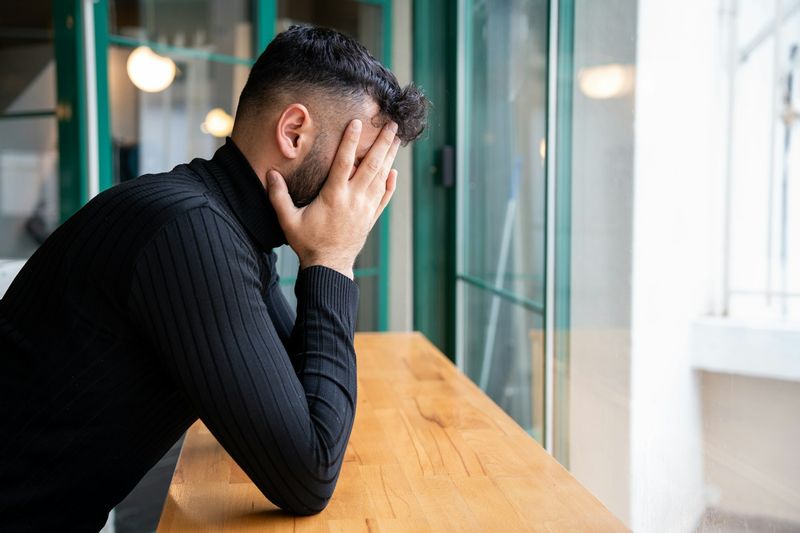
Offering solutions to their problems gets met with immediate resistance and excuses.
They ask for advice but shoot down every suggestion you make.
Nothing will work because their situation is uniquely hopeless.
They prefer complaining to actually solving problems.
This pattern reveals they want sympathy, not solutions.
Accepting help would mean giving up the victim identity they cling to.
You stop trying because your efforts always get rejected.
The frustration builds as you watch them stay stuck by choice.
Healthy people appreciate support and at least try suggestions.
Growth-minded partners welcome help instead of batting it away.
10. They Use Their Past as an Excuse

They use their troubled past as a constant justification for their present misbehavior.
While everyone’s history shapes them, they use theirs as a shield against accountability.
They justify being controlling, jealous, or mean because of what they went through.
Their past becomes an unchangeable prison.
Healing requires work, but they prefer staying wounded.
You’re expected to endlessly accommodate their trauma without seeing any progress.
Past pain explains behavior but doesn’t excuse it forever.
Mature people work through their history instead of using it as a lifetime pass.
Healthy partners acknowledge their wounds while actively working to heal them, not weaponizing them.
11. They Make You Feel Responsible for Their Happiness

Their emotional well-being becomes your full-time job, and you’re failing at it constantly.
They place their happiness entirely in your hands, making you responsible for their mood.
When they’re upset, it’s somehow your fault for not doing enough.
This burden crushes you slowly.
You sacrifice your own needs trying to keep them happy, but it never works.
No amount of effort fills the void inside them.
This codependent dynamic destroys both people over time.
Each person should own their emotional state.
Healthy partners contribute to each other’s happiness but don’t make it the other person’s sole responsibility.
Comments
Loading…