
 Mary Murphy
Every couple has disagreements, but therapists say the real danger isn’t in the fights themselves — it’s in the language partners use when tensions rise.
Words can heal, but they can also quietly chip away at trust, connection, and emotional safety.
You may not notice the shift right away, but certain phrases are like red flags waving in the background, hinting at deeper issues beneath the surface.
Healthy relationships make room for honest communication, empathy, and accountability, which means the way we speak to each other matters just as much as what we’re trying to say.
Before brushing off questionable comments as “just a bad mood,” it’s worth paying attention to the statements that therapists warn about most.
If these phrases sound familiar, consider them signs that something needs to change — sooner rather than later.
1. “You’re too sensitive.”

Hearing this can feel like someone just erased your entire emotional experience.
Therapists say this phrase often shows up when one partner doesn’t want to deal with the discomfort of being held accountable.
Instead of acknowledging the real issue, it shifts the focus onto the other person’s reaction, implying their feelings are the problem.
Over time, this kind of dismissal trains people to second-guess themselves, apologize for having emotions, and stay quiet to avoid being judged.
Healthy couples don’t weaponize sensitivity; they use it as a starting point for connection and understanding.
Emotional reactions aren’t flaws—they’re clues about what matters.
When someone repeatedly tells you you’re “too sensitive,” what they may really mean is that they’re unwilling to engage thoughtfully, and that’s a pattern worth taking seriously.
2. “If you really loved me, you’d do this.”

Emotional pressure disguised as affection is one of the biggest manipulation tactics therapists see in struggling couples.
A phrase like this turns love into a bargaining chip instead of a shared feeling, creating a dynamic where affection must be earned rather than freely given.
It can make a partner feel guilty for having boundaries, needs, or preferences of their own, all while reinforcing the idea that love equals compliance.
Over time, this erodes genuine intimacy, because decisions stop coming from mutual respect and start coming from fear of disappointing the other person.
Healthy love doesn’t require emotional gymnastics or proof through sacrifice.
Couples thrive when both people feel safe saying no without having their feelings questioned.
If love becomes a negotiation tool, the relationship needs a reality check—not another concession.
3. “I guess everything is my fault, as usual.”

Sarcasm may sound harmless, but therapists say this kind of phrase shuts down communication faster than almost anything else.
What seems like self-pity is often a subtle attempt to avoid responsibility by forcing the other person to reassure or comfort them instead.
It’s a classic passive-aggressive move, turning a conversation about accountability into an emotional rescue mission.
Instead of addressing the actual conflict, both partners get stuck in a loop where nothing gets resolved and resentment quietly builds.
Healthy communication depends on two people being able to own their part without dramatic detours or emotional manipulation.
Genuine apologies don’t require theatrics—they require clarity.
When someone repeatedly responds to conflict with exaggerated victimhood, it’s a sign that the relationship’s emotional dynamics are off balance and in need of repair.
4. “That’s just how I am – deal with it.”
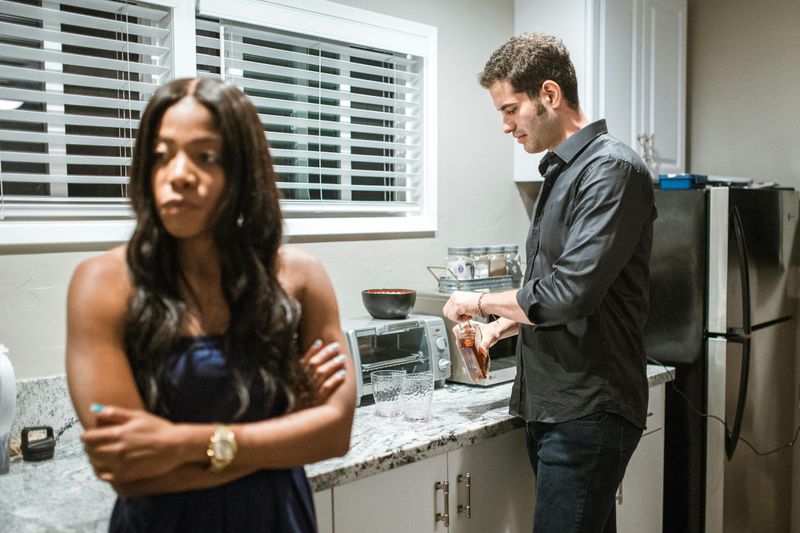
Rigid statements like this signal a refusal to grow, and therapists say it’s one of the biggest threats to long-term relationship health.
Partners don’t need to reinvent their personalities, but they do need to adapt, compromise, and show empathy when challenges arise.
Claiming fixed behavior as an excuse creates a dynamic where one person carries all the emotional weight while the other avoids change altogether.
This shuts down the possibility of meaningful progress because it frames any request for improvement as unreasonable.
Healthy relationships thrive on curiosity and flexibility, not stubborn self-justification.
When someone refuses to examine their impact, it leaves the other partner feeling unheard and unvalued.
If growth is off the table, the relationship becomes stagnant, and stagnation is rarely a sign of lasting love.
5. “You’re imagining things.”

Dismissive phrases like this can quietly chip away at someone’s sense of reality.
Therapists warn that it’s dangerously close to gaslighting, especially when used to avoid uncomfortable conversations or deflect accountability.
When a partner insists that your concerns don’t exist, it encourages self-doubt instead of honest communication.
Over time, people become hesitant to trust their instincts, even when something feels deeply wrong.
Healthy relationships give space for questions, clarity, and emotional transparency.
Partners don’t have to agree on every interpretation, but they should respect each other’s feelings enough to discuss them openly.
If someone regularly tells you you’re imagining things, the issue isn’t your perception—it’s the lack of willingness to engage with your experience.
6. “Why can’t you be more like ___?”

Comparisons may seem like quick ways to express frustration, but they create long-lasting insecurity.
Therapists say this phrase reveals more about the speaker’s unresolved dissatisfaction than about the partner being criticized.
Hearing that someone else—an ex, a friend, or even a celebrity—is the benchmark can immediately undermine self-esteem.
Instead of addressing a specific need, this comment suggests that the partner’s entire identity is somehow insufficient.
Healthy communication focuses on behaviors, not personal comparisons.
Couples thrive when expectations are shared openly rather than framed against someone else’s qualities.
If this phrase shows up often, it’s a sign the relationship needs more honest conversation about unmet needs—not a competition with imaginary standards.
7. “I don’t care.”

Few statements sting as deeply as hearing that the person you love feels indifferent.
Therapists say this phrase is often a sign of emotional withdrawal or stonewalling, which is a top predictor of relationship breakdown.
Apathy creates distance because it signals that one partner no longer feels invested in the shared emotional world.
Even if the words come from frustration or overwhelm, repeated indifference teaches the other person that their feelings don’t matter.
Healthy relationships require presence—especially during conflict.
Partners don’t have to agree, but they should be willing to show interest in each other’s experiences.
When “I don’t care” becomes a default response, it’s a sign that emotional connection needs urgent attention before the distance becomes permanent.
8. “It’s not my problem.”

Hearing this can instantly make a relationship feel less like a partnership and more like two people living separate lives.
Therapists point out that this phrase signals a refusal to share emotional or practical responsibility, which is essential for long-term connection.
Even if the issue didn’t start with both partners, the impact usually affects the relationship as a whole.
Dismissing concerns with “not my problem” creates resentment because it implies that support is conditional or transactional.
Healthy relationships operate as a team, especially when challenges arise.
Partners don’t need to fix everything, but they should be willing to stand beside each other.
If someone regularly avoids involvement, it’s a sign the emotional foundation needs strengthening before the distance starts to feel permanent.
Comments
Loading…