
 Hailey Watson
The Surprising Things People Forget All the Time

Ever walked into a room and completely blanked on why you went there?
You’re definitely not alone.
Our brains are incredible machines, but they sometimes drop the ball on the simplest things.
From misplacing everyday objects to forgetting someone’s name seconds after hearing it, these memory slips happen to everyone and can be both funny and frustrating.
1. Where You Put Your Keys
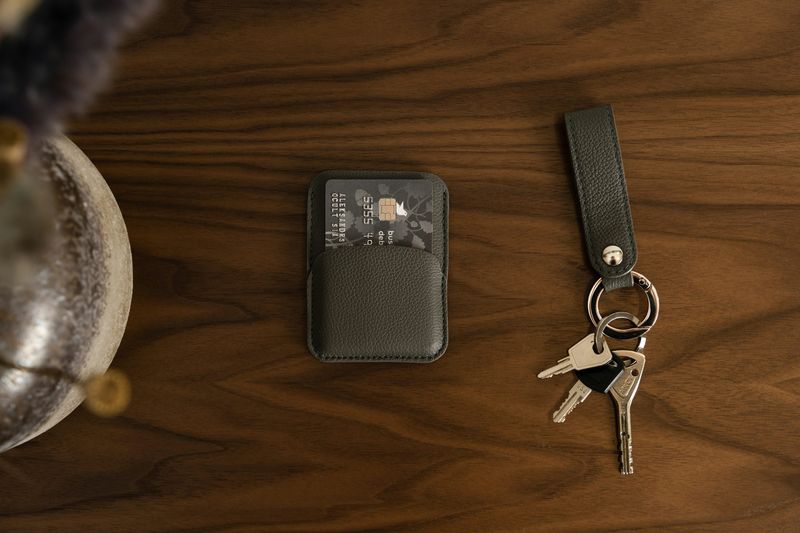
Most people have experienced that panicked moment when they need to leave but can’t find their keys anywhere.
You check your pockets, scan the countertops, and even look in the fridge sometimes.
Keys are small and we use them automatically, so our brains don’t always record where we tossed them.
Setting up a designated spot near your door can solve this problem completely.
A small bowl, hook, or tray gives your keys a home.
Make it a habit to place them there every single time you walk in, and you’ll never waste precious minutes searching again.
2. People’s Names Right After Meeting Them

You shake someone’s hand, they tell you their name, and within seconds it’s gone from your memory.
This happens because we’re often thinking about what to say next instead of focusing on the introduction.
Social anxiety or distractions can make it even worse.
Try repeating the person’s name out loud immediately after hearing it: “Nice to meet you, Sarah!”
This simple trick reinforces the memory.
You can also create a mental connection between their name and something about their appearance or personality.
Writing it down later helps too, especially if you’ll see them again soon.
3. Why You Entered a Room

Scientists actually have a name for this: the doorway effect.
Walking through a doorway acts like a mental reset button that can wipe your short-term memory clean.
Your brain treats different rooms as separate episodes, which is why your original intention gets lost in the transition.
Retracing your steps often brings the memory flooding back.
Walk back to where you started and your brain can reconnect with that original thought.
Another strategy is saying your task out loud before moving: “I’m going to the bedroom to get my charger.”
This verbal reinforcement keeps the thought active longer.
4. Your Phone Number or Password
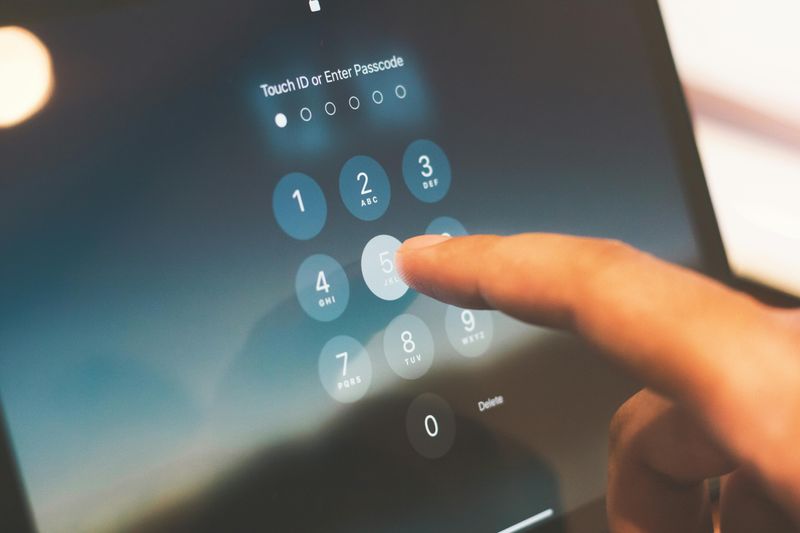
With smartphones automatically filling in our information, we rarely need to recall our own phone numbers anymore.
Passwords get saved by browsers, so we never actually memorize them.
Our brains are smart enough to forget information they don’t use regularly, which explains why these details slip away so easily.
Writing important numbers and backup codes in a secure physical location provides a safety net.
You might also create a password pattern you can remember rather than random characters.
For phone numbers, try calling yourself occasionally or sharing your number verbally to keep it fresh in your memory.
5. Items Left in Your Car or Rideshare
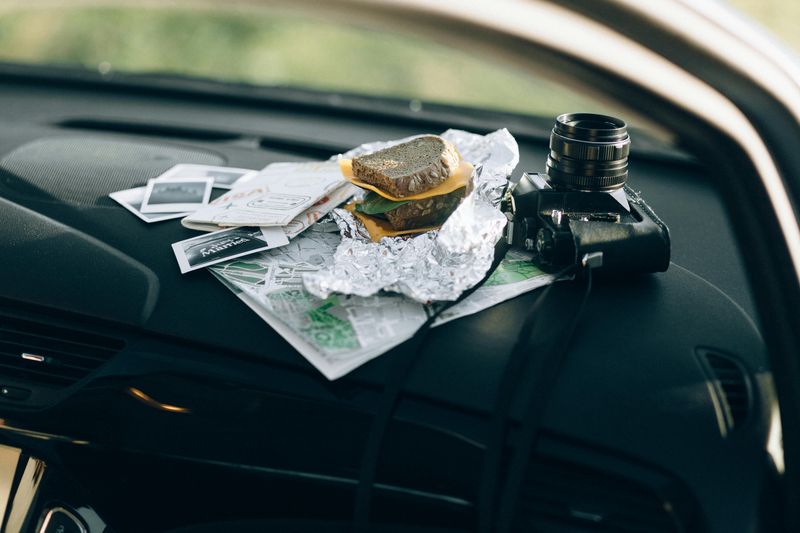
Phones, wallets, sunglasses, and even laptops get left behind in vehicles all the time.
When you’re in a hurry or distracted by conversation, your brain goes into autopilot mode.
You exit the car thinking only about your destination, not about gathering your belongings first.
Creating a mental checklist before leaving any vehicle can prevent this frustration.
Pat your pockets and glance at the seat beside you every single time.
Some people use the “phone-wallet-keys” mantra before stepping out.
If you’re in a rideshare, take an extra moment to look around before closing the door, because retrieving forgotten items later can be complicated.
6. Promises You Made to Others

“I’ll call you back,” “Let me send you that recipe,” or “I’ll help you move” are promises we genuinely mean when we say them.
But without writing them down, they can vanish from memory completely.
Life gets busy, new tasks pile up, and that sincere commitment just fades away, leaving others feeling let down.
Immediately adding promises to your phone’s reminder app or calendar prevents this social mistake.
Treat commitments to others as seriously as doctor’s appointments.
A quick note or alarm ensures you’ll follow through and maintain trust in your relationships.
People remember when you keep your word, and when you don’t.
7. What You Needed at the Store

How many times have you gone to the store for one specific thing and come home with everything except that item?
Without a written list, our brains struggle to hold multiple items in working memory.
Distractions from displays, other shoppers, and impulse purchases make it even harder to stay focused on your original mission.
Always make a list before shopping, even if you think you’ll remember.
Keep a running list on your phone throughout the week as you notice things running low.
Some people organize lists by store section to make shopping more efficient and ensure nothing gets missed.
8. Important Dates and Birthdays

Forgetting a birthday or anniversary can seriously hurt someone’s feelings, even though you care about them deeply.
With so many dates to track for family, friends, and coworkers, it’s easy for important occasions to slip through the cracks.
We assume we’ll remember, but then the day passes without us realizing it until it’s too late.
Digital calendars with notifications set for a week ahead and on the actual day work wonders.
You can also schedule reminders to buy cards or gifts in advance.
Some people dedicate time at the beginning of each month to review upcoming occasions and prepare accordingly, turning remembering into a system rather than relying on memory alone.
9. Personal Details About Acquaintances

Someone mentions their job, their kid’s name, or where they’re from, and you nod along.
But the next time you see them, those details have completely vanished.
With acquaintances we don’t see often, our brains don’t prioritize storing this information the way they do for close friends and family members.
Taking brief notes after social events helps tremendously, especially for networking situations.
Jot down a few key facts about each person you met while the conversation is still fresh.
When you see them again, quickly review your notes beforehand.
This small effort makes people feel valued and remembered, strengthening your connection with them over time.
10. To Drink Enough Water

Staying hydrated sounds simple, but countless people reach the end of the day realizing they barely drank any water.
When you’re focused on work, errands, or entertainment, thirst signals get ignored.
Before you know it, you have a headache and feel tired, not connecting these symptoms to dehydration until much later.
Keep a water bottle visible wherever you spend most of your time.
Set hourly reminders on your phone if needed.
Some people use bottles with time markers showing how much to drink by certain hours.
Making water easily accessible and creating regular drinking habits ensures you stay properly hydrated without having to constantly remember throughout your busy day.
Comments
Loading…