
 Hailey Watson
If Your Parents Mention These 12 Things, They’re Far Lonelier Than You Realize

Sometimes the people who raised us hide their feelings behind casual comments and polite smiles.
Your parents might mention certain phrases that seem harmless on the surface, but actually reveal a deeper sense of loneliness and disconnection.
Recognizing these signs can help you understand what they’re really feeling and find ways to strengthen your bond with them.
1. “Everyone’s so busy nowadays.”

When your mom or dad says this, they’re not just making an observation about modern life.
They’re actually expressing how disconnected they feel from the world around them.
Life keeps rushing forward for everyone else while they sit still, watching from the sidelines.
This phrase often masks feelings of being forgotten or unimportant.
Your parents remember when family gatherings were frequent and friends stopped by regularly.
Now, everyone has packed schedules and endless commitments.
What they really want to say is that they miss being part of your everyday life.
They long for spontaneous visits and unhurried conversations that don’t feel squeezed between appointments.
2. “You’ve got a lot going on.”

This statement sounds supportive, but there’s an unspoken message underneath.
Your parents are acknowledging your busy life while quietly mourning the limited time they get with you.
They’ve noticed the pattern of rushed phone calls and postponed visits.
Rather than making you feel guilty, they choose words that seem understanding.
But behind this phrase lies genuine sadness about how little they see you.
They miss having meaningful conversations that last longer than a few minutes.
Your parents want to be more involved in your world without seeming needy or demanding.
When they say this, consider it a gentle invitation to share more of your time, even if it’s just a longer phone conversation.
3. “The house is so quiet.”

Silence can be deafening, especially for parents who once had homes filled with laughter and activity.
This comment isn’t about appreciating peace and quiet—it’s about missing the energy and life that used to fill their space.
Empty rooms echo with memories of busier, happier times.
Parents who say this are grieving the loss of everyday noise: kids arguing, doors slamming, music playing.
That chaos represented connection and purpose.
Now, the stillness reminds them daily of what’s missing.
They’re hoping someone will notice their isolation and break up the monotony.
Even a short visit can transform their entire week, replacing silence with the sounds they desperately miss.
4. “All my friends are gone.”

Few statements reveal loneliness more clearly than this heartbreaking admission.
As people age, their social circles naturally shrink through relocation, illness, or death.
Losing friends isn’t just about missing companionship—it’s about watching your entire generation disappear.
Your parents built decades-long friendships with people who understood their experiences and shared their history.
When those connections vanish, they lose irreplaceable pieces of themselves.
Making new friends becomes harder with age, leaving a painful void.
This phrase is a cry for help disguised as a simple fact.
They need family more than ever to fill the emptiness left by departed friends and create new memories together.
5. “You didn’t answer my call yesterday.”

At first, this might sound like nagging or keeping score.
But your parents aren’t trying to guilt-trip you—they’re expressing how much your contact means to them.
Every unanswered call amplifies their worry and reinforces feelings of being unimportant.
They count on regular communication as proof that they still matter in your life.
When calls go unreturned, even temporarily, anxiety builds.
They wonder if something’s wrong or if you’re pulling away emotionally.
What seems like a minor complaint actually reveals their need for consistent reassurance.
A quick text explaining you’ll call later can ease their concerns and show that you value the connection as much as they do.
6. “People don’t value family the same way anymore.”

This observation about changing times is really about feeling left behind by modern values.
Your parents grew up when family came first, before careers, hobbies, and individual pursuits dominated everyone’s calendars.
They struggle to understand why family gatherings now require scheduling weeks in advance.
They’re not judging your choices—they’re mourning a cultural shift that leaves them feeling disconnected.
Traditions they held sacred now seem optional or outdated to younger generations.
This creates a painful sense of being obsolete.
Behind this complaint is a longing for the closeness they once knew.
They want to feel valued and prioritized, not squeezed into whatever time remains after everything else.
7. “No one tells me anything anymore.”
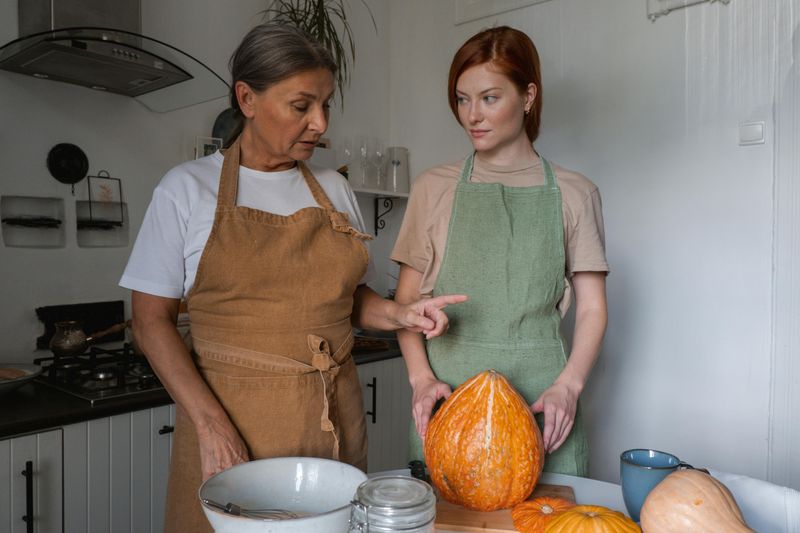
Being kept in the dark about family news cuts deeply.
Your parents raised you, celebrated your milestones, and solved your problems for years.
Now they discover important information secondhand or through social media, making them feel like outsiders in their own family.
This exclusion suggests they’re no longer central to family life.
Whether intentional or not, being the last to know signals that their opinions and involvement don’t matter as much anymore.
That realization stings.
They want to be trusted confidants again, not afterthoughts.
Sharing news directly—before posting it online—shows respect and maintains their sense of belonging within the family circle they helped create.
8. “I didn’t want to bother you.”

These words should immediately raise red flags.
Parents who say this have convinced themselves they’re burdensome, so they suffer in silence rather than reach out.
They might need help, crave conversation, or simply want to hear your voice, but fear seems too needy.
This mindset develops when people repeatedly feel their needs are inconvenient.
Your parents have likely picked up on subtle signals that you’re too busy or stressed for their concerns.
So they withdraw, prioritizing your comfort over their own wellbeing.
Hearing this phrase means you need to actively invite their involvement.
Reassure them that they’re never a bother and that you genuinely want to hear from them, whatever the reason.
9. “We don’t have to do anything this year.”
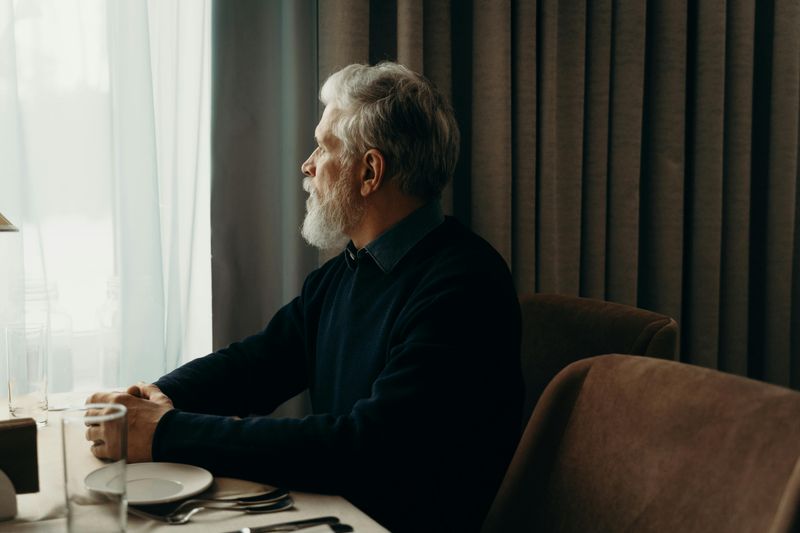
This seemingly casual suggestion about skipping holidays or birthdays actually reveals deep disappointment.
Your parents are trying to appear flexible and understanding, but they’re heartbroken about the possibility of spending special occasions alone or with minimal celebration.
Holidays represent rare guaranteed family time.
When those traditions fade, parents lose anchors that give their year structure and meaning.
They’d never admit how much they look forward to these gatherings because they don’t want to pressure anyone.
Don’t take this statement at face value.
They absolutely want to celebrate together.
Making the effort to maintain traditions—even simplified versions—shows them they’re still worth gathering for and creating memories with.
10. “I’m fine.” / “Don’t worry about me.”

Two of the most misleading phrases in the English language.
When parents insist everything’s okay, they’re often protecting you from their true feelings.
They’ve mastered the art of hiding loneliness behind brave faces and automatic responses.
This protective instinct comes from years of putting their children’s needs first.
Even now, they’d rather struggle alone than add to your worries.
They minimize their emotions, dismissing their own need for companionship and support.
Look beyond their words to their behavior and circumstances.
Are they truly fine, or are they isolated and struggling?
Ask specific questions and show genuine interest.
Sometimes permission to be honest is all they need to open up.
11. “I never see my grandkids anymore.”
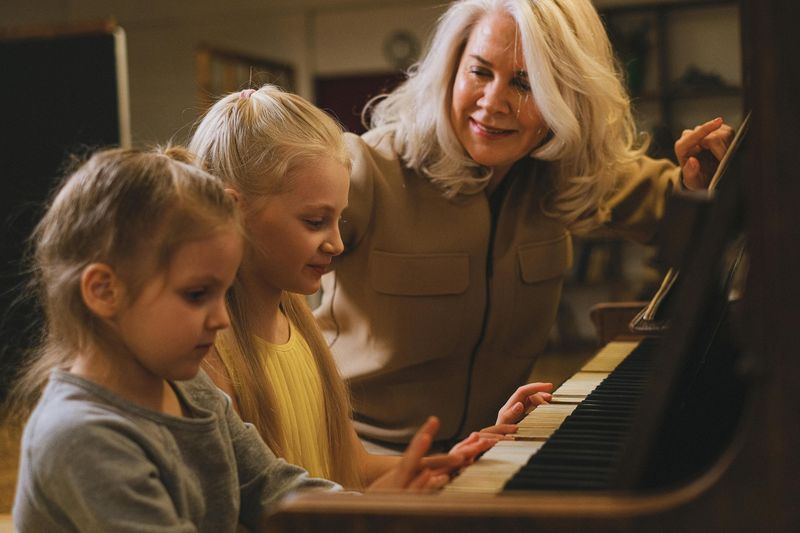
Grandchildren represent renewal and future for aging parents.
When they rarely see these precious little ones, the loss feels profound.
They’re missing crucial years of development and bonding opportunities they’ll never get back.
This statement combines multiple layers of pain: missing the children themselves, feeling excluded from their lives, and recognizing that time is running out.
Every missed visit represents lost memories and weakening relationships.
Grandparents worry they’ll become strangers to their own grandchildren.
Facilitating regular contact—through visits, video calls, or photos—gives your parents something to look forward to and helps maintain meaningful intergenerational bonds.
These connections provide purpose and joy that combat loneliness.
12. “I just wish things were like they used to be.”

Pure nostalgia wrapped in sadness.
This longing for the past isn’t just about missing specific times—it’s about mourning when they felt needed, connected, and central to a bustling family life.
Back then, their purpose was clear and their days were full.
Your parents remember when they were indispensable, when everyone gathered regularly without elaborate planning.
Those memories highlight how much has changed and how isolated they feel now.
The past represents a time when they mattered more.
While you can’t recreate yesterday, you can build new traditions and connections.
Show them they’re still essential by actively including them in your present, proving their role in your life remains valuable and irreplaceable.
Comments
Loading…