
 Isabel Parker
11 Comforts of the Middle Class That the Poor Can’t Afford

Economic inequality creates a divide that affects everyday life in ways many people don’t even realize. While the middle class enjoys certain comforts and conveniences, those living in poverty often struggle to access basic necessities, let alone small luxuries.
Understanding these differences helps us appreciate what we have and recognize the challenges faced by millions of families working hard just to get by.
1. Quality Healthcare Access

Regular doctor visits and preventive care might seem normal to some, but they’re actually privileges many families can’t afford.
Middle-class households typically have health insurance that covers annual checkups, dental cleanings, and necessary medications without causing financial stress.
When someone gets sick, they can see a specialist without worrying about bankruptcy.
Poor families, however, often delay medical care until emergencies arise, leading to worse health outcomes and even higher costs.
Prescription medications, mental health services, and routine screenings become luxuries rather than standard care.
The difference between catching a disease early versus treating it in crisis mode can literally be life or death.
2. Safe and Stable Housing

Middle-class families often take for granted living in safe neighborhoods with good schools, homes with reliable heat, plumbing, and free from pests or mold.
Landlords respond to repair requests promptly, and families don’t fear sudden eviction notices.
Kids can play outside without constant supervision because the streets feel secure.
Contrast this with poor families who may live in substandard housing with broken appliances, dangerous electrical wiring, and high crime rates.
Moving isn’t an option when you’re barely affording rent where you are, trapping families in unhealthy environments.
3. Emergency Savings Fund

Financial experts recommend saving three to six months of expenses for emergencies, advice that’s realistic for middle-class earners but impossible for those in poverty.
Having a cushion means unexpected car repairs, medical bills, or job loss won’t immediately spiral into disaster.
Middle-class families can weather storms without going into debt or losing their homes.
They have checking accounts with buffers, not accounts that constantly hover near zero.
Poor families live paycheck to paycheck with nothing left over.
One unexpected expense—a broken refrigerator, a sick child, a stolen wallet—can trigger a cascade of problems including missed rent, utility shutoffs, and crushing debt.
4. Nutritious Food Choices

Walking into a grocery store and buying whatever your family needs for balanced meals is a comfort many enjoy without thinking twice. F
resh produce, lean proteins, and organic options fill middle-class shopping carts because budgets allow for nutritional priorities.
Families can accommodate dietary restrictions, food allergies, and preferences without major sacrifices.
Meal planning focuses on health rather than just filling stomachs cheaply.
Poor families often rely on inexpensive processed foods high in calories but low in nutrition.
Fresh fruits and vegetables spoil quickly, making them risky purchases when every dollar counts.
The result is higher rates of obesity, diabetes, and other diet-related health problems.
5. Educational Opportunities

Tutors, music lessons, sports teams, and college prep courses give middle-class kids advantages that compound over time.
Parents can afford school supplies, field trips, and technology that enhance learning experiences.
Summer camps keep kids engaged and learning during breaks rather than falling behind.
SAT prep courses and college application help smooth the path to higher education.
Poor students often attend underfunded schools with outdated textbooks and overcrowded classrooms.
Extracurricular activities cost money families don’t have, and working part-time jobs to help with household expenses leaves little time for homework.
The achievement gap starts early and widens throughout childhood.
6. Professional Work Attire

Dressing appropriately for work interviews and professional environments requires an investment that pays dividends in career advancement.
Middle-class workers maintain wardrobes with multiple outfits suitable for office settings, dry cleaning budgets, and shoes that look polished.
First impressions matter tremendously in job searches and workplace culture.
Having the right clothes opens doors to better positions and networking opportunities.
Poor job seekers often lack funds for even one complete professional outfit.
Wearing worn-out or inappropriate clothing to interviews creates unfair disadvantages before they even speak.
The phrase “dress for the job you want” assumes you can afford to dress at all.
7. Reliable Transportation
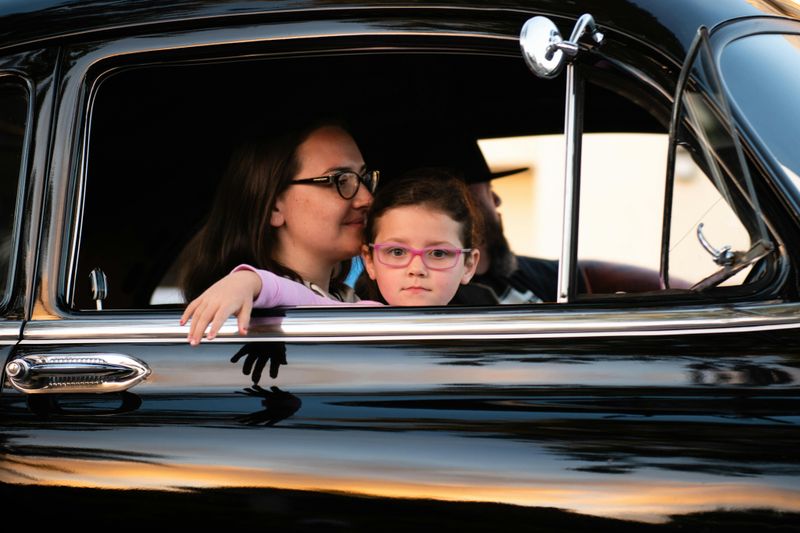
Owning a dependable vehicle opens up opportunities that public transportation simply can’t match.
Middle-class families can drive to better-paying jobs farther from home, take kids to after-school activities, and handle emergencies without relying on bus schedules.
Car maintenance becomes routine rather than catastrophic.
Oil changes, new tires, and minor repairs get handled before they turn into expensive breakdowns.
Poor families often depend on unreliable vehicles that constantly need fixing, or they’re stuck with limited public transit options.
Missing work because your car broke down or the bus was late can mean losing your job, creating a vicious cycle that’s hard to escape.
8. Dental Care
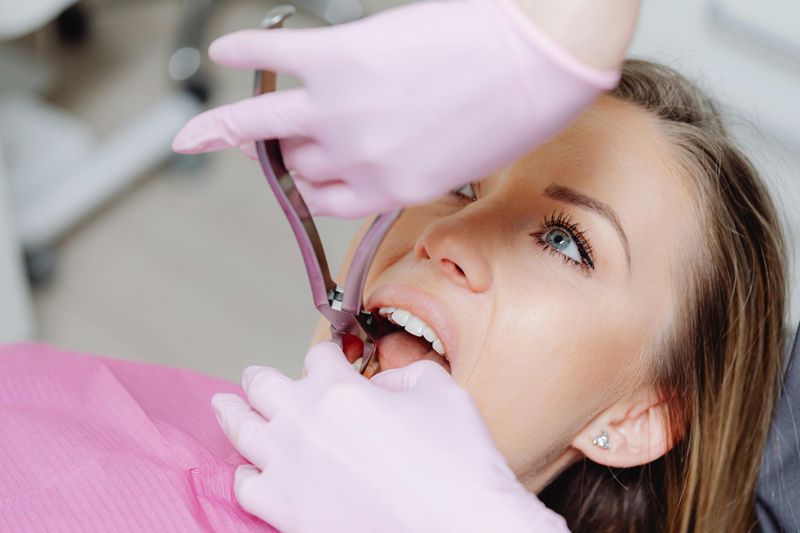
Bright, healthy smiles result from regular dental visits that middle-class families schedule twice yearly without financial stress.
Cavities get filled promptly, teeth get cleaned professionally, and orthodontic work corrects alignment issues during childhood.
Dental insurance typically covers preventive care, making routine maintenance affordable.
Problems get addressed before they become painful emergencies requiring expensive interventions.
Poor families often skip dental care entirely because it’s considered less urgent than medical needs.
Toothaches get ignored until infections develop, sometimes requiring emergency room visits that cost far more.
Missing or damaged teeth affect job prospects, self-esteem, and overall health in ways that perpetuate poverty.
9. Childcare Options

With the right childcare, middle-class parents can hustle at work knowing their children are safe, inspired, and thriving in a world designed just for them.
Flexible options include after-school programs, summer camps, and backup care for sick days.
Parents can focus on work knowing their kids are well cared for.
Poor families face impossible choices between working and supervising children.
Affordable childcare often means unlicensed home daycares with questionable safety standards, or relying on older siblings and relatives.
Some parents work opposite shifts to cover childcare, sacrificing family time and sleep.
10. Mental Health Support

Therapy and counseling services help middle-class individuals process stress, trauma, and life challenges before they become debilitating.
Regular sessions with licensed therapists provide tools for managing anxiety, depression, and relationship issues.
Mental health gets treated as importantly as physical health, with insurance often covering at least partial costs.
Taking a mental health day from work doesn’t risk termination.
Poor families rarely access mental health services due to cost, stigma, and lack of available providers in their communities.
Untreated mental illness compounds other challenges, affecting job performance, parenting, and physical health.
The stress of poverty itself creates mental health issues that go unaddressed, creating another cruel cycle.
11. Leisure and Recreation

From annual vacations to weekend escapes, middle-class families enjoy stress relief and memory-making, with movie nights, dining out, and hobbies built into budgets that allow for life’s little pleasures.
Kids participate in sports leagues, take music lessons, and attend birthday parties without parents worrying about costs.
Family bonding happens through shared experiences and adventures.
Poor families rarely experience vacations or even simple outings like bowling or mini-golf.
Entertainment means free parks and libraries when available.
Children watch peers discuss trips and activities they’ll never experience, creating social isolation alongside economic hardship.
Rest and rejuvenation become impossible luxuries.
Comments
Loading…