
 Isabel Parker
12 Everyday Details Men Overlook That Make Them Look More Feminine

Most guys don’t realize that small everyday choices can completely change how others see them.
From the way you shake hands to the colors you wear, these little details add up and send signals you might not intend.
Understanding what creates a softer or more feminine appearance isn’t about judgment—it’s about awareness and control over your own image.
1. Excessive Filters on Photos
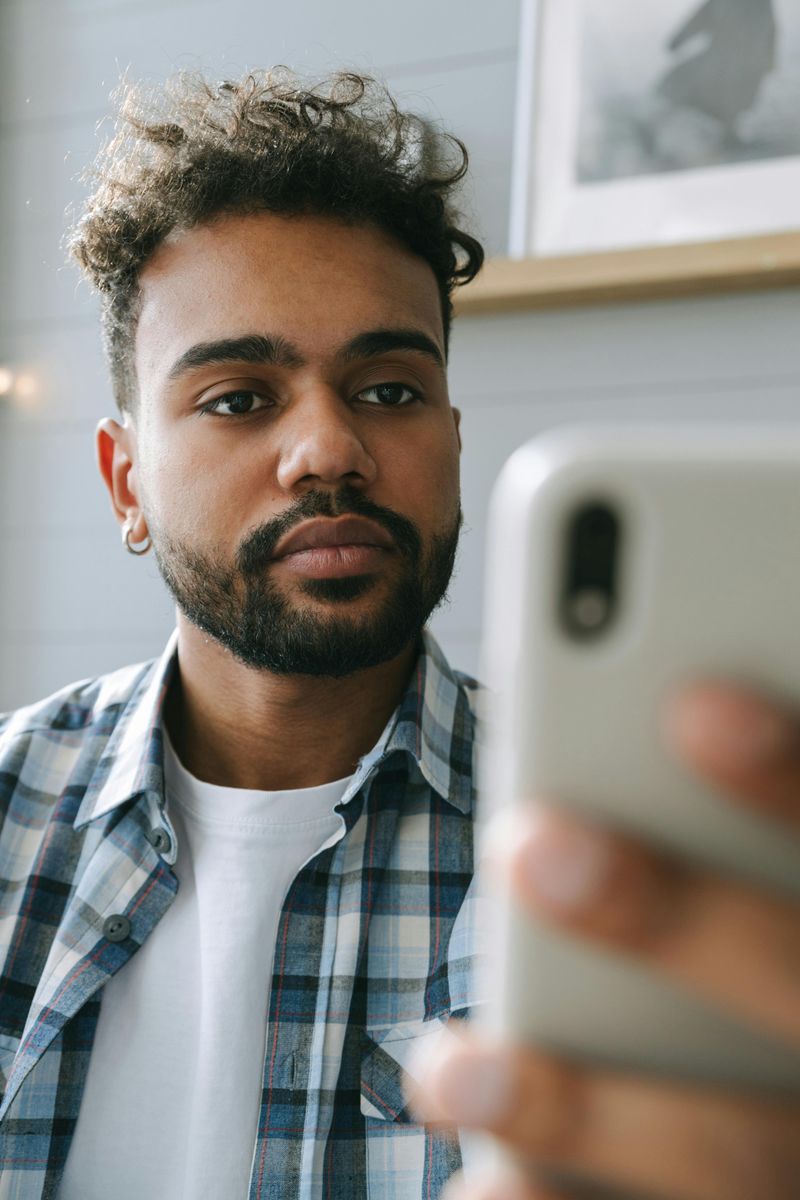
Heavy smoothing and skin-blurring apps have become super popular, but they can backfire in unexpected ways.
When you crank up the beautifying filters, your features get softened so much that your face loses its natural angles and definition.
This creates an unintentionally polished, delicate look that reads more feminine than masculine.
Your jawline disappears, your skin texture vanishes, and suddenly you look like a completely different person.
Try using minimal or no filters to keep your natural features intact.
A little brightness adjustment is fine, but avoid anything that dramatically smooths your skin or changes your face shape.
2. Excessive Makeup Application
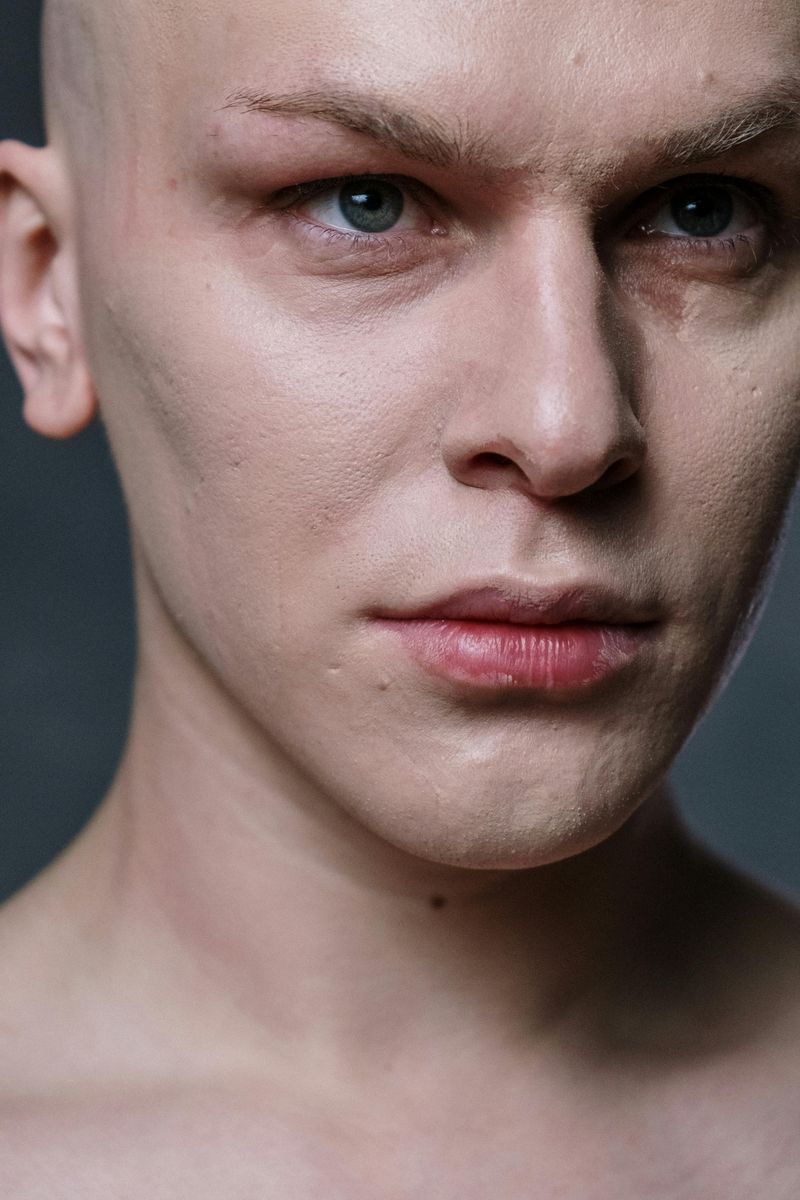
Grooming products for men have exploded in recent years, and that’s mostly a good thing.
But there’s a fine line between looking polished and looking overly made-up.
When guys overuse concealer, foundation, or contouring products, the result can lean more feminine than intended.
Heavy coverage removes natural texture and creates that super-smooth, magazine-ready appearance typically associated with women’s beauty standards.
If you use makeup, stick to spot-concealing and light coverage.
Let your natural skin show through, and focus on skincare instead of heavy products.
A little goes a long way when it comes to looking fresh without crossing into overly polished territory.
3. Longer Styled Hair
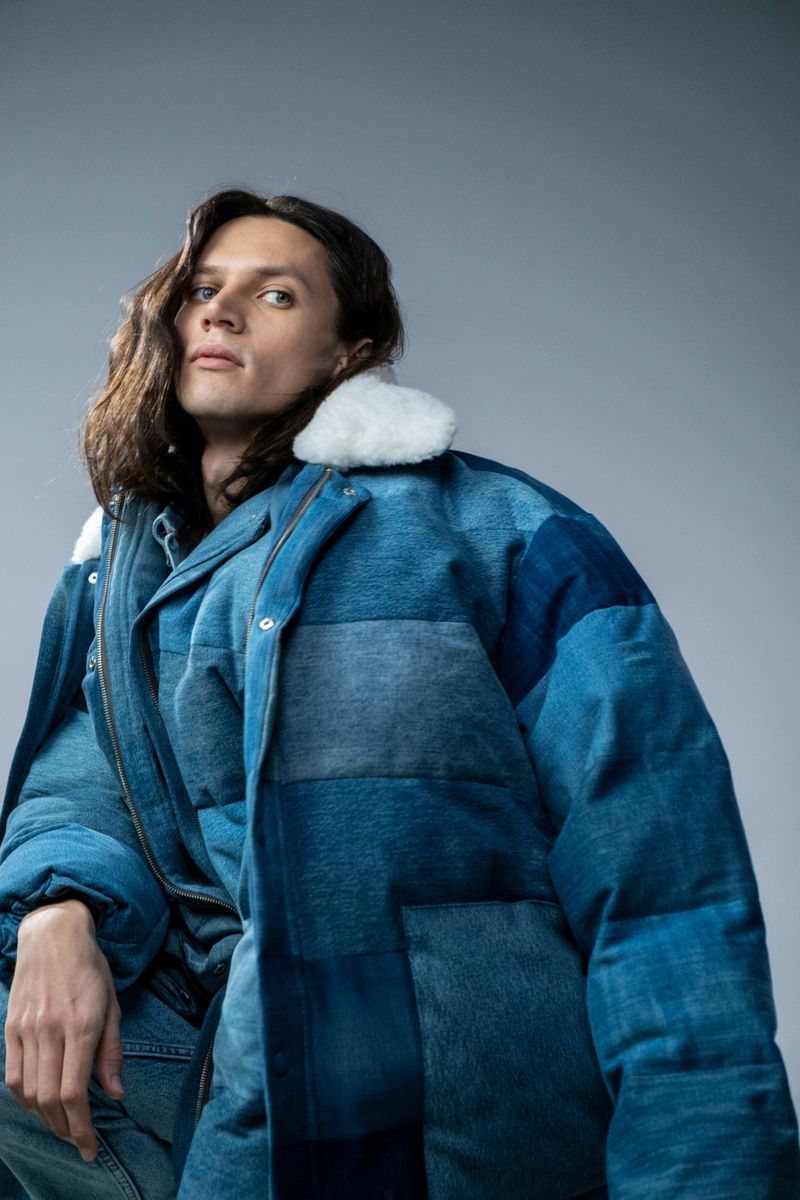
Long hair on men can look awesome, but certain styles tip the scales toward a more feminine vibe.
Very layered cuts, heavily styled waves, or hair that’s constantly brushed to perfection can read as feminine depending on your face shape.
The key difference usually comes down to how the hair frames your face.
If it softens your features too much or hides your jawline completely, it might create an unintended effect.
Consider how your hairstyle works with your natural bone structure.
Adding some texture, keeping it a bit messier, or pulling it back occasionally can maintain a more masculine edge while still rocking longer locks.
4. Sitting With Legs Crossed Tightly
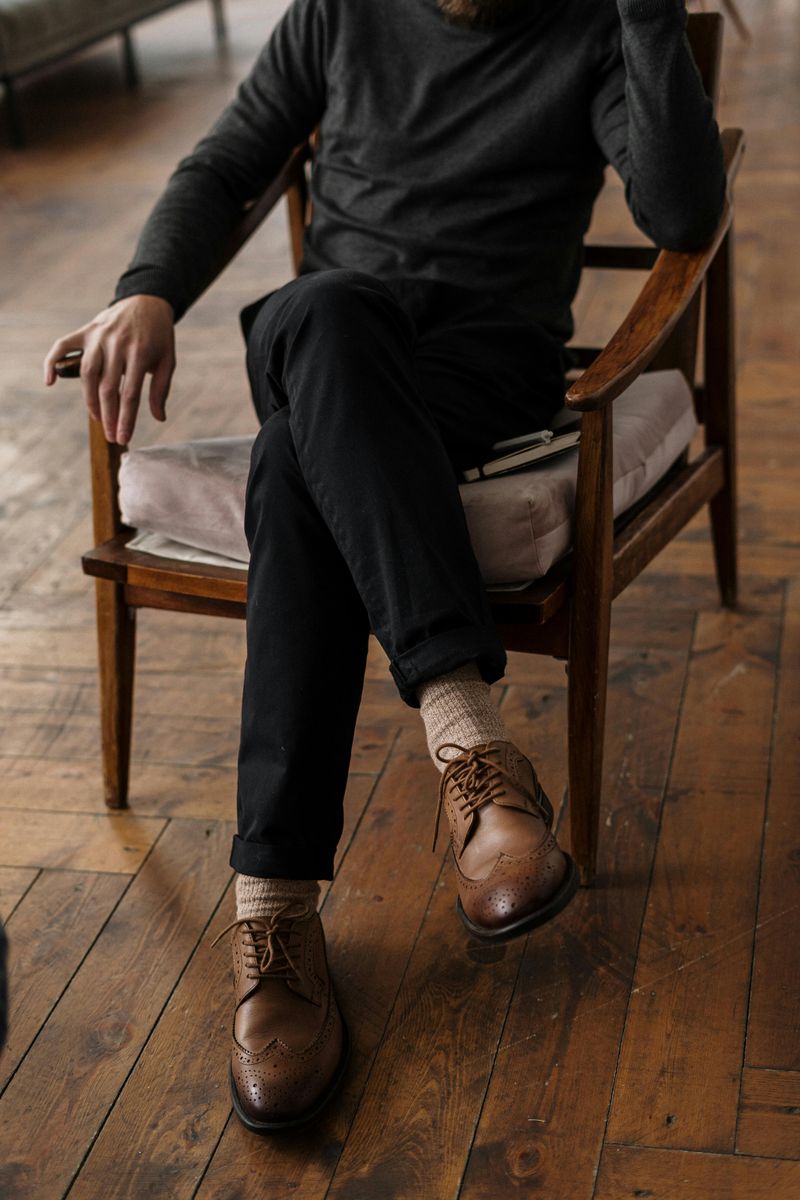
Body language speaks volumes before you ever say a word.
Crossing your legs tightly at the knees is one of those subtle gestures that carries strong cultural associations with femininity.
It’s not about right or wrong—it’s about perception.
This posture closes off your body language and creates a more delicate silhouette compared to wider, more open stances.
If you want to project a more traditionally masculine presence, try sitting with your feet flat on the floor or crossing one ankle over the opposite knee instead.
These positions take up more space and signal confidence in a way that aligns with masculine body language expectations.
5. Weak or Limp Handshake

First impressions happen fast, and your handshake is often the very first physical contact you make with someone.
A soft, limp handshake immediately signals a lack of confidence and assertiveness.
Whether fair or not, many people unconsciously associate a weak grip with feminine characteristics.
It can make you seem unsure, timid, or disengaged, even if that’s not how you feel at all.
Practice a firm (but not crushing) handshake with good eye contact.
Your grip should be solid and confident, matching the other person’s energy.
This small adjustment can dramatically change how people perceive you in professional and social situations.
6. Big Baggy Oversized Shirts
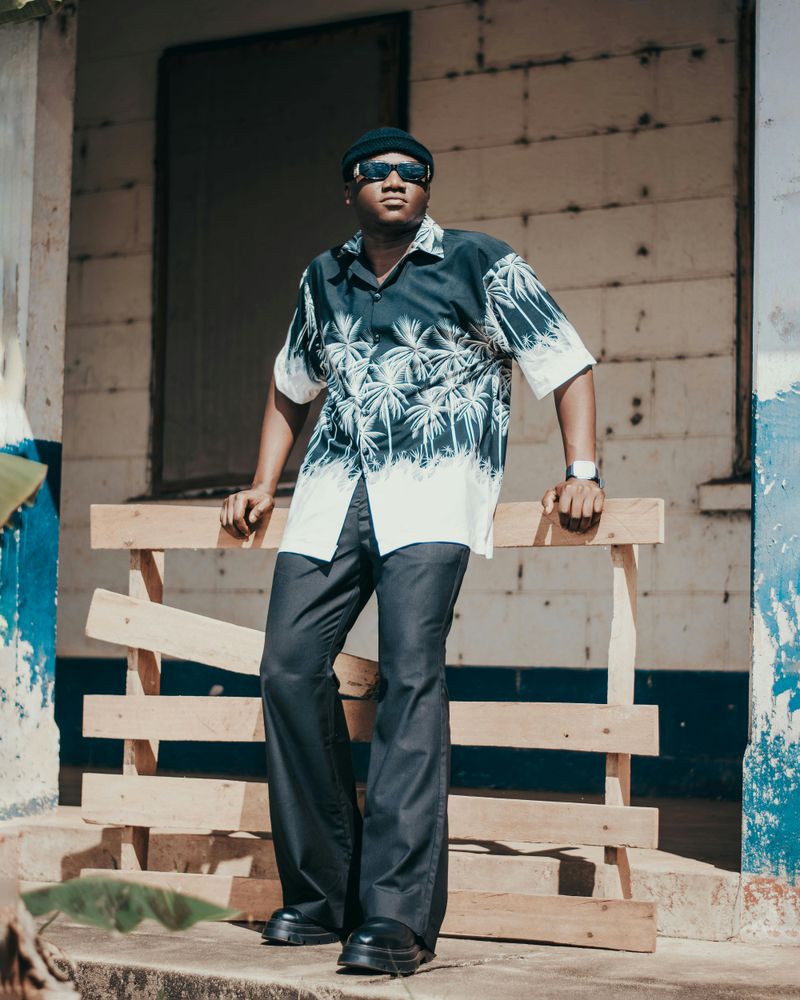
Streetwear and comfort fashion have made oversized clothing trendy, but there’s a downside for guys who want to maintain a masculine silhouette.
Very loose, drapey shirts hide your shoulders and frame completely.
Your shoulder width is one of the key visual markers of masculinity, and when you cover it up with shapeless fabric, you lose that structured look.
The result can appear more feminine because it removes the angular, broad-shouldered profile.
Choose clothes that fit well through the shoulders even if they’re relaxed elsewhere.
You can still be comfortable without drowning in fabric that hides your natural shape and makes you look smaller than you are.
7. Over-Manscaping or Excessive Grooming
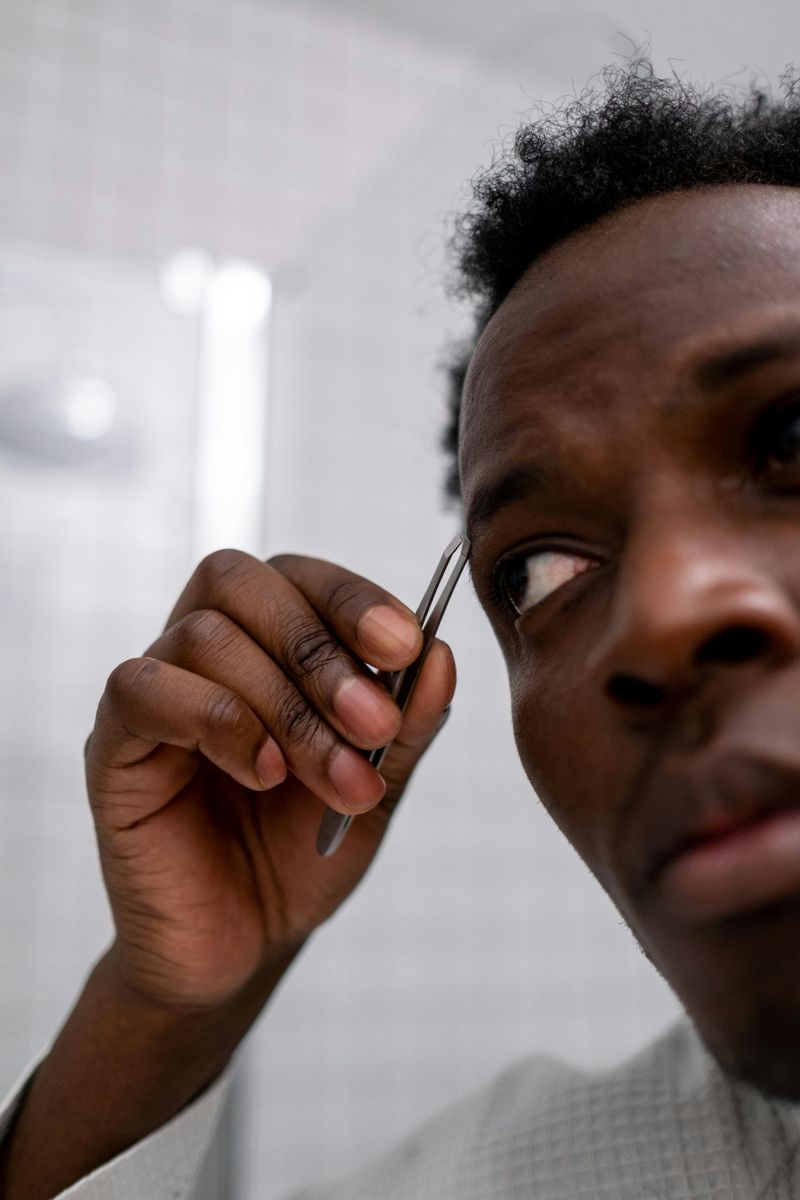
Grooming is important, but taking it too far can backfire.
When guys trim their eyebrows super thin or remove all body hair from their chest, legs, and arms, they create an ultra-smooth appearance.
This polished, hairless look tends to lean feminine because it removes the natural texture and ruggedness typically associated with male bodies.
Your eyebrows, especially, frame your face and give it structure.
Keep grooming balanced and natural-looking.
Clean up stray eyebrow hairs without thinning them dramatically, and consider leaving some body hair or at least trimming rather than completely removing it.
A little maintenance goes a long way without erasing your masculine features.
8. Small Facial Features or Delicate Hands

Some guys naturally have smaller, more delicate facial features, smaller hands, or petite feet.
These characteristics can create a softer overall appearance that reads as more feminine.
While you can’t change your bone structure, you can work with what you’ve got.
Facial hair is your best friend here—even a little stubble or a well-groomed beard adds structure and angles to your face.
Glasses with thicker frames can also help create more definition.
For hands, wearing a watch with a larger face or choosing chunkier accessories can balance out smaller proportions.
It’s all about creating visual weight and structure where you need it most.
9. Wearing Too Many Rings or Excessive Jewelry
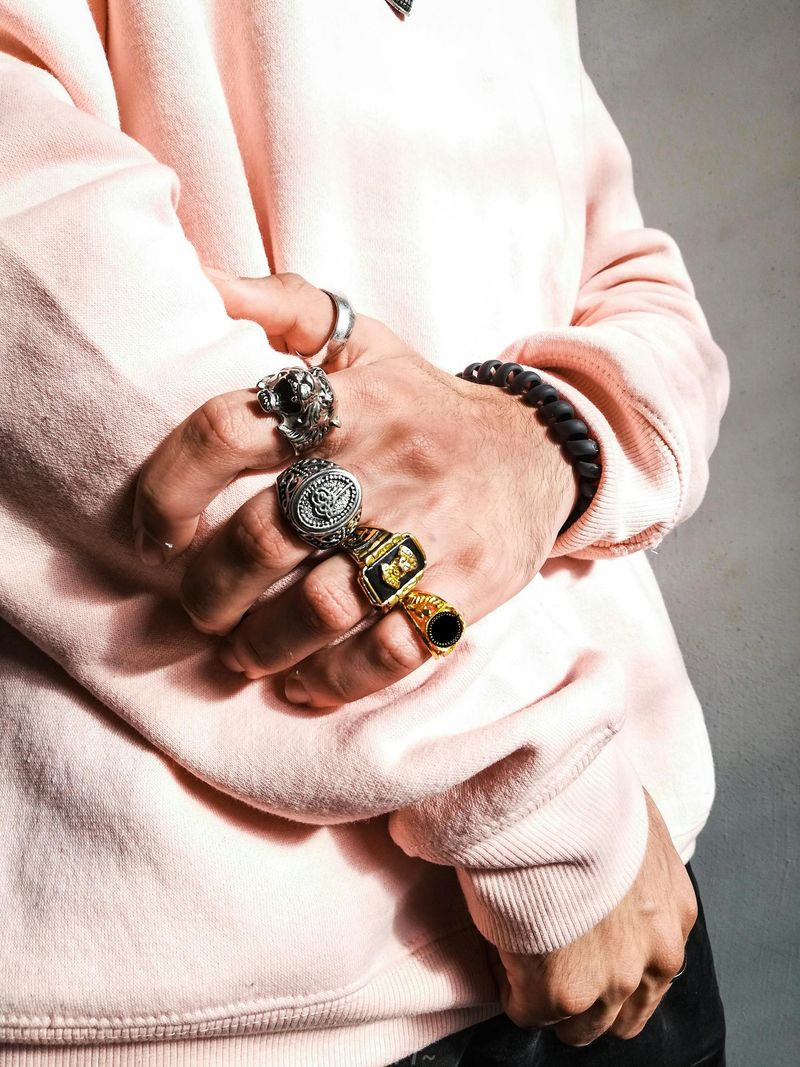
Accessories can elevate your style, but piling on too much jewelry shifts your look in a feminine direction.
Multiple slim rings, layered necklaces, or decorative bracelets create a delicate, ornate aesthetic.
In Western fashion culture, excessive jewelry on men is often associated with femininity or high-fashion looks that break traditional masculine norms.
There’s nothing wrong with accessories, but balance is everything.
Stick to one or two statement pieces—a simple watch, a single ring, or a leather bracelet.
Choose chunkier, more substantial pieces rather than delicate, decorative ones.
This keeps your style interesting without tipping into territory that might soften your overall appearance.
10. Super Skinny Tight Jeans
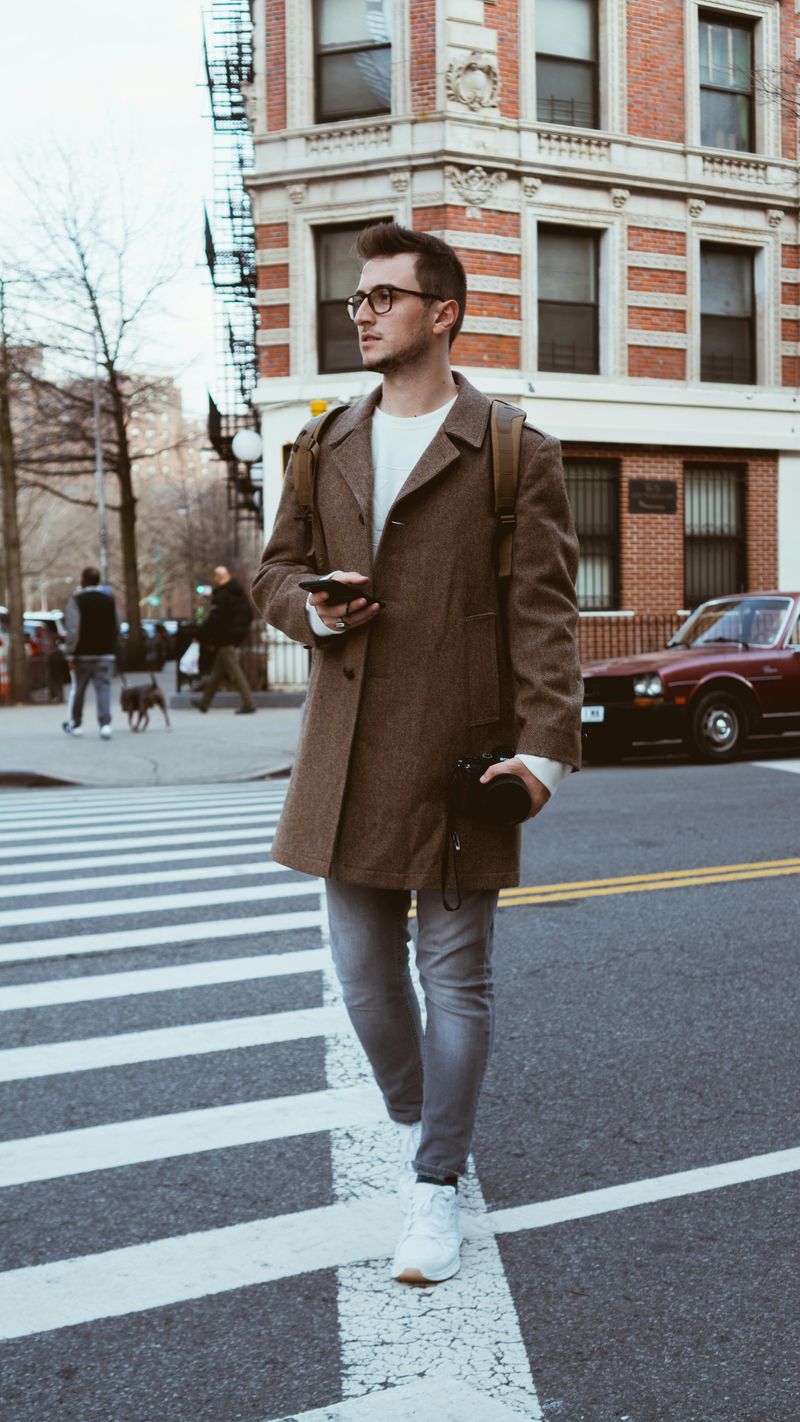
Skinny jeans had their moment, but extremely fitted denim can work against you if you’re aiming for a traditionally masculine look.
Super tight jeans accentuate leg shape in ways that read more feminine.
They hug every curve and create a sleek silhouette that’s associated more with women’s fashion than men’s.
Plus, they can make your proportions look off, especially if you have broader shoulders or a more muscular build.
Opt for straight-leg, slim-straight, or relaxed fits instead.
These cuts still look modern and stylish without clinging to your legs.
You’ll be more comfortable, and your overall silhouette will maintain that structured, masculine appearance that balances your frame properly.
11. Soft or High-Pitched Speaking Tone

Your voice carries more weight than you might think in how people perceive you.
A gentle, airy, or higher-pitched speaking tone can unconsciously be read as more feminine due to deep cultural associations.
Lower vocal tones are typically associated with masculinity and authority, while softer, higher voices are linked to femininity.
If you naturally have a higher voice, you can still project masculinity through confident speech patterns and clear articulation.
Practice speaking from your chest rather than your throat, which naturally deepens your tone.
Slow down your speech and use more decisive, direct language.
Confidence in how you speak matters just as much as the pitch itself.
12. Pastel or Soft Color Palettes in Clothing
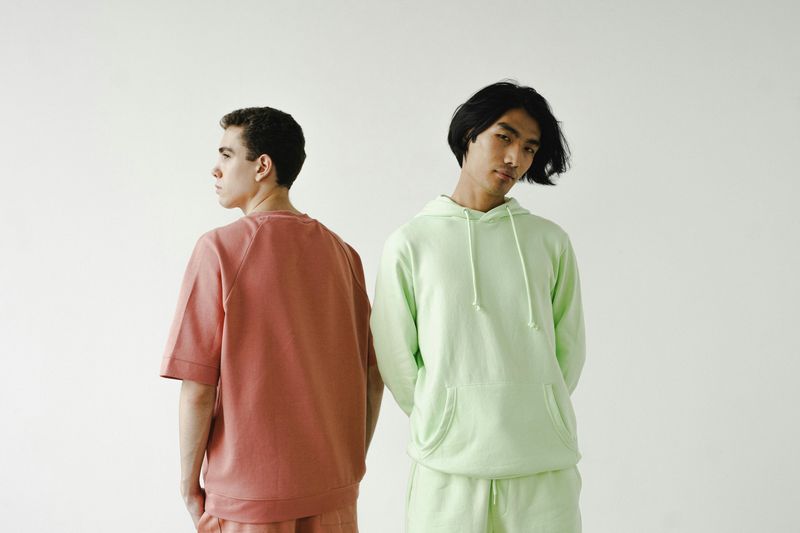
Color psychology is real, and fashion has long assigned certain colors to different genders.
Wearing mostly light pinks, purples, lavenders, or other muted pastel hues can lean your overall look toward the feminine side.
These soft colors have been culturally coded as feminine for decades, especially in Western fashion.
While there’s nothing inherently wrong with any color, if you’re trying to project a more masculine image, your color choices matter.
Balance your wardrobe with deeper, richer tones—navy, charcoal, olive, burgundy, or even brighter primary colors.
If you love lighter shades, pair them with darker pieces or more structured items to keep your overall aesthetic grounded in traditionally masculine territory.
Comments
Loading…