
 Mary Murphy
14 Once-Popular Songs That Got Banned from the Radio
Music has always pushed boundaries, challenging what society considers acceptable. Throughout history, countless hit songs found themselves pulled from radio playlists for reasons ranging from controversial lyrics to misunderstood meanings.
Some bans seem silly now, while others sparked important conversations about censorship and artistic freedom. Here are fourteen tracks that stations refused to play, even though fans loved them.
1. Lucy in the Sky with Diamonds by The Beatles
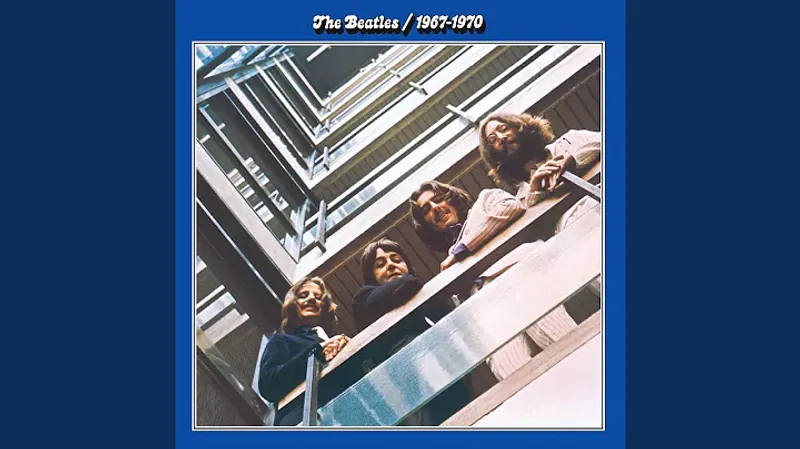
The Beatles faced accusations that this dreamy 1967 track secretly promoted drug use.
Critics pointed out that the initials spelled LSD, a popular hallucinogenic substance of that era.
John Lennon always insisted the title came from a drawing his young son Julian brought home from school.
Despite these explanations, many radio stations banned the song, fearing it encouraged experimentation with illegal substances.
The controversy only made fans more curious about the trippy, imaginative lyrics.
Today, most people accept Lennon’s explanation, though the debate still pops up occasionally.
The song remains a psychedelic masterpiece regardless of its true inspiration.
2. Strange Fruit by Billie Holiday
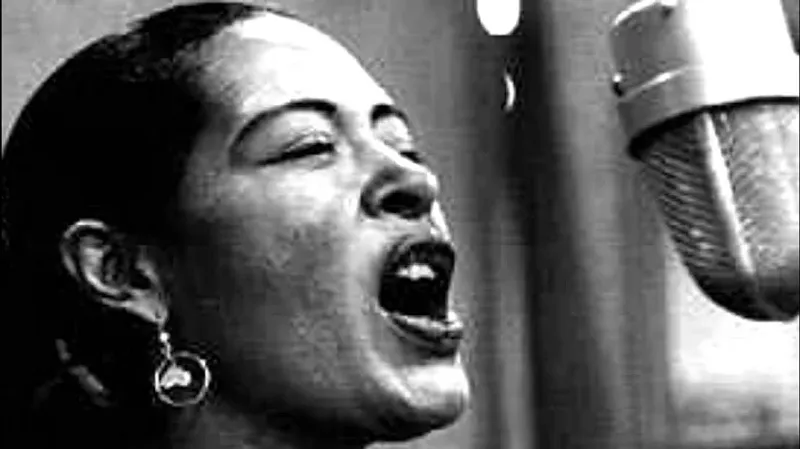
With her 1939 recording, Billie Holiday gave voice to the horrors of racial violence in America.
The song described lynchings in the South using powerful, poetic imagery that made listeners uncomfortable.
Radio stations across the country refused to play it, calling the subject matter too disturbing and controversial.
Even some venues banned Holiday from performing it live.
The song’s raw honesty about racism made it dangerous in an era of segregation and widespread prejudice.
Holiday considered it her most important work despite the backlash.
Decades later, Time magazine named it the best song of the twentieth century for its courage and impact.
3. Jeremy by Pearl Jam
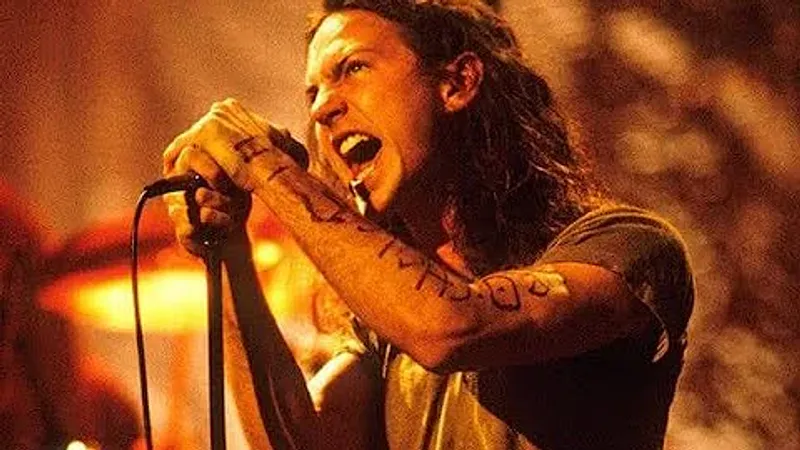
Pearl Jam’s 1992 hit told the tragic story of a troubled teenager who brought a gun to school.
The song was based on real events involving a student in Texas.
Its music video showed disturbing imagery that MTV eventually edited heavily.
Many radio stations pulled the track after several school shooting incidents made the subject too sensitive.
The band intended to raise awareness about bullying and mental health struggles among young people.
Critics argued it glorified violence instead of condemning it.
The controversy highlighted ongoing debates about whether art should address difficult topics or avoid them entirely.
4. Lola by The Kinks
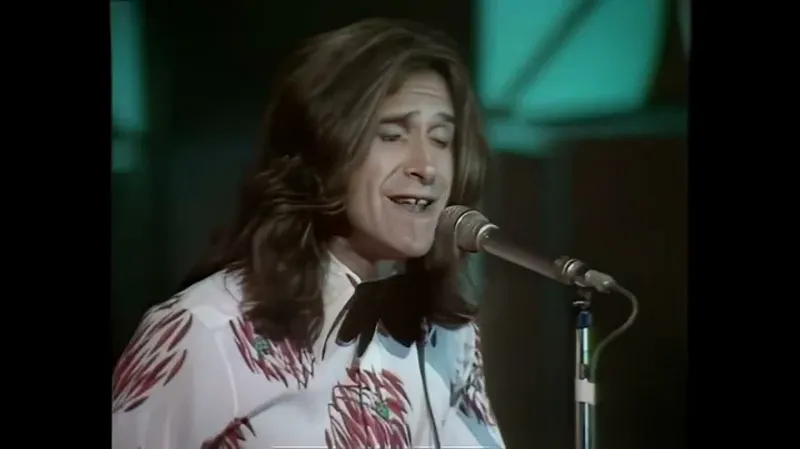
This catchy 1970 tune shocked audiences with its story about a romantic encounter with a transgender woman.
The Kinks presented the narrative without judgment, which was revolutionary for its time.
Radio stations worried about complaints from conservative listeners and religious groups.
The BBC initially banned it, though for a different reason—the song mentioned Coca-Cola by name.
After changing that lyric to cherry cola, British stations played it, but American stations remained hesitant.
The song’s open-minded approach to gender and identity made it ahead of its era.
Today, many consider it a pioneering anthem for acceptance and understanding.
5. Money for Nothing by Dire Straits
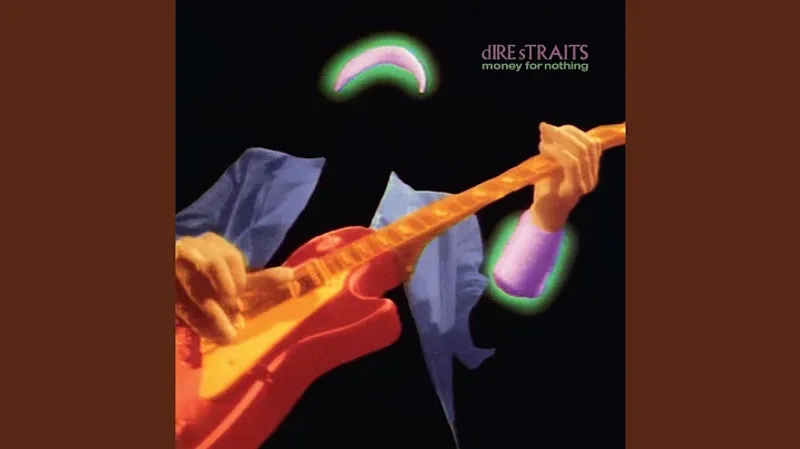
Dire Straits released this massive 1985 hit with groundbreaking computer-animated visuals.
Decades later, Canadian radio stations banned it because the lyrics contained a slur against gay people.
The band explained they were portraying an ignorant character’s viewpoint, not endorsing it.
Mark Knopfler wrote the words after overhearing workers in an appliance store complaining about musicians.
The controversy raised questions about whether offensive language is acceptable when used satirically.
Some stations played edited versions while others refused it completely.
The debate continues about separating artistic intent from potentially harmful words, even in classic songs.
6. Puff the Magic Dragon by Peter, Paul and Mary
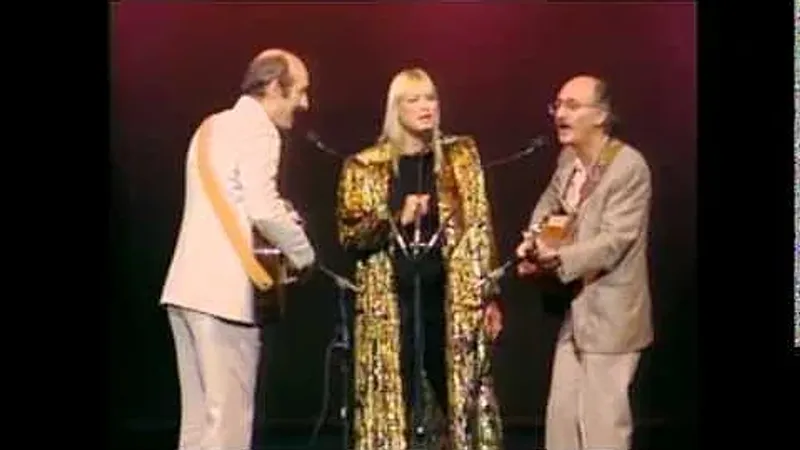
This beloved 1963 children’s song faced bizarre accusations of promoting marijuana use.
Critics claimed Puff referred to smoking and that the dragon represented drug culture.
The folk trio always maintained it was simply about childhood innocence and growing up.
Leonard Lipton wrote the original poem as a college student, inspired by an Ogden Nash verse.
Despite its wholesome message about losing imagination as we age, some stations banned it anyway.
The controversy seems almost comical now, given the song’s gentle nature.
Parents still sing it to their children, proving its innocent charm outlasted baseless fears.
7. Relax by Frankie Goes to Hollywood
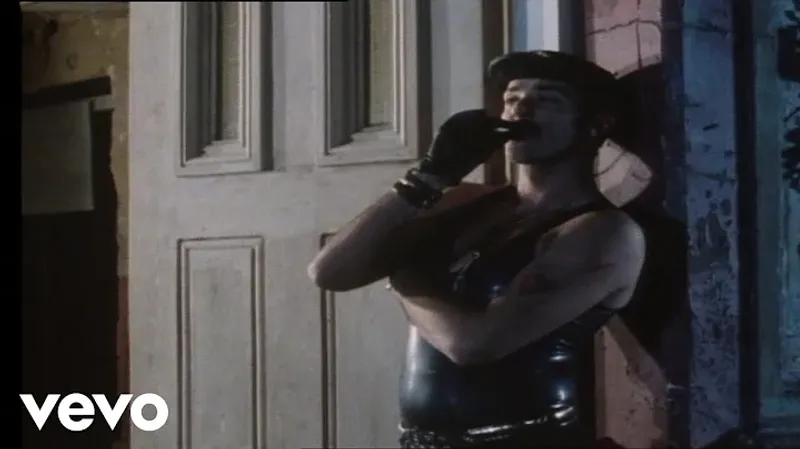
When this pulsing dance track hit airwaves in 1984, its suggestive lyrics caused immediate outrage.
The BBC banned it after a DJ suddenly realized what the song was actually about.
Ironically, the ban only made it more popular, sending it straight to number one.
The provocative music video featured imagery too explicit for television at that time.
Lead singer Holly Johnson defended the track as a celebration of pleasure and freedom.
Conservative groups protested its availability, calling it inappropriate for young listeners.
The controversy proved that forbidding something often makes people want it even more.
8. The Pill by Loretta Lynn
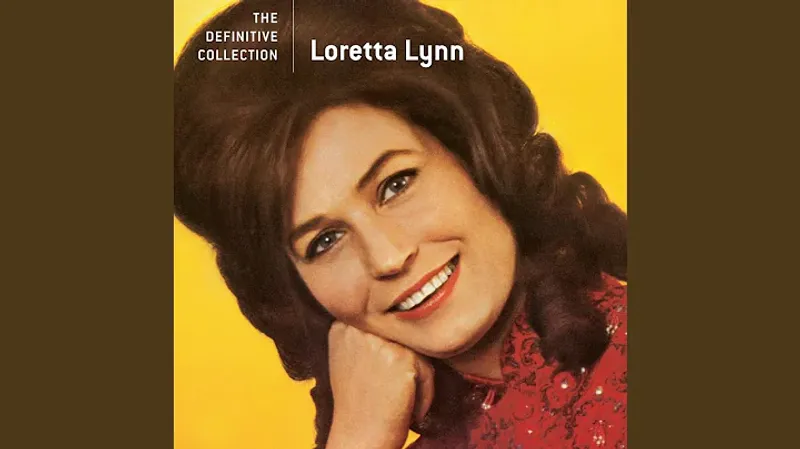
Celebrating birth control in 1975, Loretta Lynn ignited debate as a country music trailblazer.
Her song described a woman’s liberation from constant pregnancy and domestic duties.
Radio stations, especially in conservative areas, refused to play it.
The Catholic Church condemned it, and some venues cancelled her performances.
Lynn stood firm, arguing women deserved control over their own bodies and futures.
The song resonated with countless women who felt the same way but couldn’t say it publicly.
Though banned initially, it became one of her most important recordings, representing female empowerment during a transformative era for women’s rights.
9. Imagine by John Lennon
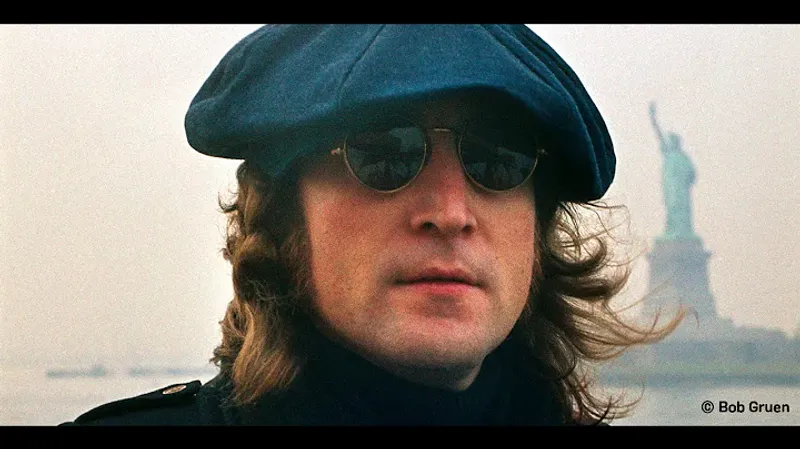
John Lennon’s peaceful anthem from 1971 asked listeners to envision a world without religion or countries.
Many stations banned it for promoting atheism and anti-patriotic ideas.
Religious groups particularly objected to the line about no heaven or hell.
Lennon wanted people to consider what might unite humanity instead of divide it.
During wartime or patriotic periods, radio programmers avoided playing it entirely.
After the September 11 attacks, Clear Channel added it to a list of questionable songs.
Despite censorship attempts, it remains one of the most recognized and beloved songs about peace ever written.
10. My Generation by The Who
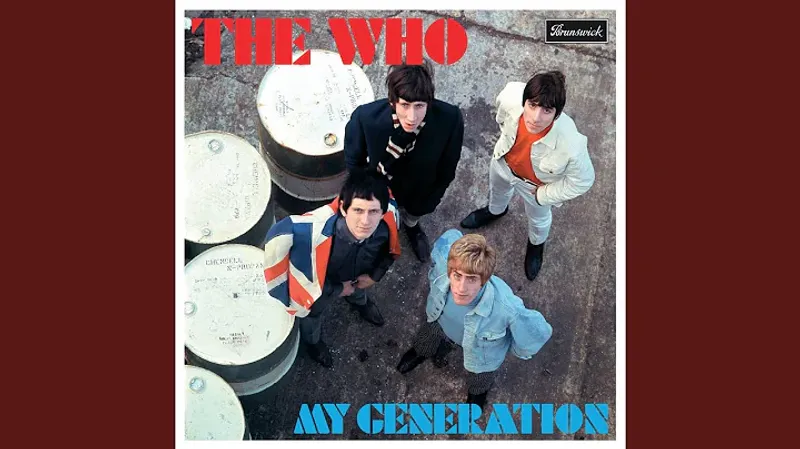
Capturing the restless spirit of youth, The Who’s 1965 anthem radiated raw attitude and rebellion.
Roger Daltrey’s stuttering vocals mimicked amphetamine users, which concerned authorities.
The BBC initially banned it, worried the stutter mocked people with speech impediments.
Some American stations refused it because of the line hoping to die before getting old.
The aggressive sound and anti-establishment message made adults nervous about youth culture.
Ironically, the band members themselves grew old, though they kept performing the song.
It perfectly captured the generation gap of the 1960s and became a timeless expression of youthful defiance.
11. Rumble by Link Wray
This 1958 instrumental contained no words whatsoever, yet stations still banned it.
The menacing guitar sound supposedly encouraged gang violence and juvenile delinquency.
Radio programmers worried the title referenced street fights between rival groups.
Link Wray created the distorted sound by poking holes in his amplifier speaker.
The raw, aggressive tone was unlike anything heard before in popular music.
Despite having zero offensive lyrics, it frightened authorities who associated rock music with rebellion.
Today, musicians recognize it as groundbreaking, influencing countless guitarists who followed with its revolutionary distortion technique and powerful simplicity.
12. I Am the Walrus by The Beatles

The Beatles crafted this deliberately nonsensical track in 1967 to confuse people analyzing their lyrics.
John Lennon threw together random images and absurd phrases just to mess with overenthusiastic interpreters.
The BBC banned it because one line referenced Edgar Allan Poe in a supposedly inappropriate way.
Stations also worried about a phrase that sounded like a crude expression.
The avant-garde production and chaotic arrangement made programmers uncomfortable.
Lennon later admitted he enjoyed watching scholars try finding deep meaning in complete gibberish.
The ban seems ridiculous now, highlighting how seriously authorities took even the most playful artistic experiments during that era.
13. Wake Up Little Susie by The Everly Brothers

The 1957 ballad charmingly depicts two teenagers nodding off at a movie.
They wake up at four in the morning, worried about their reputations.
Radio stations banned it for implying the couple spent the night together.
The suggestion of impropriety, even accidental, was too scandalous for conservative 1950s America.
The Everly Brothers were shocked, as the song’s characters did nothing wrong.
Boston stations refused to play it, though it became a hit elsewhere.
Looking back, the ban reveals how much anxiety existed about teenage behavior and dating during that buttoned-up decade.
14. The Monster Mash by Bobby Boris Pickett
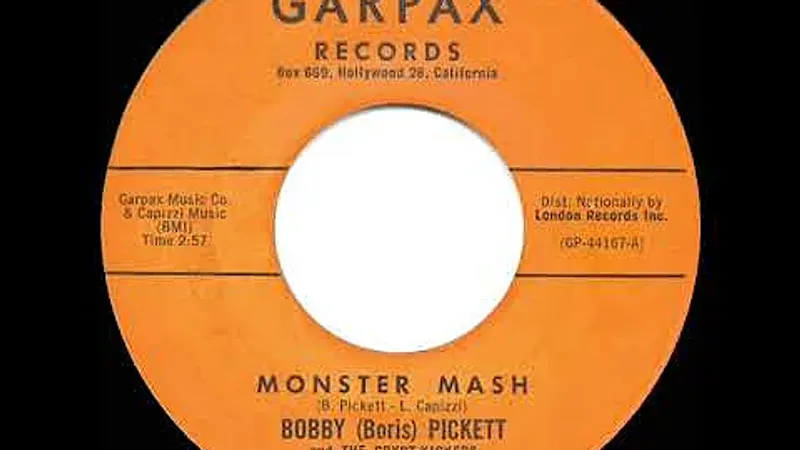
This silly Halloween novelty song from 1962 seems completely harmless today.
Bobby Pickett imitated Boris Karloff while singing about monsters dancing at a party.
The BBC banned it for being too morbid, refusing to play it until 1973.
British programmers thought references to graves and monsters were inappropriate and disturbing.
American stations played it constantly every October, making it a seasonal classic.
The ban demonstrates how differently cultures viewed the same lighthearted content.
Eventually, even Britain embraced it, and now it plays worldwide every Halloween without any controversy or concern whatsoever.
Comments
Loading…