
 Jade Reed
13 Things People Who Grew Up Sad Often Keep in Their Homes
13 Things People Who Grew Up Sad Often Keep in Their Homes
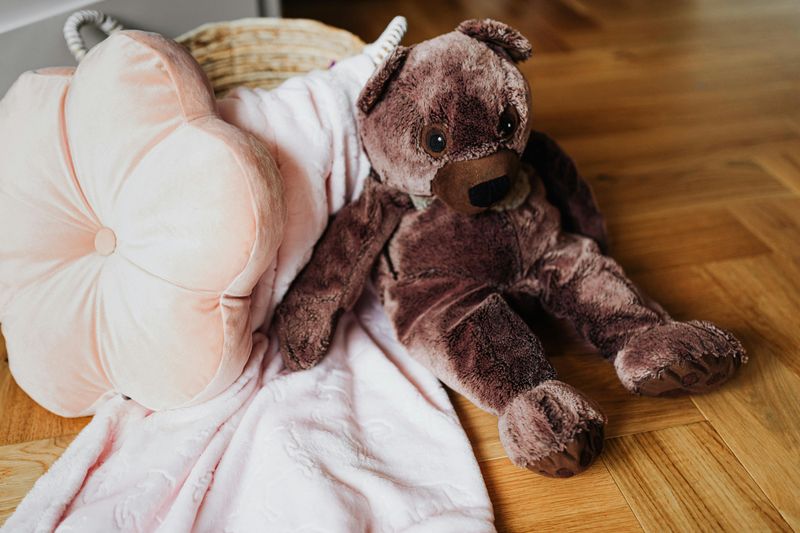
Growing up with sadness leaves invisible marks that often show up in the spaces we create as adults.
The objects we surround ourselves with can tell stories about our past and reveal how we learned to cope with difficult emotions.
Many people who experienced childhood sadness hold onto specific items that provide comfort, security, or a sense of control.
1. Sentimental Childhood Objects

A faded blanket from kindergarten or a chipped ceramic figurine might seem like clutter to some, but for those who grew up sad, they’re lifelines to safer moments.
Physical reminders of childhood offer emotional grounding when the present feels overwhelming or uncertain.
Holding onto a stuffed animal or toy from younger years isn’t about living in the past.
It’s about maintaining a connection to a version of yourself who needed comfort and didn’t always receive it.
These objects become symbols of survival and self-soothing.
Many adults feel embarrassed about keeping childhood items, but there’s nothing childish about seeking security.
Whether it’s an old music box or a favorite book, these treasures remind us we’ve always been worth caring for, even when we felt invisible.
2. Emergency Supplies

Cabinets filled with extra batteries, multiple flashlights, and cases of bottled water aren’t just about being practical.
For people who grew up feeling unsafe or unprepared, stockpiling essentials creates a buffer against anxiety and the fear that something will go wrong.
When you couldn’t rely on adults to handle emergencies as a child, you learn to become your own safety net.
Having backup supplies offers psychological relief, a tangible way to control at least one aspect of an unpredictable world.
It’s preparation mixed with protection.
Friends might joke about your “doomsday stash,” but they don’t understand the peace it brings.
Knowing you’re ready for power outages, storms, or unexpected situations helps quiet the worried voice that never quite left your mind since childhood.
3. Empty Boxes

Walk into many homes of people who grew up sad, and you’ll find closets or garages filled with empty boxes.
Amazon packages, shoe boxes, and moving boxes get folded and saved “just in case,” even when there’s no immediate need for them.
This habit reflects difficulty letting go and a deep-seated need for backup options.
If you grew up with scarcity or instability, keeping boxes feels like keeping possibilities open.
What if you need to move suddenly?
What if you need to store something?
The boxes represent readiness.
While it might seem like hoarding, it’s actually a coping mechanism for managing uncertainty.
Each saved box is a small act of self-protection, a way to feel prepared when life previously caught you off guard too many times.
4. Old Clothes
That ratty college sweatshirt with holes in the sleeves or jeans from high school that barely fit anymore often stay in the closet for years.
People who experienced childhood sadness frequently keep worn clothing because it feels familiar and safe, like wrapping yourself in a memory.
Certain fabrics and textures become associated with specific feelings or time periods.
A torn shirt might remind you of a happier summer, while an old jacket could represent a version of yourself you’re still connected to.
Letting go feels like losing part of your story.
Friends might encourage you to donate or toss these items, but the emotional attachment runs deeper than fashion.
These clothes are comfort objects disguised as wardrobe pieces, offering continuity and a sense of home within yourself when everything else changes.
5. Weighted Blankets
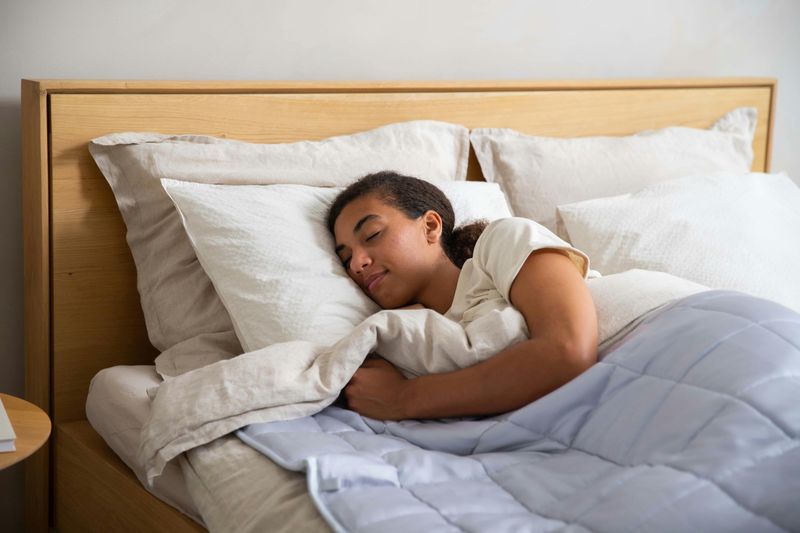
The pressure of a weighted blanket mimics the feeling of being held, something people who grew up sad may have experienced too rarely.
This simple tool helps recreate physical comfort and emotional regulation that might have been missing during formative years.
Research shows weighted blankets reduce anxiety and improve sleep quality by activating the nervous system’s calming response.
For adults still carrying childhood sadness, this isn’t just a trendy wellness product—it’s a nightly ritual that provides the soothing they once needed but couldn’t ask for.
Sleeping under extra weight helps quiet racing thoughts and creates a cocoon of safety.
It’s a way of parenting yourself, offering the gentle pressure and security your younger self deserved but didn’t always receive during difficult nights.
6. Stuffed Animals
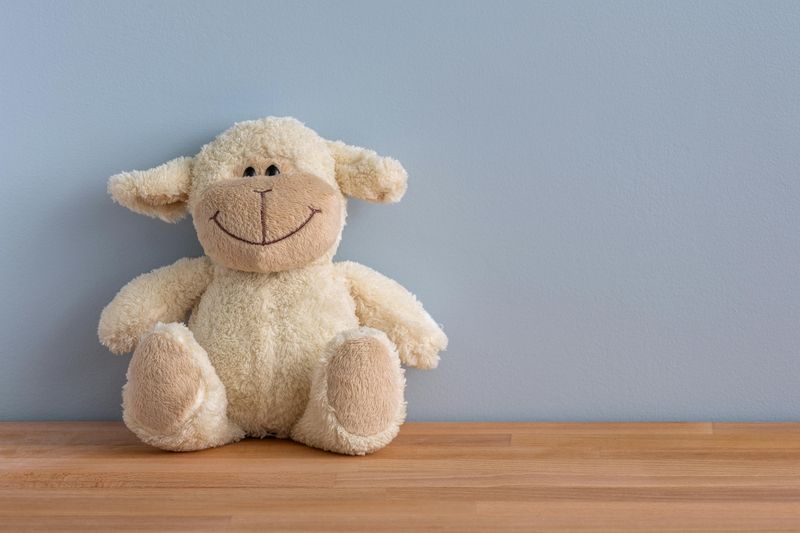
Rows of stuffed animals lining bedroom shelves or tucked into bed corners are common in homes of adults who grew up with sadness.
Far from being childish, these soft companions provided emotional support during lonely or frightening times when human comfort wasn’t available.
Stuffed animals don’t judge, leave, or hurt you.
They offer consistent presence and become repositories for feelings that had nowhere else to go.
Many people still sleep with a favorite plush toy because it represents unconditional acceptance and safety.
Society tells us to outgrow these comforts, but there’s wisdom in keeping what soothes you.
A stuffed bear or bunny that witnessed your hardest moments deserves a place in your adult life, serving as both companion and reminder that you survived.
7. Letters and Notes
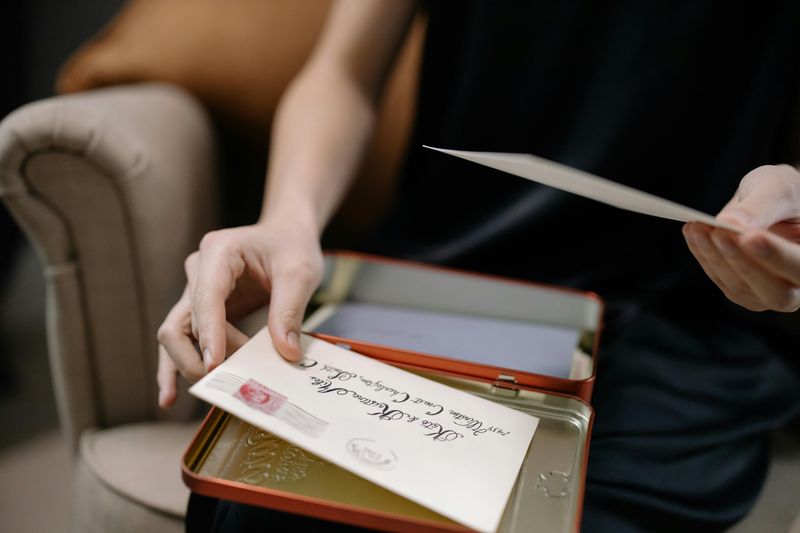
Shoeboxes filled with birthday cards, old letters, and random notes from friends become treasure chests for people who grew up questioning whether they mattered.
Each piece of paper serves as tangible proof that someone cared enough to write, remember, or acknowledge your existence.
When you grew up feeling invisible or unloved, physical evidence of affection becomes incredibly valuable.
Reading a kind note from years ago can still provide comfort during difficult moments, reminding you that connection is possible and you are worthy of it.
While digital messages are convenient, they lack the permanence of handwritten words.
Keeping these letters isn’t about living in the past—it’s about holding onto evidence that love exists, even when depression or anxiety tries to convince you otherwise.
8. Fidget Toys
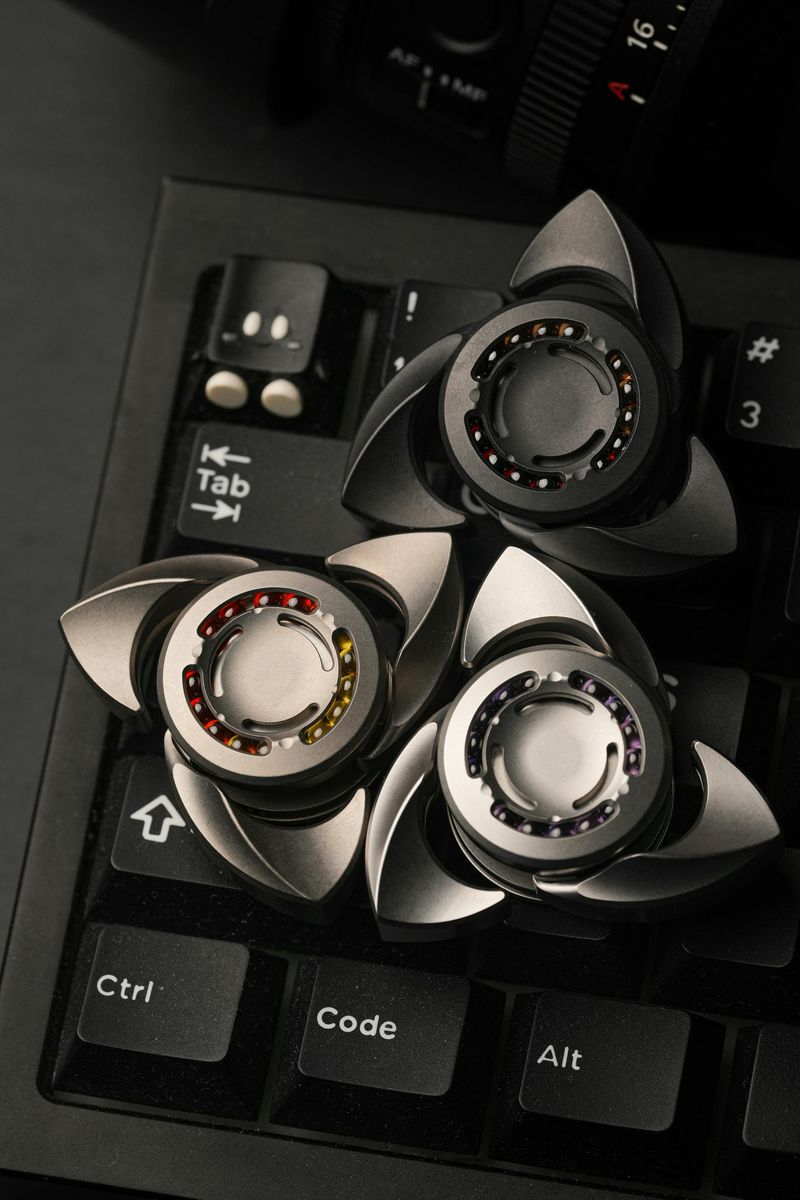
Desks, pockets, and nightstands of people who experienced childhood sadness often contain small fidget toys—spinners, cubes, stress balls, or textured objects.
During moments of anxiety or overstimulation, these tools provide a physical outlet for nervous energy that has nowhere else to go.
Growing up sad often means growing up anxious, with a body that learned to stay alert for danger or disappointment.
Fidget toys help regulate that restless energy without drawing attention, offering a socially acceptable way to self-soothe in public or private.
Critics might see them as distractions, but they’re actually concentration aids.
Having something to do with your hands helps quiet internal chaos, making it easier to focus, calm down, or simply exist in uncomfortable situations without falling apart.
9. Soothing Teas
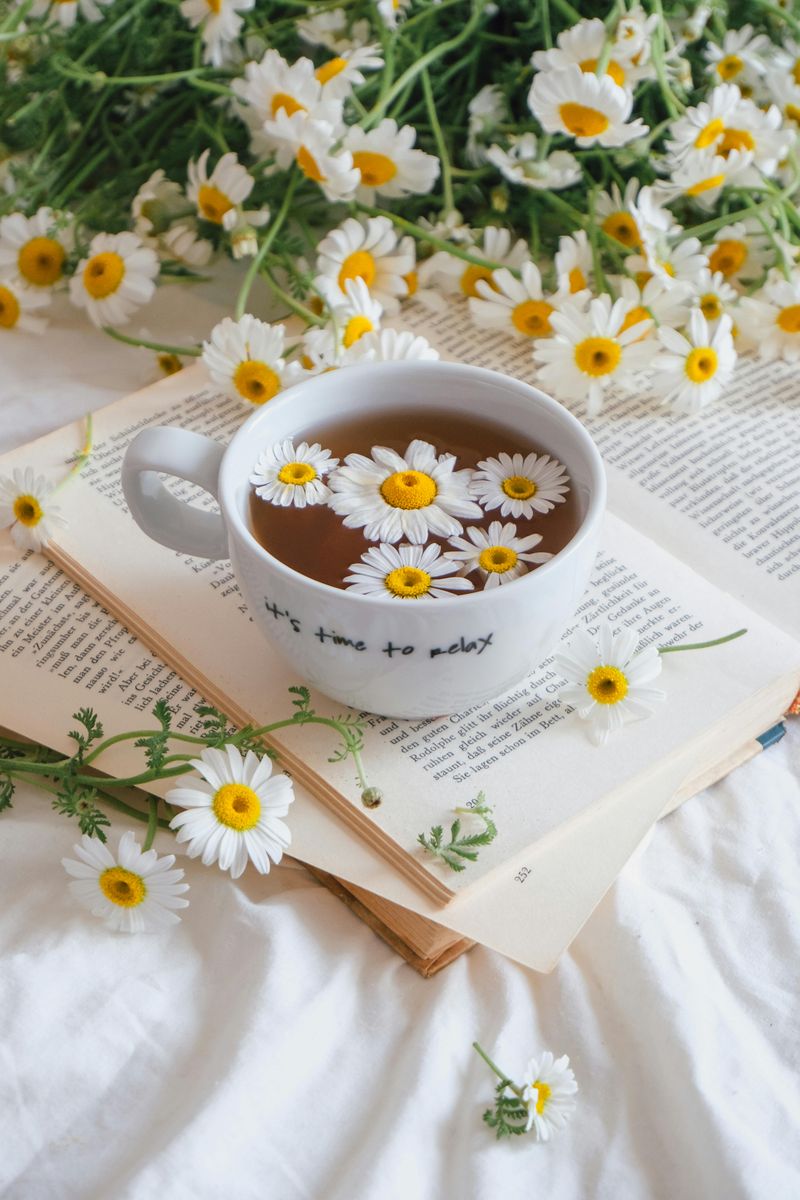
Kitchen cabinets stocked with chamomile, lavender, and other calming teas represent more than a beverage preference.
For those who grew up sad, preparing and drinking tea becomes a ritual of self-care, creating warmth and routine during emotionally difficult days.
The act of making tea—boiling water, steeping leaves, holding a warm mug—offers sensory comfort and a few minutes of intentional calm.
When childhood lacked consistent nurturing, these small rituals become ways of mothering yourself, providing the gentle care you once needed.
Having multiple varieties ensures there’s always something to match your mood or need.
Whether it’s bedtime anxiety or afternoon overwhelm, reaching for tea is reaching for comfort, a simple pleasure that helps regulate emotions and create moments of peace.
10. Self-Help Journals

Nightstands and desks often hold multiple journals filled with thoughts, feelings, and attempts to make sense of overwhelming emotions.
Writing became a survival tool during sad childhoods, offering a private space to express what couldn’t be safely shared aloud.
Journals provide a sense of control when everything else feels chaotic.
Putting feelings into words helps organize internal experiences and creates distance from painful thoughts.
For people who grew up without emotional support, journals became the understanding listener they desperately needed.
Even as adults, the habit continues because it works.
Whether it’s gratitude lists, emotional processing, or goal setting, journals remain trusted companions.
They hold your secrets, witness your growth, and prove that your inner world matters, even when nobody else acknowledged it.
11. Headphones
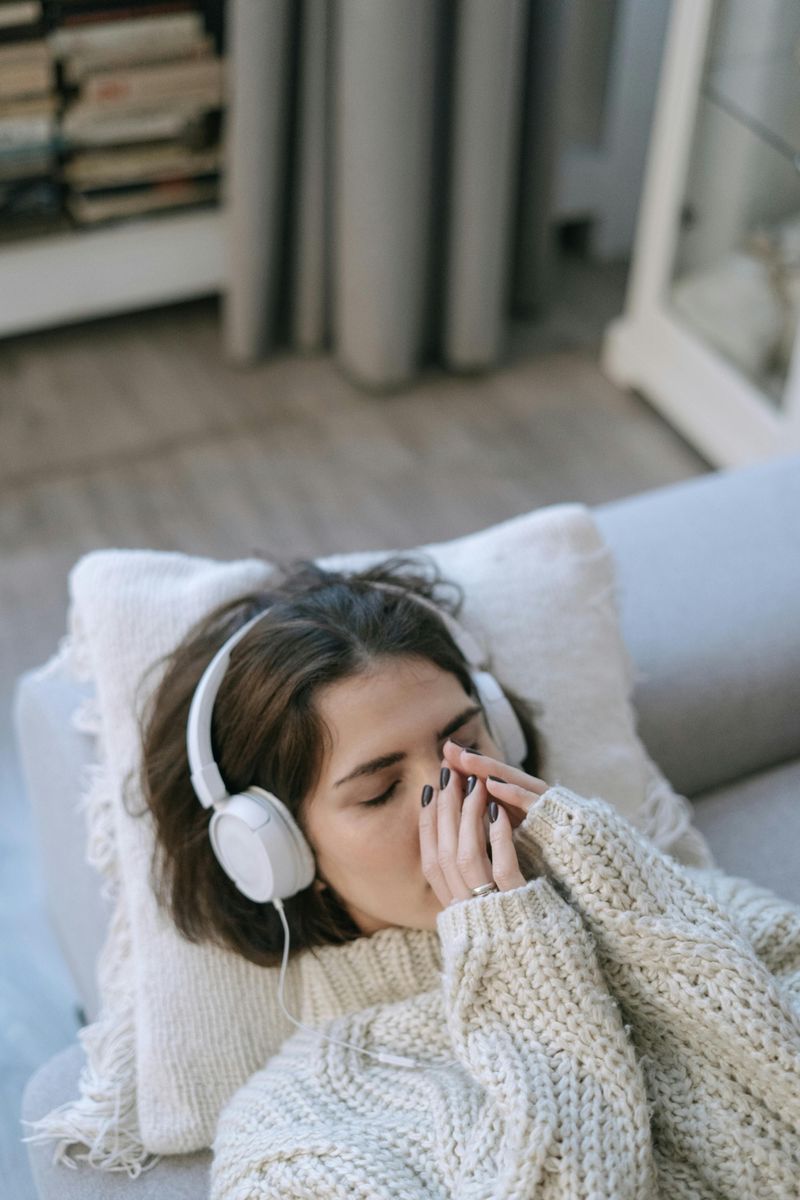
High-quality headphones are essential equipment for people who grew up needing to escape.
Music, podcasts, or even silence through noise-canceling technology creates a personal sanctuary when the external world becomes too much to handle emotionally or sensory-wise.
During sad childhoods, headphones offered retreat from household chaos, arguments, or loneliness.
They still serve that function in adulthood, providing privacy and emotional regulation through sound.
Music therapy isn’t just therapeutic—it’s a lifeline that helped you survive and continues to help you thrive.
Always having headphones nearby means always having an exit strategy.
Whether you’re overwhelmed in public, need to block out triggering sounds, or want to create a mood-lifting atmosphere, they give you control over your auditory environment and emotional state.
12. Houseplants or Small Pets
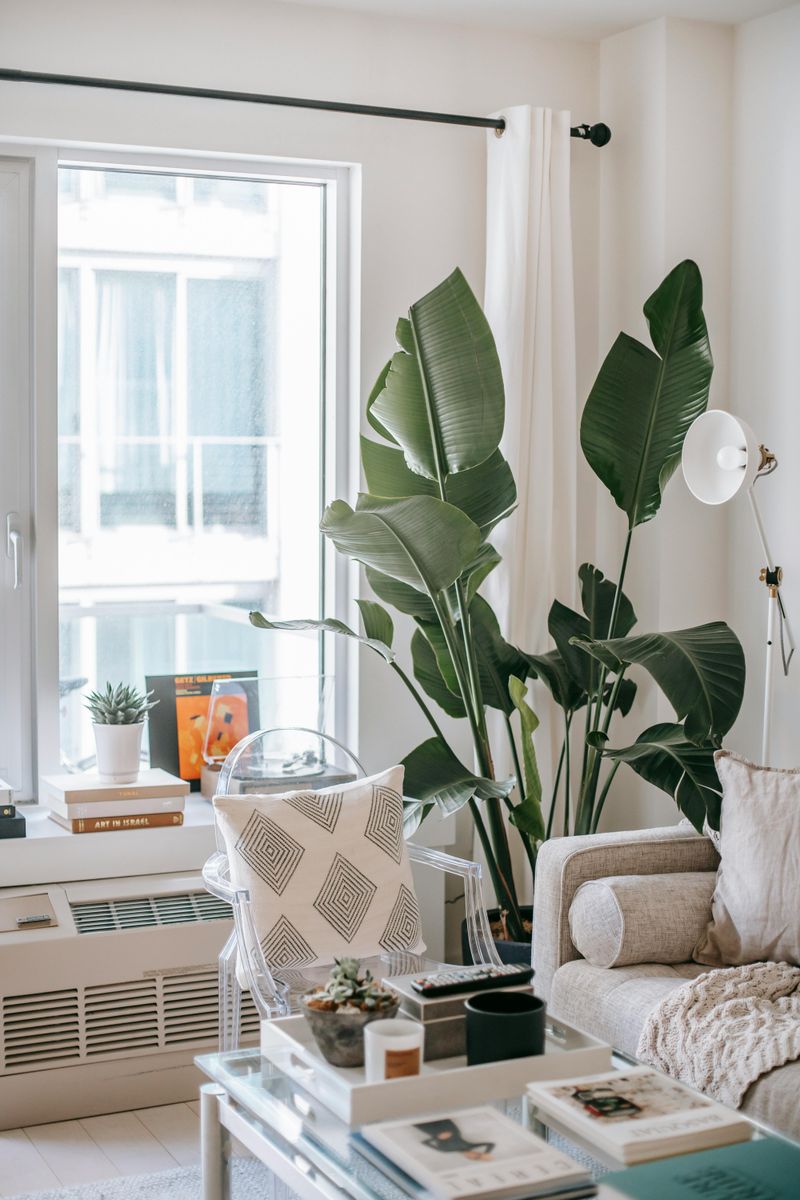
Houseplants or small pets often become cherished companions for people who grew up sad, offering a gentle presence that fills emotional gaps from childhood.
Caring for something living brings routine and stability, creating grounding rituals that soothe the nervous system.
Their quiet companionship provides warmth without pressure or judgment.
A new leaf or a playful moment becomes a small reminder that growth is possible.
They ease loneliness simply by being there, creating an atmosphere of calm and emotional safety.
Whether it’s a purring cat or a thriving plant, these companions offer steady, nurturing energy that helps turn a home into a place of comfort.
13. Old Photographs or Photo Albums
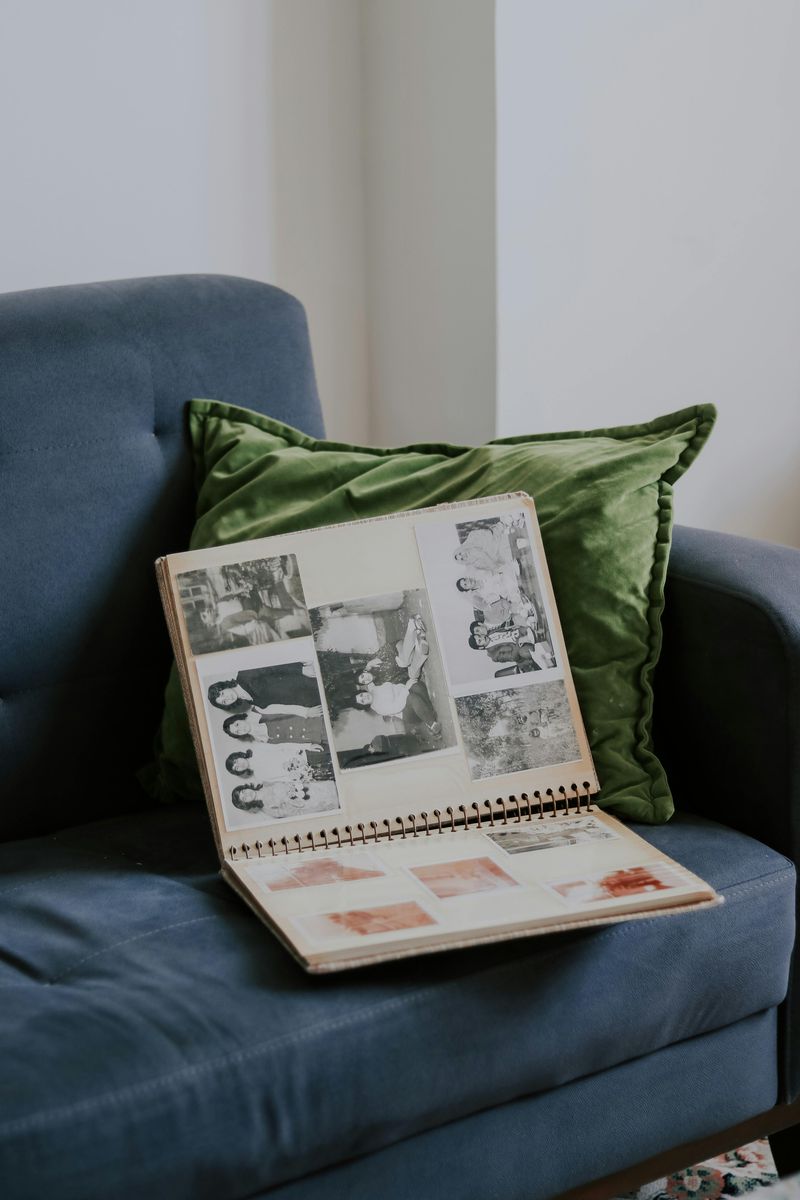
Old photographs or photo albums hold deep meaning for people who grew up sad, acting as anchors to moments that felt safe or hopeful.
They preserve identity when memories feel blurred by stress or instability.
Looking through them provides grounding and emotional clarity.
During difficult childhood years, photos offered proof of joy or belonging, even if brief.
In adulthood, they continue to reassure you that your story includes more than pain.
Each image becomes a reminder of resilience and continuity.
Whether you seek comfort or connection to who you were, photo albums offer a safe way to revisit your history with gentleness.
Comments
Loading…