
 Mila Ross
Losing someone you love is one of life’s hardest challenges, and the decisions that follow can feel overwhelming.
In the days and weeks after a death, it’s natural to want to clear out belongings quickly, but some items deserve careful consideration before being discarded.
Certain possessions carry irreplaceable emotional weight and can become treasured sources of comfort and connection for years to come.
1. Handwritten Notes and Letters
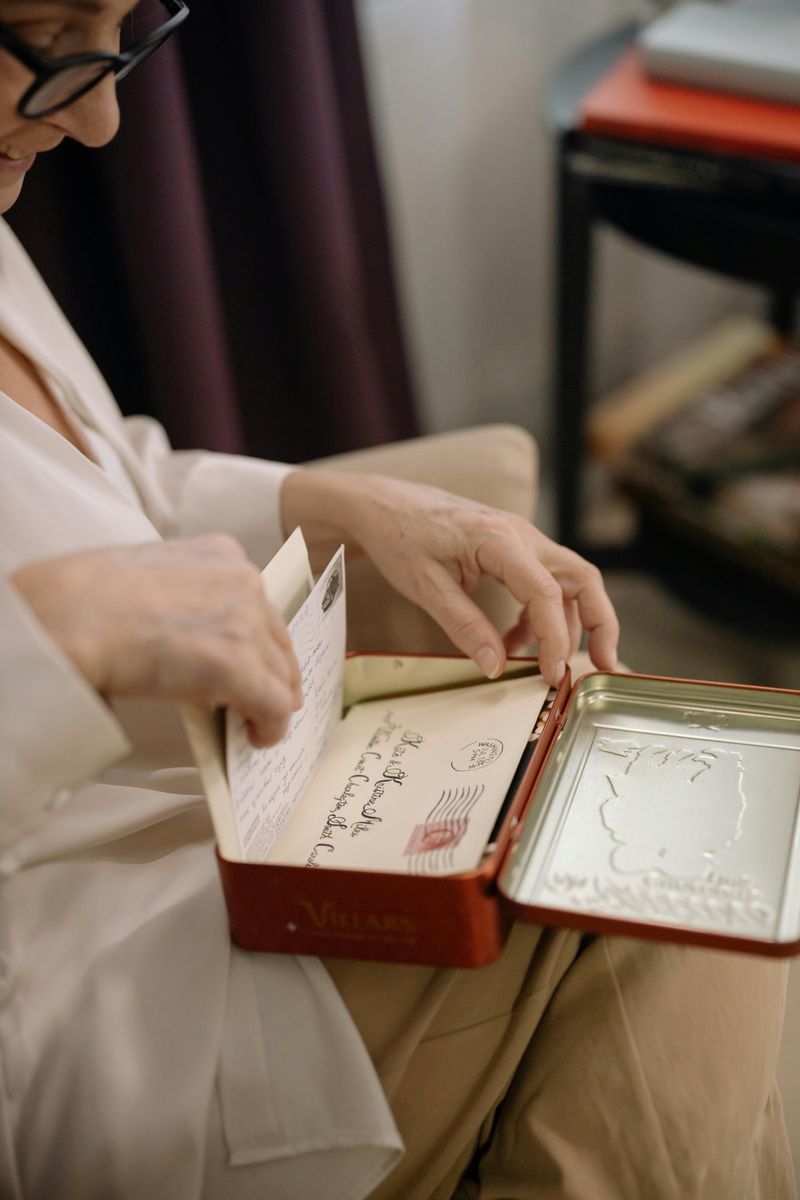
Notes, cards, or letters in a loved one’s handwriting may seem small, but they often hold deep emotional value.
A birthday card with a personal message or a quick reminder note stuck to the fridge captures something irreplaceable: their unique penmanship and voice on paper.
Even a short message or a signed card can become something you’re grateful to have kept as time passes.
These tangible pieces preserve personality in ways that digital messages simply cannot match.
Many people find themselves rereading these handwritten treasures years later, finding comfort in seeing familiar loops and curves.
Consider storing them in a special box or frame where they’re protected but accessible whenever you need that connection.
2. Photos, Videos, and Voice Recordings

Memory fades naturally over time, but photos, recordings, and videos preserve what our minds cannot hold forever.
The sound of laughter during a holiday dinner, the way someone smiled when they were truly happy, or the particular cadence of their speaking voice—these details slip away gradually.
Captured moments become priceless anchors to memory and comfort.
A five-second video clip of your dad telling a joke or your grandmother singing might seem trivial now, but it transforms into treasure.
Consider digitizing older formats like VHS tapes or cassette recordings to ensure they survive for future generations.
These aren’t just keepsakes for you; they’re historical records your children and grandchildren will cherish.
3. Personal Objects They Wore or Used Daily
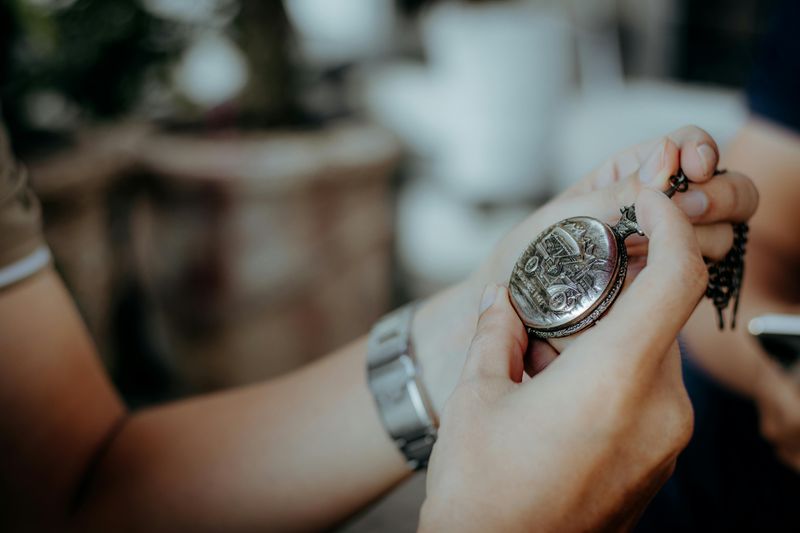
A worn watch that marked their appointments, a favorite necklace they never took off, or the reading glasses that sat on their nightstand—these objects might seem ordinary at first glance.
Yet they carried that person’s daily presence in ways few other belongings can match.
In grief, these simple items can provide grounding and emotional closeness when you need it most.
Holding something they touched every day creates a physical connection that brings surprising comfort.
Some people wear their loved one’s jewelry or watch, while others display these items in shadow boxes.
There’s no wrong way to honor these pieces; what matters is that they stay within reach when memories feel distant.
4. Important Documents and Personal Papers
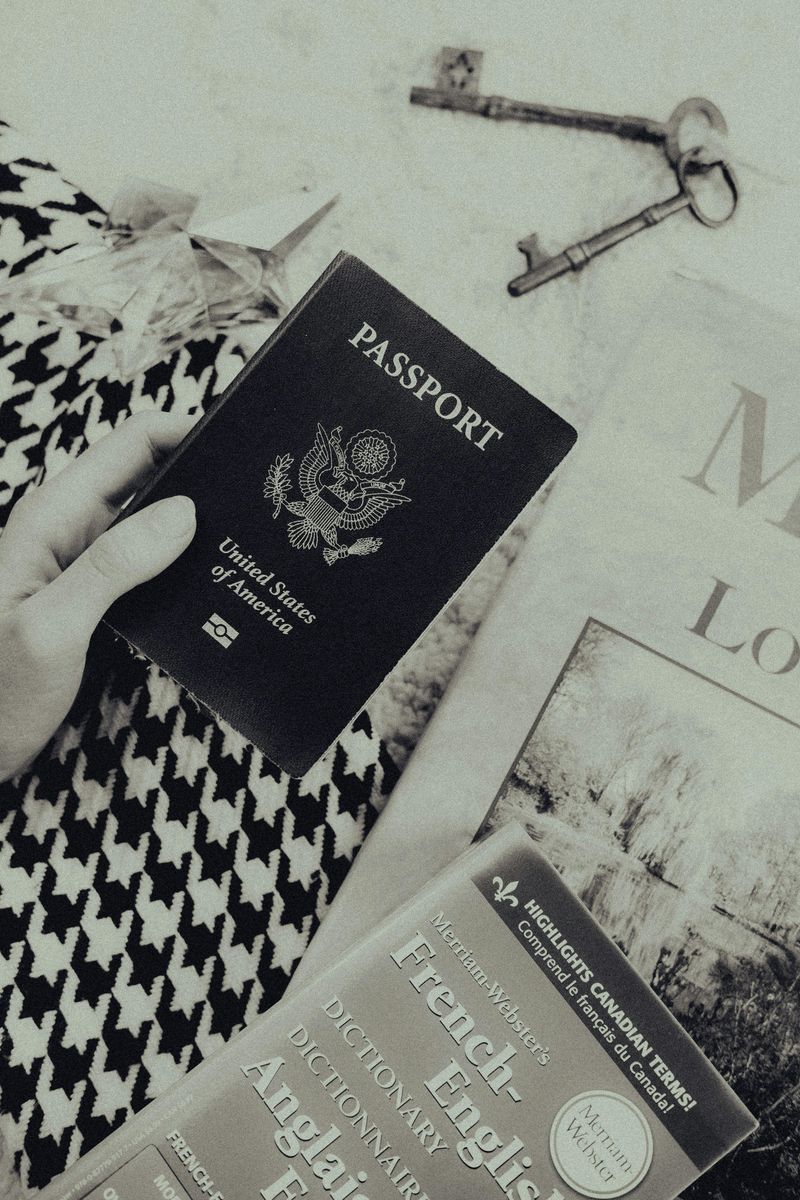
While legal papers like wills, insurance policies, property deeds, and bank records are obviously essential, less obvious documents deserve equal attention.
Military service records, birth certificates, marriage licenses, old letters, and personal journals can hold both emotional and historical significance.
Be cautious about discarding anything too quickly, especially during those first overwhelming weeks.
A piece of paper that seems unimportant now might answer important questions later or provide context you’ll wish you had.
Create a filing system that separates urgent legal documents from sentimental papers.
This organization helps you handle practical matters efficiently while preserving items that tell your loved one’s life story for future generations.
5. Objects From Their Daily Routines
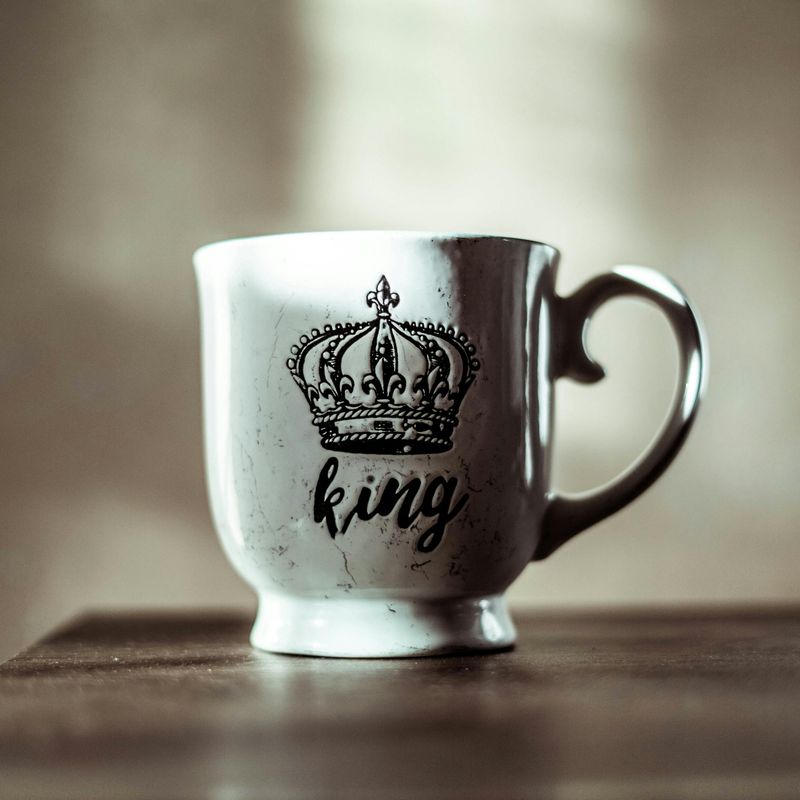
A favorite mug that held their morning coffee, the well-worn book they reread countless times, gardening tools shaped by their hands, or recipe cards stained from years of use—these everyday items tell powerful stories.
They capture who someone was in the ordinary moments that actually defined their life.
Grief experts note that these seemingly mundane objects often offer some of the strongest emotional comfort.
There’s something grounding about using your mother’s measuring spoons or seeing your father’s coffee cup on the shelf.
You don’t need to keep everything, but preserving a few routine-related items creates touchpoints to their personality and habits that feel remarkably intimate and real.
6. A Curated Memory Collection
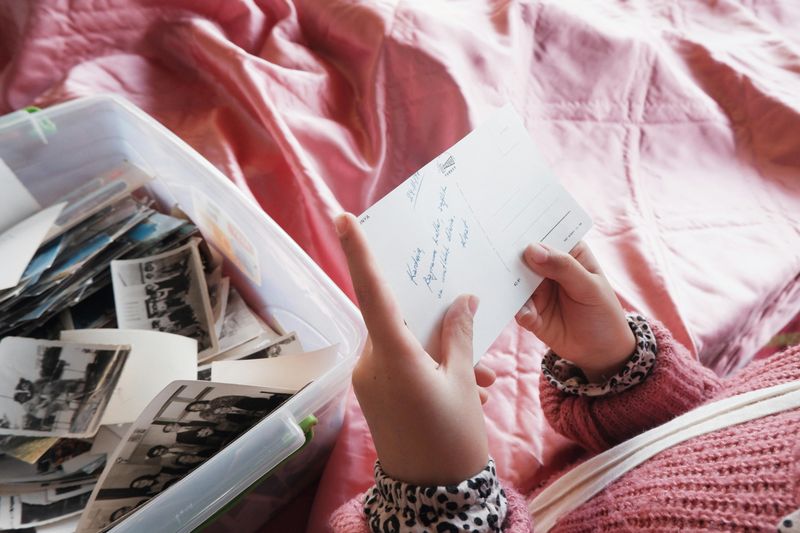
Creating a designated collection of meaningful items—photos, letters, small personal belongings, recorded stories, or favorite objects—helps preserve their life in a thoughtful, manageable way.
Rather than keeping everything or discarding too much, a curated approach finds the meaningful middle ground.
Experts recommend keeping a selected set rather than every single possession, so memories remain accessible rather than overwhelming.
A memory box or archive gives you a specific place to visit when you want to feel close to them.
Include items that represent different aspects of their personality: something they made, something they loved, something that makes you smile.
This intentional collection becomes a legacy you can share with others who loved them too.
Comments
Loading…