
 Hailey Watson
Unique Things Americans Find Attractive (That No One Else Gets)
Ever wonder why some things that seem totally normal in America make people from other countries scratch their heads?
From fashion choices to food preferences, Americans have developed unique tastes that don’t always translate across borders.
What we find attractive or appealing might look downright strange to someone visiting from another part of the world, and that’s what makes cultural differences so fascinating.
1. Cosmetic Surgery Obsession
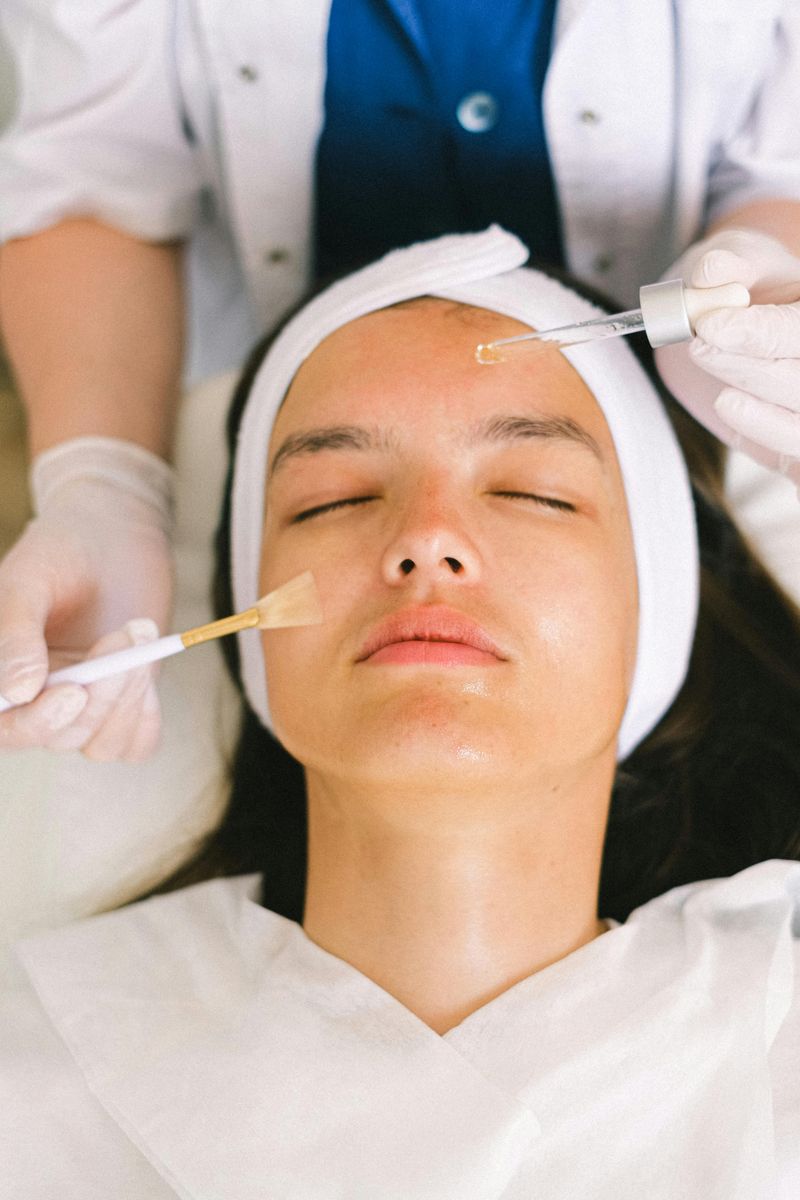
America leads the world in cosmetic procedures, with over 7.4 million surgeries happening in 2022 alone.
That’s more than any other country on the planet!
Butt lifts have skyrocketed by 252% since 2000, showing just how popular body modifications have become.
Many Americans see plastic surgery as a normal way to improve their appearance.
It’s talked about openly at parties, posted on social media, and even given as graduation gifts.
Other cultures often view cosmetic surgery as something to hide or feel embarrassed about.
The American attitude treats these procedures like getting a haircut or buying new clothes.
This casual approach to changing your body surprises visitors from countries where natural beauty is valued more highly.
2. Blonde Hair Craze

Golden locks have a special place in American hearts.
Research shows that men often rate blonde women as appearing younger and healthier than brunettes.
This preference has created a massive hair dye industry worth billions of dollars.
Only a tiny percentage of Americans naturally have blonde hair, yet hair salons stay busy bleaching and highlighting.
From California beaches to New York offices, blonde hair is everywhere.
Many women spend hundreds of dollars maintaining their light-colored locks.
Other countries, especially in Asia and Latin America, celebrate dark hair as the beauty standard.
The American obsession with going blonde puzzles people from cultures where natural hair color is rarely changed.
3. Plump Lip Trend
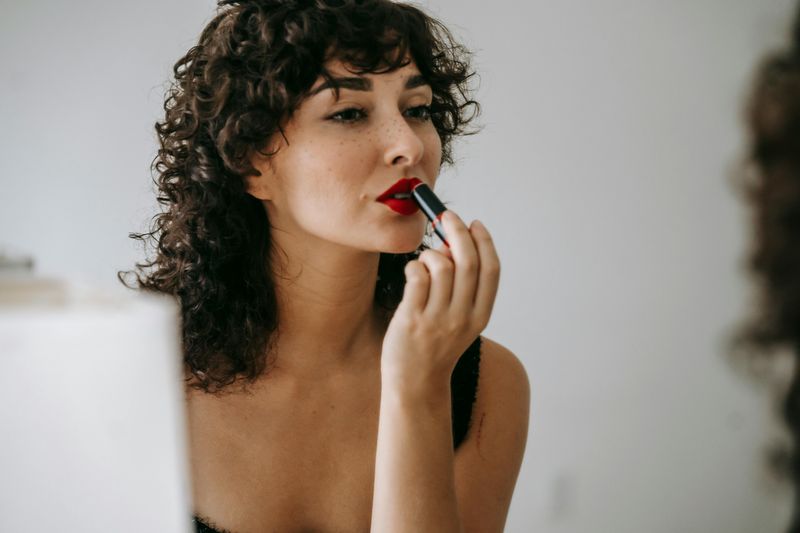
Fuller lips scream youth and sensuality in American beauty culture.
Statistics reveal that 3.4 million Americans got lip filler injections in 2020, making it one of the most popular cosmetic treatments.
Social media influencers have turned pouty lips into a must-have feature.
Teenagers save their allowances for lip plumping glosses, while adults book appointments for temporary fillers.
The bigger, the better seems to be the motto.
Celebrities proudly show off their enhanced smiles on red carpets and Instagram feeds.
Meanwhile, in many European and Asian countries, natural lip size is preferred.
Some cultures even find overly plump lips unattractive or fake-looking, creating a stark contrast to American preferences.
4. Casual Clothing Everywhere

Comfort wins over formality in American fashion.
About 80% of workplaces allow business-casual or completely casual dress codes, with 20% having no dress code at all.
Jeans, sneakers, and hoodies have become acceptable almost everywhere, from offices to fancy restaurants.
Americans value practicality and personal comfort above looking dressed up.
Tech billionaires wear t-shirts to important meetings, and students show up to class in sweatpants.
This relaxed approach extends to shopping, traveling, and even attending some formal events.
Europeans often dress more formally for similar occasions, viewing the American casual style as sloppy.
In countries like France or Italy, putting effort into your appearance shows respect for others.
5. Elaborate Nail Art
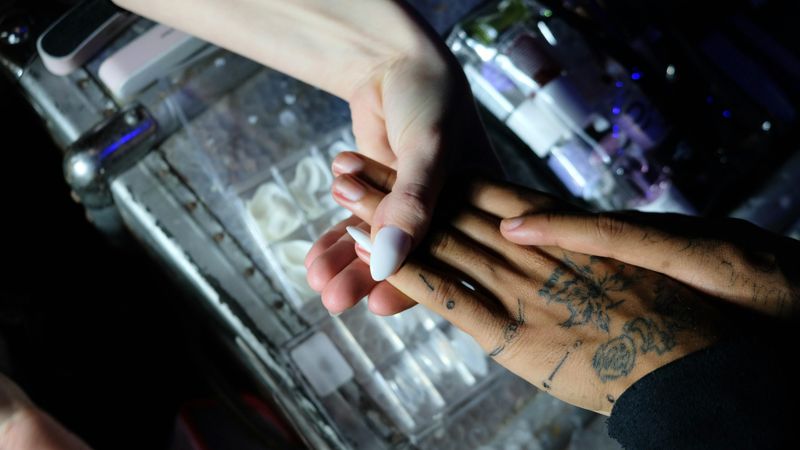
American nail salons transform fingertips into tiny canvases for artistic expression.
Rhinestones, glitter, 3D decorations, and even miniature portraits appear on nails.
Holiday-themed designs become especially popular, with Christmas trees, pumpkins, and fireworks adorning fingernails throughout the year.
Long acrylic nails, sometimes extending several inches, are considered fashionable despite making everyday tasks challenging.
Women proudly show off their latest nail creations on social media, with some designs taking hours to complete.
Nail technicians have become artists with devoted followings.
Many other cultures prefer simple, natural-looking nails or single-color polish.
The American enthusiasm for bedazzled, elaborately decorated nails seems excessive and impractical to people from minimalist beauty cultures.
6. Extravagant Holiday Lights

When December arrives, American neighborhoods transform into dazzling light shows.
Entire houses disappear under thousands of twinkling bulbs, inflatable characters, and animated displays.
Some homeowners spend weeks installing decorations that can be seen from space, or so it seems!
Families drive around specifically to admire these elaborate displays, making it a beloved holiday tradition.
Competition between neighbors can get intense, with each house trying to outdo the others.
Electric bills skyrocket, but the festive spirit matters more than the cost.
People from countries with subtler holiday traditions find this excessive.
A simple wreath or candle in the window suffices in many cultures, making American light displays look wasteful and over-the-top.
7. Deep-Fried Everything

If it exists, Americans have probably tried deep-frying it.
State fairs showcase this culinary creativity with deep-fried butter, Oreos, ice cream, and even Kool-Aid.
The crispy, golden coating makes everything taste irresistible to American palates, no matter how unusual the combination.
Regular restaurants serve deep-fried appetizers as standard menu items.
Chicken, fish, vegetables, and desserts all get the hot oil treatment.
The satisfying crunch and rich flavor keep people coming back for more, despite health concerns.
Visitors from countries with lighter cuisine often feel shocked by the deep-fried options.
Mediterranean and Asian cultures typically use frying more sparingly, viewing the American approach as unhealthy and excessive.
8. Supersized Portions
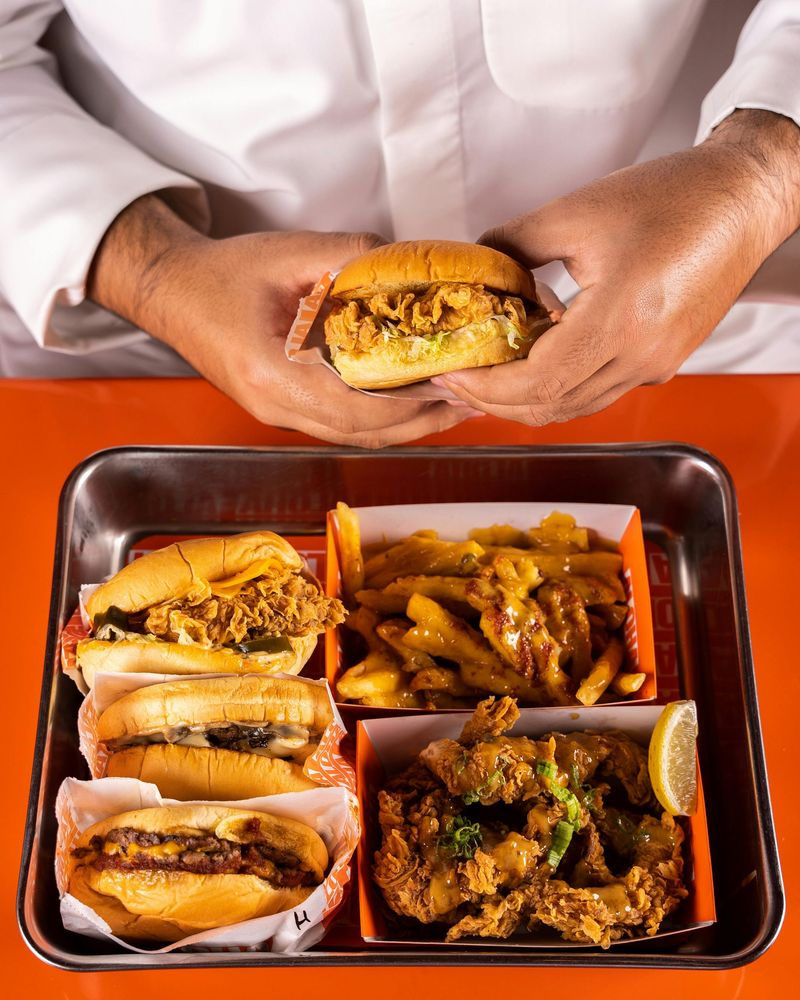
American restaurants believe bigger is always better when it comes to food.
A single meal often contains enough calories for an entire day, with plates overflowing and drinks measured in buckets.
Fast food chains compete on size, offering meals that would feed multiple people in other countries.
Getting your money’s worth means leaving with a to-go box, which is completely normal and expected.
Appetizers could serve as main courses elsewhere.
All-you-can-eat buffets represent the ultimate expression of this more-is-more philosophy.
Europeans and Asians often feel overwhelmed by American portion sizes.
Their typical servings are half or even a third of what American restaurants provide, making dining out in America a culture shock.
9. Pajamas as Streetwear

Rolling out of bed and heading to the grocery store without changing?
Totally acceptable in America!
Pajama pants, slippers, and even full sleepwear sets appear regularly in public spaces.
College students especially embrace this ultra-casual approach, wearing PJs to classes and study sessions.
The comfort-first mentality extends beyond just running quick errands.
Some people wear sleepwear to restaurants, shopping malls, and even on airplanes.
Nobody bats an eye because personal comfort trumps appearance standards.
This practice horrifies people from cultures that value public presentation.
In many countries, leaving home in sleepwear would be considered deeply disrespectful and inappropriate, regardless of the errand’s urgency or brevity.
10. Public Toothpick Use
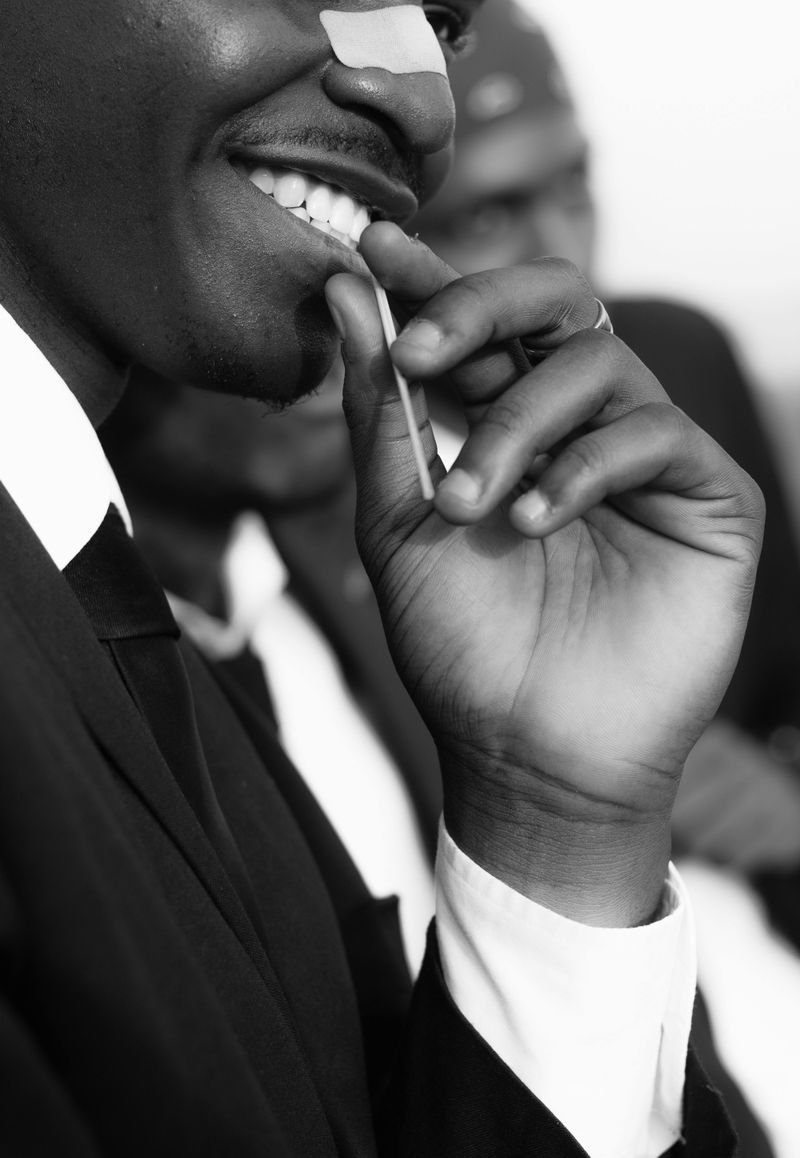
After finishing a meal, many Americans openly use toothpicks without seeking privacy.
Restaurants provide them at checkout counters, and people walk around with toothpicks dangling from their mouths.
This casual approach to dental hygiene happens everywhere from fancy steakhouses to casual diners.
Nobody considers this behavior rude or inappropriate in American culture.
It’s seen as practical maintenance, like wiping your mouth with a napkin.
Some people even keep toothpicks in their cars or pockets for convenience.
Many Asian and European cultures view public toothpick use as extremely impolite.
These actions should happen privately, away from others’ view.
The American openness about removing food from teeth makes international visitors uncomfortable.
11. Bright White Teeth
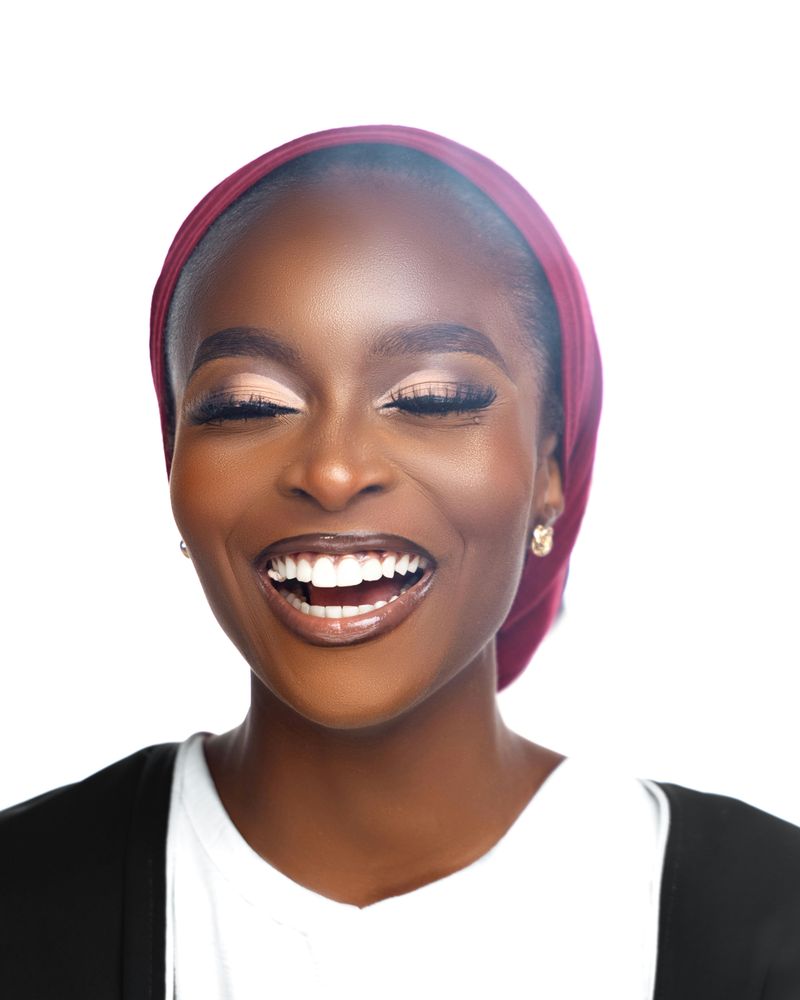
Americans pursue blindingly white teeth with determination that surprises other cultures.
Whitening strips, professional treatments, and special toothpastes fly off shelves as people chase that perfect Hollywood smile.
Teeth that practically glow in the dark have become the standard of attractiveness.
Orthodontic work is considered essential rather than optional for most children.
Braces, retainers, and teeth straightening represent normal parts of growing up.
Adults invest thousands in veneers and whitening procedures to maintain their brilliant smiles.
Natural tooth color varies from person to person, but Americans want uniformly bright white teeth.
Other cultures accept slightly yellowed or imperfect teeth as normal and healthy, finding the American obsession with whiteness somewhat unnatural.
12. Ice in Every Drink
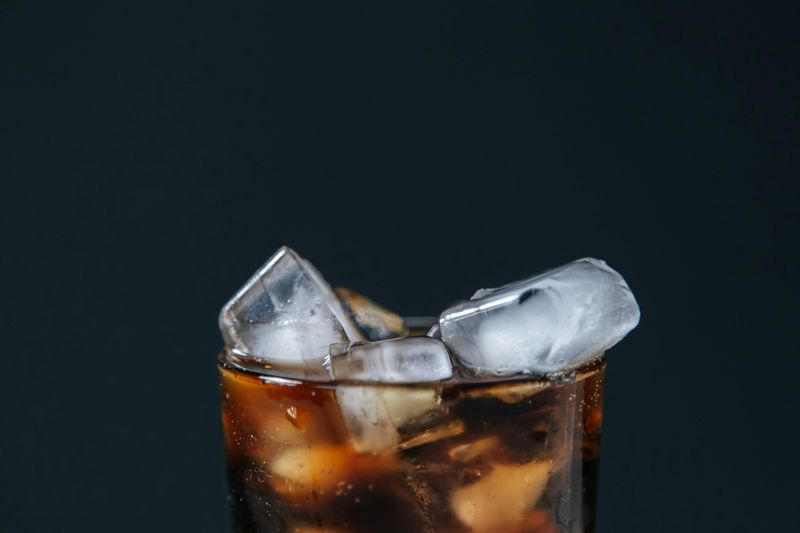
Order any beverage in America, and it arrives packed with ice cubes.
Glasses contain more ice than actual liquid, leaving barely any room for the drink itself.
Americans love their beverages ice-cold, regardless of season or weather conditions.
Free refills compensate for the reduced drink volume, but the ice obsession continues.
Even in winter, iced drinks remain popular choices.
Water always comes with ice unless specifically requested otherwise, and fast food cups are designed to hold maximum ice.
Europeans typically serve drinks at room temperature or with minimal ice.
They want to taste their beverages, not dilute them with melting ice.
Asian countries also use ice sparingly, making the American ice addiction seem wasteful and strange.
13. Massive Vehicles

Bigger vehicles signal success and practicality in American culture.
Enormous pickup trucks and SUVs dominate roads, even when drivers rarely haul cargo or travel off-road.
These gas-guzzling giants make drivers feel safe and powerful, despite the environmental impact and parking challenges.
Families choose vehicles that could transport a small army, justifying the size for occasional road trips or hypothetical emergencies.
Truck commercials emphasize toughness and capability, appealing to American values of independence and readiness.
Compact cars are often viewed as less desirable or masculine.
Europeans drive much smaller vehicles that fit narrow streets and prioritize fuel efficiency.
The American preference for enormous trucks seems unnecessary and environmentally irresponsible to people from countries with better public transportation.
14. Spray Tans and Bronzer
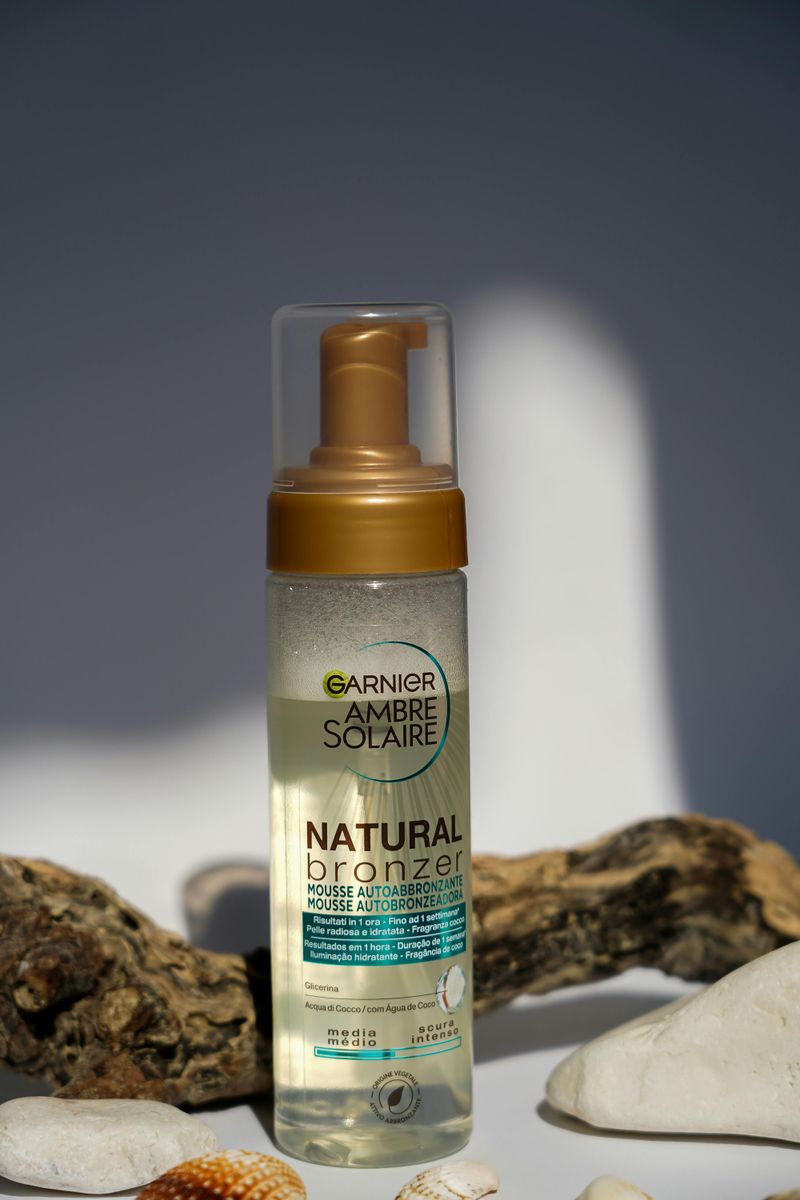
Golden, bronzed skin remains attractive to Americans year-round, even in winter.
Spray tan salons thrive in every city, offering artificial color without sun damage.
Reality TV stars and beauty influencers promote the perpetually tanned look as healthy and glamorous.
Teenagers attend prom with spray tans, brides get bronzed before weddings, and everyday people maintain their glow through regular treatments.
The orange-tinted mishaps that sometimes occur don’t discourage the pursuit of that sun-kissed appearance.
Self-tanning products fill entire store aisles.
Many Asian cultures prize pale skin as the beauty ideal, using whitening products instead of bronzers.
The American desire for darker skin puzzles people from countries where lighter complexions are considered more attractive and desirable.
15. Gym Culture Obsession
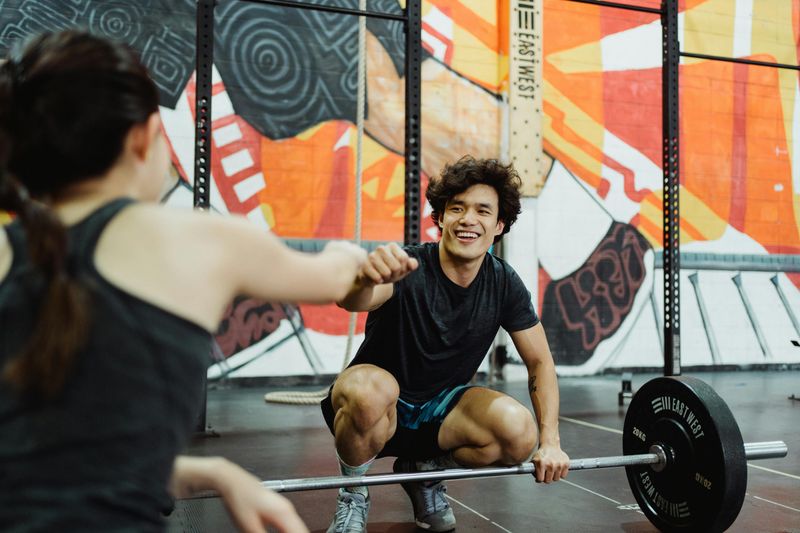
Gym memberships and fitness culture dominate American social life.
People discuss their workout routines like others talk about hobbies, posting gym selfies and tracking every calorie burned.
Athletic wear has become acceptable everyday clothing, even for people not heading to exercise.
The pursuit of the perfect body drives a multi-billion dollar fitness industry.
Americans spend hours weekly at gyms, hire personal trainers, and follow strict workout programs.
Muscular builds and athletic physiques represent the pinnacle of attractiveness.
While exercise is valued globally, the American intensity and public display of fitness culture stands out.
Other countries separate exercise from social identity, finding the constant gym talk and athletic clothing everywhere excessive and somewhat obsessive.
Comments
Loading…