
 Harper Hall
11 Things People Don’t Realize About Your Love for Solitude

Loving solitude doesn’t mean you’re antisocial or lonely—it means you’ve discovered the power of your own company.
While some people see being alone as something to avoid, you understand it’s actually a strength that helps you grow and recharge.
Unfortunately, many friends and family members misunderstand this preference, thinking you’re sad or distant when you’re actually perfectly content.
This list reveals the truths about solitude that people who always need company might never fully grasp.
1. You Do Things Alone Easily

Most people feel awkward going to movies, restaurants, or concerts without a friend tagging along.
For you, these activities feel completely natural and enjoyable when done solo.
There’s freedom in choosing exactly what you want to do without compromising or coordinating schedules.
Shopping trips become efficient missions instead of marathon social events.
You can linger at bookstores for hours or leave after five minutes—whatever suits your mood.
The experience becomes richer because you’re fully present with yourself.
You’re not trying to impress, entertain, or keep up with anyone else’s energy.
You’re simply creating a day shaped entirely around what feels good to you.
You’re not waiting for someone to show up; you’re genuinely content experiencing life on your own terms and timeline.
2. You’re Selective About Who You Date

Your dating life confuses people who jump from relationship to relationship.
You’re not desperately swiping right on everyone or settling for mediocre connections just to avoid being single.
Instead, you wait patiently for someone who genuinely enhances your already fulfilling life.
This patience comes from knowing yourself deeply.
Bad dates don’t devastate you because your happiness isn’t dependent on finding a partner immediately.
You’d rather spend Saturday night reading than forcing conversation with someone who doesn’t spark genuine interest.
Friends might worry you’re too picky, but you understand something important.
The right person will add to your life, not complete it—because you’re already whole on your own.
That perspective makes you a healthier partner when you finally commit.
3. You Don’t Always Want to Be Alone

Here’s where people get confused: loving solitude doesn’t equal wanting permanent isolation.
You absolutely crave connection, laughter, and meaningful conversations with people you care about.
The difference is you don’t need constant social stimulation to feel okay.
Some days you’ll enthusiastically accept every invitation that comes your way.
Other times, you’ll decline everything to recharge your batteries at home.
This flexibility confuses people who see you as either totally social or completely reclusive.
The truth is more nuanced than they realize.
You enjoy company when it feels right and retreat when you need space.
This balance keeps you emotionally healthy rather than drained or desperately lonely like those who can’t tolerate either extreme.
4. You Need Alone-Time Recovery Days

After a busy week of meetings, social events, and constant interaction, you require recovery time that others don’t understand.
They bounce from Friday night parties straight into Sunday brunch plans without missing a beat.
You need Saturday completely free to reset your emotional energy.
These recovery days aren’t wasted time—they’re essential maintenance.
You might sleep in, putter around the house, or binge-watch shows without talking to anyone.
By Sunday evening, you feel refreshed and ready to engage with the world again.
Friends sometimes take offense when you cancel plans for these recharge sessions.
They don’t realize you’re preventing burnout, not rejecting them.
This self-awareness actually makes you more present and enjoyable when you do show up socially.
5. You Don’t Mind Being the Third Wheel

While others squirm awkwardly when joining couple friends, you feel completely comfortable in these situations.
You’re not jealous of their relationship or desperately wishing you had a plus-one.
Their romantic dynamic doesn’t make you feel like an outsider looking in.
This comfort stems from your strong sense of self.
You don’t need another person beside you to validate your presence in social settings.
Whether you’re dining with one couple or surrounded by pairs, you remain confident and engaged.
Your coupled friends probably appreciate this quality more than you realize.
They can invite you anywhere without worrying about you feeling left out or uncomfortable.
You bring your whole self to gatherings, relationship status irrelevant to your enjoyment or contribution.
6. You Prefer Solitude Over the Wrong Company
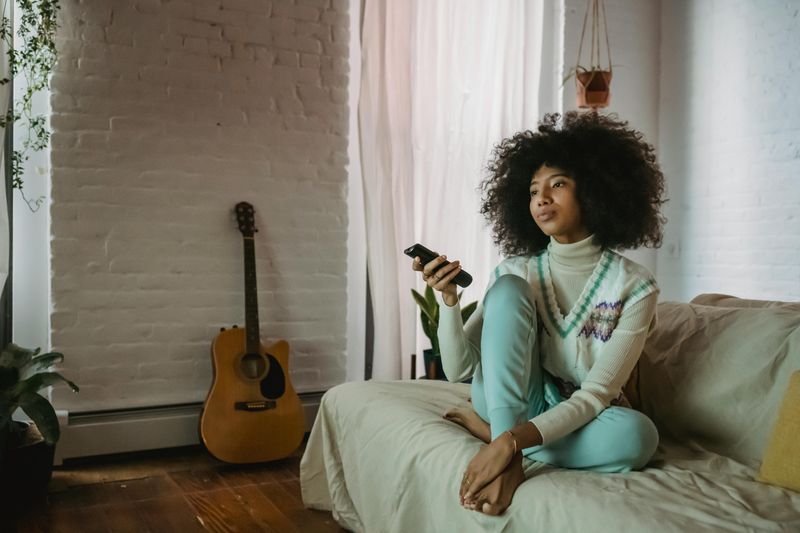
Quality matters infinitely more than quantity when it comes to your social life.
You’d choose a quiet evening at home over spending time with energy-draining people every single time.
Bad company leaves you feeling exhausted and irritable, while solitude restores your peace.
Some people can’t grasp this preference—they’ll hang out with anyone just to avoid being alone.
They accept toxic friendships or boring conversations because silence scares them more than poor treatment.
You’ve learned that being selective protects your mental health.
A peaceful night reading, cooking, or simply thinking beats forced small talk with people who don’t understand you.
This boundary isn’t antisocial; it’s self-respect.
Your time and energy are valuable resources you refuse to waste on connections that deplete rather than fulfill.
7. You Decline Invitations Without Guilt

Saying no used to feel impossible before you embraced solitude.
Now you decline invitations confidently, knowing that honoring your needs isn’t selfish or rude.
When you’re not feeling social or simply prefer staying home, you communicate that clearly without elaborate excuses.
People sometimes take your refusals personally, assuming you don’t value the friendship.
Actually, the opposite is true—you’re preventing resentment by not forcing yourself into situations where you’d be mentally checked out.
Authentic presence matters more than perfect attendance.
This honesty strengthens your relationships over time.
Friends learn that when you do accept invitations, you’re genuinely excited to be there.
Your yes means something because you’re not afraid to say no when necessary, creating trust through consistency.
8. You Aren’t Embarrassed Doing Things Alone

Running into acquaintances while dining alone or attending events solo doesn’t trigger panic like it might for others.
You don’t frantically pretend to be waiting for someone or make excuses about why you’re by yourself.
Your confidence in your own company radiates naturally.
This self-assurance comes from genuinely enjoying your own presence.
You’re not lonely or pathetic for being alone—you’re independent and comfortable with yourself.
That distinction changes everything about how you carry yourself in public spaces.
Others might project their own insecurities onto your situation, but their discomfort doesn’t become yours.
You smile, chat briefly if appropriate, then return to your meal or activity without second-guessing your choices.
This unshakeable confidence actually makes you more attractive and interesting to others.
9. You Enjoy Being Alone but Not Lonely

There’s a crucial difference between solitude and loneliness that people constantly confuse.
Solitude energizes you—it’s chosen, peaceful, and restorative. Loneliness drains you—it’s unwanted isolation that leaves you craving connection you can’t access.
You actively seek the first while avoiding the second.
During alone time, you feel engaged with activities, thoughts, or projects that matter to you.
Your mind stays active and content rather than spiraling into negative patterns.
You’re with yourself, not stuck with yourself—an important distinction.
Loneliness would mean lacking emotional connections altogether, which isn’t your situation.
You maintain meaningful relationships that provide support when needed.
Your solitude preference simply means you don’t require constant interaction to feel emotionally fulfilled or validated by others.
10. You’re Not Worried About Missing Out

Social media bombards everyone with images of parties, trips, and gatherings they weren’t invited to.
While others spiral into FOMO anxiety, you scroll past without that sinking feeling.
You’re genuinely happy with your choices, even when they differ dramatically from what everyone else is doing.
This freedom comes from knowing what actually fulfills you.
A quiet weekend hiking alone might bring more joy than a crowded festival would.
You measure experiences against your own values rather than social expectations or comparison.
Friends might worry you’re missing life’s excitement, but you’re actually experiencing it more authentically.
You attend events because you want to, not because you fear being left out.
That intentionality makes every experience richer and more memorable than mindlessly following the crowd.
11. You Build Deep Connections Intentionally
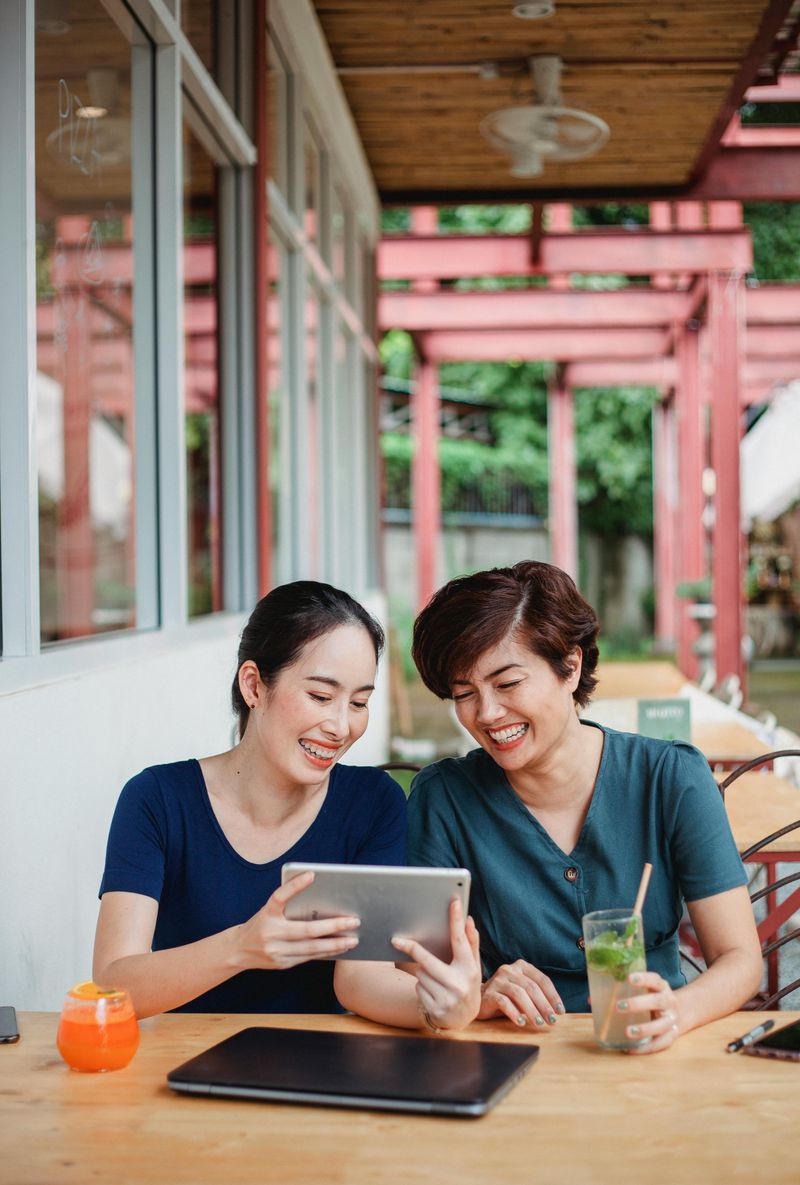
Your social circle might be smaller than others’, but the relationships you maintain run incredibly deep.
You invest time and emotional energy into a few people who truly understand you rather than spreading yourself thin across dozens of superficial friendships.
This intentional approach means your friends know they matter to you.
When you make time for someone, they receive your full attention and presence.
These connections withstand distance and time because they’re built on genuine understanding rather than convenience or habit.
Quality relationships require the kind of depth that only comes from having space to reflect and recharge.
Your solitude actually strengthens your connections because you bring your best self to interactions.
You’ve learned that meaningful bonds matter infinitely more than being everyone’s casual acquaintance.
Comments
Loading…