
 Isabel Parker
13 Reasons Men Look at Other Women (Even When They’re in Love With You)

Trust is the foundation of any bond, but the visual nature of men can often shake a partner’s confidence.
Understanding the ‘why’ behind this behavior is the first step toward building a more secure connection.
We’ve compiled 13 insights into male psychology that explain why looking doesn’t always mean leaving.
Learn how to strengthen your relationship and stop feeling threatened by a passing glance.
1. It’s a Natural Biological Response

Brains are wired to notice novelty, motion, and symmetry.
A quick glance can be an automatic reflex, not a verdict on your worth or your relationship.
Think of it like noticing a bright car or a vivid billboard that grabs attention for a second.
Attraction is not the same as intention.
Most men can register an image and move on without acting on it.
You can acknowledge the reflex while still expecting respect and mindfulness.
Clear boundaries help.
If a glance lingers or becomes a pattern, that is a different conversation.
But the split second eye flick is often biology doing its thing, not a hidden plan to cheat.
2. Curiosity Is Hardwired

Humans are curious creatures who scan, compare, and categorize.
Even in happy relationships, the brain collects data about style, posture, and expression.
It is part of learning the social world, not proof of wandering commitment.
Curiosity can be harmless when it is noticed and contained.
Briefly observing how someone dresses or carries themselves can spark ideas without disrespecting you.
The key is keeping it non-creepy and short.
You can even turn it collaborative.
Share observations playfully, set boundaries, and keep empathy front and center.
When curiosity is acknowledged openly, it loses its edge and becomes just another normal human quirk.
3. Online Algorithms Push Attractive Content

Platforms are built to maximize time on screen.
Algorithms learn that attractive faces and trendy aesthetics win clicks, so they flood feeds accordingly.
Sometimes your partner is not searching for it at all, it simply arrives.
That does not excuse disrespect.
It does explain why the feed feels sticky and hard to avoid.
Unfollowing, muting, and resetting recommendations can drastically change what appears.
Make a pact to curate.
Disable autoplay, limit explore pages, and use mindful timers.
When the environment stops throwing sparks, the habit cools and space opens for more intentional connection.
4. They’re Using It as a Quick Escape or Stress Relief

After a long day, brains crave low effort distraction.
Scrolling faces or glancing around can feel like a tiny mental vacation, similar to people watching at a cafe.
It is not always about desire, just relief.
Stress makes easy dopamine tempting.
Quick visuals deliver a fast mood shift without conversation or effort.
Recognize the coping mechanism so you can address the actual stress beneath it.
Suggest healthier escapes.
Short walks, music, breathwork, or shared laughter can scratch the same itch.
When better outlets exist, the reflex to zone out with eye candy loses power.
5. Insecurity Can Drive the Behavior

Odd but true, some glancing is about reassurance.
Seeing attention-worthy people and imagining being chosen by them can temporarily inflate a shaky ego.
It is a bandage, not a cure.
Confidence built on quick looks evaporates fast.
Real stability comes from growth, competence, and connection.
You can empathize with insecurity while still asking for accountability and care.
Invite honest talks about self worth.
Encourage therapy, fitness, skill building, and celebrating wins.
When confidence rises from within, the need for external validation naturally shrinks.
6. They’re Seeking Variety—Mentally, Not Romantically
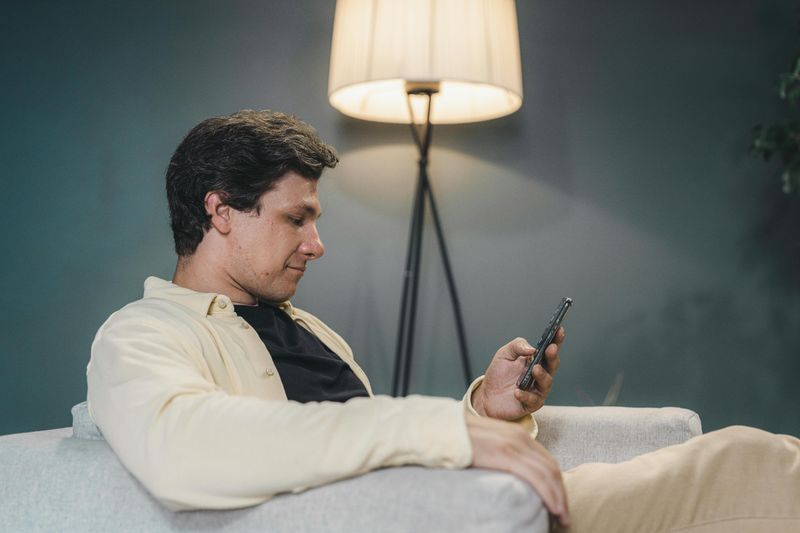
The brain loves novelty like a cat loves a new box.
Visual variety stimulates attention networks even when the heart is loyal.
It is about newness, not swapping partners.
You can harness this.
Fresh dates, new outfits, and shared adventures feed the same circuits.
Novelty inside the relationship reduces the urge to seek it passively outside.
Agree on respectful guardrails.
Short glances are one thing, lingering objectification is another.
Keep curiosity playful, keep commitment firm, and let variety enhance, not erode, your bond.
7. They Don’t Realize It Hurts Their Partner

Many men underestimate the sting of a poorly timed look.
It can make you feel sidelined, unchosen, or unsafe.
Without feedback, they may never connect the glance to your hurt.
Spell it out calmly.
Use specific examples and describe the feeling rather than attacking character.
Requests land better than accusations and lead to real change.
Agree on signals.
A gentle nudge or code word can reset the moment without drama.
When awareness rises, respect follows, and trust heals faster.
8. Habitual Browsing Turns Into a Default Behavior

What starts as harmless scrolling can become muscle memory.
The thumb opens apps before the mind is even awake.
Habits run the show unless you interrupt them on purpose.
Awareness is step one.
Track triggers like boredom, bedtime, or lunch breaks.
Replace the cue with a healthier mini ritual, and the loop begins to rewrite.
Use friction.
Remove apps from the home screen, log out, or set app locks.
Small obstacles slow the reflex long enough to make a better choice.
9. Media and Culture Normalize It

From movies to memes, culture treats objectifying glances like background noise.
Jokes and locker room stories reinforce the idea that it is harmless.
When everyone shrugs, few people reflect.
Awareness breaks the spell.
Once you see the pattern, you can choose a different standard in your relationship.
Respect can be countercultural and still feel good.
Call out the scripts kindly.
Share shows that portray healthier dynamics.
The more you curate inputs, the easier it is to live the values you both prefer.
10. It Can Signal an Unmet Emotional Need

Sometimes the glance is a symptom, not the disease.
Boredom, disconnection, and low intimacy can push people toward cheap stimulation.
Quick visuals seem easier than tough talks.
Lean into curiosity together.
Ask what is missing without blame, and listen for specifics.
Quality time, affection, novelty, or appreciation might be the true fixes.
Create a plan.
Schedule connection, set boundaries for screens, and celebrate progress.
When emotional needs are met, glancing fades because the relationship feels full again.
11. Sometimes It’s About Validation

Sometimes a wandering glance has less to do with desire and more to do with validation.
If a man is feeling overlooked, aging, or unsure of himself, noticing who notices him can create a quick internal boost.
That doesn’t automatically mean he wants to act on anything.
It can be immature, yes, but it is often about ego more than love.
You may be sitting right there, and he can still chase that tiny hit of reassurance without thinking through the impact.
When that pattern shows up often, it usually points to self-worth issues that need honest attention.
12. They Separate Visual Attention From Emotional Loyalty

Men also tend to separate visual attention from emotional commitment more than many women expect.
In his mind, looking may register as meaningless, while to you it can feel personal, disrespectful, and painfully loud.
That disconnect creates conflict even when love is still very real.
This is where so many couples miss each other.
One person is focused on intention, while the other is reacting to impact.
If he believes looking means nothing, he may minimize your hurt instead of understanding that loyalty is not just about actions, it is also about consideration inside relationships.
13. Unclear Boundaries Can Keep the Pattern Going

Sometimes the issue is not attraction at all – it is a lack of clear boundaries.
If a man has never challenged what he watches, follows, or openly comments on, the behavior can keep running on autopilot.
Love does not automatically teach restraint, especially when nobody has named the line.
That is why conversations about respect matter so much.
You should not have to guess what counts as harmless and what feels hurtful in your relationship.
When expectations stay vague, he may keep repeating a pattern he honestly sees as normal, even though it keeps eroding trust a little more each time.
Comments
Loading…