
 Mary Murphy
13 TV Shows That Started Strong but Lost Their Spark

We’ve all been there—hooked on a show from the first episode, counting down the days until the next season drops. But somewhere along the way, the magic fades, and what once felt thrilling becomes a chore to finish. Some series start with incredible promise but stumble in later seasons, leaving fans disappointed and wondering what went wrong.
1. Heroes

This superhero drama burst onto screens with an amazing first season that explored what ordinary people would do with extraordinary abilities.
The mystery, character development, and interconnected storylines had everyone talking at work and school the next day.
Unfortunately, the second season suffered from a writers’ strike and never recovered its momentum.
New characters felt less interesting, and the plot became confusing and repetitive.
By the time later seasons rolled around, most viewers had already moved on.
The show that once promised to revolutionize superhero television ended up being remembered more for its wasted potential than its early brilliance.
2. Dexter
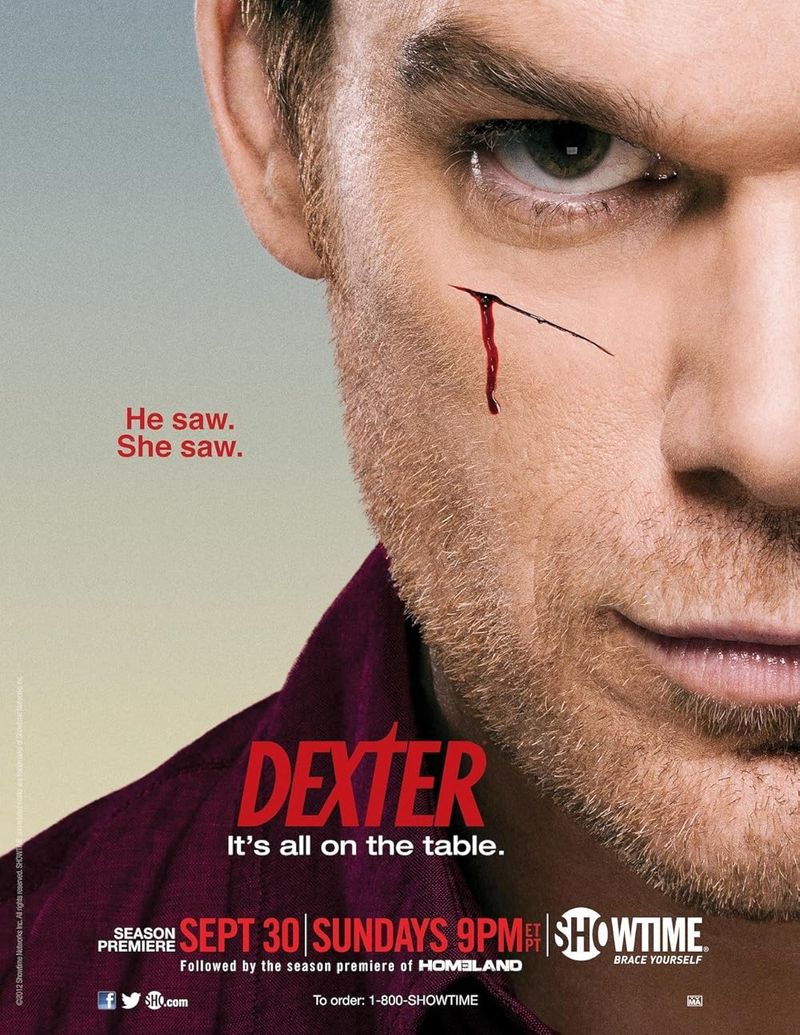
A serial killer who only targets other murderers?
That premise hooked audiences immediately and kept them invested through several gripping seasons.
The cat-and-mouse games, moral dilemmas, and Michael C. Hall’s captivating performance made this show appointment television.
But as seasons piled up, the formula grew stale.
Storylines became predictable, and supporting characters made increasingly illogical choices.
The original finale remains one of the most criticized endings in television history, with a conclusion so bizarre that even the network later brought the show back for a do-over season.
Sometimes knowing when to end is just as important as knowing how to begin.
3. The Walking Dead
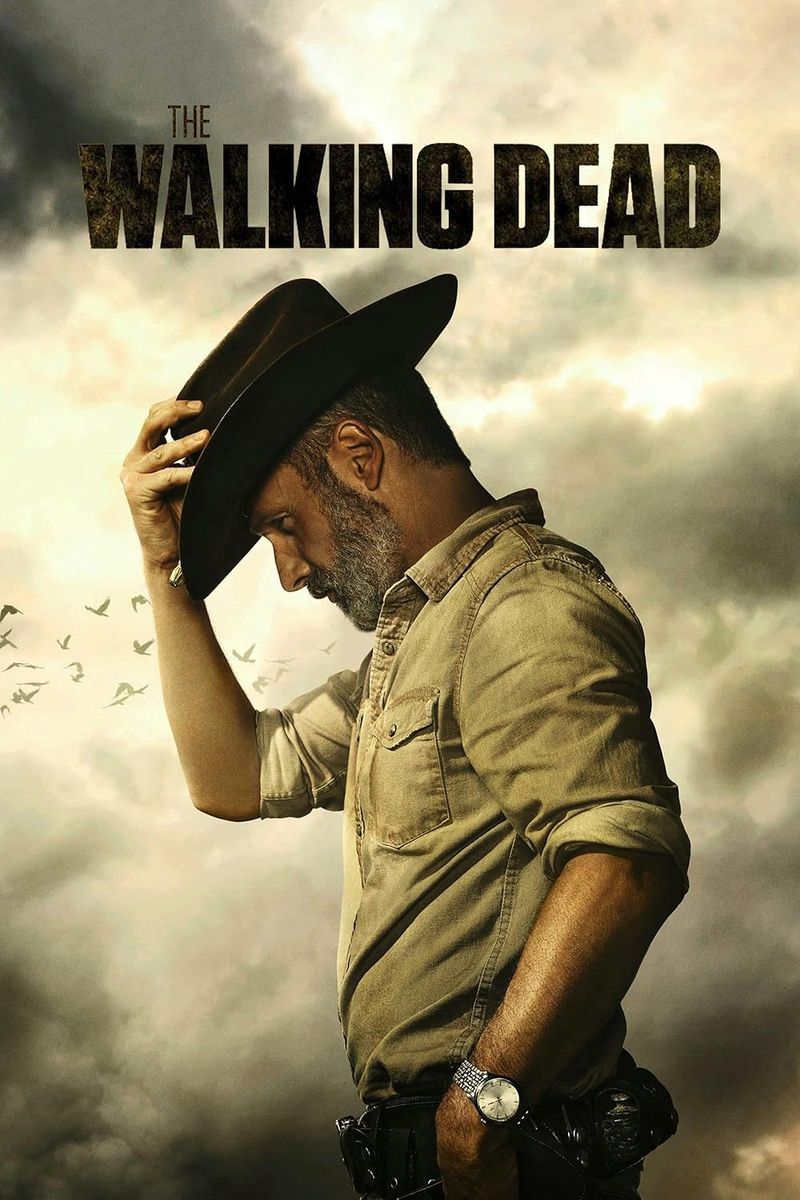
Zombies took over television when this survival horror drama premiered with incredible ratings and cultural impact.
The early seasons balanced character drama with genuine scares, asking deep questions about humanity when civilization collapses.
However, the show dragged on far too long.
Repetitive storylines about finding new communities, losing them, and starting over again wore viewers down.
Major character deaths that once felt meaningful became expected and tiresome.
By the time the series finally concluded, most of its original fanbase had already abandoned ship, exhausted by the endless cycle of hope and despair with diminishing returns on emotional investment.
4. Game of Thrones
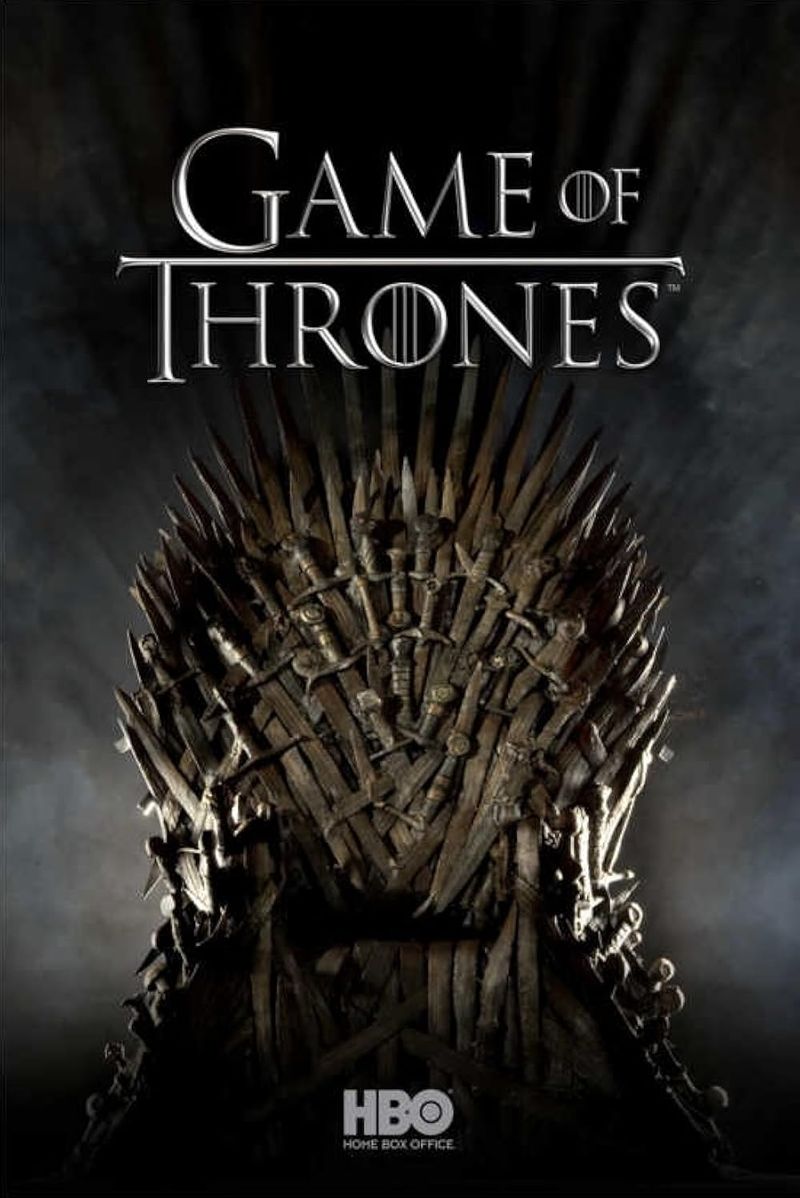
Few shows have experienced such a dramatic fall from grace as this fantasy epic.
For years, it dominated conversations, won countless awards, and kept viewers on the edge of their seats with shocking plot twists and complex characters.
Then came the final season. Rushed pacing, unexplained character decisions, and an ending that felt unsatisfying left millions of fans frustrated.
What once seemed like television’s greatest achievement became a cautionary tale about the importance of sticking the landing.
The disappointment was so widespread that it actually affected the show’s rewatchability and cultural legacy.
5. Prison Break
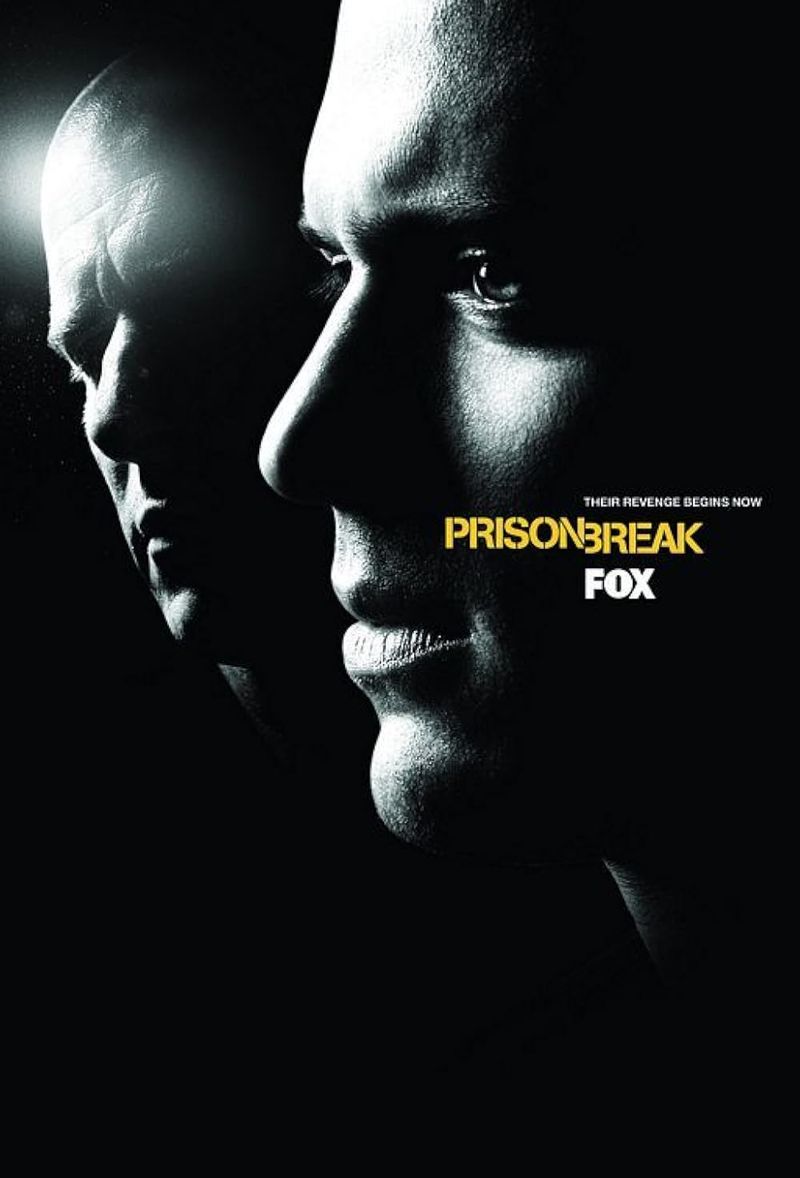
Breaking someone out of prison made for an absolutely thrilling first season.
The intricate planning, clever twists, and ticking clock created genuine suspense that kept viewers glued to their screens week after week.
But here’s the problem—once they actually escaped, the show’s entire premise was gone.
Subsequent seasons felt forced, with increasingly ridiculous reasons to put characters back behind bars or on the run.
What started as a tightly plotted thriller became a stretched-out soap opera with implausible conspiracies.
Sometimes a great concept works best as a limited series rather than being extended beyond its natural conclusion point.
6. Lost
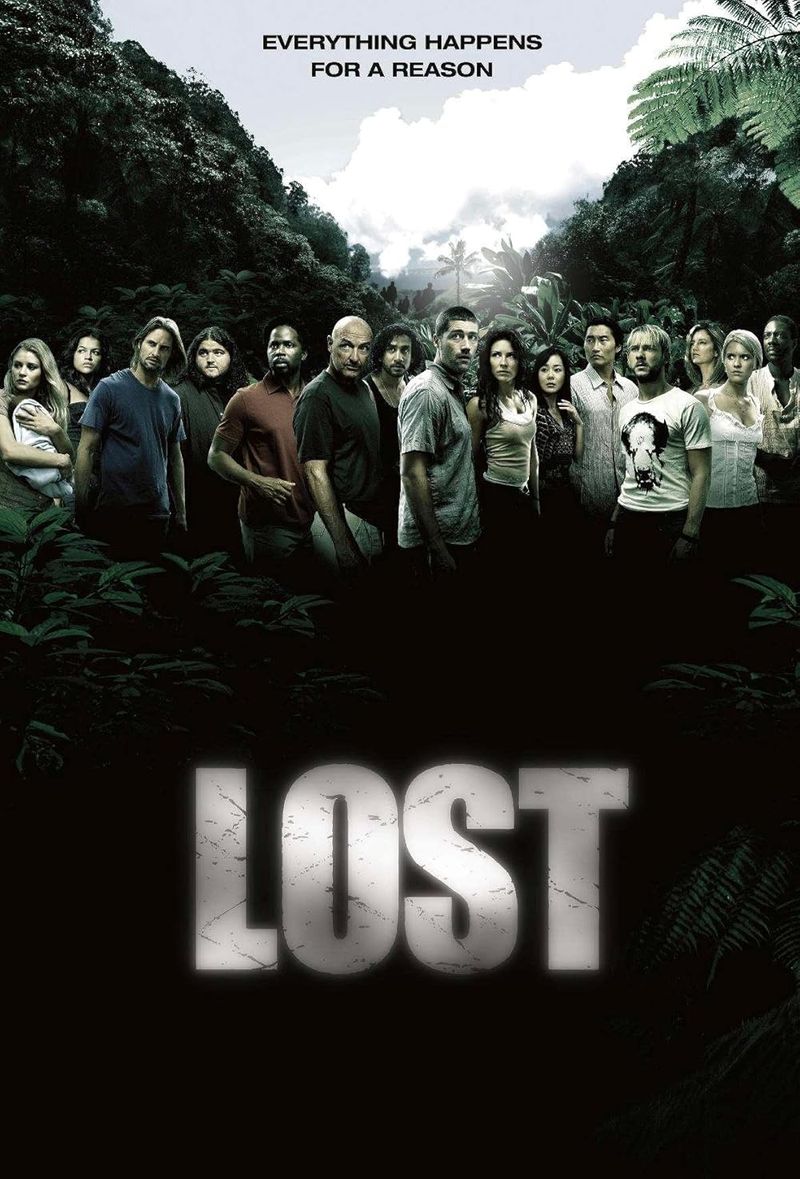
Plane crash survivors on a mysterious island with polar bears, smoke monsters, and endless secrets?
Count everyone in!
This show pioneered serialized mystery television and had viewers theorizing obsessively about every detail and clue.
The problem emerged when it became clear the writers were making things up as they went along. Questions piled up faster than answers arrived, and many mysteries never received satisfying explanations.
The finale divided fans sharply, with many feeling cheated after years of investment.
While the character work remained strong throughout, the show’s refusal to answer its own questions left a bitter taste for those seeking resolution.
7. How I Met Your Mother
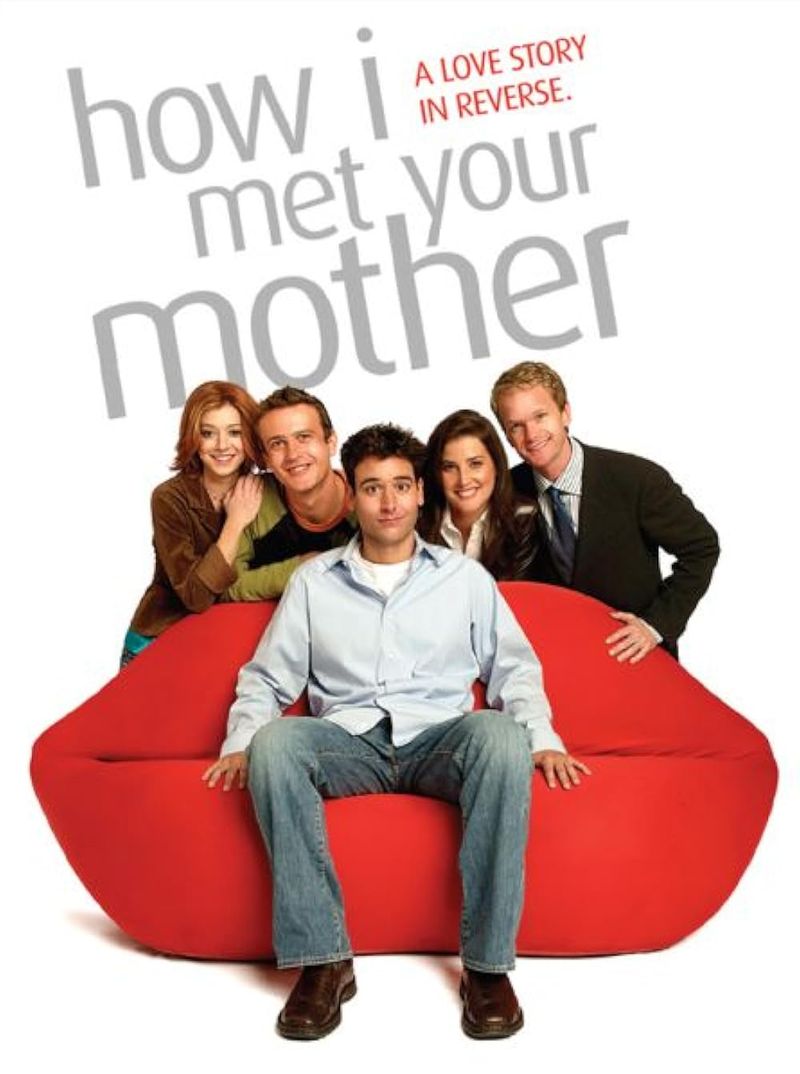
This sitcom charmed audiences with its clever storytelling structure, running gags, and lovable characters navigating friendship and romance in New York City.
For years, viewers tuned in religiously to discover the identity of the mysterious mother.
Then the final season happened.
Spending an entire season on one weekend felt like padding, and the finale’s last-minute twists undid years of character growth.
Fans felt betrayed when the show essentially erased the mother’s importance and reversed to an ending planned years earlier that no longer fit.
The backlash was so intense that it tarnished the show’s legacy and rewatchability almost overnight.
8. True Blood
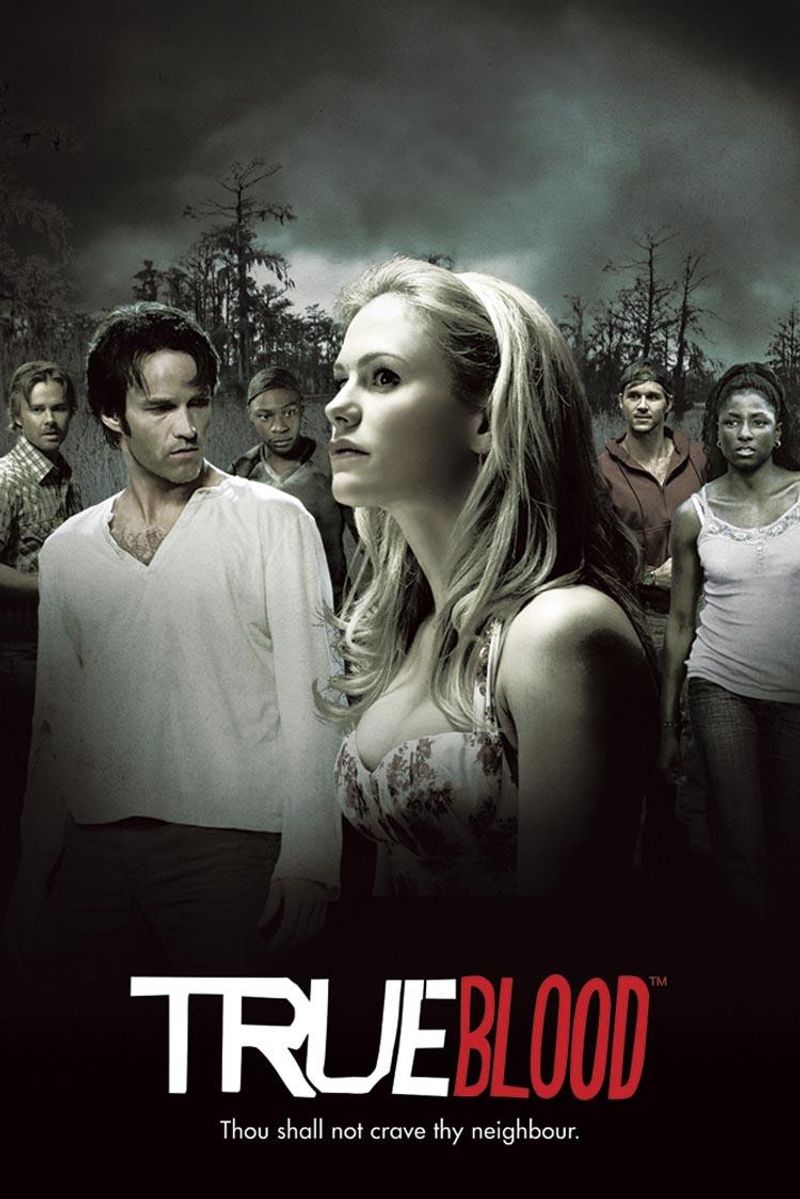
Vampires in the Deep South mixing romance, horror, and social commentary created a unique and addictive cocktail.
The early seasons balanced campiness with genuine stakes, creating a world that felt both dangerous and seductive.
As time went on, the show added too many supernatural creatures and convoluted plotlines.
Fairies, werewolves, witches, and more crowded the screen until nothing felt special anymore.
Character motivations became inconsistent, and the tone shifted wildly between episodes.
What began as a fresh take on vampire mythology ended as an overcrowded mess that even die-hard fans struggled to defend or recommend to newcomers.
9. Orange Is the New Black

This groundbreaking series brought diverse voices and important stories to mainstream television.
The first seasons expertly balanced comedy and drama while exploring the backgrounds of fascinating, complex female characters often ignored by Hollywood.
Later seasons struggled with tonal consistency and an expanding cast that diluted focus.
Some storylines felt preachy rather than organic, and the departure of certain characters left noticeable holes.
While the show maintained quality better than many on this list, the final seasons lacked the sharp writing and emotional punch of earlier episodes.
The series that revolutionized representation gradually became a shadow of its former self.
10. Glee
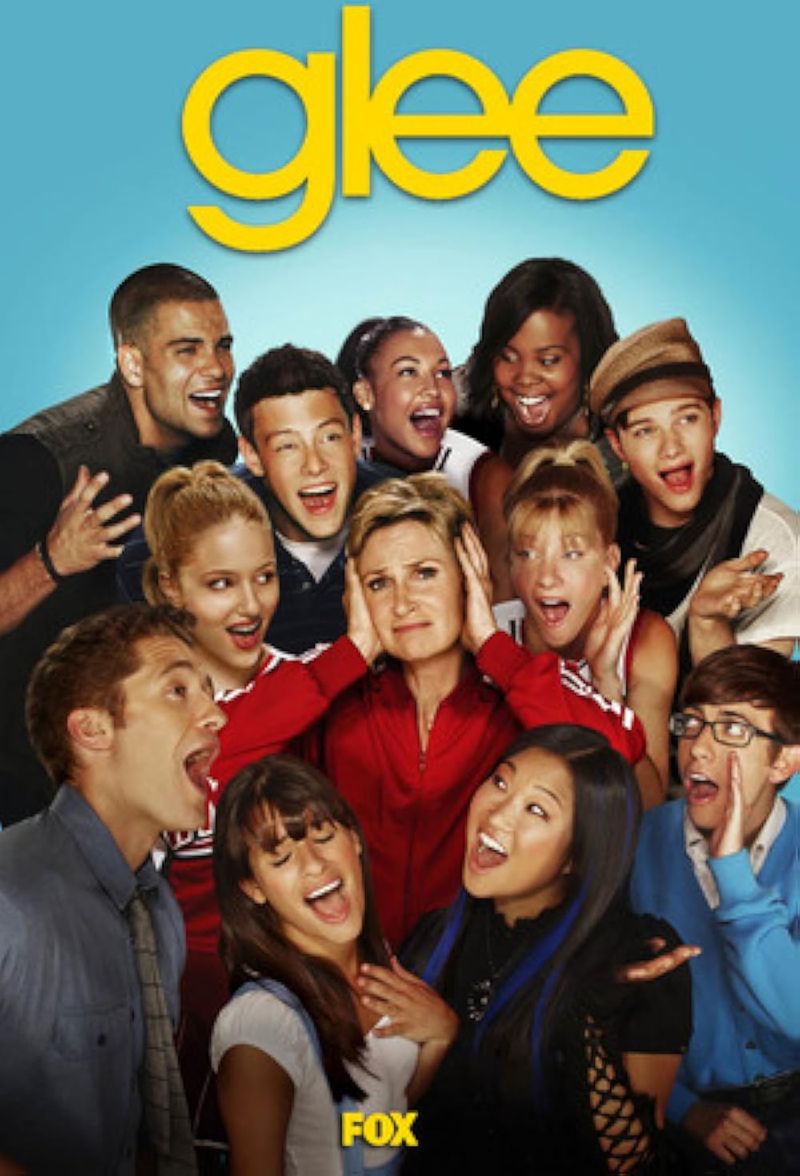
Musical numbers, underdog stories, and surprisingly good covers of popular songs made this show a phenomenon.
Early episodes tackled real issues facing teenagers while delivering entertainment that appealed to multiple generations simultaneously.
But the show quickly became inconsistent, with characters changing personalities between episodes to serve whatever lesson the writers wanted to teach.
Storylines grew preachy and unrealistic.
The constant addition of new characters while sidelining favorites frustrated loyal viewers.
By the final seasons, the show had lost its identity completely, bouncing between New York and Ohio with no clear direction or purpose remaining.
11. The 100
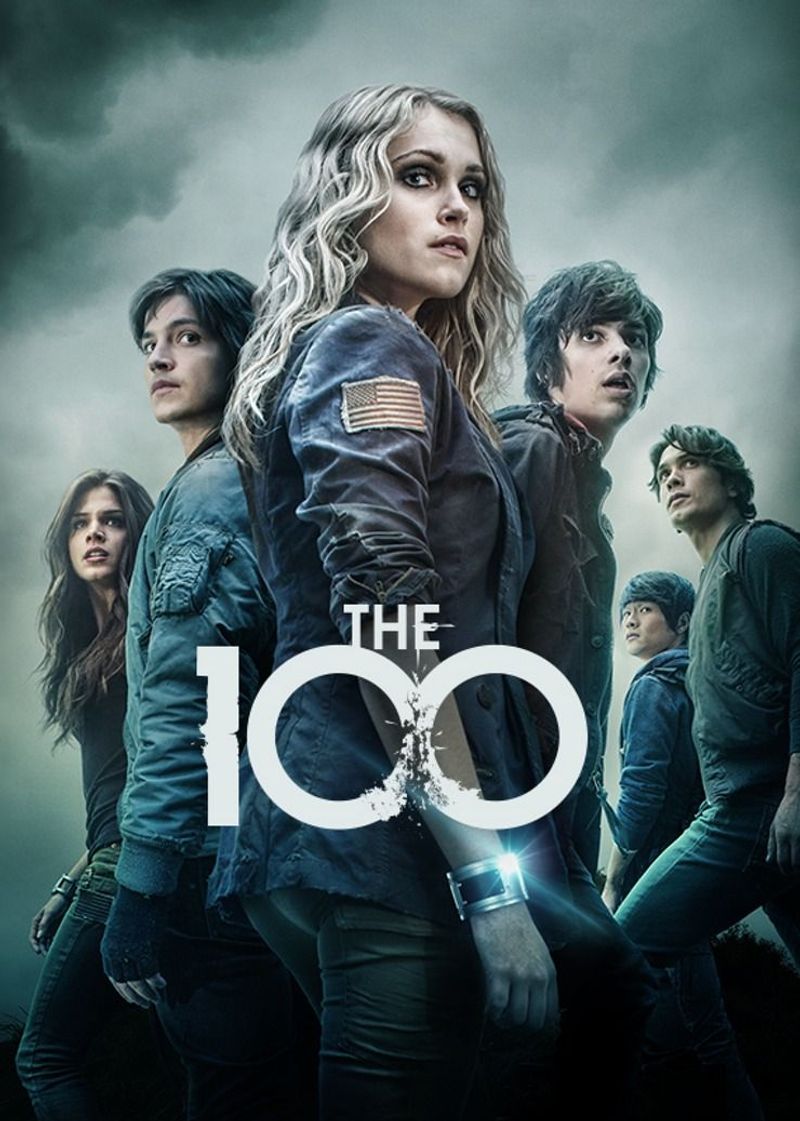
Teenagers sent to a radioactive Earth after humanity lived in space for generations?
That premise delivered surprisingly dark and complex storytelling.
Early seasons featured genuine moral dilemmas where no choice felt entirely right.
As the show continued, it kept hitting the reset button on its world.
New threats appeared constantly, and characters made the same mistakes repeatedly without growth.
The final season took a bizarre turn involving time travel and transcendence that felt disconnected from what made the show work initially.
What started as a grounded survival story ended as confusing science fiction that alienated much of its audience.
12. Westworld
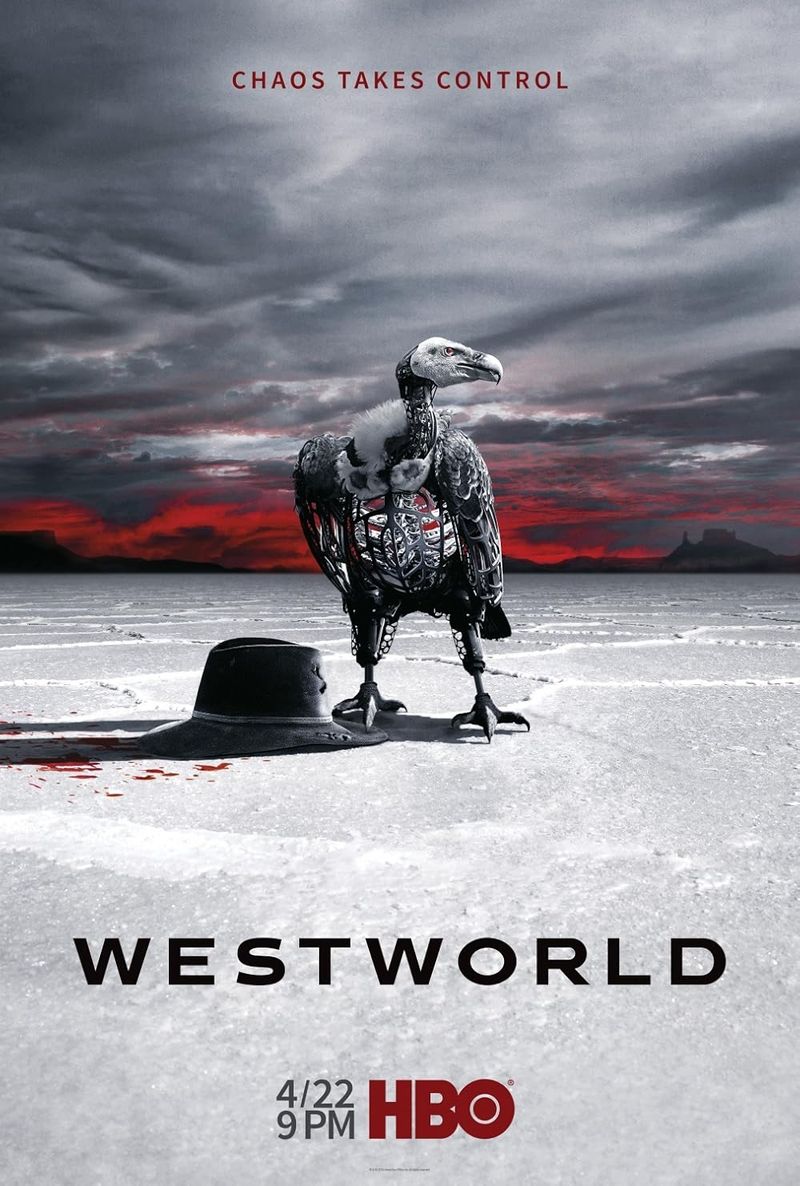
Set in a Wild West–style amusement park where robots awaken to consciousness, the show delivered a wildly ambitious first season.
Between the twists, thought-provoking ideas, and top-tier production, audiences couldn’t stop analyzing timelines and identities.
Then the show became too clever for its own good.
Later seasons prioritized confusing timelines and convoluted mysteries over character development and emotional stakes.
Viewers needed flowcharts to follow what was happening, and many simply gave up trying.
The show that initially felt profound began feeling pretentious, sacrificing accessibility and heart for complexity that didn’t always pay off meaningfully.
13. House of Cards
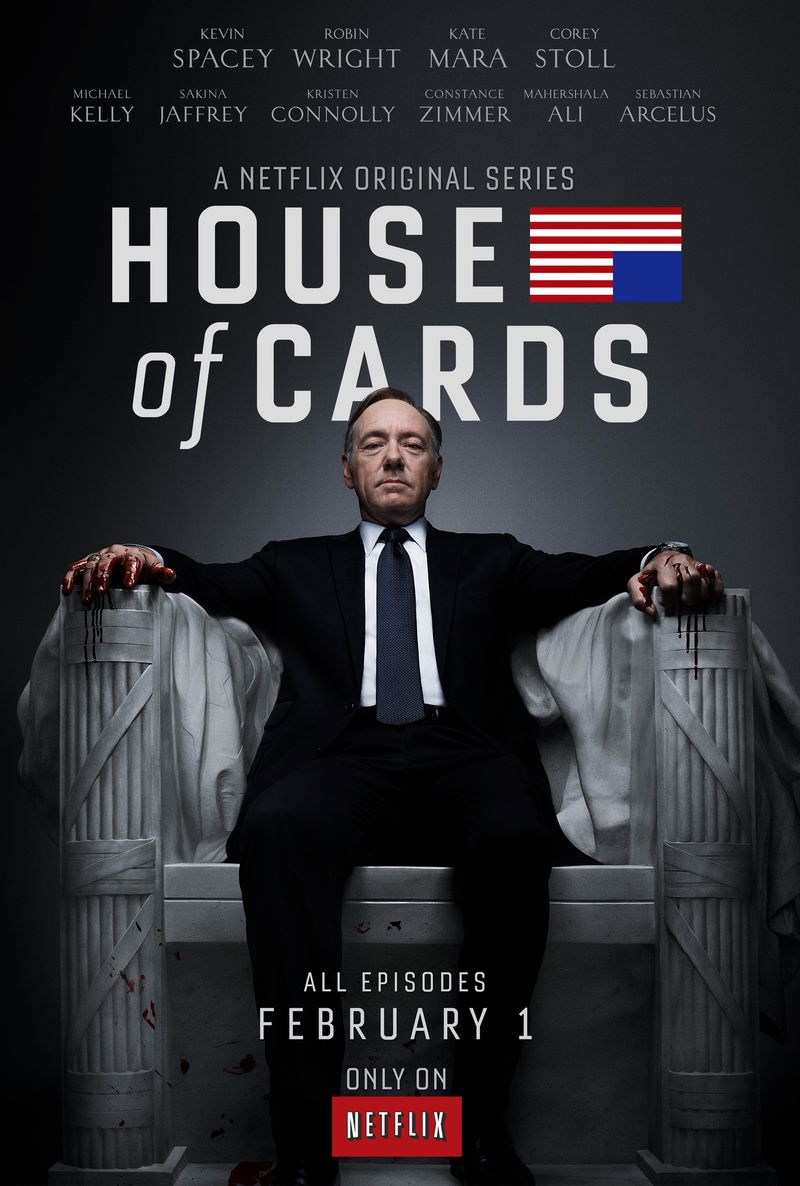
Political ruthlessness and Kevin Spacey breaking the fourth wall made this Netflix’s first major prestige drama.
The scheming, backstabbing, and Machiavellian plots kept viewers binging episodes and made Frank Underwood an iconic television antihero.
Even before off-screen controversies forced major cast changes, the show had begun losing steam.
Plots became increasingly implausible, and the shock value wore thin.
The final season, filmed without its lead actor, felt like a completely different show and satisfied almost no one.
What began as a sharp political thriller ended as a cautionary tale about building a series too heavily around one performer.
Comments
Loading…