
 Harper Hall
14 Psychological Anime That Outshine Death Note

Death Note set a high bar for psychological anime with its intense mind games and moral dilemmas. However, the world of anime offers many other series that push boundaries even further with complex characters, twisted plots, and thought-provoking themes.
Whether you crave dystopian futures, survival games, or philosophical questions about humanity, these anime deliver unforgettable experiences that will keep you thinking long after the credits roll.
1. Psycho-Pass

Society has achieved perfect peace through the Sibyl System, a technology that measures criminal potential in every citizen’s mind.
Inspector Akane Tsunemori joins the police force believing in justice, only to discover the system’s dark secrets and moral compromises.
The anime forces viewers to consider whether safety is worth sacrificing freedom and individual thought.
Each case reveals more about how far people will go to maintain order, even when that order is built on lies.
What makes this series brilliant is how it challenges our modern obsession with data and prediction. Characters struggle with choices that have no right answers, creating tension that goes beyond simple action scenes.
2. Code Geass: Lelouch of the Rebellion
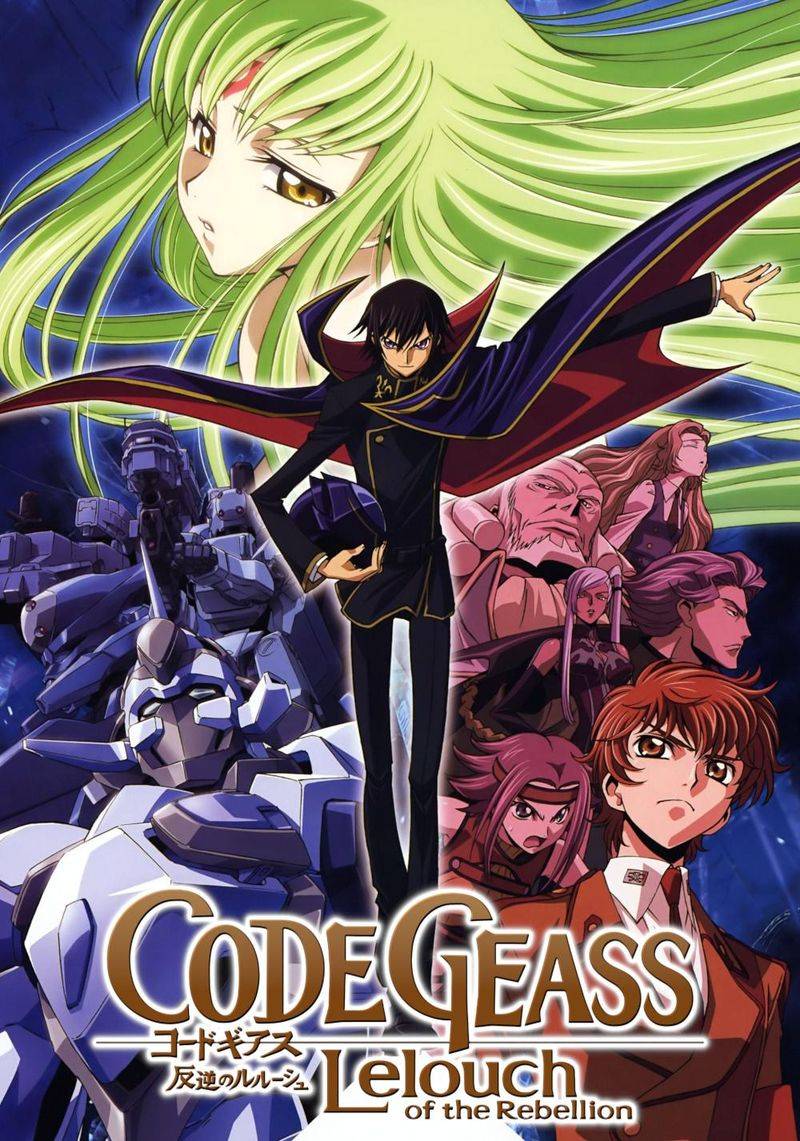
With the ability of absolute obedience granted by his Geass, Lelouch leads a revolt against Japan’s ruling empire.
While his strategic mind rivals Light Yagami’s, his emotional attachments add layers of complexity to his character.
Every victory comes with sacrifices that force Lelouch to question whether his revolution justifies the blood on his hands.
The series masterfully balances mecha action with intense psychological warfare and political intrigue.
Unlike typical heroes, Lelouch embraces morally gray decisions that blur the line between hero and villain. His relationship with his best friend Suzaku creates conflicts that explore loyalty, justice, and the true cost of change.
3. Steins;Gate

After accidentally creating time travel using a microwave, Okabe Rintaro discovers that changing history can lead to serious consequences.
The story shifts from lighthearted science fiction to a poignant exploration of fate, decision-making, and loss.
The psychological toll of being the only person who remembers alternate timelines pushes Okabe to his breaking point.
Each attempt to save his friends creates new tragedies, forcing impossible decisions about who deserves to live.
Time travel has never felt more realistic or terrifying than in this series.
The butterfly effect becomes personal as Okabe watches small changes destroy the people he loves, making every episode emotionally exhausting in the best way.
4. The Promised Neverland
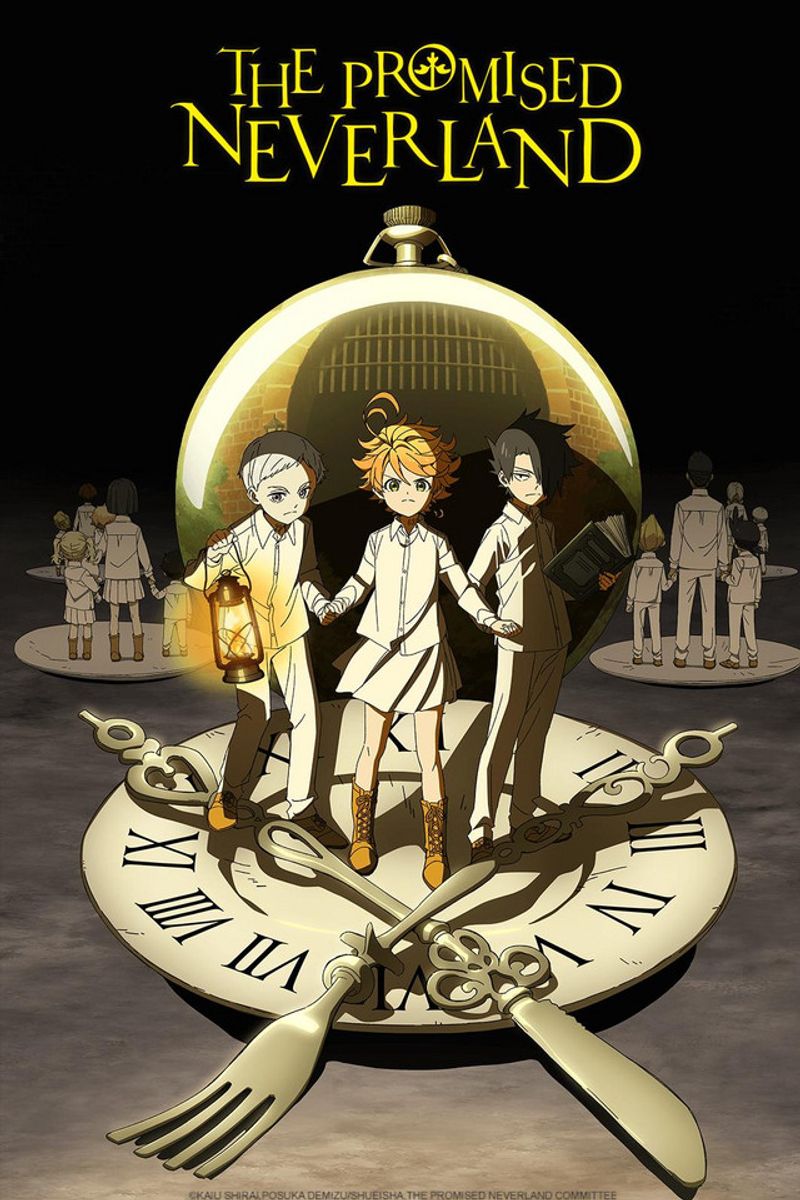
Emma and her orphanage siblings live in paradise until they discover the horrifying truth about their existence.
The children are being raised as premium food for demons, turning their peaceful home into a prison they must escape.
What follows is a battle of wits between children and their caretaker, who genuinely loves them despite preparing them for slaughter.
The psychological games rival Death Note’s intensity, but with the added horror of child protagonists facing impossible odds.
The series explores how knowledge changes innocence and whether hope can survive in the darkest circumstances.
Every escape plan reveals new layers of conspiracy, keeping viewers constantly guessing about who to trust.
5. Kaiji: Ultimate Survivor
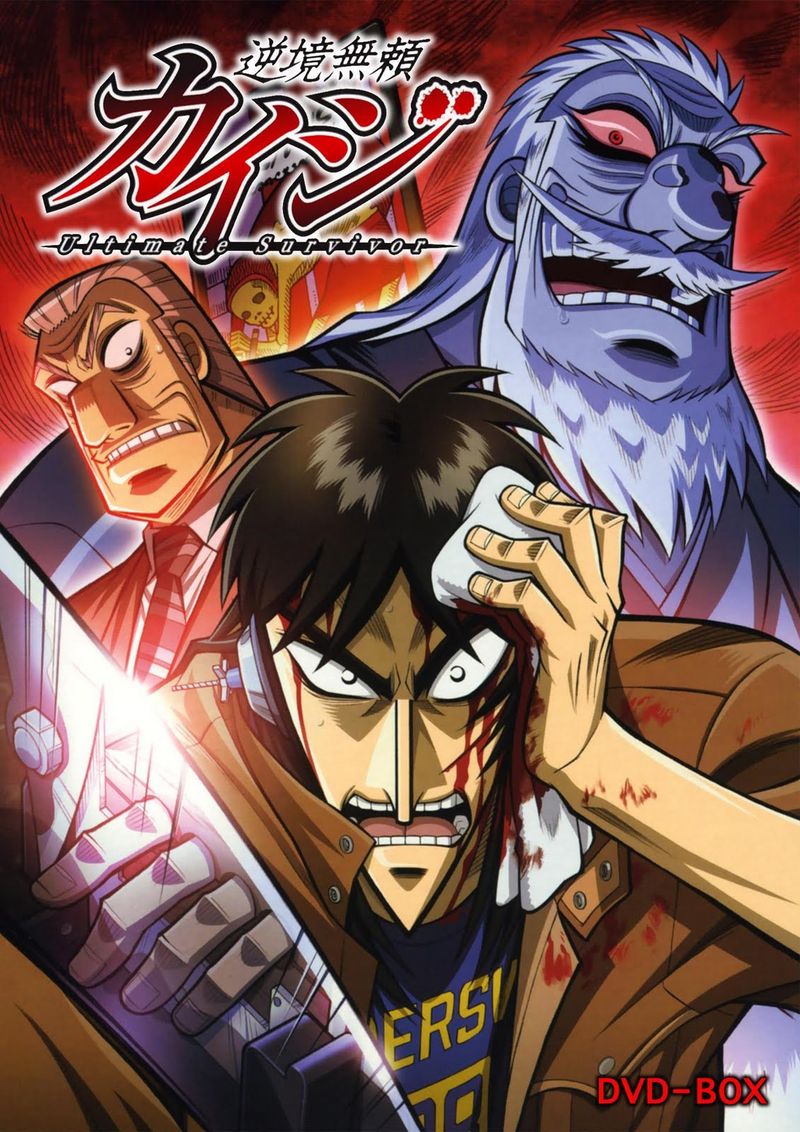
Kaiji falls into crushing debt and gets forced into underground gambling games where losing means death or worse.
The psychological pressure of betting everything on card games and twisted competitions creates unbearable tension that makes viewers sweat alongside him.
Unlike most gambling anime, Kaiji shows the ugly reality of addiction and desperation.
Characters don’t look cool or collected; they break down, cry, and betray each other in ways that feel painfully human and realistic.
Each game is designed to crush hope and test the limits of human endurance.
The series asks whether people can maintain their humanity when survival depends on exploiting others’ weaknesses and making morally bankrupt choices.
6. Monster
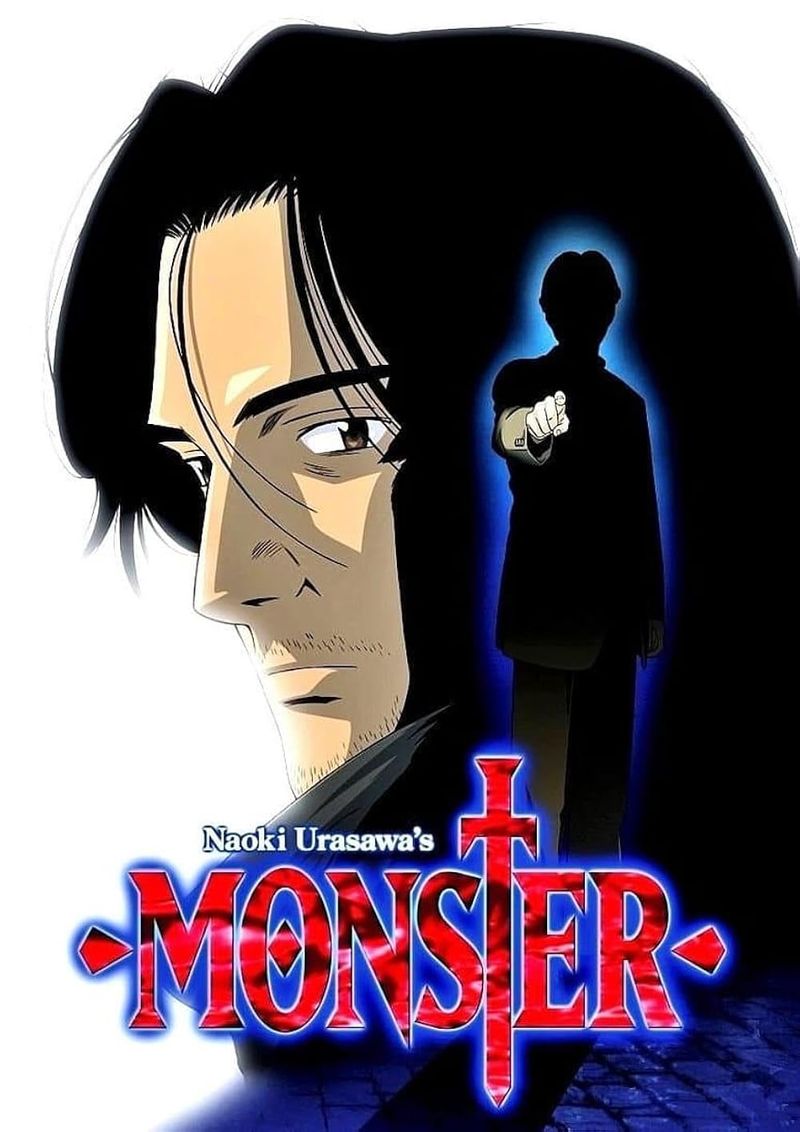
Dr. Kenzo Tenma saves a young boy’s life instead of a politician, a decision that haunts him for years.
The boy grows into a charismatic serial killer named Johan, forcing Tenma to chase him across Europe while questioning his own morality.
This slow-burn thriller explores what it means to be human and whether some people are born evil.
The psychological depth reaches levels rarely seen in anime, with every character carrying their own demons and motivations.
Johan stands as one of anime’s most terrifying villains, not because of supernatural powers, but because of his ability to manipulate anyone.
The series asks uncomfortable questions about responsibility, redemption, and the value of human life that stick with viewers forever.
7. Death Parade
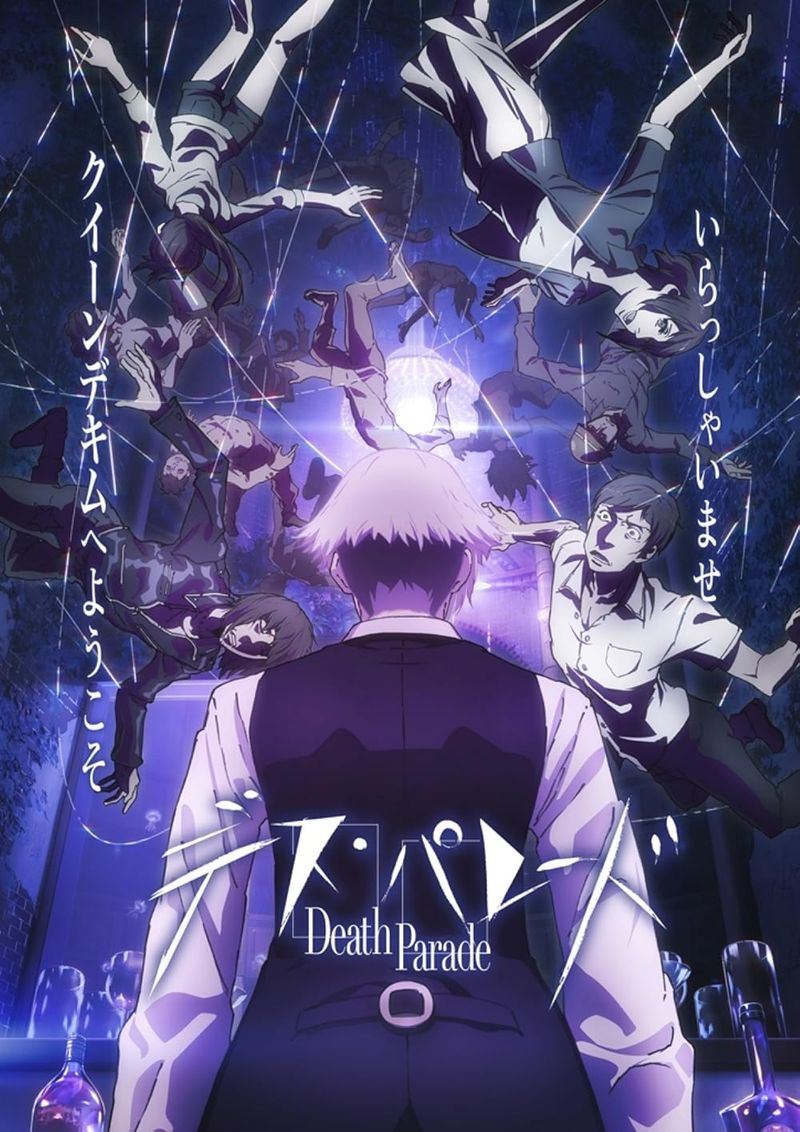
When people die simultaneously, they arrive at a mysterious bar where they must play games that reveal their true nature.
Decim serves as arbiter, judging whether souls deserve reincarnation or void based on how they act under pressure.
The genius lies in how each game strips away social masks to expose raw human emotion.
Watching people confront their worst qualities while fighting for their afterlife creates uncomfortable moments that challenge viewers’ own moral judgments.
The series asks whether anyone has the right to judge another person’s entire life based on moments of crisis.
Decim himself begins questioning the system, adding layers of philosophy about empathy, justice, and what truly defines a good person.
8. Future Diary (Mirai Nikki)
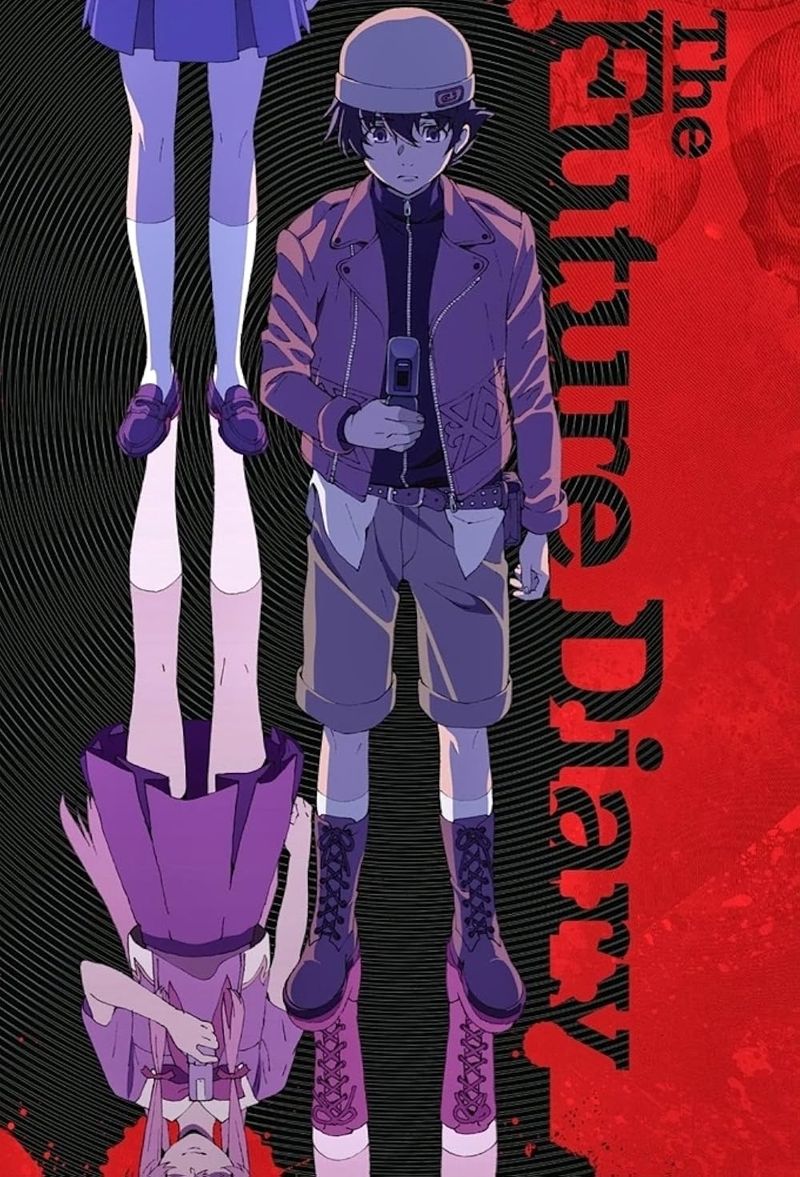
Twelve people receive diaries that predict the future and must kill each other in a battle royale to become the next god.
Yuki finds himself protected by Yuno, a girl whose devotion crosses into terrifying obsession and violence.
The psychological horror comes from never knowing if Yuno will save or murder Yuki based on her twisted definition of love.
Her unpredictability creates constant tension, while other diary holders bring their own brands of madness to the death game.
Beyond the survival thriller, the series explores trauma, mental illness, and how desperation transforms ordinary people into monsters.
The relationship between Yuki and Yuno becomes a study in codependency that makes viewers question the nature of love itself.
9. Paranoia Agent
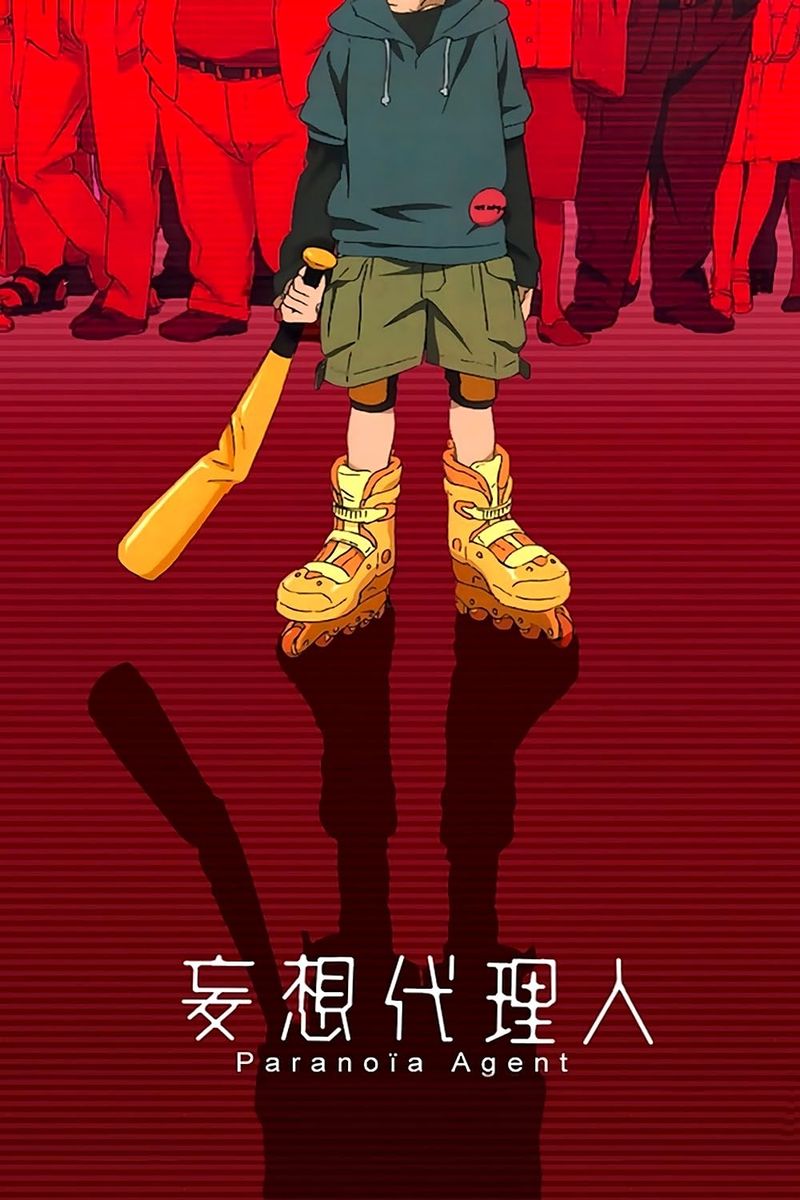
A mysterious attacker called Lil Slugger targets people at their breaking point, hitting them with a golden baseball bat.
What seems like a crime thriller becomes a surreal exploration of how society creates shared delusions to escape responsibility and stress.
Director Satoshi Kon crafts a nightmare where reality and fantasy blur until viewers can’t distinguish truth from mass hysteria.
Each victim’s story reveals different ways modern life crushes the human spirit through expectations, gossip, and isolation.
The series serves as social commentary on Japanese culture but resonates universally with anyone feeling overwhelmed by daily pressures.
Lil Slugger represents the collective desire to be victimized rather than face personal failures, making this anime disturbingly relevant.
10. Ghost in the Shell: Stand Alone Complex

Major Motoko Kusanagi leads an elite team investigating cybercrime in a future where humans enhance themselves with technology.
The philosophical questions about consciousness and identity run deeper than any action sequence, challenging what it means to be human when your brain is computerized.
Each case explores different aspects of transhumanism, from hackers who hijack people’s memories to AI developing genuine emotions.
The series never provides easy answers, instead presenting multiple perspectives on technology’s role in human evolution.
What separates this from typical sci-fi is its focus on how technology changes society’s structure and individual psychology.
Characters struggle with existential questions that feel increasingly relevant as real-world technology advances toward the anime’s predictions.
11. Zankyou no Terror (Terror in Resonance)
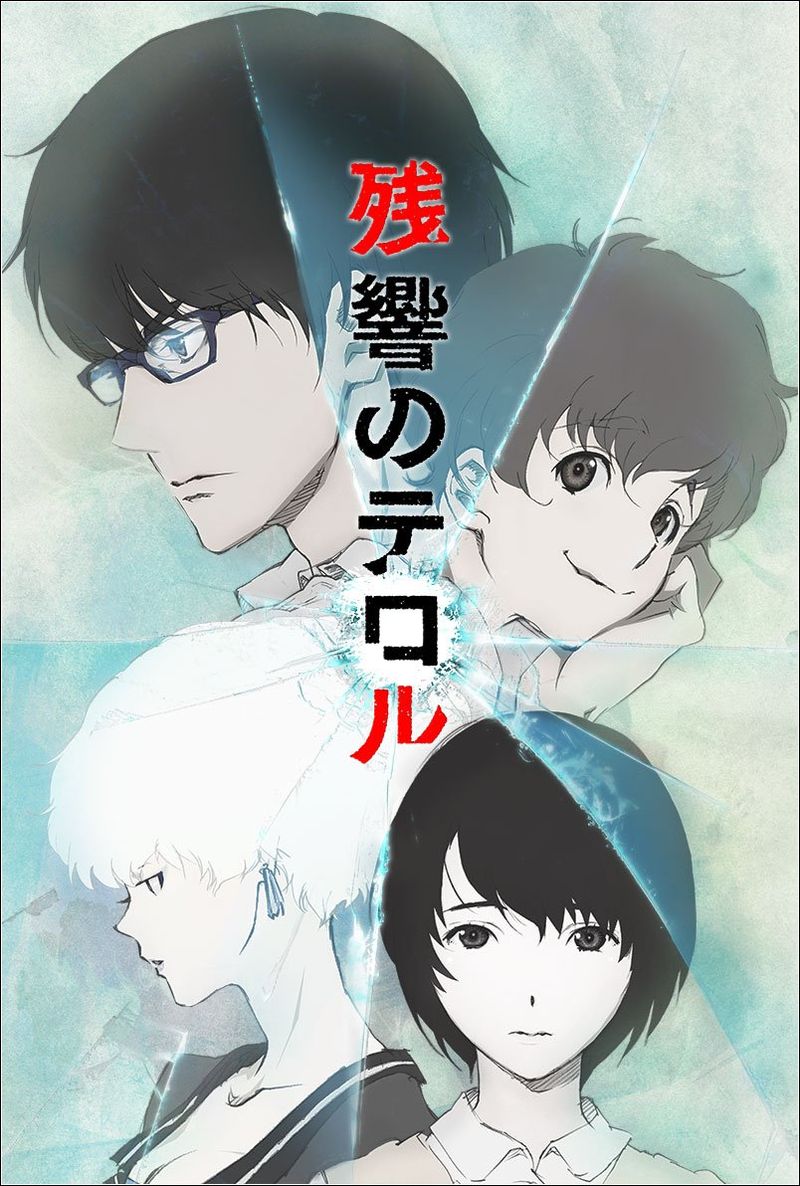
Known as Sphinx, two mysterious teenagers commit acts of terror in Tokyo, always leaving cryptic clues for investigators.
Their attacks are designed to expose government human experiments that shattered their childhood and affected numerous others.
The anime treats terrorism not as simple villainy but as desperate action by victims with no other voice.
Watching Nine and Twelve struggle between their mission and their humanity creates moral complexity that challenges viewers’ assumptions about justice.
A detective and a lonely girl get caught in their plans, adding personal stakes to the ideological battle.
The series asks whether violence can ever be justified when fighting systemic corruption and whether society remembers victims or only their methods.
12. Tomodachi Game

Yuichi and his friends get trapped in sadistic games designed to destroy their friendship through debt and forced betrayals.
The premise tests whether bonds can survive when money and survival are at stake, revealing how quickly people abandon values under pressure.
What makes this series brutal is how it systematically breaks down trust between people who genuinely care about each other.
Each game introduces new ways to exploit human weakness, from greed to pride to the simple fear of being abandoned.
Yuichi’s true nature slowly reveals itself as more cunning and ruthless than anyone expected.
The psychological manipulation reaches levels that make Death Note’s mind games look straightforward, with twists that completely reframe earlier episodes.
13. Kakegurui
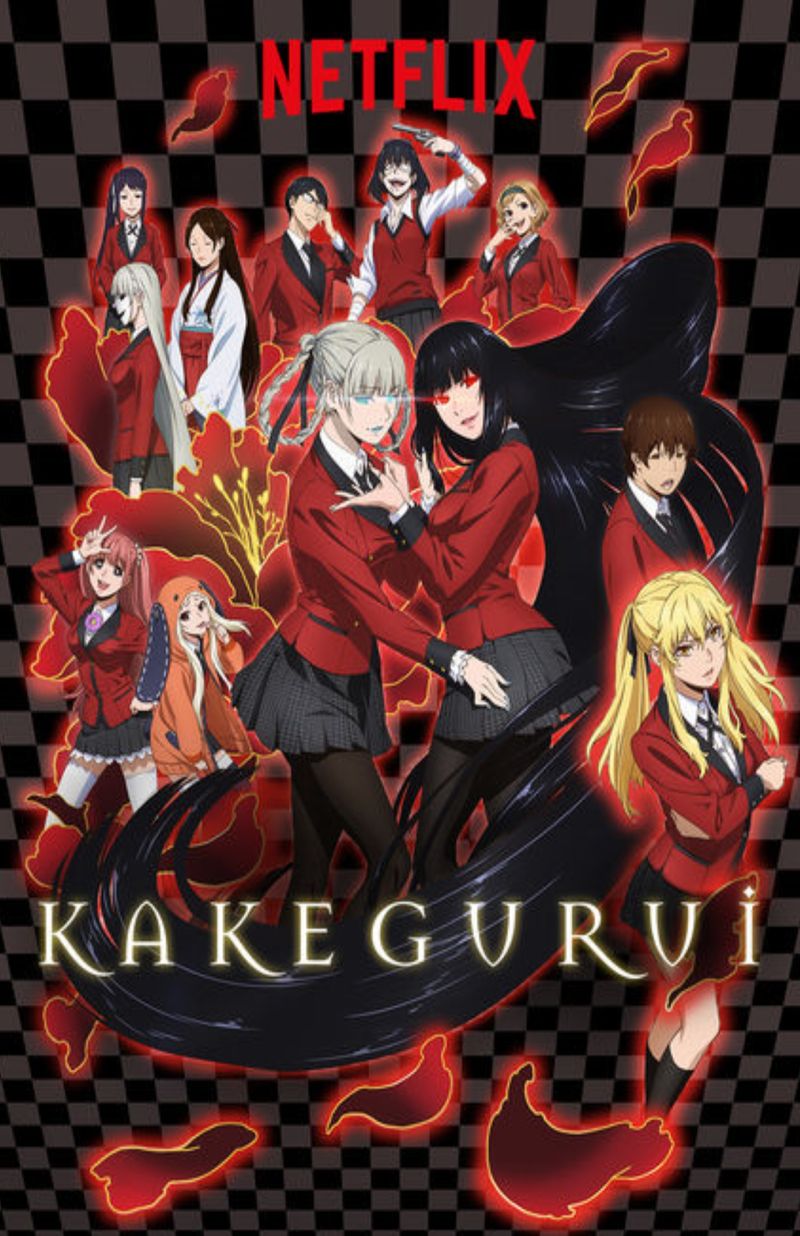
At Hyakkaou Private Academy, a student’s social standing is determined by their skill in gambling and ability to outsmart others.
Yumeko joins the school not for money or status, but for the excitement of high-stakes risks.
The psychological warfare happens through poker faces, bluffs, and reading opponents’ tells during increasingly elaborate games.
Unlike typical gambling shows, Kakegurui embraces the insanity of its premise with characters who find ecstasy in the moment between victory and total destruction.
The series explores how hierarchies based on merit can be just as cruel as any other system.
Students face life-destroying debt and social annihilation, creating stakes that feel visceral despite the absurd setting of a high school gambling ring.
14. Classroom of the Elite

Tokyo Metropolitan Advanced Nurturing High School claims to guarantee success but actually pits students against each other in ruthless competition.
Kiyotaka Ayanokoji hides his genius behind a facade of mediocrity while manipulating events from the shadows to achieve mysterious goals.
The school’s class system creates a social experiment where students must cooperate and betray each other simultaneously. E
very test and challenge reveals new layers of strategy as classes scheme against each other for points that determine their entire future.
What sets this apart is Kiyotaka’s cold, calculating nature that makes Light Yagami look emotional by comparison.
His willingness to sacrifice anyone, including allies, to win creates a protagonist who is fascinating and terrifying in equal measure throughout the series.
Comments
Loading…