
 Chloe Peterson
13 Ways Life Was Harder in the ’80s (But No One Complained)
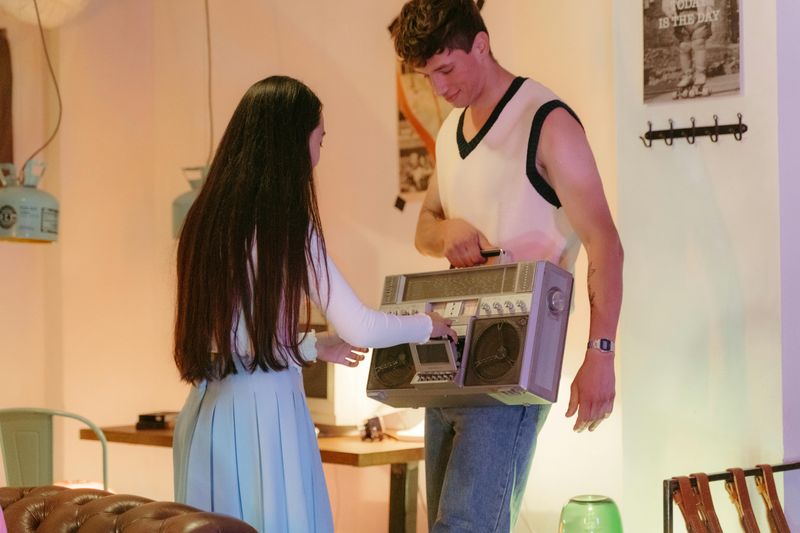
Think back to a time when patience was not optional, it was survival.
The ’80s made everyday tasks feel like mini quests, and somehow people powered through with grit and humor.
You learned to wait, to plan, and to laugh when things went sideways.
Keep reading and you might discover why a little friction made life strangely satisfying.
1. You Had to Wait Days (or Weeks) to See Your Photos
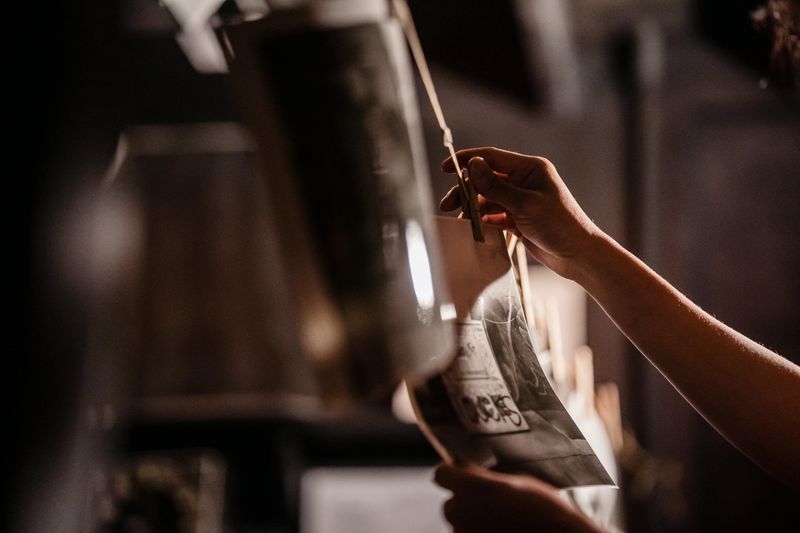
Anyone who grew up in the ’80s remembers the suspense of dropping off a roll of film and hoping for the best.
There was no checking your shot, no deleting bad angles, and certainly no instant filters to bail you out.
Once a picture was taken, that was it — final answer.
You crossed your fingers that no one blinked, looked away, or made that cousin-who-can’t-help-himself face.
Developing photos took patience, because most places needed several days to process them unless you paid extra for “one-hour photo,” which still wasn’t truly fast.
Even then, half the photos came back blurry or overexposed, and you had absolutely no idea how it happened.
Sharing pictures meant physically handing them around like rare artifacts.
But somehow, those imperfect snapshots became some of the most cherished memories ever printed.
2. Getting Lost Was Normal
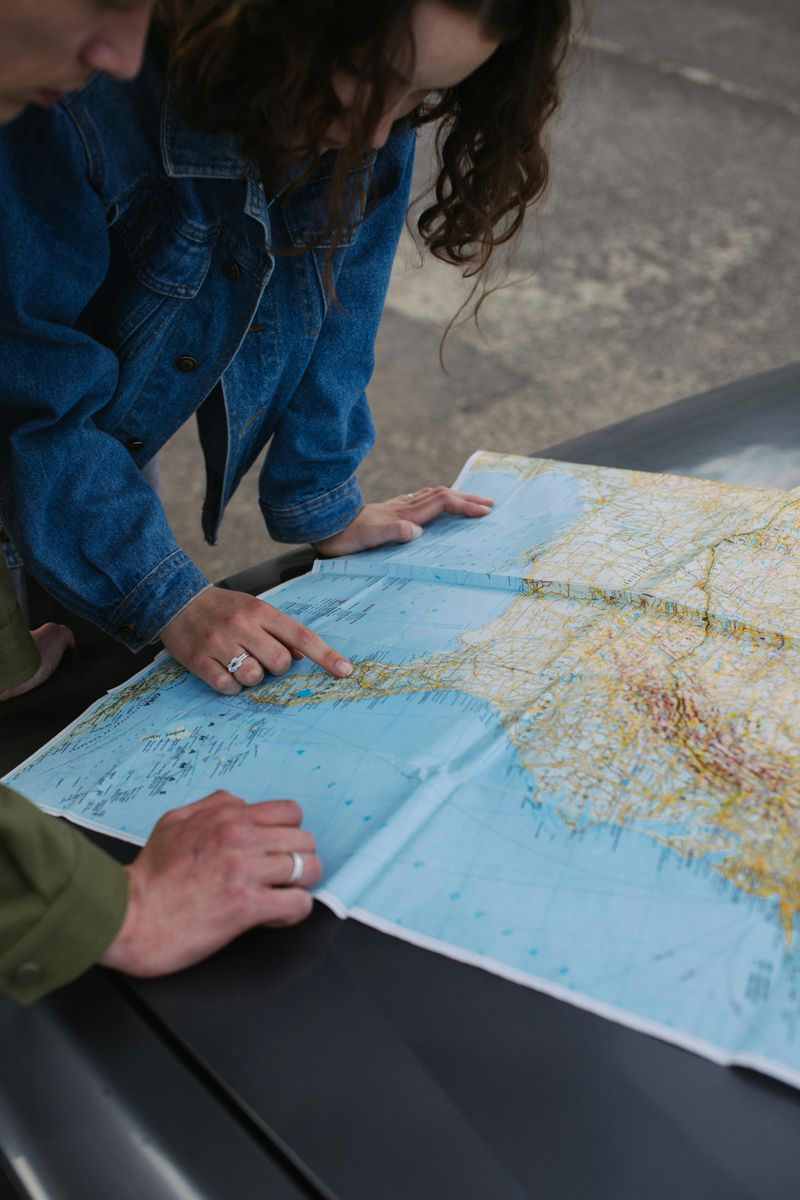
Back in the ’80s, ending up in the wrong place was practically a rite of passage.
People relied on giant paper maps that folded in ways that defied human logic.
If you missed a turn, there was no soothing voice saying “Recalculating” — just quiet panic and a guess.
Asking for directions wasn’t optional; it was survival.
Drivers had to pull into gas stations and hope the attendant knew the area better than they did.
A wrong highway exit could add an hour to your trip with no quick way to fix it.
Families regularly argued in the car while one person squinted at the map upside down.
Yet somehow, people made it to weddings, job interviews, and dentist appointments with nothing more than determination and a vague sense of north.
3. The Only Way to Reach Someone Was Calling Their House Phone

Long before texts and DMs, contacting someone required dialing a landline and praying they were actually home.
There was no instant access, no “typing…” bubbles, and no read receipts to obsess over.
If the person didn’t answer, you were simply out of luck until they called back.
Sometimes you spoke to their parents or siblings first, which added a whole extra layer of awkwardness.
Teenagers held entire relationships together using nothing but short phone calls and hope.
If someone hogged the line, everyone else in the house suffered the consequences.
Miss a call?
Too bad — there was no voicemail unless you had a fancy answering machine with a tape that always ran out of space.
Life demanded patience, and nobody expected immediate responses because they genuinely weren’t possible.
4. You Had to Sit Through Every Commercial
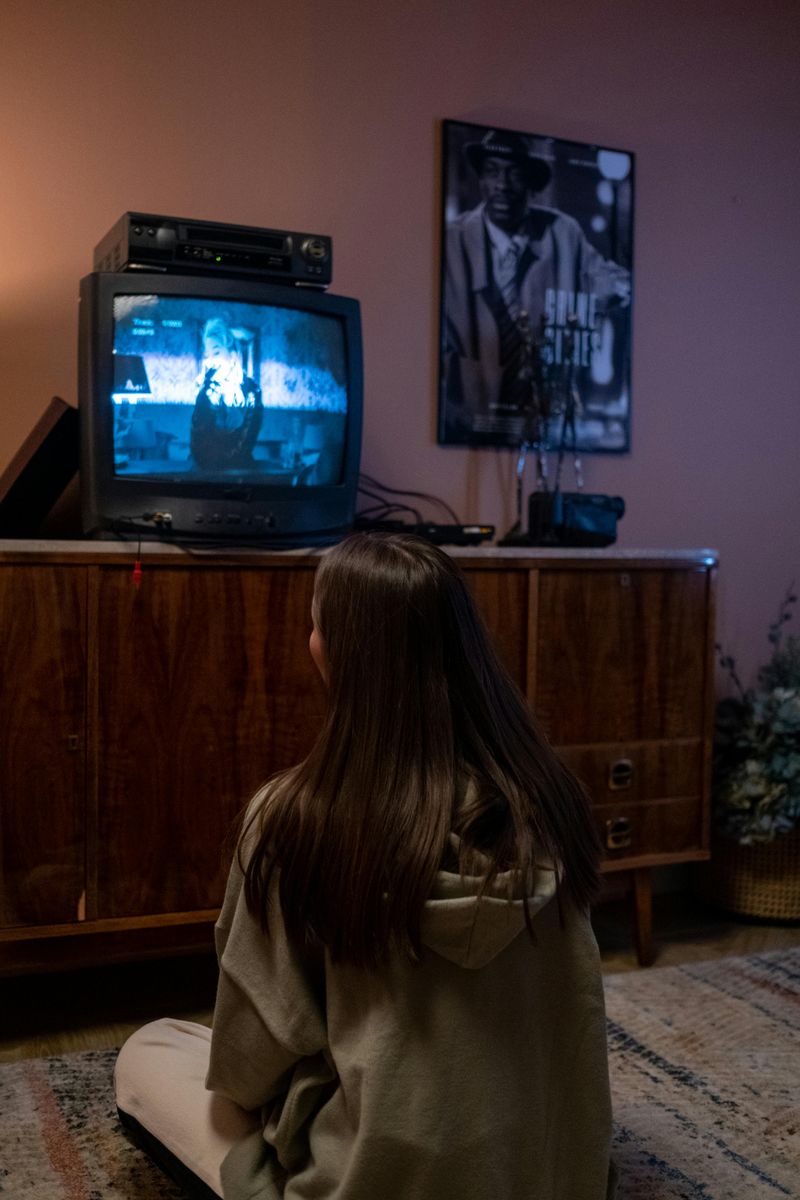
Television in the ’80s didn’t come with skip buttons, ad-free subscriptions, or magical algorithms.
When commercials appeared, everyone sat through them because there was literally no alternative.
Viewers endured jingles that burrowed into their brains like uninvited guests.
If a show returned while you were grabbing a snack, you missed part of it forever.
Timing bathroom breaks became a skill honed through trial and error.
Kids memorized toy commercials because they saw them a hundred times a week.
If you didn’t want to watch ads, you turned off the TV — those were the only choices.
But strangely, commercials became a cultural phenomenon, and people still remember some of them word for word decades later.
5. Music Wasn’t Instantly Available
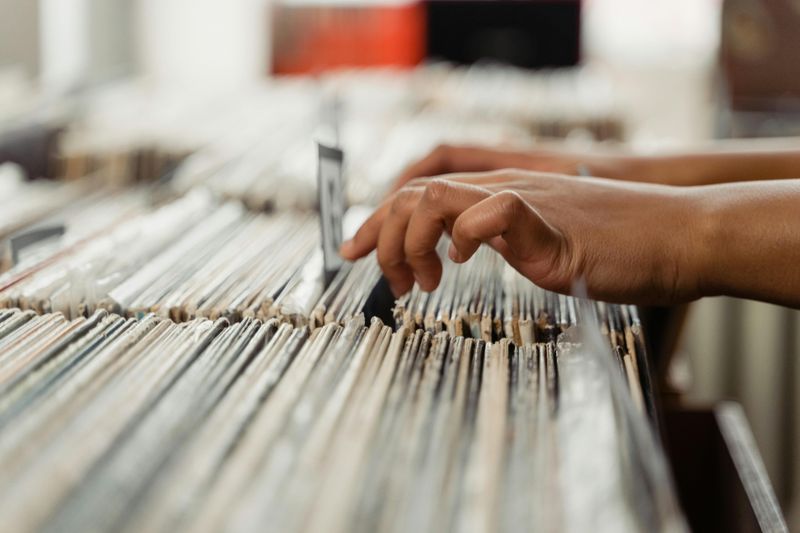
Listening to your favorite song required patience that modern streaming users will never understand.
People sat by the radio for hours waiting for the DJ to play the one track they wanted.
Recording songs onto cassette tapes meant hitting the record button at the exact right moment.
Every mixtape included at least one song with a DJ talking over the intro.
If you wanted an album, you had to physically go to a store and hope it wasn’t sold out.
Rewinding a tape too far felt like a personal failure.
Walkmans chewed up tapes, and no one knew why.
But all the effort made the music feel earned, and a well-curated mixtape felt like a love letter.
6. Saturday Morning Cartoons Were the Only Cartoons

Kids treated Saturday mornings like a sacred weekly holiday.
If you slept in, you missed your favorite show with no chance of rewatching it.
Cartoons aired only at specific times, and schedules were printed in TV guides like precious maps.
Siblings fought for control of the remote — if your household even had one.
Commercial breaks were the only time to run to the kitchen for cereal.
Missing a plot twist meant waiting until school on Monday to get the recap from friends.
There were no streaming platforms, no DVRs, and no reruns on demand.
But that rarity made cartoons feel special, turning Saturday morning into an event kids looked forward to all week.
7. Research Meant Going to the Library

Finding information in the ’80s required a level of commitment that would shock modern students.
People had to physically travel to the library just to start their homework.
Encyclopedias served as the primary source of facts, even if they were already outdated.
Microfilm machines hummed like strange robots from old sci-fi movies.
Locating a single article could take an entire afternoon.
Students learned the Dewey Decimal System whether they wanted to or not.
If someone else checked out the book you needed, you simply had to wait.
Despite the hassle, libraries felt magical — quiet places where curiosity felt like an adventure.
8. You Had to Remember Everyone’s Phone Number
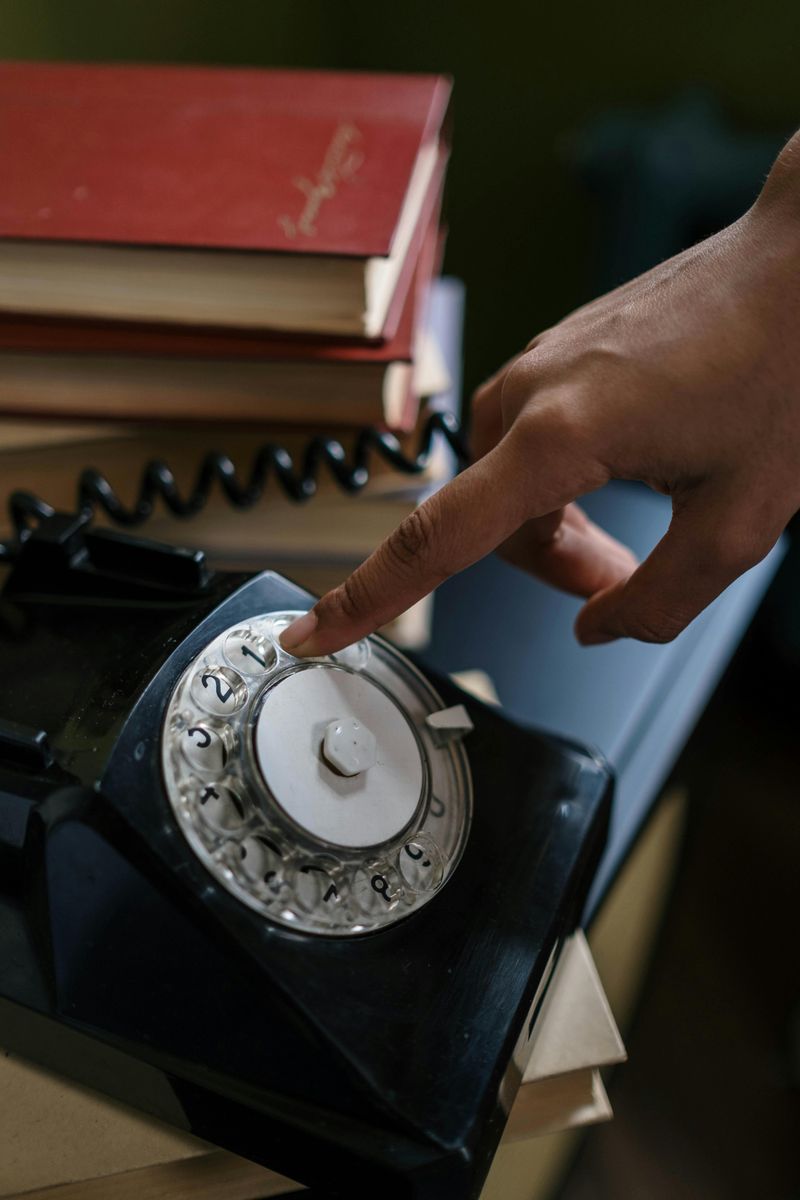
Keeping track of phone numbers in the ’80s meant relying heavily on your memory.
People stored entire contact lists in their heads, not their devices.
A forgotten number could leave you completely disconnected.
Phone books were massive and somehow never where you left them.
Families kept handwritten lists taped near the kitchen phone.
Losing that paper meant a mini crisis.
Kids memorized numbers of friends, grandparents, and emergency contacts because they had no choice.
The mental gymnastics were real, but they strengthened memory in ways modern conveniences never will.
9. Everything Took Longer

Daily life in the ’80s moved at a noticeably slower pace, whether you liked it or not.
Mailing a bill meant waiting days for it to arrive and days more for it to process.
Renting a movie required driving to a store and hoping the title you wanted was available.
Returning that movie meant another trip — or a late fee.
Getting information meant phone calls, library visits, or asking around town.
Tasks we now complete in seconds used to take hours or even days.
People accepted delays because instant gratification simply didn’t exist.
Patience wasn’t optional; it was built into everyday life.
10. Kids Played Outside Until the Streetlights Came On

Children in the ’80s lived with a level of independence that would send modern parents into a panic.
Kids roamed neighborhoods on bikes, playing games with no supervision.
There were no smartphones to track anyone’s location.
Parents trusted that their kids would eventually come home — preferably before dinner.
Entire friend groups formed spontaneously on sidewalks and playgrounds.
Summer days were spent exploring, not staring at screens.
The streetlights acted as the universal signal to wrap things up.
Life felt freer, wilder, and a little riskier — and somehow, it worked out fine.
11. If the TV Antenna Was Off, Someone Had to Get Up and Fix It

Watching TV in the ’80s often required a surprising amount of physical effort.
Signal quality depended entirely on the position of the antenna.
Someone usually had to stand next to the TV holding it in just the right spot.
Families yelled instructions from the couch like amateur directors.
A slight bump could ruin the picture and start the process over.
Foil on the antenna was considered a legitimate solution.
Kids were often drafted into antenna duty because they “made the picture better.”
Streaming may be convenient, but nothing will ever top the teamwork behind fixing ’80s static.
12. Long-Distance Calls Were Expensive

Calling relatives who lived far away required a budget and a plan.
People limited calls to a few minutes to keep costs down.
Families waited until weekends or evenings when rates were cheaper.
A long conversation could blow an entire month’s phone bill.
Kids weren’t allowed to touch the long-distance dial without permission.
Hearing someone’s voice from miles away felt special because it wasn’t common.
People said goodbye quickly to avoid extra charges.
The effort made staying in touch meaningful, even if the calls were short.
13. You Couldn’t Hide From Embarrassing Moments

Growing up in the ’80s meant every awkward phase was documented with no chance of editing.
Once a photo was taken, it lived forever in someone’s album.
Kids endured questionable haircuts, fashion disasters, and crooked smiles that couldn’t be retouched.
Home videos captured every stumble and mispronounced word.
There was no deleting, no retaking, and definitely no filters.
Friends and family shared embarrassing photos freely at birthdays and holidays.
Everyone accepted that cringe-worthy moments were just part of life.
Those unpolished memories became priceless stories that still make people laugh decades later.
Comments
Loading…