
 Jade Reed
15 TV Shows That Started Weak but Became Brilliant
Some television shows hit the ground running with stellar first episodes, while others take time to find their footing. A rocky start doesn’t mean a show is doomed—many series that stumbled early on eventually transformed into cultural phenomena that fans still celebrate today.
Sometimes all it takes is a shift in tone, stronger character development, or a few standout episodes to turn things around completely.
1. Killing Eve
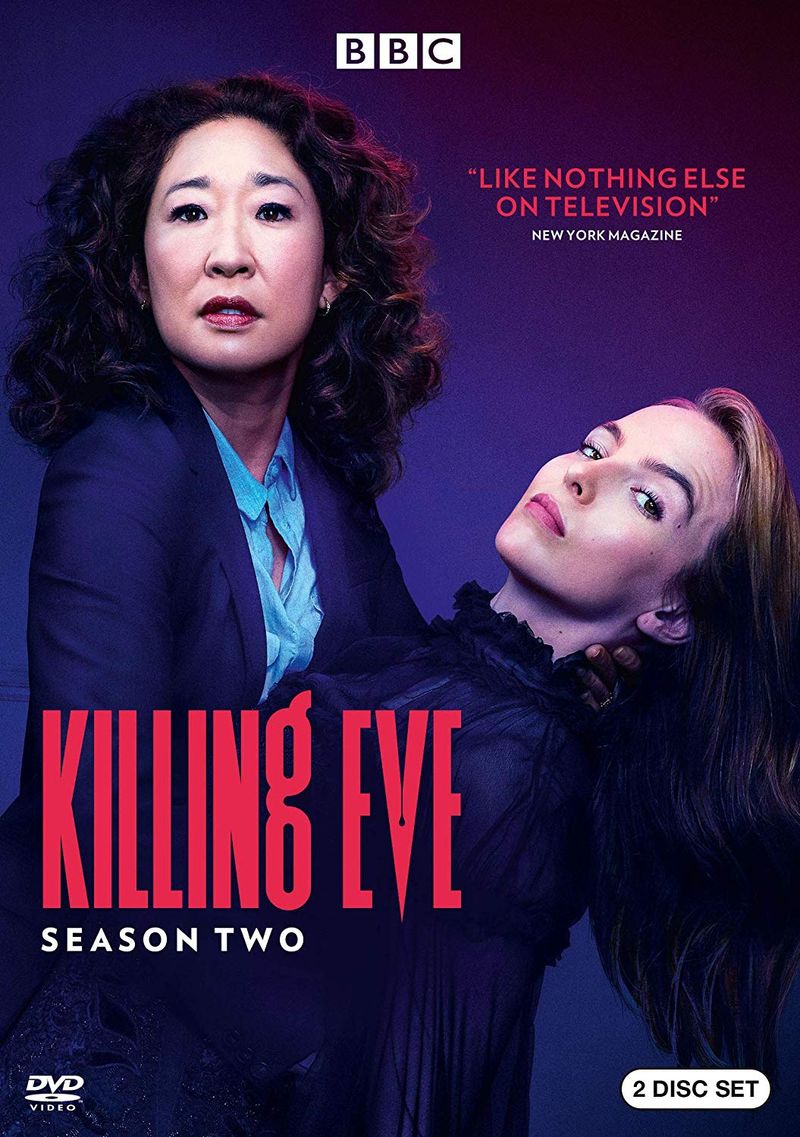
The first season opener felt disjointed and struggled to establish its unique voice among countless spy thrillers.
Viewers weren’t immediately sold on the cat-and-mouse dynamic between Eve and Villanelle.
The show seemed like just another procedural with quirky characters thrown in for flavor.
Everything changed once the writers leaned into the twisted obsession between the two leads.
The tension became electric, the humor darker, and the performances by Sandra Oh and Jodie Comer elevated every scene.
By mid-season, audiences were hooked on the unpredictable storylines and complex relationship at the show’s core.
What started as forgettable became appointment television that dominated conversations.
2. Breaking Bad

Walter White’s transformation didn’t grab everyone right away, with early episodes feeling slow and overly methodical.
The pacing seemed off, and some viewers found the premise too dark without enough payoff.
Critics weren’t sure if audiences would stick with a show about a dying chemistry teacher cooking meth.
Once the series found its rhythm, it became a masterclass in storytelling and character development.
Bryan Cranston’s performance grew more intense with each episode, pulling viewers deeper into Walter’s moral descent.
The show’s final seasons are considered some of the best television ever made.
What began as a risky experiment became a cultural landmark that redefined prestige drama.
3. New Girl

Early on, Jess’s quirky persona came across as overplayed, giving the show a shallow, single-tone feel.
The rest of the characters lacked depth and functioned primarily as accessories to Zooey Deschanel’s manic-pixie charm.
As a result, many viewers wrote it off as a show straining for a cute, offbeat identity.
The writers smartly shifted focus to the entire ensemble, giving Nick, Schmidt, Winston, and Cece their own compelling storylines.
The roommate dynamics became the real heart of the show, with genuine chemistry and hilarious interactions.
Seasons two through four delivered consistently funny episodes with surprising emotional depth.
The show evolved from a vehicle for one actress into a beloved ensemble comedy.
4. The Mentalist
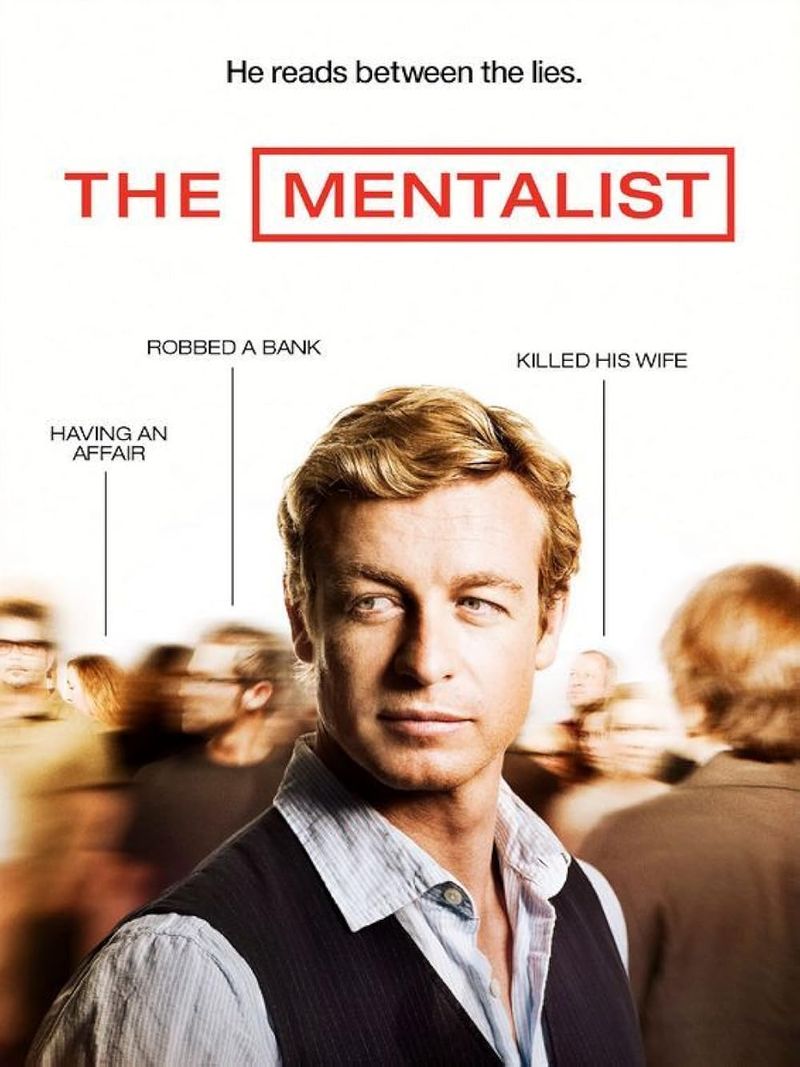
Patrick Jane seemed like just another smug detective with a gimmick in the show’s early run.
The procedural format felt repetitive, with Jane solving cases using the same tricks episode after episode. The Red John storyline lurked in the background but didn’t create enough urgency to distinguish the show from similar crime dramas.
As the Red John mystery deepened, the show gained real stakes and emotional weight.
Simon Baker’s performance became more nuanced, revealing layers of grief and obsession beneath Jane’s charming facade.
The supporting cast developed into a genuine team with believable relationships and chemistry.
What started as forgettable procedural fare transformed into a gripping psychological thriller with heart.
5. Lucifer

From the outset, the whole “Devil joins the LAPD” idea felt like a gimmick cobbled together from familiar TV tropes.
Lucifer’s nonstop innuendos and self-absorption got old quickly, and the show wavered between supernatural drama and light procedural without committing to either.
Once the writers committed to exploring Lucifer’s emotional journey and family trauma, everything clicked into place.
The relationship between Lucifer and Chloe developed genuine depth, moving beyond simple will-they-won’t-they dynamics.
Later seasons tackled themes of redemption, self-worth, and free will with surprising thoughtfulness.
The show found its identity and delivered a satisfying six-season run that fans passionately defended.
6. Person of Interest
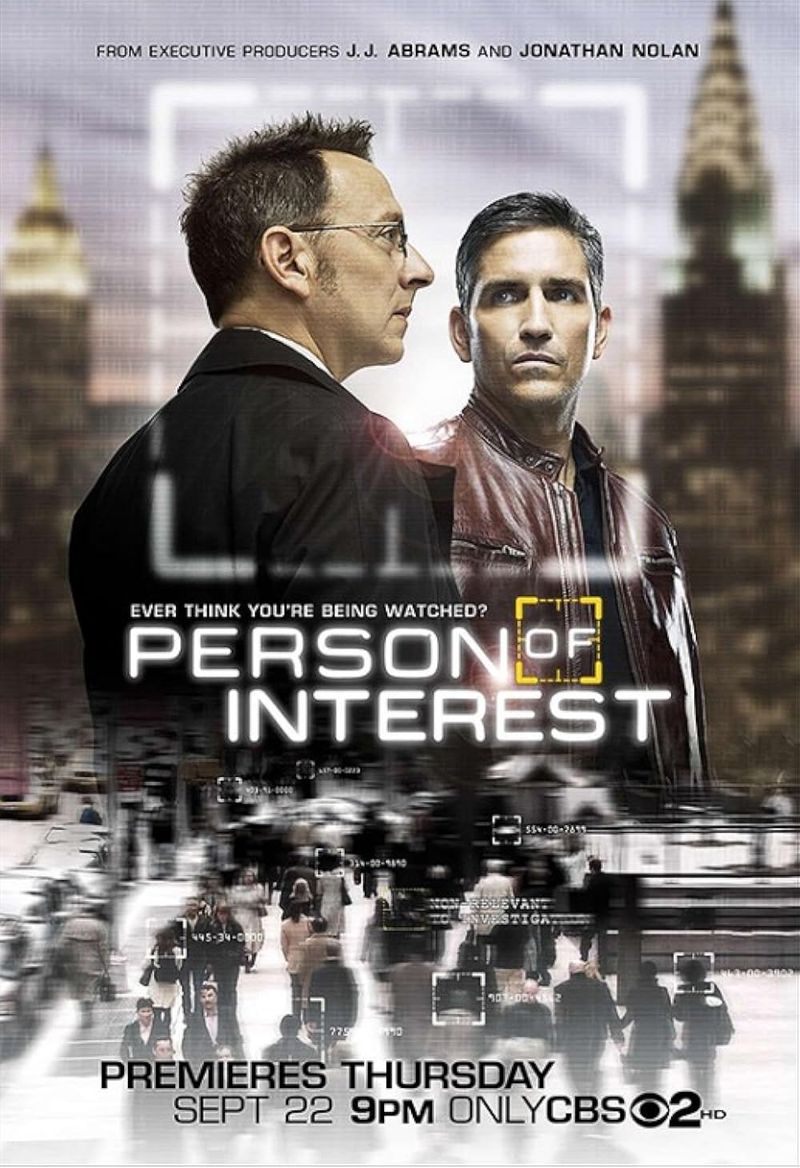
Early episodes presented a straightforward procedural about preventing crimes before they happened.
Reese and Finch saved a different person each week with little variation in formula.
The machine that predicted crimes seemed like just a plot device without deeper implications or mystery.
The show gradually revealed a complex mythology about artificial intelligence, government surveillance, and the nature of consciousness.
What started as simple crime prevention evolved into a philosophical exploration of technology and humanity.
Later seasons featured some of the most ambitious storytelling on network television, with entire episodes from the machine’s perspective.
The transformation from basic procedural to science fiction masterpiece was nothing short of remarkable.
7. Sons of Anarchy

Jax Teller’s journey started with clichéd biker drama tropes and over-the-top violence that felt gratuitous.
The first few episodes leaned heavily on shock value without establishing emotional connections to the characters.
Some viewers wrote it off as a Hamlet-on-motorcycles concept that wouldn’t sustain seven seasons.
Creator Kurt Sutter found the show’s voice by focusing on family loyalty, moral compromise, and the cost of violence.
The performances deepened, particularly Charlie Hunnam’s portrayal of Jax’s internal conflict between club loyalty and personal conscience.
The series became a Shakespearean tragedy that examined brotherhood, betrayal, and the cycle of violence. What seemed like mindless action evolved into genuinely compelling drama with unforgettable characters.
8. The Office
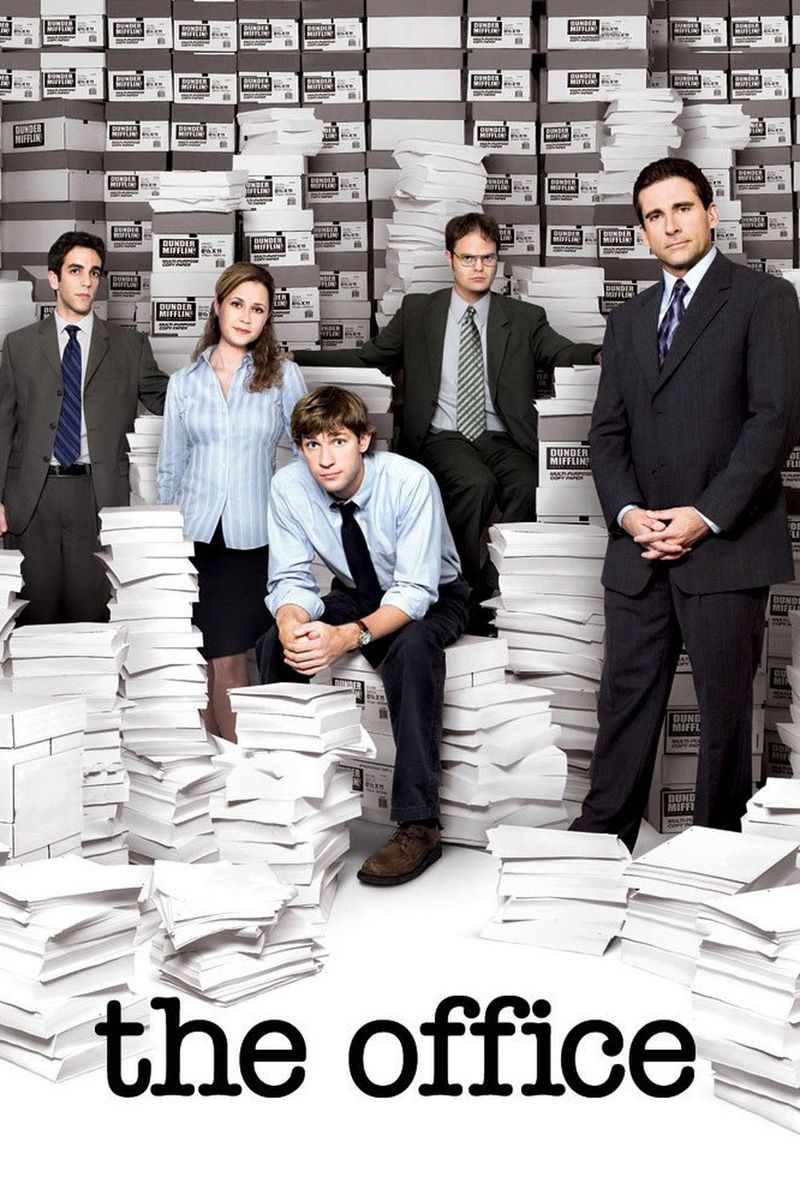
The American version struggled in its first season, feeling like a pale imitation of the brilliant British original.
Michael Scott was too mean-spirited, and the documentary format felt awkward without the sharp writing to support it.
NBC nearly canceled the show due to low ratings and lukewarm critical reception.
Season two transformed Michael into a more sympathetic character while developing the ensemble cast’s unique personalities.
The Jim and Pam romance gave viewers emotional investment, while characters like Dwight became comedy gold.
The show ran for nine seasons and became one of the most beloved comedies in television history.
Its influence on workplace comedies and mockumentary formats cannot be overstated.
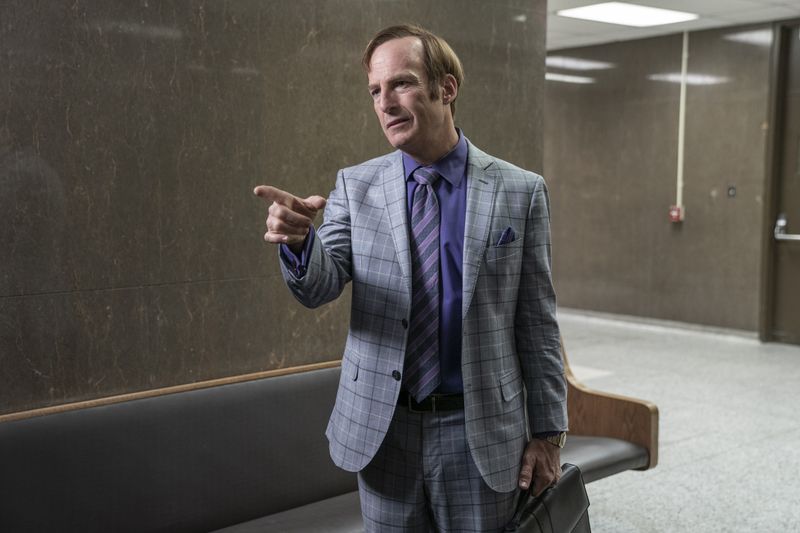
9. Better Call Saul
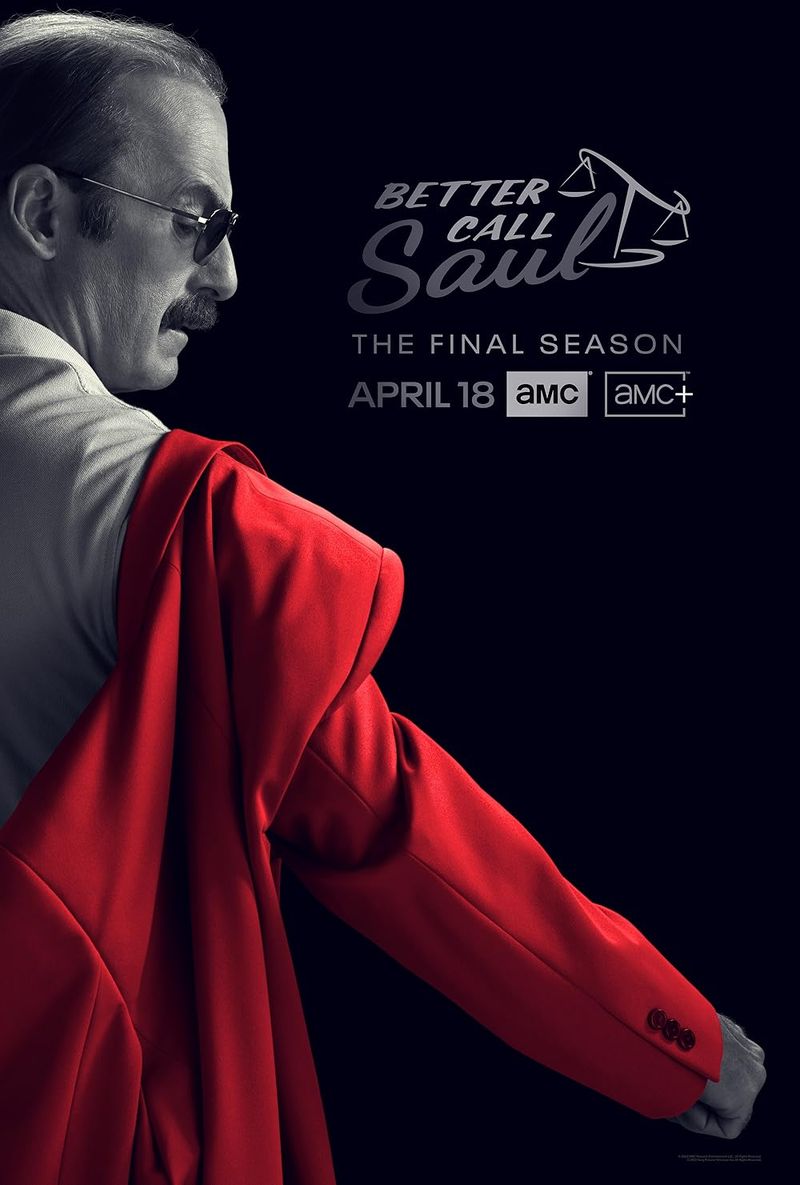
A Breaking Bad prequel focused on comic-relief lawyer Saul Goodman seemed like an unnecessary cash grab.
The slower pace and focus on legal minutiae didn’t deliver the adrenaline rush fans expected.
Early episodes felt disconnected from the Breaking Bad universe that made Saul memorable.
The show revealed itself as a meditation on identity, morality, and the choices that define us.
Bob Odenkirk delivered a career-best performance as Jimmy McGill’s tragic transformation into Saul Goodman unfolded.
By its conclusion, many critics argued Better Call Saul surpassed its predecessor in quality and emotional depth.
The series proved that prequels could stand on their own as legitimate artistic achievements.
10. Friends
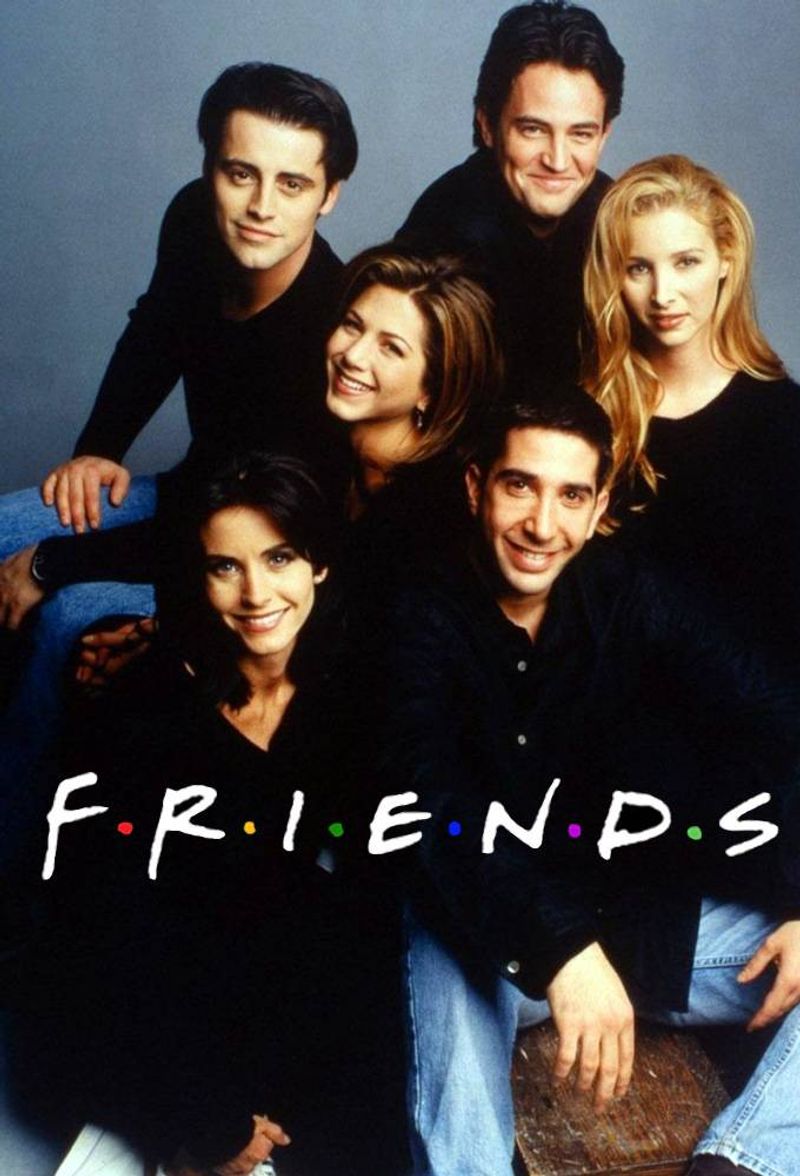
In the Friends pilot, the characters were still rough sketches, and many of the jokes didn’t quite connect with viewers.
Ross came across as whiny, Monica seemed shrill, and the group’s chemistry hadn’t gelled yet.
Test audiences gave mixed responses, and NBC wasn’t convinced they had a hit on their hands.
By the end of season one, the cast had found their rhythm and the writers understood each character’s voice.
The relationships between the six friends became the show’s greatest strength, with genuine warmth and humor.
Friends ran for ten seasons and became a cultural phenomenon that still attracts new generations of fans. The show defined an era of television and remains endlessly rewatchable.
11. Seinfeld
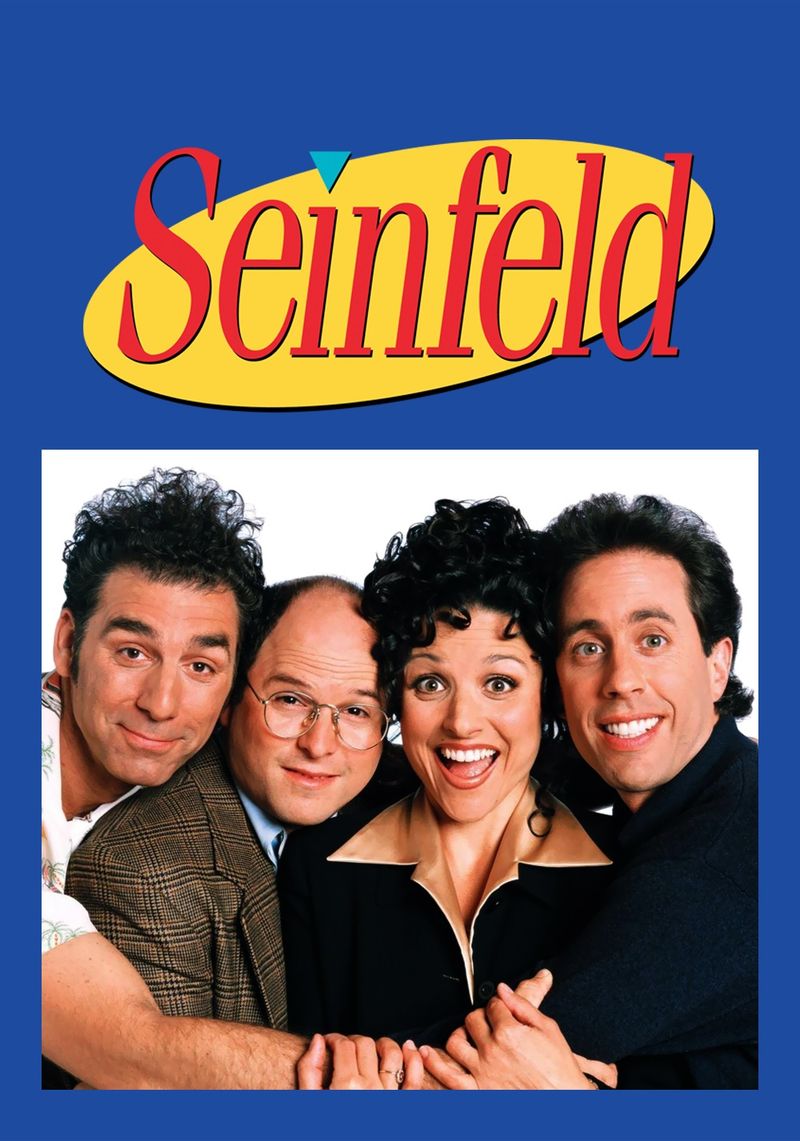
The show about nothing struggled to find an audience in its first season, nearly getting canceled multiple times.
Jerry Seinfeld’s standup-to-acting transition felt stiff, and the supporting characters hadn’t become the iconic figures they’d later be.
NBC executives didn’t understand the show’s unconventional approach to sitcom storytelling.
Larry David’s writing sharpened, and the ensemble cast developed incredible chemistry that made even mundane situations hilarious.
The show pioneered a new kind of comedy focused on observational humor and character quirks rather than traditional plots.
Seinfeld became one of the most influential sitcoms ever made, changing how comedy was written for television.
Its impact on pop culture and comedy writing continues decades after its finale.
12. Buffy the Vampire Slayer
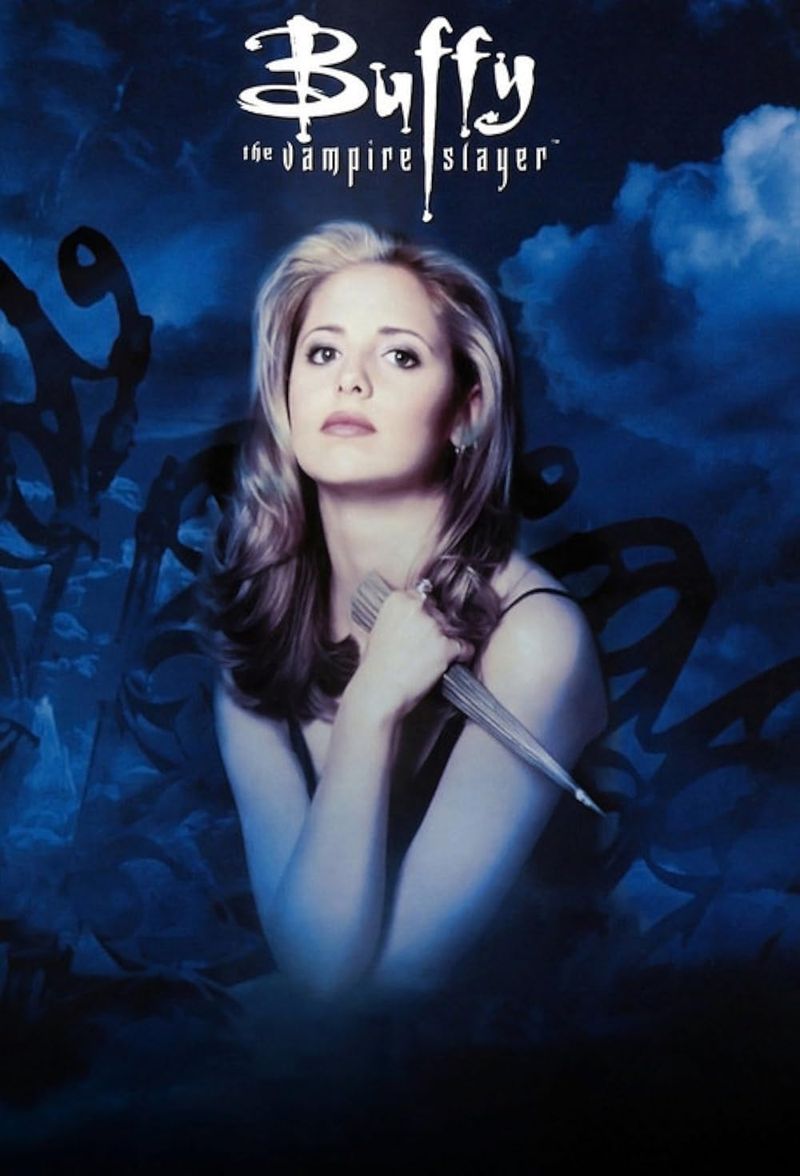
Based on a failed movie, the show’s first season suffered from low budgets and cheesy monster effects.
The teen drama elements felt clichéd, and critics dismissed it as frivolous supernatural fluff for teenagers. Many viewers couldn’t see past the campy premise to the potential beneath.
Joss Whedon’s writing evolved to tackle serious themes like grief, responsibility, and growing up through supernatural metaphors.
The characters developed real depth, and storylines became increasingly sophisticated and emotionally resonant.
Later seasons featured some of the most innovative episodes in television history, including the silent “Hush” and musical “Once More, With Feeling.”
The show became a landmark that proved genre television could be art.
13. Arrow
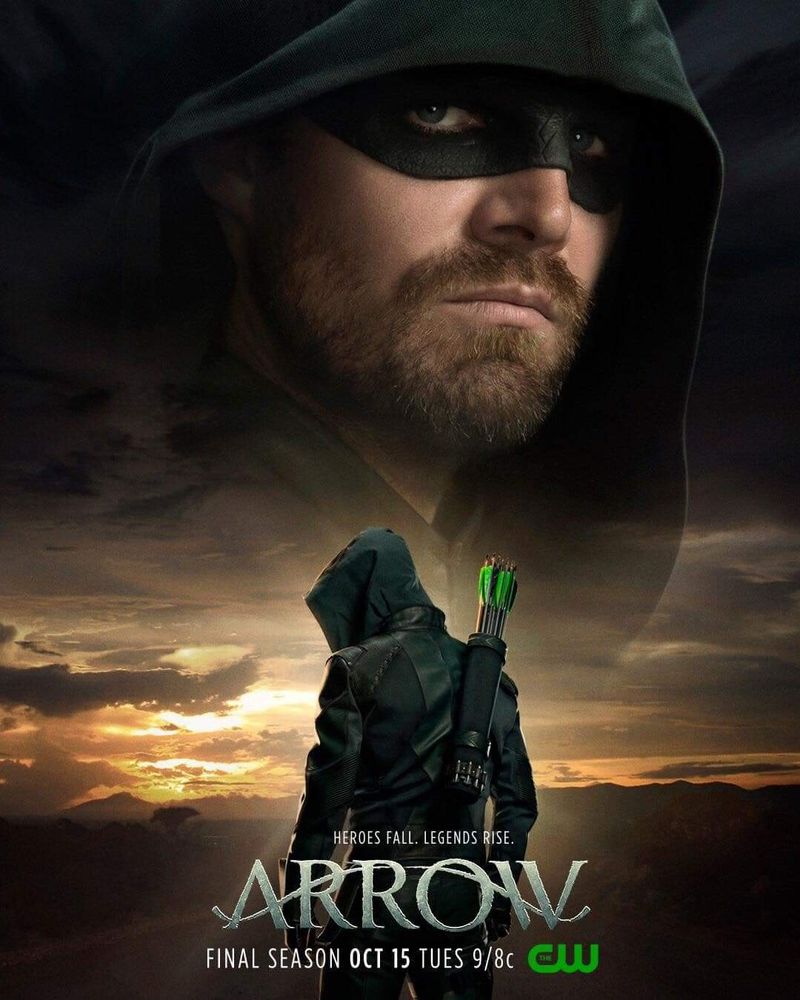
The first episodes felt like a generic vigilante show trying too hard to be gritty and dark.
Oliver Queen’s brooding personality and repetitive action sequences made the show seem one-dimensional. The flashback structure felt clunky, and the supporting characters were underdeveloped stereotypes.
As the show embraced its comic book roots, it found the perfect balance between realism and superhero spectacle.
The addition of characters like Felicity Smoak brought humor and heart to balance the darkness.
Arrow launched the entire Arrowverse, spawning multiple successful spinoffs and crossover events.
What started as a Batman wannabe became the foundation for DC’s television universe and a genuinely entertaining action drama.
14. Parks and Recreation
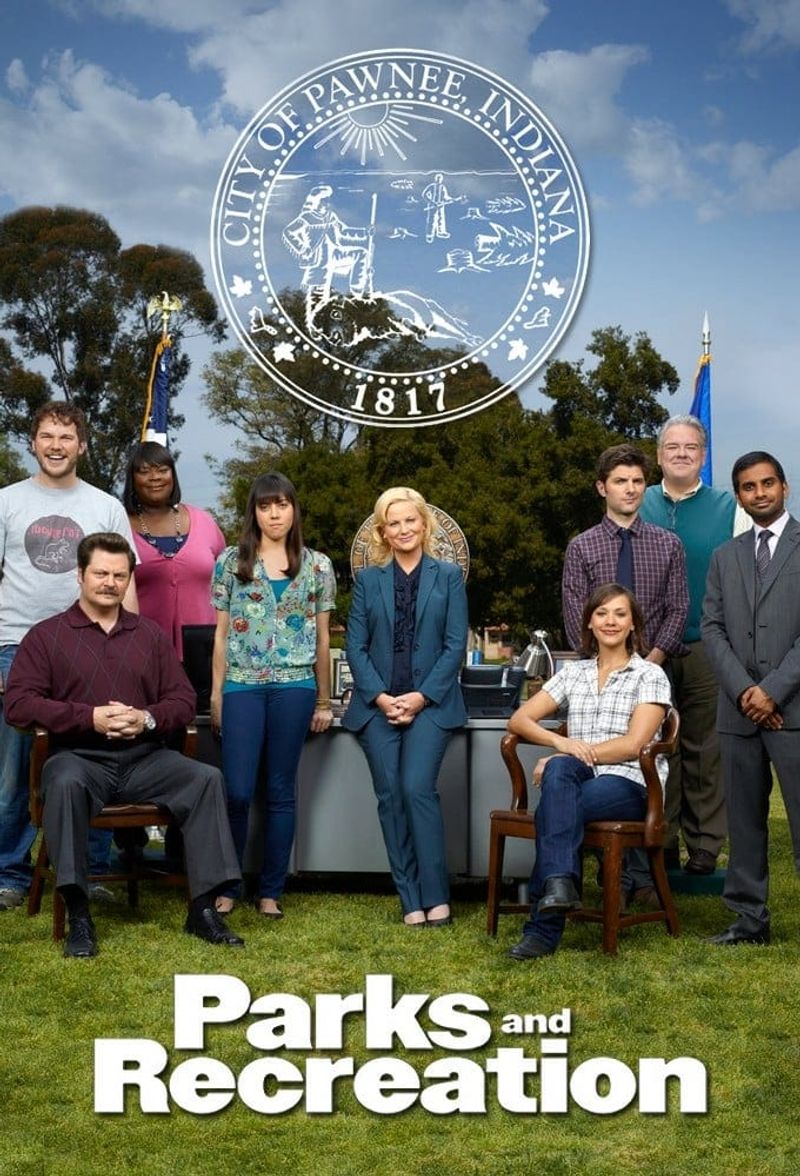
In its debut season, the series relied too much on Office-style humor and didn’t quite find its own footing.
Leslie Knope came across as incompetent rather than enthusiastic, making her difficult to root for.
The show’s mockumentary format felt borrowed, and the humor didn’t distinguish itself from other workplace comedies.
The writers retooled Leslie into an optimistic, competent public servant, transforming the entire show’s energy.
The supporting cast became one of television’s best ensembles, each character distinctly hilarious and lovable.
Parks and Recreation ran for seven seasons of consistently excellent comedy with genuine heart and optimism.
The show’s celebration of community, friendship, and public service resonated deeply with audiences seeking positivity.
15. Agents of S.H.I.E.L.D.
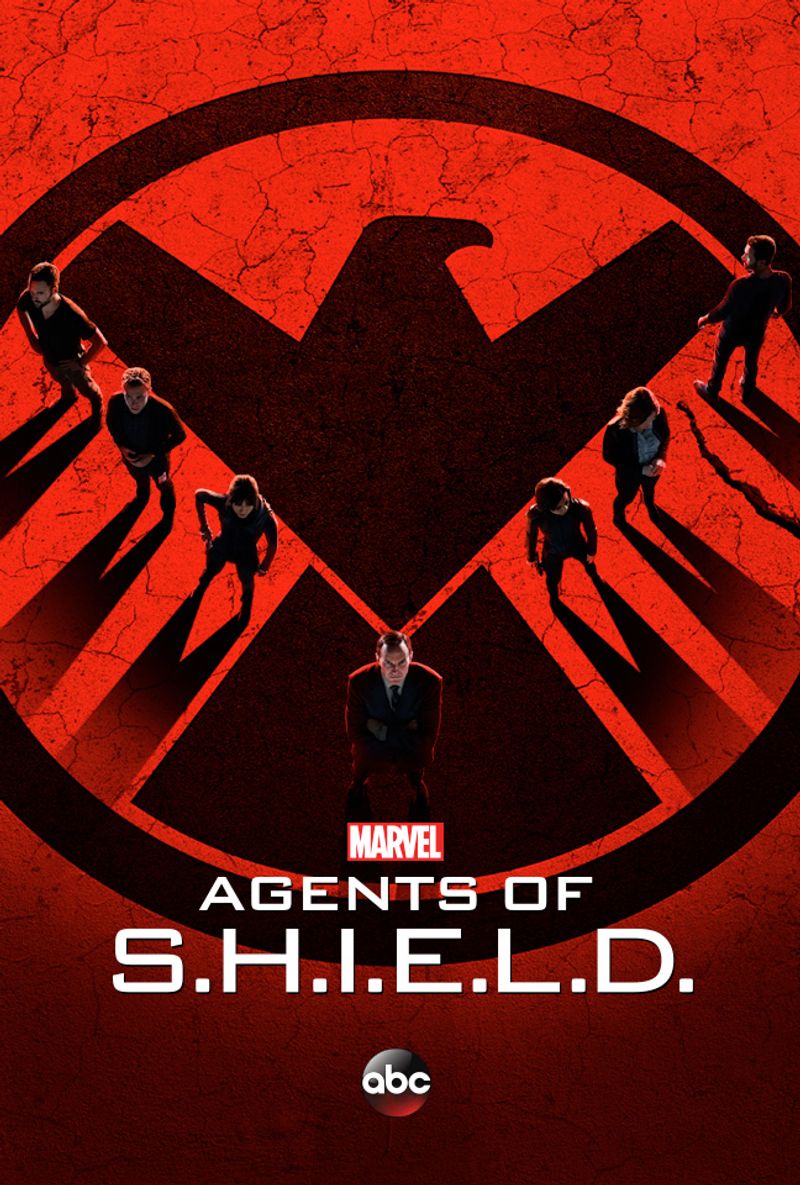
Early episodes felt like a watered-down Marvel movie with forgettable villains and generic spy plots.
The show couldn’t use major Marvel characters, leaving it feeling like second-tier content in the MCU. Viewers expected more connections to the films and were disappointed by the standalone nature of early episodes.
Everything changed with the Captain America: The Winter Soldier tie-in that revealed Hydra’s infiltration of S.H.I.E.L.D.
The show embraced serialized storytelling with complex mythology and genuine stakes for the characters.
Later seasons experimented with different formats, including a Framework virtual reality arc and time-travel adventures.
The series proved superhero television could tell ambitious, character-driven stories that rivaled the films in quality.
Comments
Loading…