
 Jade Reed
16 Rude Behaviors That Have Become Weirdly Normal

We all know what it feels like when someone does something that just seems plain rude. But here’s the strange part: many behaviors that would have raised eyebrows a decade ago are now so common that we barely notice them anymore.
From our phones to our public spaces, certain habits have crept into everyday life and somehow become acceptable, even though they still sting a little when they happen to us.
1. Not RSVPing to Invitations

Planning a party or gathering used to mean getting clear yes or no answers from your guests.
Today, radio silence has become the norm. People receive invitations and just never respond.
Hosts are left guessing how much food to buy, how many chairs to set up, and whether anyone will even show up.
The lack of response isn’t just inconvenient; it’s inconsiderate.
A simple text takes seconds but shows respect for someone’s time and effort.
Ignoring invitations might feel like no big deal to the guest.
For the host, it creates stress and uncertainty.
2. Talking Loudly on Speakerphone in Public

Grocery stores, waiting rooms, and buses have turned into personal phone booths for some people.
They hold their phones out in front of them, broadcasting entire conversations for everyone to hear.
Nobody asked to be part of your chat with your cousin about dinner plans.
Yet here we are, stuck listening.
Headphones exist.
Holding the phone to your ear exists.
Both options keep conversations private.
But speakerphone users seem oblivious to the discomfort they cause others.
Public spaces are shared, and that means keeping noise levels respectful.
Your call isn’t everyone’s business.
3. Arriving Late Without Apology

Being fashionably late has somehow become just being late, and nobody seems to care anymore.
People stroll in 15, 30, even 45 minutes after the agreed time without a hint of guilt.
There’s no apology, no acknowledgment that others have been waiting.
It’s treated as perfectly normal.
But lateness is disrespectful.
It says your time matters more than everyone else’s.
People rearrange their schedules, show up on time, and then sit around twiddling their thumbs.
Traffic happens, emergencies arise, but chronic lateness without remorse is just selfishness dressed up as casualness.
4. Staring at Phones During Conversations
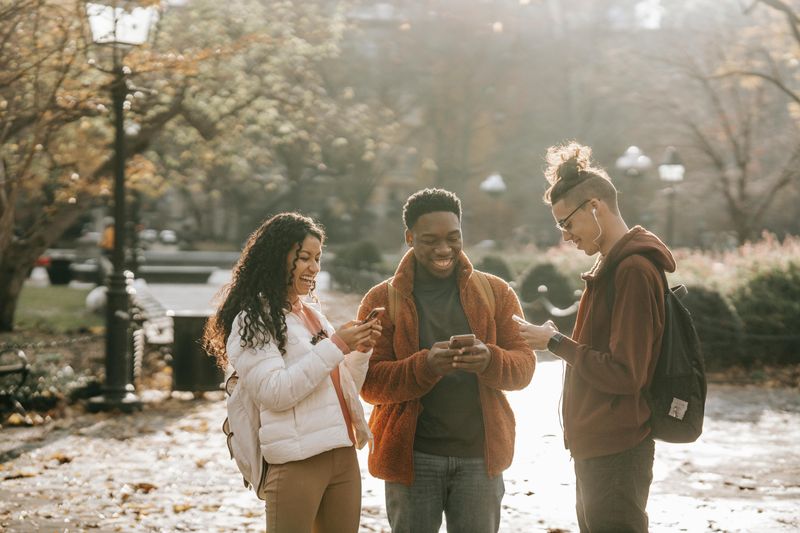
You’re in the middle of telling a story, and the person across from you is scrolling through their phone.
It happens so often now that we’ve almost stopped calling it out.
Yet it still feels dismissive and hurtful.
When someone chooses their screen over your words, it sends a clear message: you’re not that important right now.
Eye contact and active listening used to be basic manners.
Now, many people think a quick glance up every few seconds counts as paying attention.
It doesn’t.
Real conversations deserve real presence, not divided focus.
5. Interrupting Others Mid-Sentence

Conversations have started to feel like competitions to see who can talk the most.
Instead of waiting for someone to finish their thought, people jump in halfway through.
They cut you off, talk over you, and act like what they have to say is more urgent.
This habit has become so widespread that finishing a sentence feels like a luxury.
Interrupting isn’t just annoying.
It’s dismissive.
It tells the speaker their words don’t matter enough to hear completely.
Good communication requires listening, not just waiting for your turn to talk.
When interruptions become normal, real understanding disappears.
6. Leaving Shopping Carts Everywhere
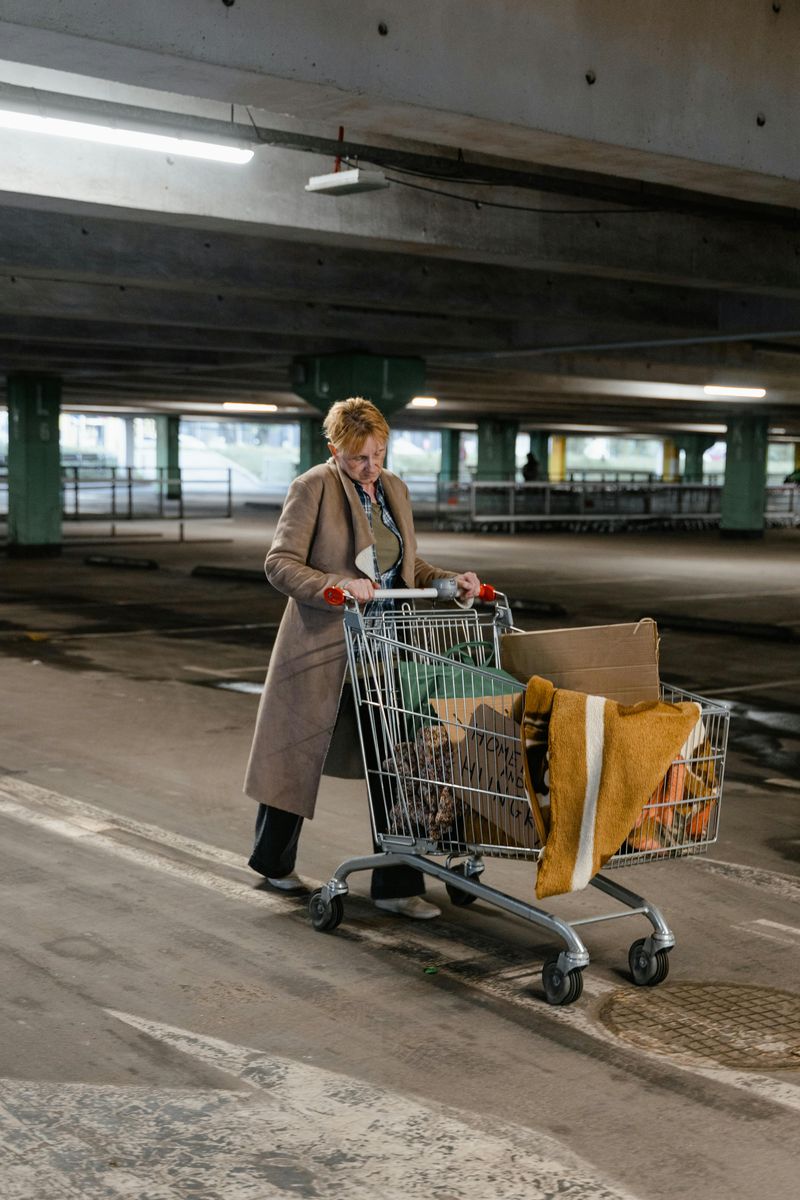
Walk through any parking lot and you’ll see shopping carts scattered like abandoned toys.
They’re blocking spaces, rolling into cars, and creating obstacles for everyone.
Cart returns are usually just a few steps away, but people can’t be bothered.
They unload their groceries and leave the cart wherever it lands.
This laziness affects others.
Drivers can’t park in blocked spots.
Workers have to chase down carts in all weather.
Cars get dented by runaway carts.
Taking ten extra seconds to return your cart is basic courtesy, yet it’s become oddly optional.
7. Not Saying Thank You

Someone holds the door for you, lets you merge in traffic, or helps you pick up dropped items.
And you just… keep walking.
No thank you, no nod, no acknowledgment at all.
Gratitude seems to have become optional.
These small acts of kindness deserve recognition.
A simple thank you takes zero effort but makes people feel seen and appreciated.
When we stop expressing gratitude, we stop encouraging kindness.
Why would anyone hold a door if they’re treated like furniture?
Manners matter, and thank you is one of the most basic ones.
8. Chewing with Your Mouth Open

Somehow, eating with your mouth closed has become less common than it should be.
People chomp, smack, and talk with food visible, seemingly unaware of how unpleasant it is for everyone around them.
Restaurants, family dinners, and lunch breaks have all become stages for this gross behavior.
Table manners used to be taught early and enforced consistently.
Now, they’re treated as old-fashioned or overly formal.
But there’s nothing fancy about basic courtesy.
Nobody wants to see or hear your food being processed.
Closing your mouth while chewing is simple hygiene and respect.
9. Playing Videos or Music Without Headphones

Public transportation, waiting rooms, and parks have become unwilling concert venues.
People blast music, watch videos, and play games with the volume cranked up, forcing everyone nearby to listen along.
Headphones are cheap and widely available.
Yet some people act like they’ve never heard of them.
This behavior is incredibly self-centered.
It assumes your entertainment is more important than everyone else’s peace and quiet.
Shared spaces require shared consideration.
Your music might be your jam, but it’s noise pollution to the person trying to read, work, or just think.
Volume controls exist for a reason.
10. Ghosting People After Making Plans

You make plans with someone, get excited, maybe even rearrange your schedule to make it work.
Then the day comes and… nothing.
No show, no text, no explanation.
They just vanish.
Ghosting has moved beyond dating and infected friendships and casual plans too.
It’s become weirdly acceptable to just not show up.
But standing someone up is cruel.
It wastes their time and makes them feel unimportant.
A quick message saying you can’t make it takes seconds.
Disappearing without a word is cowardly and disrespectful, no matter how common it’s become.
11. Taking Calls During Movies or Performances
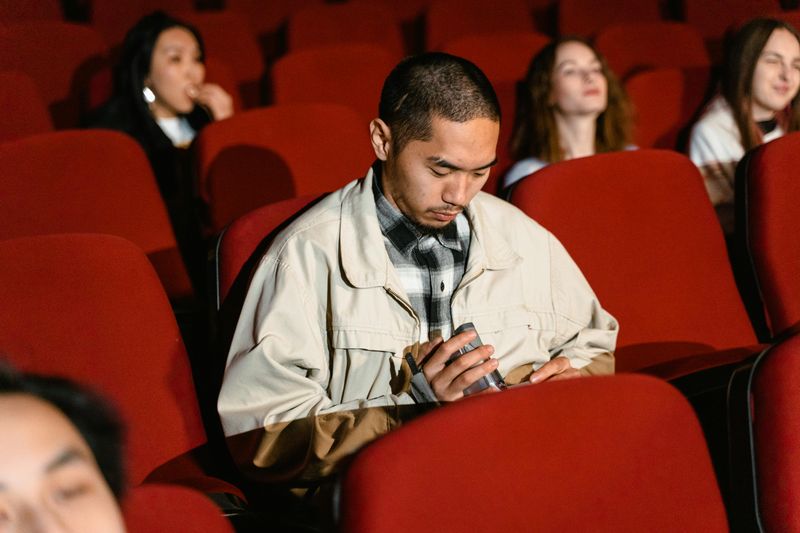
You paid for a ticket, settled into your seat, and the show begins.
Then someone’s phone rings, and instead of silencing it, they answer.
They have a full conversation while everyone else tries to focus on what they came to see.
Theaters, concerts, and performances have clear rules about phones, but people ignore them constantly.
It’s not just the noise.
The glowing screen is a distraction too.
When you take a call during a performance, you’re telling everyone around you that your convenience matters more than their experience.
It’s selfish, plain and simple.
12. Not Cleaning Up After Yourself
Fast food restaurants, coffee shops, and food courts all have trash cans.
Yet tables are constantly left covered in wrappers, cups, and half-eaten food.
People treat public spaces like their personal dining rooms, expecting someone else to clean up after them.
Sure, staff will eventually clear the table, but that doesn’t make leaving a mess okay.
It’s disrespectful to workers and to the next person who wants to sit there.
Cleaning up your own trash is kindergarten-level responsibility.
When adults can’t manage it, something has gone seriously wrong with our sense of shared responsibility.
13. Cutting in Line

Lines exist for fairness.
Everyone waits their turn, and eventually everyone gets served.
But some people think they’re special.
They slide in ahead of others, pretend they didn’t see the line, or claim they’re just asking a quick question.
Then they stay.
Cutting in line is pure entitlement.
It says your time is more valuable than everyone else’s.
The people who’ve been waiting patiently feel frustrated and disrespected.
It’s not complicated: if there’s a line, go to the back.
Nobody’s emergency is so urgent that basic fairness goes out the window.
14. Posting Everything on Social Media

Every meal, every outing, every minor life event gets documented and shared online now.
People film strangers without permission, post photos of friends without asking, and share private moments publicly.
What used to be personal has become content.
Privacy feels like an outdated concept.
Posting everything isn’t just annoying.
It can be invasive and hurtful.
Not everyone wants their face, their meal, or their business broadcast to hundreds of followers.
Some moments deserve to stay private.
Constant sharing has made us forget that not everything needs an audience, and not everyone consented to be part of yours.
15. Ignoring Personal Space Boundaries

Personal space is a real thing, but some people act like they’ve never heard of it.
They stand inches away in line, lean over your shoulder to look at your phone, or sit right next to you when there are plenty of empty seats.
The pandemic briefly reminded us about distance.
Now it seems forgotten again.
Invading someone’s personal space is uncomfortable and unnecessary.
Most people can sense when they’re too close and feel uneasy.
Respecting physical boundaries is part of respecting people.
If someone steps back, that’s a hint.
Give people room to breathe.
16. Complaining Constantly Without Solutions

Everyone has bad days and needs to vent sometimes.
But some people have turned complaining into their entire personality.
Every conversation becomes a list of grievances.
Work is terrible, the weather is awful, everything is wrong, and nothing ever gets better.
They never seek solutions or try to improve things.
Chronic complaining drains everyone around them.
It creates negativity and makes interactions exhausting.
Friends and coworkers start avoiding these people because every chat feels like a therapy session.
Venting is healthy in moderation.
Endless complaining without action is just dumping your misery on others, and that’s not fair.
Comments
Loading…