
 Mary Murphy
10 TV Characters From the ’80s and ’90s We Should Never Have Idolized
Nostalgia has a funny way of polishing things that were never all that shiny to begin with.
The TV characters we once adored in the ’80s and ’90s often look very different when we revisit them as adults.
Those larger-than-life personalities that shaped our ideas of “cool,” “romantic,” or “funny” sometimes reveal traits that would make us sprint in the opposite direction today.
That’s the magic—and danger—of good television: it can turn chaos into charm.
But hindsight?
Hindsight hands us receipts.
And once you see the questionable behavior woven into some of these iconic characters, you can’t unsee it.
This list goes beyond the nostalgia to unpack why these characters were never meant to be role models.
Their messy antics may still be entertaining, but idolizing them?
Yeah… that’s a whole different story.
1. Zack Morris (Saved by the Bell)
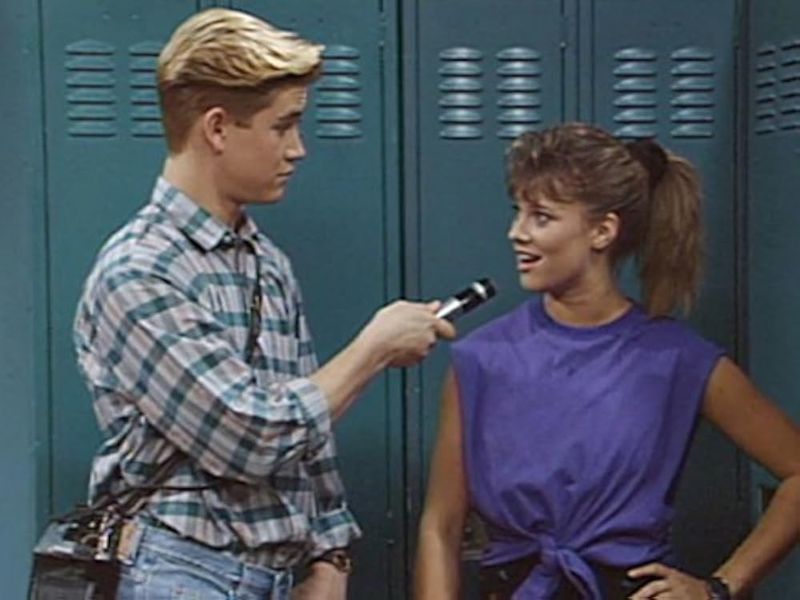
Few characters hid bad behavior behind a charming smile better than Zack Morris.
Rewatching the series as an adult makes it obvious that almost every storyline revolves around Zack manipulating someone to get what he wants.
He regularly lied to teachers, tricked his best friends, and treated boundaries like optional guidelines.
Schemes weren’t occasional mishaps—they were his entire personality.
Even when his actions hurt people, the show rewarded him with last-minute redemption arcs.
That kind of narrative framing practically dared kids to idolize him.
Zack’s “cool guy” persona aged into something far more chaotic and self-centered.
And while he was marketed as the ultimate teen heartthrob, he was really just a charming tornado leaving emotional debris everywhere.
It’s fun to watch, but definitely not the blueprint for good behavior.
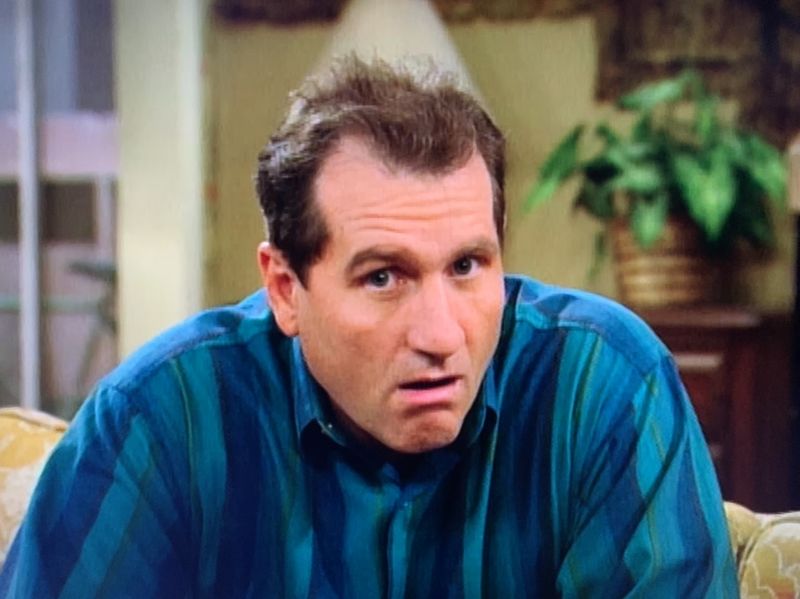
2. Al Bundy (Married… with Children)

Television once presented Al Bundy as the relatable, overworked family man we were supposed to root for.
Looking back, it’s clear that his perpetual bitterness wasn’t just a running joke—it shaped how he treated the people who loved him.
His marriage became a platform for passive-aggressive digs instead of affection.
His children endured constant insults disguised as humor.
Even his coworkers couldn’t escape his doom-and-gloom mindset.
This kind of emotional neglect feels far less “sitcom silly” with adult eyes.
Al rarely took accountability and consistently blamed everyone else for his unhappiness.
While audiences laughed with him, his behavior reinforced some seriously unhealthy family dynamics.
He wasn’t a lovable grump so much as a man emotionally checked out of his own life.
He may be a comedy icon, but a role model?
Not even close.
3. Will Smith (The Fresh Prince of Bel-Air)

The character of Will dazzled audiences with sharp humor and effortless swagger.
But beneath the jokes and charm, he frequently used manipulation to dodge responsibility.
He lied to impress people, treated serious situations like mere inconveniences, and dismissed the consequences of his behavior.
His arrogance often landed others in trouble long before it affected him.
The show framed his antics as harmless fun, encouraging viewers to laugh instead of question the ethics behind them.
Growth moments did occur, but they were buried beneath layers of impulsive decision-making.
Will’s tendency to prioritize popularity over integrity aged poorly compared to today’s emphasis on emotional maturity.
Even his sweetest moments were usually reactions to chaos he created.
He remains a beloved character, but not the example of maturity we once believed.
4. Homer Simpson (The Simpsons)

Generations grew up laughing at Homer’s lovable incompetence, but adulthood casts a harsher light on his behavior.
He consistently neglects responsibilities, forgets important events, and prioritizes personal pleasure over family needs.
His relationship with Marge often forces her into the emotional labor of fixing his mistakes.
Bart and Lisa frequently deal with his thoughtlessness, even when they desperately need guidance.
The show played these shortcomings for laughs, but they represent real issues many families face.
Homer’s impulsive decisions often put others in danger without him learning much from the experience.
His irresponsibility became a cultural joke, but it also normalized behavior that shouldn’t be celebrated.
He remains iconic because of his humor, not because he represents healthy adulthood.
In reality, his antics would exhaust anyone living in the same house.
Funny? Absolutely.
Idol-worthy? Not a chance.
5. Carrie Bradshaw (Sex and the City)

Fashion lovers adored Carrie Bradshaw, but her personal habits deserve a second look.
She often created drama in her friendships by centering every situation around herself.
Her financial decisions—especially those involving designer shoes—were portrayed as quirky instead of irresponsible.
Relationships became emotional roller coasters fueled by her lack of communication and self-reflection.
She expected unwavering support from others while offering far less in return.
Carrie’s impulsive choices regularly caused heartbreak, not just for her partners but for her closest friends.
The show framed her as a lovable mess, yet many of her actions bordered on self-sabotage.
Her independence seemed empowering until you noticed how often she relied on others to clean up her chaos.
Carrie remains iconic, but idolizing her lifestyle can lead straight to emotional and financial burnout.
6. Uncle Jesse (Full House)

Viewers swooned over Uncle Jesse’s cool factor, but his priorities were often questionable.
He repeatedly placed his music career and image above the needs of the children he helped raise.
Family responsibilities only seemed urgent when they didn’t interfere with his personal dreams.
Even when he tried to step up, his ego frequently got in the way.
The show treated his self-absorption as endearing, glossing over the immaturity behind it.
Romanticizing rebellion was central to his character, even after he became a father.
He loved his family, but he often loved being adored even more.
Growth came slowly, usually after he realized how his choices impacted others.
Uncle Jesse may have been charming, but emotional reliability wasn’t exactly his strong suit.
Cool hair and a leather jacket don’t make someone a role model.
7. Mr. Feeny (Boy Meets World)

Teachers aren’t typically expected to play the role of life coach, but Mr. Feeny took that job very seriously.
He routinely involved himself in the personal lives of his students far beyond reasonable boundaries.
Lessons often stretched from the classroom into their private relationships.
The show framed this as wisdom and mentorship, but today it raises concerns about professional lines.
Adults now recognize how unhealthy it can be for teens to treat a teacher as their moral compass.
Mr. Feeny’s guidance came from a place of care, yet it encouraged dependency instead of independence.
Situations requiring parental involvement frequently became Feeny’s domain.
The blurred lines between educator and family figure haven’t aged well.
He remains a beloved character, but his approach to student relationships would be flagged instantly today.
Revered? Yes.
Idolized? Maybe reconsider.
8. Balki Bartokomous (Perfect Strangers)
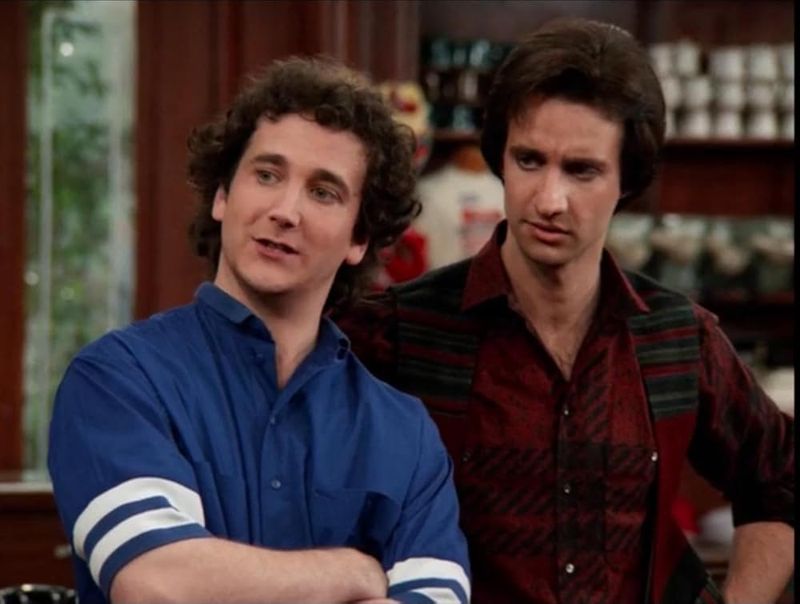
Audiences found Balki adorable, but the character leaned heavily into simplified cultural stereotypes.
His innocence was exaggerated to the point of caricature, often reducing him to comic relief rather than a fully developed person.
The show used misunderstandings about American culture as a recurring gag.
Much of the humor revolved around portraying him as overly naive and socially clueless.
This kind of representation feels far more uncomfortable today.
Balki’s personality was shaped by exaggerated tropes rather than authentic cultural nuance.
The writing unintentionally reinforced the idea that immigrants exist to be laughed at instead of understood.
While Balki was kind-hearted, the portrayal did not age well in a world more aware of identity and representation.
He was lovable, but idolizing the character now requires ignoring the stereotypes baked into his role.
9. Kelly Kapowski (Saved by the Bell)
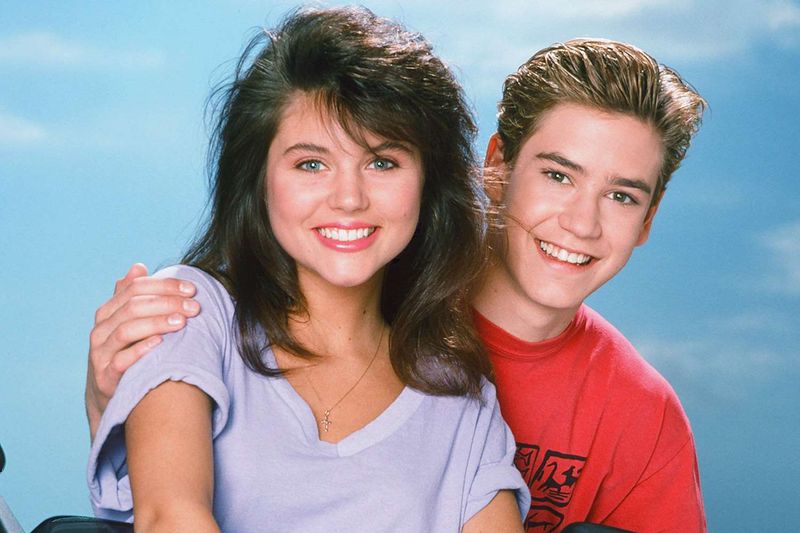
The show presented Kelly as the dream girl, but her character lacked depth and agency.
She often existed to validate the male characters’ storylines rather than her own.
Relationships defined her more than personal ambitions or personality traits.
Her role reinforced the idea that being sweet and pretty was enough to be admired.
The lack of meaningful development prevented her from becoming a fully realized character.
Situations that should have empowered her frequently placed her in passive roles instead.
Even her conflicts were usually framed around how they affected Zack or other boys.
Looking back, it’s clear that she symbolized a narrow and unrealistic version of teen femininity.
Kelly remains iconic, but she represents an outdated blueprint of what girls were “supposed” to be.
That’s not exactly idol material.
10. Cliff Huxtable (The Cosby Show)
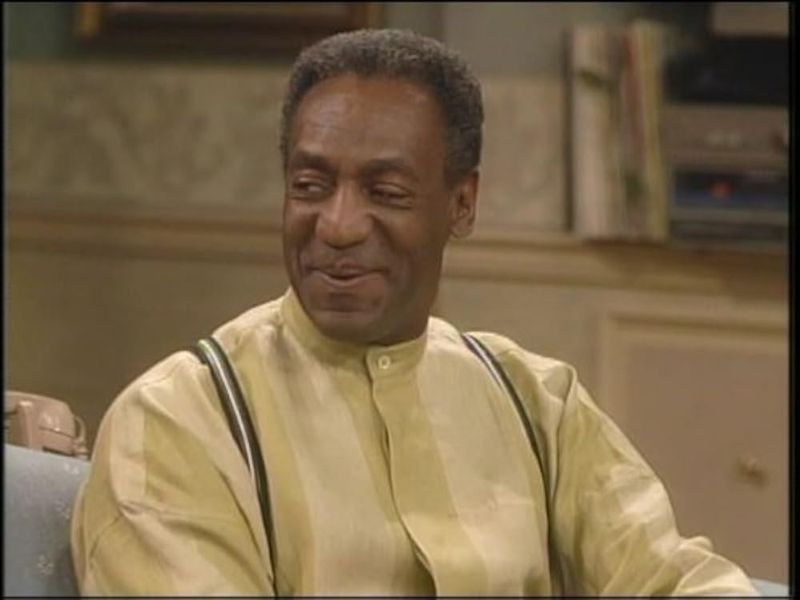
The character of Cliff Huxtable once stood as the gold standard for TV fatherhood.
His warmth, humor, and compassion made him an aspirational figure for millions.
But separating the character from the real-life actions of the actor is impossible now.
The wholesome persona viewers idolized is overshadowed by disturbing truths that came to light.
Rewatching the show feels uncomfortable because the character’s integrity no longer exists in isolation.
This creates a complicated dynamic where viewers must reconcile nostalgia with reality.
Cliff may have represented moral strength on screen, but that image can’t be divorced from context anymore.
Idolizing him is no longer a harmless celebration of fictional values—it’s emotionally and ethically fraught.
The character didn’t change, but our understanding of him did.
And that shift makes him a figure we can no longer pedestal.
Comments
Loading…