
 Mary Murphy
10 Rock Vocalists Who Replaced the Original—and Became Way More Successful
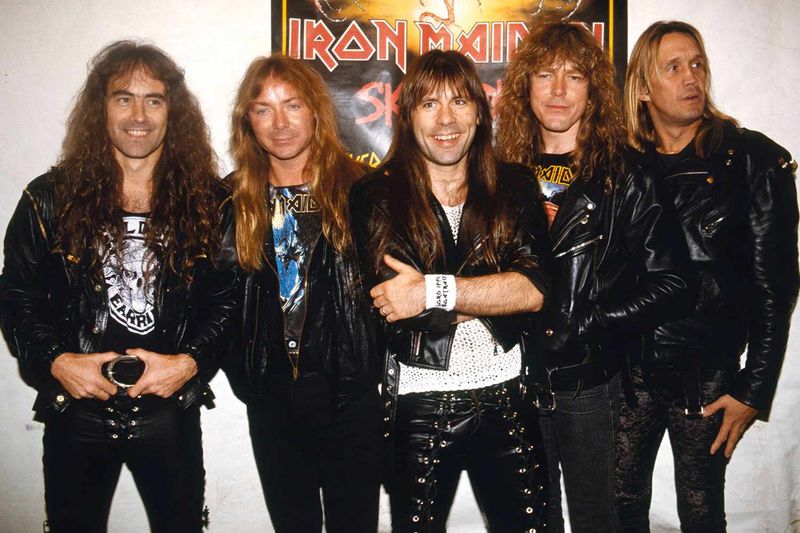
Rock history loves a good plot twist.
Sometimes a band loses its original singer—whether through drama, burnout, or plain bad luck—and everyone assumes the story is over.
Then a new vocalist steps in and completely rewrites the script.
In some cases, the replacement becomes so iconic that fans forget there was ever someone before them.
These are the singers who didn’t just fill a vacancy—they elevated their bands into legendary territory.
Their arrivals sparked new eras, bigger tours, massive record sales, and the kind of fame that reshapes music history.
So while nobody likes change, rock music proves that sometimes it’s the second act that steals the show.
Here are the replacement vocalists who didn’t just keep the band alive—they made it better than ever.
1. Brian Johnson — AC/DC
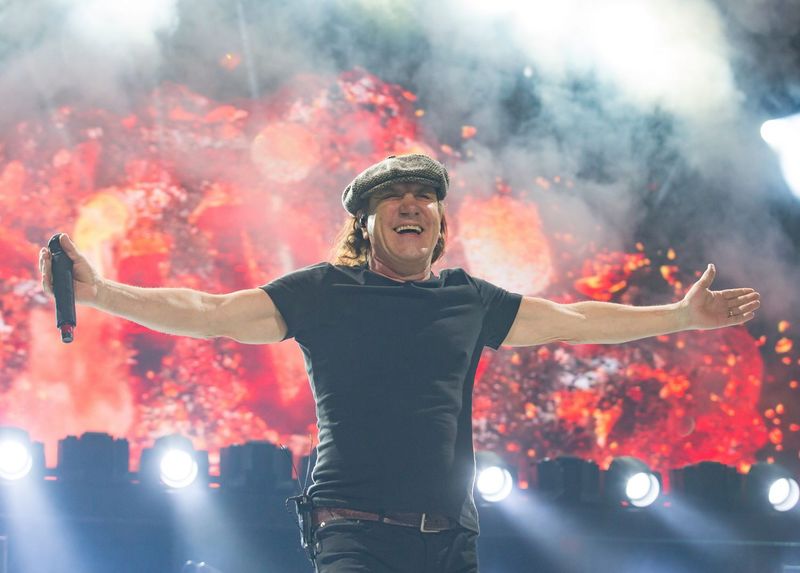
Nobody expected AC/DC to rebound after the loss of Bon Scott.
Fans were grieving, critics were skeptical, and the band seemed one step away from calling it quits.
Then Brian Johnson walked into the vocal booth and unleashed the kind of rasp that could melt steel.
His debut with AC/DC, Back in Black, didn’t just perform well—it became one of the best-selling albums in music history.
Concerts grew bigger, radio play exploded, and suddenly AC/DC wasn’t just surviving—they were dominating.
Johnson’s voice carried a raw, celebratory energy that perfectly matched the band’s thunderous riffs.
Even longtime fans had to admit he brought something electrifying and new.
By the end of that first tour, no one was asking whether AC/DC could go on without Scott.
Everyone was asking how they ever sounded this huge in the first place.
2. Sammy Hagar — Van Halen
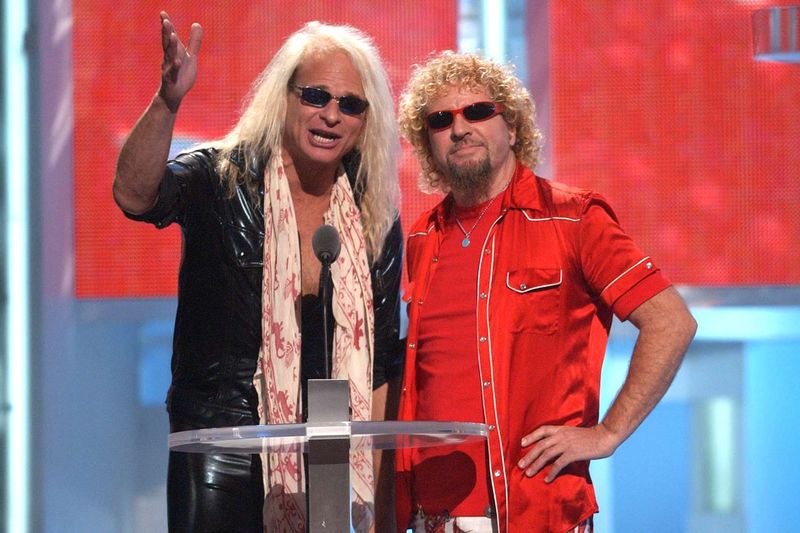
Very few people thought anyone could successfully replace David Lee Roth’s flashy frontman routine.
Van Halen was already massive, but behind the scenes the band was falling apart.
When Sammy Hagar stepped into the role, the chemistry changed instantly—and so did the charts.
The band’s next four albums all hit No. 1, something they never achieved with Roth.
Hagar’s smoother vocals and more mature songwriting opened the door to power ballads, bigger hooks, and stadium-filling anthems.
Fans discovered a different side of the band, and it turned out they liked it—a lot.
The group went from party-hard rockers to an unstoppable commercial force.
Hagar became more than just a replacement; he became the frontman of Van Halen’s most successful era.
And love him or hate him, his impact is impossible to deny.
3. Bruce Dickinson — Iron Maiden

Metal fans were used to Paul Di’Anno’s gritty punk-inspired vocals, so a change felt risky.
Iron Maiden was on the rise but nowhere near the global juggernaut they would soon become.
Bruce Dickinson arrived with operatic power, laser-focused intensity, and a stage presence that could command an entire arena.
His debut on The Number of the Beast instantly shifted the band into high gear.
Songs became bigger, more ambitious, and loaded with soaring melodies that defined the future of metal.
Fans from every continent began filling venues just to hear Dickinson hit those sky-high notes.
The band’s identity crystallized, and their influence expanded far beyond the genre.
With Dickinson at the helm, Iron Maiden went from promising newcomers to legends.
His voice didn’t just fit the band—it launched them into immortality.
4. Phil Anselmo — Pantera

Nothing about Pantera’s early glam-metal days hinted at the heavy, aggressive powerhouse they would become.
When Phil Anselmo joined, everything changed—sound, attitude, energy, and direction.
His fierce vocal style pushed the band into a darker, heavier realm that would define metal in the 1990s.
Pantera reinvented themselves with albums like Cowboys from Hell and Vulgar Display of Power, earning massive acclaim.
Anselmo’s raw power matched Dimebag Darrell’s crushing riffs in a way fans hadn’t heard before.
Crowds turned wild, mosh pits got bigger, and Pantera’s reputation skyrocketed.
Critics took notice as well, acknowledging their transformation as one of metal’s greatest reinventions.
The band became a cultural force, influencing generations of heavy-music fans.
And none of that would have happened without the seismic shift brought on by Anselmo’s arrival.
5. Steve Perry — Journey
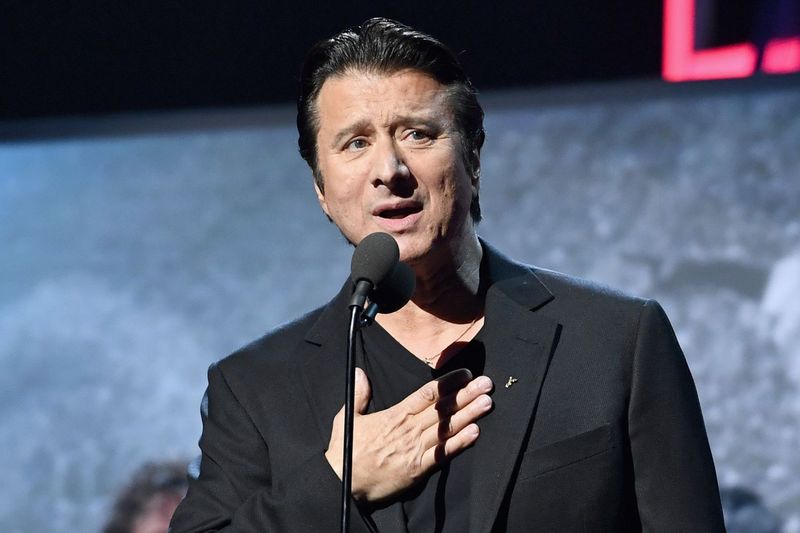
Rock history changed the moment Steve Perry stepped up to the microphone.
Journey was already making music, but they hadn’t yet found the signature sound that would define their legacy.
Perry arrived with a golden voice capable of hitting emotional highs few rock singers could match.
Suddenly the band began producing songs that felt tailor-made for stadiums and late-night radio.
Hits like “Don’t Stop Believin’” and “Open Arms” transformed the group into global superstars.
Fans embraced the new era wholeheartedly, and album sales skyrocketed.
Touring became bigger, crowds grew louder, and Journey became a household name.
The entire musical identity of the band shifted into something more melodic, powerful, and timeless.
Perry didn’t just replace a singer—he became the defining voice of Journey’s most iconic years.
6. Myles Kennedy — Alter Bridge

Few vocalists can take a band born from the ashes of another and push it to greater heights.
When Alter Bridge formed after Creed’s breakup, expectations were low and skepticism was high.
Myles Kennedy changed that narrative almost immediately with his soaring voice and remarkable range.
His emotional delivery and technical precision turned every song into something cinematic.
International audiences responded quickly, propelling the band to global tours and critical praise.
Albums gained richer storytelling, deeper melodies, and a maturity Creed never reached.
Kennedy’s presence also opened doors for collaborations with Slash and other major rock artists.
Alter Bridge became known as a musicians’ band—tight, powerful, and consistently impressive.
Thanks to Kennedy, the group built a reputation that stands confidently on its own.
7. Corey Taylor — Slipknot
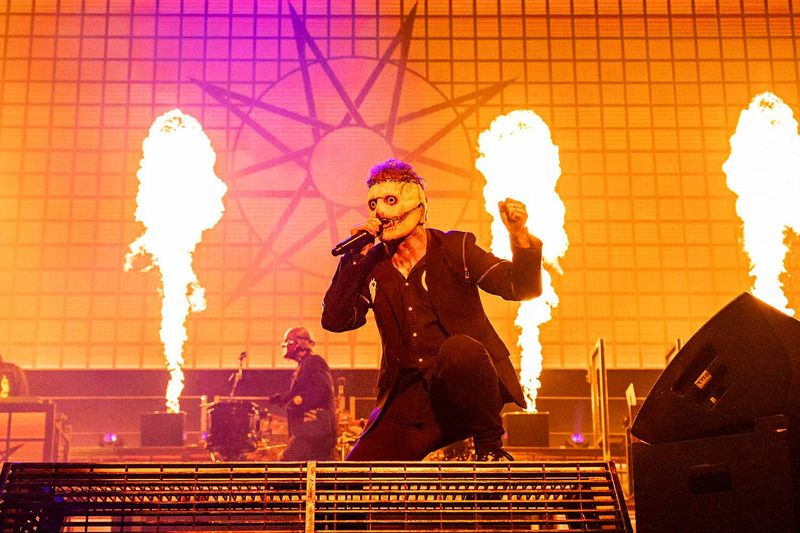
The early version of Slipknot was intense but lacked the vocal versatility needed to break out of the underground.
Corey Taylor brought exactly what they were missing—a mix of brutal screams, melodic singing, and explosive charisma.
His arrival instantly elevated the band’s sound into something more dynamic and accessible.
Their self-titled debut and Iowa pushed metal boundaries and drew massive attention.
Fans connected with Taylor’s emotional honesty and unpredictable stage presence.
Mainstream audiences couldn’t ignore the band’s unique combination of chaos and craftsmanship.
Slipknot quickly erupted into a global phenomenon, earning platinum sales and headlining major festivals.
Taylor’s range allowed the band to experiment and evolve without losing their aggressive identity.
What began as a niche act became one of the century’s most influential metal bands.
8. Ian Gillan — Deep Purple
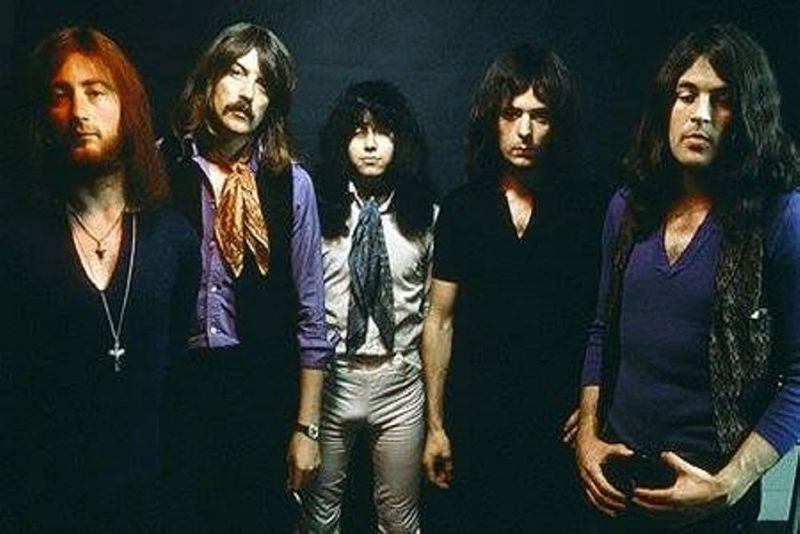
Early Deep Purple showcased talent, but the band hadn’t yet developed the sound that would make them iconic.
Ian Gillan’s arrival marked the turning point, bringing an unmatched vocal power and a ferocious scream.
His performance on songs like “Child in Time” and “Highway Star” became instant classics.
The band tapped into harder rock elements that resonated strongly with audiences worldwide.
Gillan’s voice paired perfectly with Ritchie Blackmore’s fiery guitar riffs.
The album Machine Head became a defining landmark of rock music.
Concert crowds grew as Deep Purple transitioned into one of the biggest bands of the 1970s.
Critics hailed their new direction as bold and forward-looking.
Gillan didn’t just replace a singer—he ushered in the band’s most celebrated lineup.
9. Donald Fagen — Steely Dan
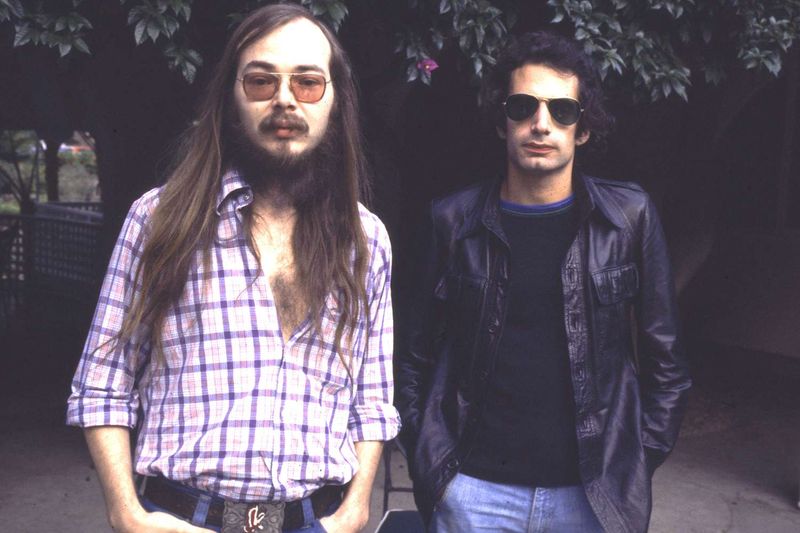
Steely Dan’s early years were a bit of an experiment when it came to vocals.
David Palmer handled some lead duties, but the music demanded a different tone—one with personality and bite.
Donald Fagen eventually stepped up to become the primary vocalist, and everything clicked.
His distinctive delivery fit the band’s jazz-rock fusion perfectly.
Albums like Pretzel Logic, Aja, and Gaucho showcased a sharper, more cohesive identity.
Fans embraced the shift wholeheartedly, and the band’s popularity soared.
Critics praised Fagen’s voice for adding irony, cleverness, and emotional depth to each track.
Steely Dan evolved from a promising group into a critically adored powerhouse.
Fagen’s rise to frontman solidified the sound most listeners now consider quintessential Steely Dan.
10. Pete Shelley — Buzzcocks
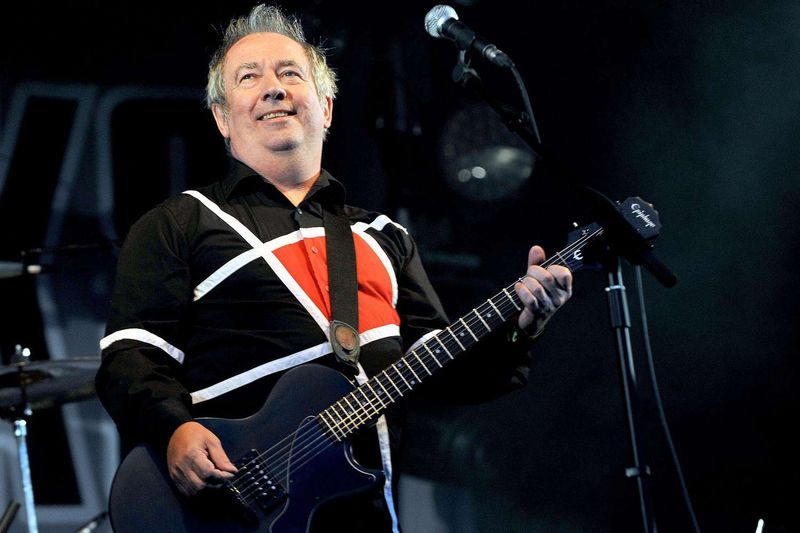
The punk scene was changing fast when Pete Shelley took over vocal duties from Howard Devoto.
Buzzcocks had a raw, energetic start, but everything shifted when Shelley stepped up.
His knack for writing catchy, emotionally sharp songs gave the band a whole new edge.
Tracks like “Ever Fallen in Love” became instant anthems for disaffected youth.
Fans connected with Shelley’s blend of punk urgency and melodic sweetness.
The band suddenly stood out from the crowd, offering something both fun and relatable.
Buzzcocks gained a reputation as one of the most influential melodic punk acts of all time.
Shelley’s voice and songwriting defined their most beloved era.
His takeover didn’t just continue the band—it transformed it into something legendary.
Comments
Loading…