
 Chloe Peterson
10 Ways People Accidentally Make Themselves Unapproachable
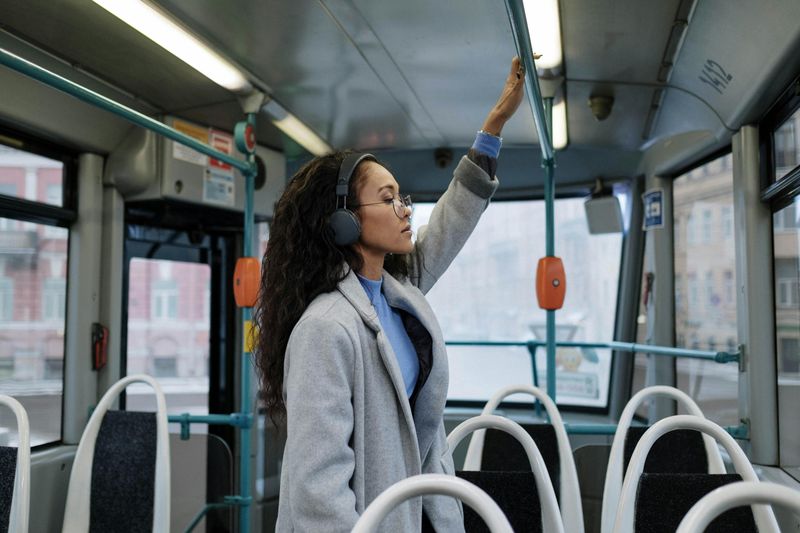
Most people want to connect with others and make friends, but sometimes we send the wrong signals without even realizing it. Small habits like crossing your arms or forgetting to smile can make you seem unfriendly, even when you’re actually nice. Understanding these accidental mistakes can help you appear more welcoming and open to conversation.
1. Crossing Your Arms During Conversations

Arms folded across your chest might feel comfortable, but it reads as defensive or closed off to others.
This posture creates a physical shield that suggests you’re protecting yourself from whoever is speaking.
Many people cross their arms when they’re cold or simply resting, not realizing how it affects their approachability.
Studies show that crossed arms make you seem less confident and less interested in what others are saying.
Keeping your arms relaxed at your sides or using gentle hand gestures makes you appear friendlier.
Your whole demeanor shifts when your body position opens up.
2. Staring at Your Phone Instead of Looking Up

Constantly scrolling through your phone tells everyone around you that the digital world matters more than the real one.
Your eyes stay glued to the screen, making it impossible for anyone to catch your attention or make eye contact.
This habit has become so common that people do it without thinking, especially during awkward moments or while waiting.
However, it completely shuts down any chance of spontaneous conversations or friendly interactions.
Looking up occasionally and observing your surroundings makes you seem more present and accessible.
Eye contact opportunities increase dramatically when your face isn’t buried in technology.
3. Never Smiling or Making Eye Contact

A blank expression can make you look angry or unapproachable, even when you’re just thinking or tired.
Without a smile or friendly eye contact, people have no way to gauge whether you’re open to interaction.
Some folks naturally have what’s called resting serious face, where their neutral expression appears unfriendly.
This unintentional look can scare away potential friends or colleagues who might otherwise say hello.
A small smile and brief eye contact work wonders for seeming approachable.
These simple actions signal warmth and openness without requiring any words at all.
4. Keeping Headphones On All the Time
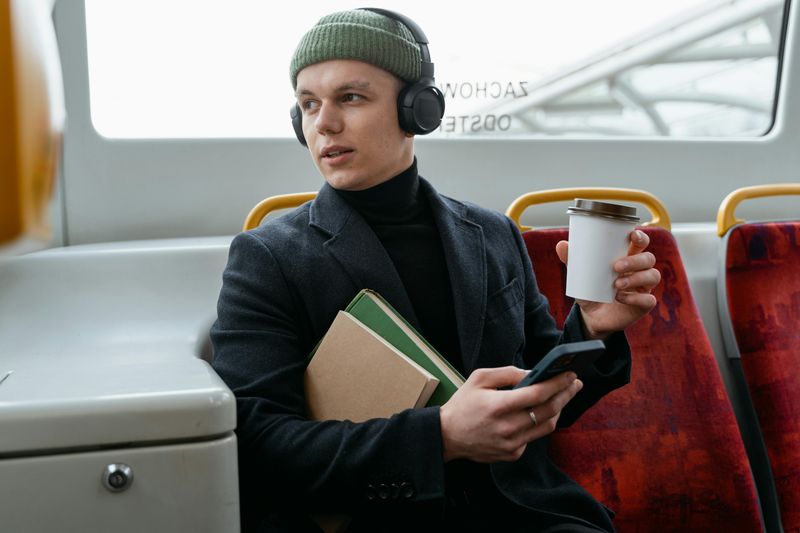
Walking around with headphones constantly plugged in creates an invisible barrier between you and everyone else. People assume you don’t want to be bothered because you’re clearly listening to something.
Even if the music isn’t playing, those earbuds send a clear message: I’m busy, leave me alone.
This becomes especially problematic in social settings like cafes or waiting rooms where casual conversations naturally start.
Taking them out occasionally shows you’re open to interaction.
Your body language instantly becomes more inviting when people can see both your ears.
5. Always Rushing and Looking Busy

Constantly moving quickly and looking stressed tells others that you have no time for them.
Your hurried pace and tense body language make people hesitate before approaching because they don’t want to slow you down.
While being productive is important, always appearing rushed creates an invisible force field around you.
Even quick hellos become impossible when you’re speed-walking past everyone with a worried expression.
Slowing down occasionally and taking relaxed breaths changes how others perceive your availability.
When you look calm and unhurried, people feel more comfortable starting conversations with you.
6. Speaking in a Harsh or Monotone Voice

How you say something matters just as much as what you say.
A harsh tone or completely flat voice can make even friendly words sound cold or disinterested.
Many people don’t realize their voice sounds unfriendly because they can’t hear themselves the way others do.
Speaking without vocal variety makes you seem bored, annoyed, or unwelcoming, even when you’re trying to be nice.
Adding warmth and enthusiasm to your voice instantly makes you more likable and approachable.
Varying your pitch and showing emotion through your tone helps people feel comfortable around you.
7. Sitting or Standing Far Away From Others

Physically distancing yourself from groups sends a clear message that you prefer solitude.
Choosing the corner seat or standing away from clusters makes others think you want to be left alone.
While personal space is important, too much distance creates social barriers that are hard to cross.
People rarely walk across a room to include someone who’s positioned themselves far away from the action.
Sitting or standing closer to others, even slightly, shows you’re interested in joining the conversation.
Proximity matters tremendously when it comes to social inclusion and approachability.
8. Giving One-Word Answers and Not Asking Questions

Conversations die quickly when someone only gives yes, no, or other brief responses without elaborating.
This communication style makes you seem uninterested or even rude, even if you’re just shy or distracted.
Failing to ask follow-up questions makes the other person do all the conversational work.
Eventually, they give up trying because it feels like pulling teeth to get you to engage.
Expanding your answers and showing curiosity about others keeps conversations flowing naturally.
Asking questions demonstrates genuine interest and makes people want to talk with you more often.
9. Constantly Complaining or Being Negative

Nobody wants to approach someone who always focuses on what’s wrong or bad.
Constant negativity drains energy from everyone around you and makes social interactions feel exhausting rather than enjoyable.
Complaining occasionally is normal, but making it your default conversation style pushes people away.
They start avoiding you because they know every interaction will leave them feeling worse than before.
Balancing concerns with positive observations makes you much more pleasant to be around.
People naturally gravitate toward those who can find good things to discuss alongside life’s challenges.
10. Never Initiating Conversations First

Always waiting for others to make the first move creates an imbalanced dynamic.
People start wondering if you actually want to talk or if you’re just being polite when they approach you.
Shy individuals often struggle with this, but never initiating makes you seem aloof or uninterested in friendship.
Others may interpret your silence as snobbery rather than nervousness, which isn’t fair but happens frequently.
Starting conversations occasionally shows you value relationships and enjoy connecting with people.
Even simple greetings or casual observations demonstrate your willingness to engage and be approachable.
Comments
Loading…