
 Harper Hall
11 Things That Separate Night Owls from Early Birds

Some people jump out of bed with the sunrise, ready to conquer the day, while others come alive when the moon appears in the sky.
These differences aren’t just about when you sleep—they affect everything from your energy levels to how your brain works. Understanding what makes night owls and early birds tick can help you appreciate your own natural rhythm and work with it instead of against it.
1. Peak Energy Hours

Morning people feel their best energy between 6 a.m. and noon, when their bodies are naturally primed for action. Their minds are sharpest right after waking up, making early hours perfect for tackling tough tasks.
Night owls experience the opposite pattern entirely. Their energy climbs as the day progresses, hitting peak performance between 9 p.m. and 2 a.m. During these late hours, their creativity flows freely and problem-solving abilities shine brightest.
This difference isn’t about laziness or discipline—it’s hardwired into your biology. Your internal clock determines when your body releases hormones that control alertness and sleepiness throughout the day.
2. Body Temperature Patterns

Your body temperature rises and falls throughout the day in predictable patterns. Early birds experience their temperature spike in the morning hours, which naturally wakes them up and gets them moving.
For night owls, body temperature stays lower during morning hours and gradually increases as evening approaches. This delayed warming pattern explains why they feel groggy at dawn but wide awake at midnight.
Scientists measure this difference using core body temperature readings. The timing of these temperature shifts can vary by several hours between extreme morning and evening types, affecting everything from metabolism to mental performance throughout the day.
3. Melatonin Release Timing
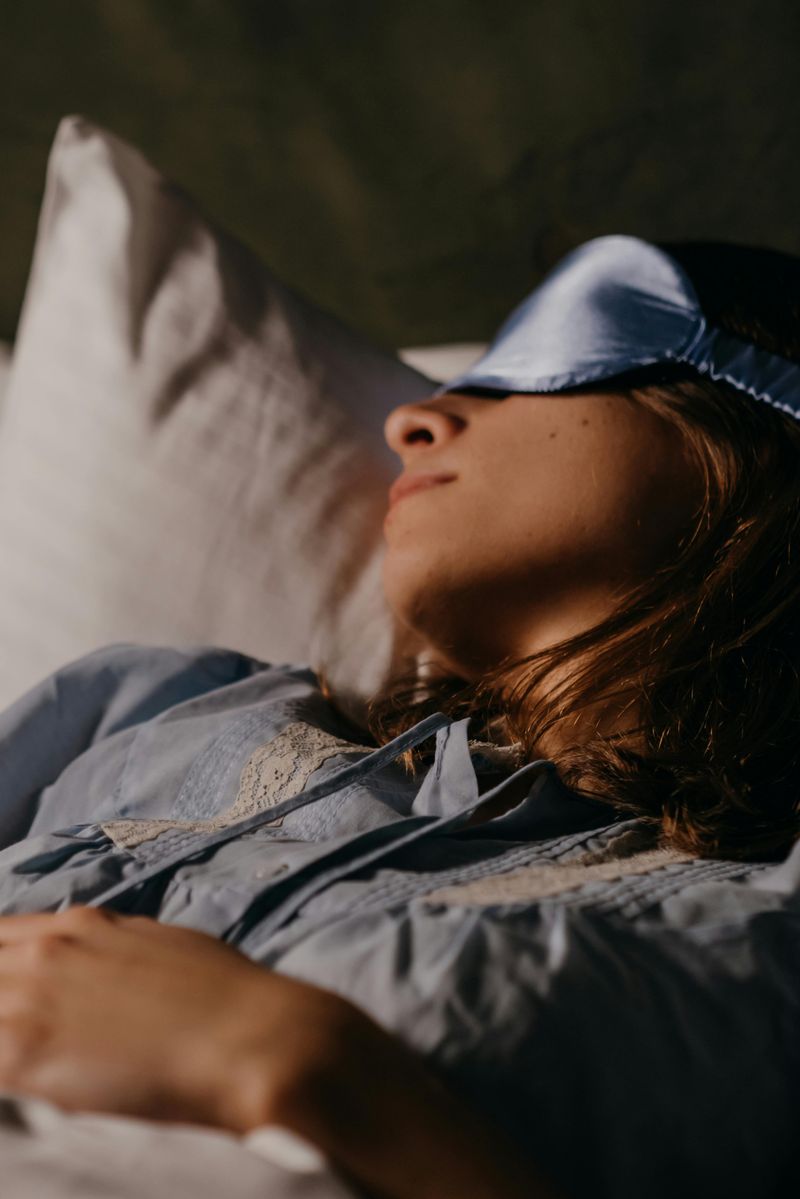
Melatonin is the hormone that makes you feel sleepy. Early birds start producing it around 9 p.m., which explains why they naturally feel tired when the sun goes down.
Night owls don’t get their melatonin surge until much later—sometimes not until midnight or even later. Their brains simply wait longer to flip the sleep switch, keeping them alert while others are already dreaming.
This hormonal difference is controlled by genes, not choice. Research shows that certain genetic variations determine when your pineal gland releases melatonin, making your sleep preference partly inherited from your parents.
4. Morning Appetite Differences

Those who rise early often find themselves ready to eat right away. Their digestion ramps up quickly, making breakfast feel like an important and welcome start.
Night owls frequently skip breakfast or force down something small. Their bodies haven’t fully woken up yet, and eating feels uncomfortable or even nauseating during early hours.
This appetite pattern connects directly to your circadian rhythm. Digestive hormones like ghrelin and leptin follow the same delayed schedule as other body functions in night owls. Many evening types don’t feel true hunger until late morning or early afternoon, regardless of when they last ate.
5. Cognitive Performance Windows

Early birds crush analytical tasks and logical reasoning in the morning. Their brains process information fastest between 8 a.m. and noon, making this the ideal window for important decisions or complex problem-solving.
Night owls struggle with morning brain fog but excel at creative thinking later in the day. Their cognitive abilities improve dramatically after lunch, with peak mental performance arriving in evening hours.
Studies using memory tests and reaction time measurements confirm these patterns. The performance gap between morning and evening can be dramatic—some night owls score 20% better on tests taken after 6 p.m. compared to morning attempts.
6. Social Jet Lag Experience

With schools and workplaces catering to early risers, night owls are pushed into schedules that don’t match their biology. This mismatch creates chronic fatigue and insufficient sleep.
Social jet lag describes the mismatch between your biological clock and society’s demands. Night owls live with this condition five days a week, essentially forcing themselves into a different time zone.
The health consequences are real. Research links chronic social jet lag to increased risks of obesity, depression, and cardiovascular problems. Night owls sacrifice hours of sleep during weekdays, then crash on weekends trying to recover—a pattern that never fully resolves the deficit.
7. Light Sensitivity Variations

Early birds tolerate and even crave bright morning light. Their eyes and brains respond positively to sunshine, which reinforces their wake-up signals and boosts mood.
Night owls often find morning brightness uncomfortable or overwhelming. Their eyes are more sensitive to light during early hours, and bright environments can feel harsh rather than energizing.
This sensitivity extends beyond comfort. Light exposure affects when your body releases melatonin. Night owls need evening light to feel alert, while morning light can make them feel worse. Wearing sunglasses in the morning or using dim lighting helps some night owls cope with early obligations.
8. Exercise Performance Timing

For morning-oriented people, peak performance hits early. They’re finishing intense workouts while others reach for coffee, with ready muscles, sharp coordination, and fast recovery times.
Night owls who force themselves to exercise at dawn often feel weak and uncoordinated. Their athletic performance improves dramatically when they work out in late afternoon or evening instead.
Muscle strength, flexibility, and reaction time all follow circadian patterns. Studies show night owls perform 20-30% better in evening workouts compared to morning sessions. Their lung function, body temperature, and hormone levels all align to support physical activity later in the day, not earlier.
9. Sleep Inertia Duration

Sleep inertia is that foggy, confused feeling right after waking up. Early birds shake it off within 10-15 minutes and feel alert quickly.
Night owls battle sleep inertia for much longer—sometimes up to two or three hours. They need multiple alarms, strong coffee, and significant time before their brains fully engage with the world.
This extended grogginess isn’t weakness or poor sleep quality. Research shows night owls have different brain wave patterns upon waking. Their prefrontal cortex—the part handling decision-making and alertness—takes longer to activate each morning. No amount of willpower changes this biological reality, though bright light exposure helps slightly.
10. Caffeine Dependency Patterns

Those who wake up early often enjoy coffee simply for the experience. They’re already attentive in the morning and drink it more for pleasure than survival.
Night owls rely heavily on caffeine to function during morning hours. Multiple cups become essential just to reach baseline alertness that early birds experience naturally.
This difference creates a dependency cycle. Night owls consume more caffeine overall, which can delay their sleep even further if consumed too late. However, some research suggests night owls metabolize caffeine differently, potentially explaining why evening coffee doesn’t always prevent them from eventually falling asleep. Their bodies may process the stimulant faster than morning types.
11. Weekend Sleep Schedule Shifts
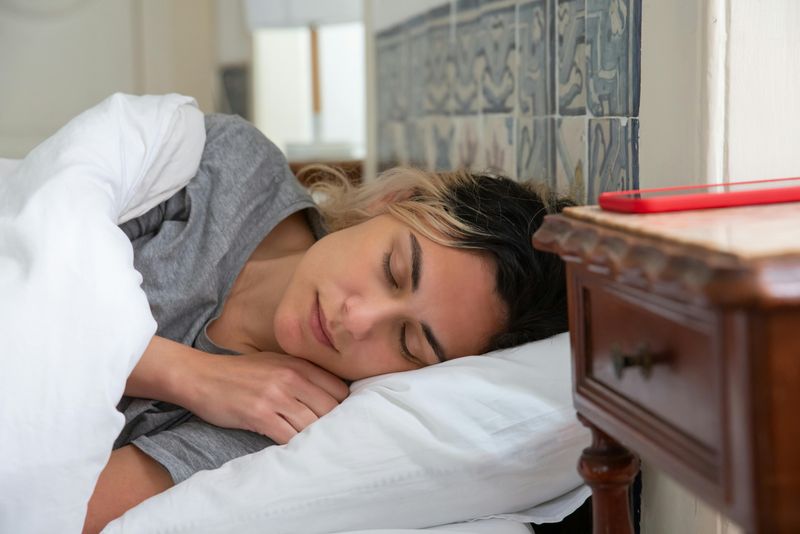
Early birds maintain relatively consistent sleep schedules throughout the week. Their weekend wake times might shift by an hour or two, but the change stays minimal.
Night owls experience dramatic weekend schedule shifts. They might wake at 6 a.m. for work but sleep until noon on Saturdays, revealing their true biological preference.
This weekend recovery sleep isn’t laziness—it’s biological necessity. Night owls accumulate serious sleep debt during the work week, forcing their bodies awake hours before natural waking time. Weekend sleeping-in represents their body’s attempt to repay that debt. Unfortunately, this back-and-forth pattern makes Monday mornings even harder, creating a never-ending cycle of sleep disruption and recovery.
Comments
Loading…