
 Jade Reed
20 Defining Villains That Shaped Anime
Anime has always been home to compelling stories, and at the heart of many are villains that challenge heroes and redefine narratives. These characters range from power-hungry tyrants to complex antiheroes, each leaving a unique mark on the anime landscape. Here, we explore twenty villains who have not only shaped their respective series but also left a lasting impression on the genre itself.
1. Frieza (Dragon Ball Z)
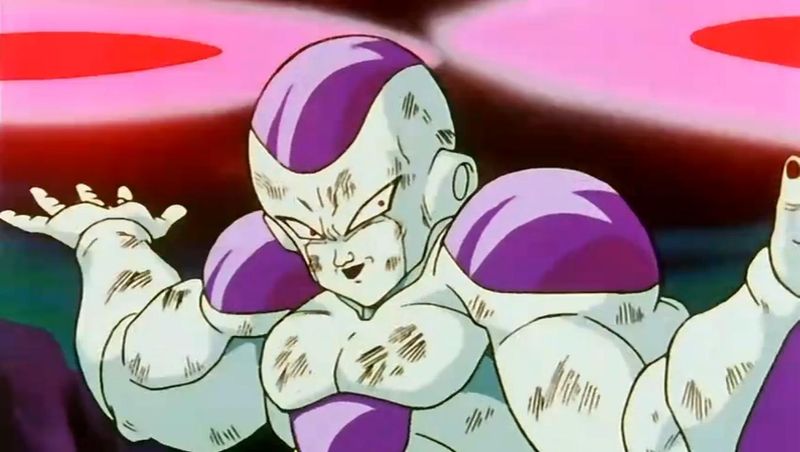
With a smile that could freeze a planet, Frieza embodies pure, unyielding tyranny. This galactic overlord dreams of eternal dominance, crushing races and planets alike under his iron fist. His transformation scenes, filled with tension, showcase his ever-increasing power.
Frieza’s legacy in anime is undeniable, setting a benchmark for what it means to be a shōnen villain. His battles with Goku are legendary, epitomizing the classic hero-versus-villain narrative.
His cold, calculated demeanor and unparallel cruelty make Frieza an unforgettable antagonist whose influence extends beyond the Dragon Ball universe. Fear of Frieza is universal, a testament to his impact.
2. Light Yagami (Death Note)
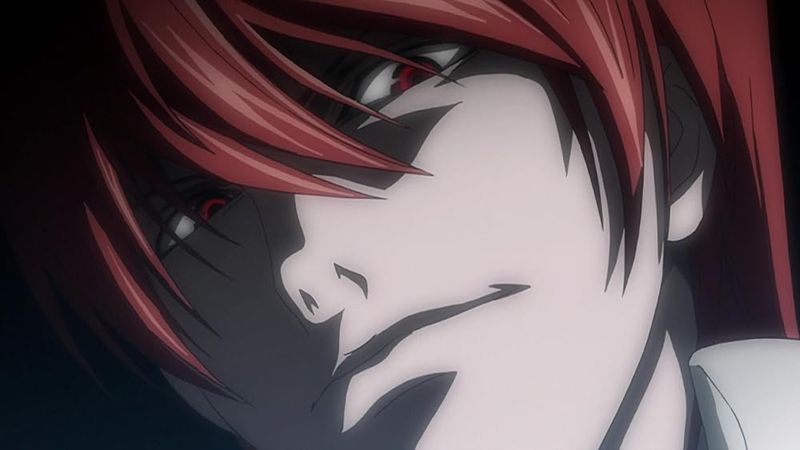
Ego and intellect collide in the complex character of Light Yagami. This high school genius stumbles upon a notebook that grants him god-like power over life and death, igniting his descent into madness. Driven by a desire to create a utopia, his journey blurs the line between justice and villainy.
Light’s fall from grace is both tragic and mesmerizing, his cat-and-mouse game with L an intellectual dance for the ages. He challenges viewers to question morality and power.
His transformation from idealistic youth to a megalomaniacal overlord remains a cautionary tale about the dangers of unchecked ambition and righteousness.
3. Dio Brando (JoJo’s Bizarre Adventure)

Charisma and cruelty converge in the figure of Dio Brando, whose very name sends chills down spines. This villain’s insatiable thirst for power and immortality leads him to become a vampire. His iconic catchphrase, “Za Warudo!” marks his time-stopping abilities.
Dio’s rivalry with the Joestar family is legendary, a saga of vengeance and hatred that spans generations. His flamboyant personality and outrageous flair make him a staple in anime villainy.
Dio’s influence permeates the series, his audacious ambition and refusal to die cementing him as a timeless adversary. He embodies the very essence of theatrical villainy.
4. Madara Uchiha (Naruto Shippuden)

Legendary and feared, Madara Uchiha’s name alone commands respect and terror. Once a hero of the Hidden Leaf, his ideals of peace through power led him astray. His mastery over the Sharingan and Rinnegan makes him nearly invincible.
Madara’s backstory adds layers to his villainy, revealing a tragic hero turned antagonist by the cruelty of war. His pursuit of the Infinite Tsukuyomi is a twisted vision of peace.
His grand battles and overwhelming presence make Madara a defining figure in Naruto, representing both the potential and peril of unchecked ambition. His legacy is both haunting and inspiring.
5. Meruem (Hunter x Hunter)
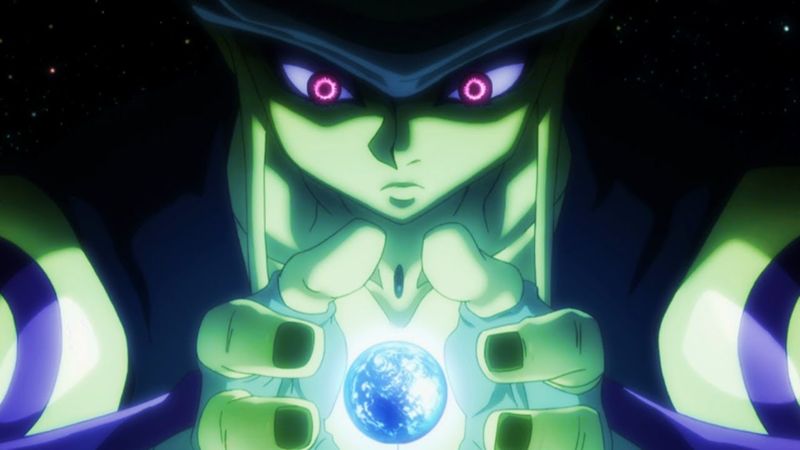
From predator to philosopher, Meruem’s evolution is a fascinating study in humanity. Born as the Chimera Ant King, his initial goal is conquest and domination. However, encounters with humans, especially a blind girl named Komugi, reshape his understanding of existence.
Meruem’s journey explores philosophical questions about life, power, and morality, challenging the very nature of good and evil. His transformation from ruthless leader to introspective being is profound.
In the world of Hunter x Hunter, Meruem stands out as a villain who transcends his monstrous origins. His story is a poignant reflection on humanity’s complex nature.
6. Griffith (Berserk)

Ambition and betrayal define Griffith, a charismatic leader whose fall from grace is both shocking and haunting. His dream of a utopian kingdom drives him to sacrifice everything, including his humanity.
Griffith’s transformation into Femto during the Eclipse is one of anime’s most disturbing moments. His actions leave scars on those he once called friends.
As a villain, Griffith embodies the corruption of idealism and the terrifying power of ambition unchecked. His complex character serves as a chilling reminder of how easily dreams can twist into nightmares. His legacy in Berserk is both tragic and unforgettable.
7. Aizen Sōsuke (Bleach)

Calm and calculating, Aizen Sōsuke is the master of manipulation. Behind his composed exterior lies a mind always ten steps ahead, orchestrating events with surgical precision. His betrayal of the Soul Society is both brilliant and devastating.
Aizen’s power and intellect make him a formidable foe, his ambitions pushing the boundaries of soul and reality. His iconic reveal sends shockwaves through the anime community.
In Bleach, Aizen’s influence is profound, challenging the notions of trust and loyalty. His blend of charisma and cunning ensures his place among the greatest anime villains. His legacy is one of awe and fear.
8. Shishio Makoto (Rurouni Kenshin)
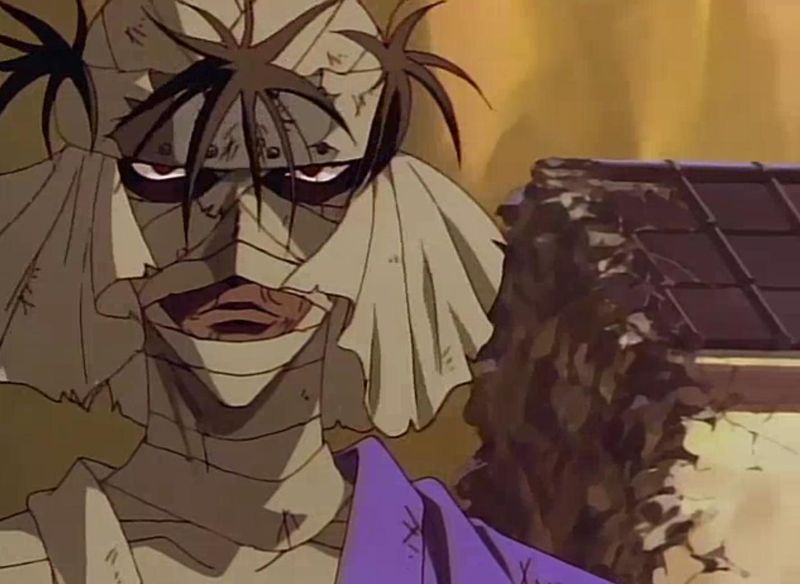
Burned and bitter, Shishio Makoto is a villain shaped by betrayal and vengeance. A victim of political treachery, he rises from the ashes to challenge the new order of Meiji Japan. His vision of a world ruled by the strong reflects his ruthless ideology.
Shishio’s charisma and strategic mind make him a formidable adversary. His battles are as much about ideology as they are about physical prowess.
In Rurouni Kenshin, Shishio represents the dark side of post-war disillusionment. His character is a compelling exploration of power, revenge, and the scars of history. His presence looms large, a reminder of the past.
9. Johan Liebert (Monster)
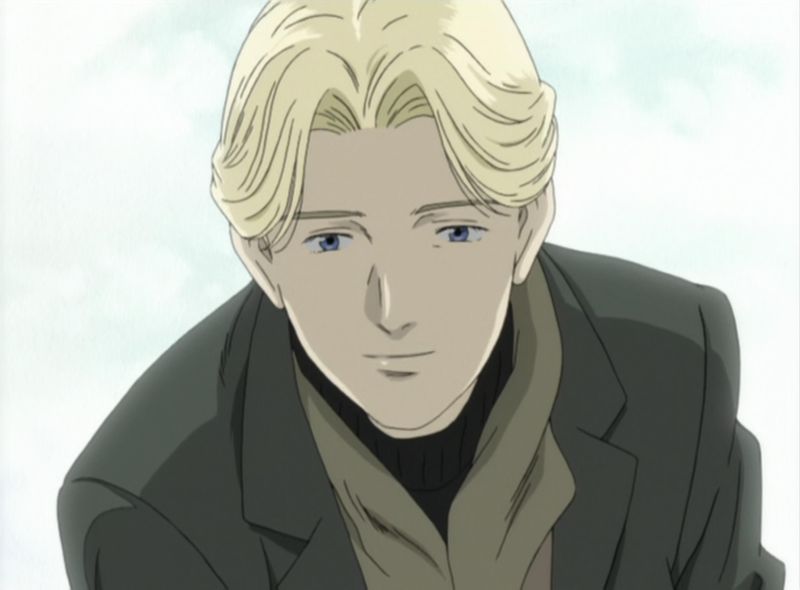
Chillingly realistic, Johan Liebert is a villain whose evil lies in his perfect humanity. Unlike supernatural foes, his menace stems from his intellect and charm. He manipulates others with ease, leaving chaos and despair in his wake.
Johan’s enigmatic nature and lack of empathy make him terrifyingly compelling. His actions prompt existential questions about the nature of evil.
In Monster, Johan is a masterclass in psychological horror. His quiet, calculated malevolence is a haunting presence that lingers long after the story concludes. His character challenges the boundaries of morality and human nature.
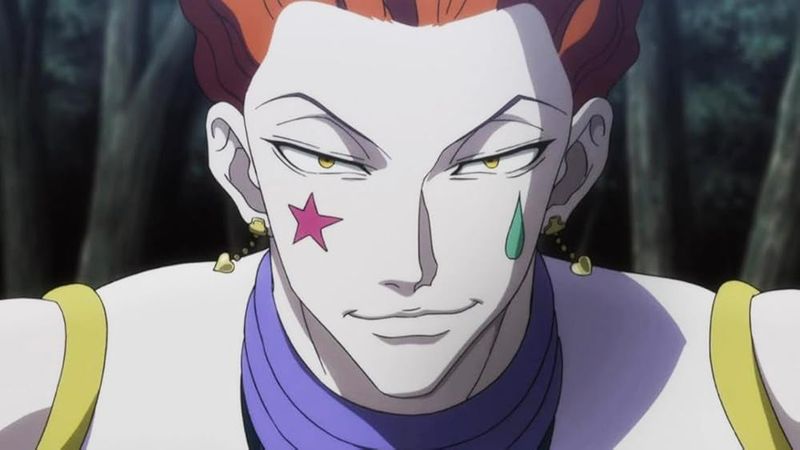
10. Hisoka Morow (Hunter x Hunter)

Unpredictability defines Hisoka Morow, a character who blurs the line between ally and enemy. His whimsical, clown-like appearance hides a sinister love for battle and chaos. Hisoka’s fascination with strong opponents drives him, making him both ally and adversary to Gon and his friends.
His enigmatic nature and playful menace make him a standout in Hunter x Hunter. Hisoka’s battles are a treat of strategy and unpredictability.
Hisoka embodies the thrill of the hunt, an ever-present wild card whose motives remain tantalizingly unclear. His presence adds layers of tension and excitement to the series.
11. Pain / Nagato (Naruto Shippuden)
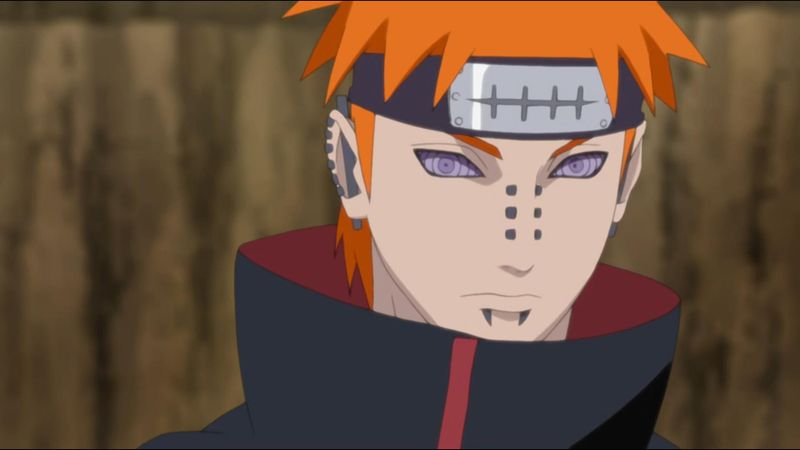
Conviction and tragedy merge in Pain, the leader of the Akatsuki. His pursuit of peace through pain challenges the ideals of war and suffering. Once known as Nagato, his transformation into Pain is a journey marked by loss and idealism gone awry.
His command over the Rinnegan and his philosophy of peace through control make him a formidable figure in Naruto. Pain’s ideology questions the very nature of peace.
In Naruto Shippuden, Pain is a villain with depth, whose tragic past and ideals force characters and viewers alike to confront difficult truths. His legacy is profound and contemplative.
12. Shōgo Makishima (Psycho-Pass)
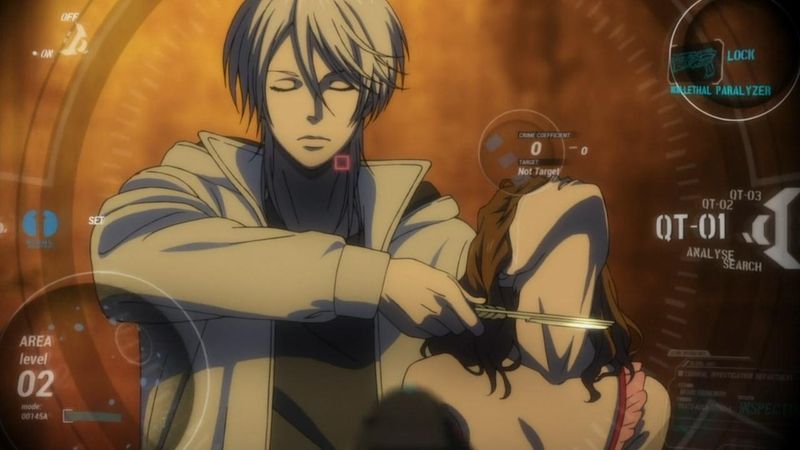
Brilliance and anarchy define Shōgo Makishima, a villain who exposes the fragility of societal control. His disdain for a society ruled by the Sybil System drives him to acts of chaos and rebellion.
Makishima’s philosophical musings on freedom and humanity are thought-provoking, challenging viewers to question complacency and control.
In Psycho-Pass, he is more than just an antagonist; he is a catalyst for change and introspection. His character serves as a stark reminder of the dangers of blind reliance on technology. Makishima’s legacy is one of intellectual provocation and rebellion.
13. King Bradley / Wrath (Fullmetal Alchemist: Brotherhood)
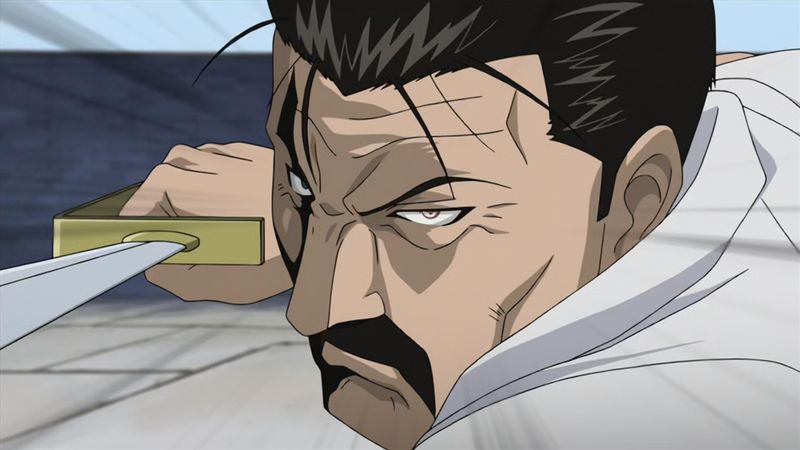
Charisma and lethal precision define King Bradley, known as Wrath. As the leader of Amestris, his charm and authority mask a deadly truth. Bradley’s dual nature as a homunculus and human is a captivating exploration of identity and power.
His dynamic fighting style and unwavering loyalty to Father make him a formidable foe. Bradley’s character questions the nature of leadership and control.
In Fullmetal Alchemist: Brotherhood, Bradley’s presence is both commanding and chilling. His complexity adds depth to the narrative, exploring themes of fate and free will. His legacy is one of iron-fisted rule and philosophical intrigue.
14. Char Aznable (Mobile Suit Gundam)
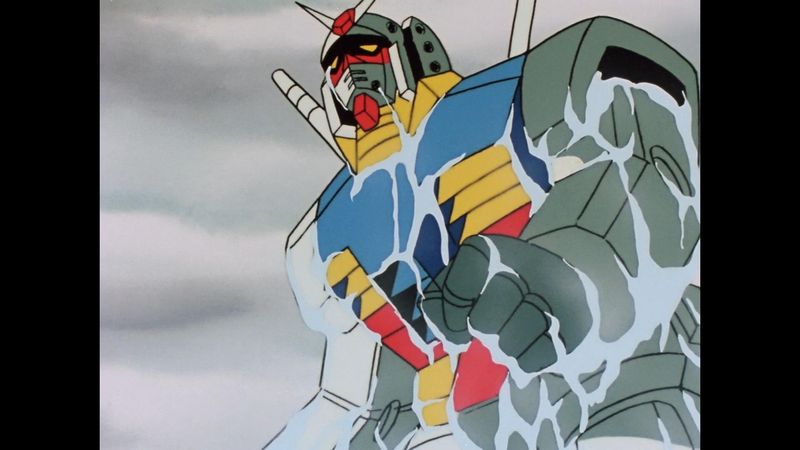
Revolution and revenge drive Char Aznable, a character whose impact on mecha anime is monumental. Known as the “Red Comet,” his skills as a pilot and strategist are unmatched. Char’s pursuit of justice for his family’s murder is a saga of vengeance.
His complex relationship with Amuro Ray and the politics of the Universal Century add depth to his character. Char’s motivations are multifaceted, reflecting the blurred lines between hero and villain.
In Mobile Suit Gundam, Char’s legacy is one of passion and conflict. He remains a cornerstone of the genre, inspiring characters and narratives across anime.
15. Lelouch vi Britannia (Code Geass)
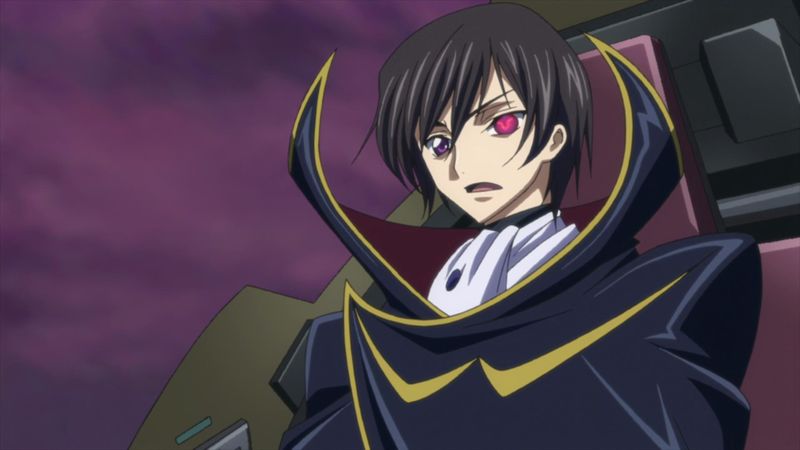
Genius and rebellion define Lelouch vi Britannia, a character whose journey redefines the antihero archetype. With the power of Geass, he leads a rebellion against the oppressive Britannian Empire.
Lelouch’s tactical brilliance and moral ambiguity make him both hero and villain, as his quest for justice and revenge blurs ethical lines. His relationship with friends and family adds emotional depth.
In Code Geass, Lelouch’s rise and fall are a compelling exploration of power and sacrifice. His legacy is one of strategic genius and emotional complexity, challenging the boundaries of morality.
16. Envy (Fullmetal Alchemist: Brotherhood)
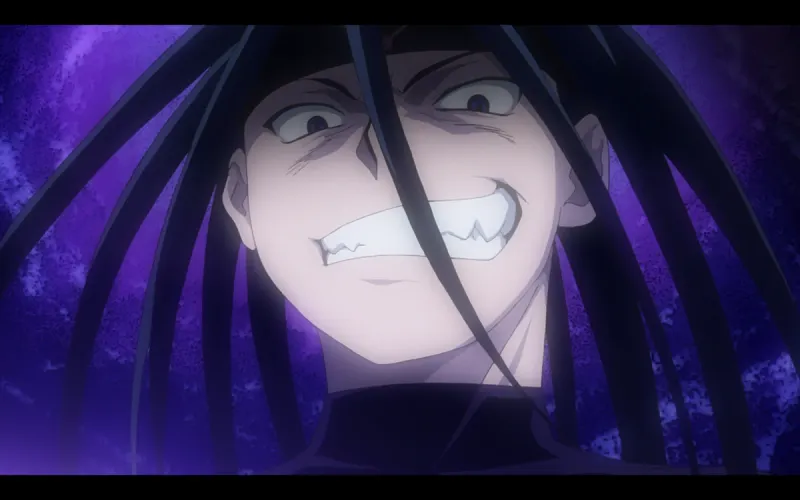
Jealousy and spite fuel Envy, a homunculus who embodies the ugliest facets of human emotion. Envy’s ability to change forms makes him a master of deceit and chaos. His disdain for humanity is matched only by his own self-loathing.
Envy’s role in the Elric brothers’ journey is significant, his actions driving key events and conflicts. His transformation scenes are as dramatic as they are revealing.
In Fullmetal Alchemist: Brotherhood, Envy’s character is a metaphor for internal conflict and human flaws. His presence is both unsettling and captivating, a reminder of the darker sides of emotion.
17. Naraku (Inuyasha)
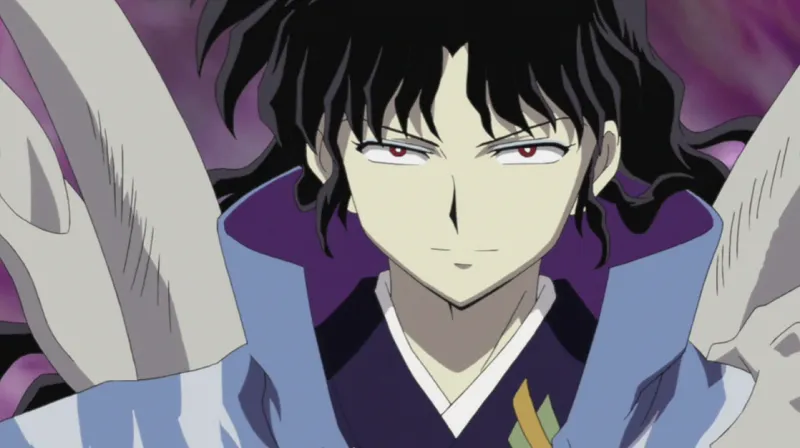
Intrigue and transformation define Naraku, a master manipulator in the world of Inuyasha. His schemes and shifting forms make him a quintessential long-form anime villain, always a step ahead.
Naraku’s quest for power and immortality is driven by a deep-seated malice, a personal vendetta against his enemies. His ability to manipulate others is unparalleled, making him a constant threat.
In Inuyasha, Naraku represents the timeless struggle between good and evil. His presence is enduring, a symbol of deception and ambition. His legacy is one of cunning and chaos, a shadow over the entire series.
18. All for One (My Hero Academia)
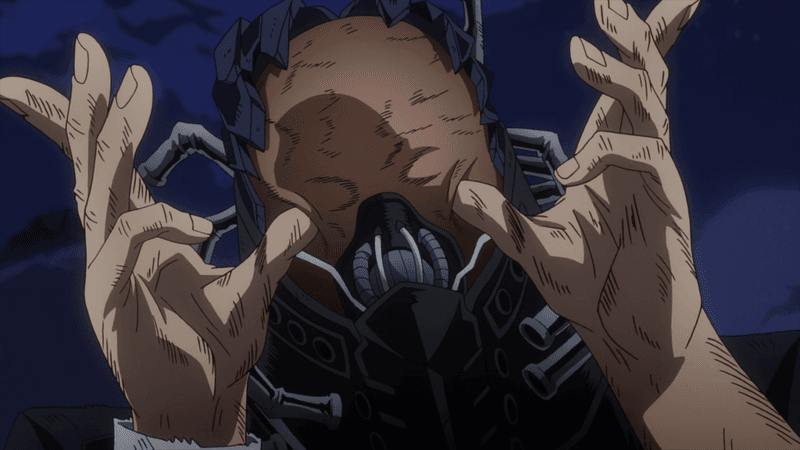
Control and chaos converge in All for One, a villain who is the dark reflection of heroism. His ability to steal and grant quirks makes him a formidable force in My Hero Academia.
All for One’s influence over society and heroes is profound, orchestrating events from the shadows. His battles with All Might are legendary, a clash of ideals and power.
In My Hero Academia, All for One’s presence is a constant challenge to peace and justice. His character is a masterstroke of mystery and manipulation, embodying the ever-present threat of corruption and ambition.
19. Father (Fullmetal Alchemist: Brotherhood)
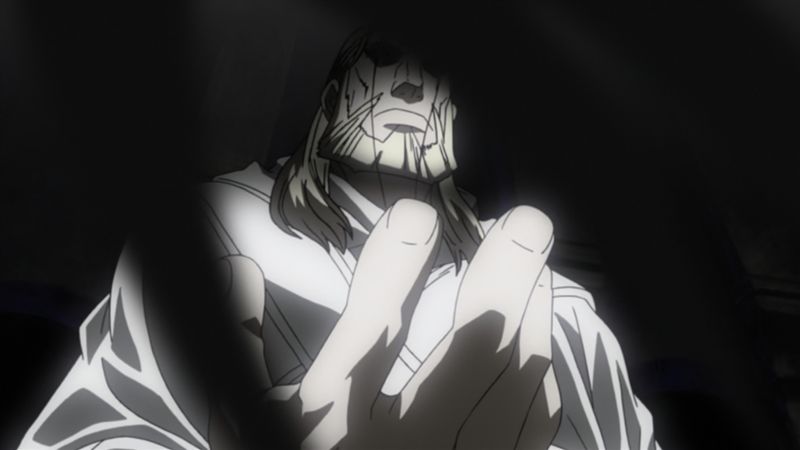
Ambition and divinity define Father, a being who seeks to surpass God. His creation of the homunculi and manipulation of Amestris’ history showcase his unparalleled cunning.
Father’s quest for ultimate power is a blend of philosophy and malevolence, his actions driven by a desire to become the perfect being. His transformation into a god-like entity is both awe-inspiring and terrifying.
In Fullmetal Alchemist: Brotherhood, Father’s legacy is one of hubris and consequence. His character challenges the boundaries of ambition and morality, leaving an indelible mark on the series.
20. Sukuna Ryomen (Jujutsu Kaisen)
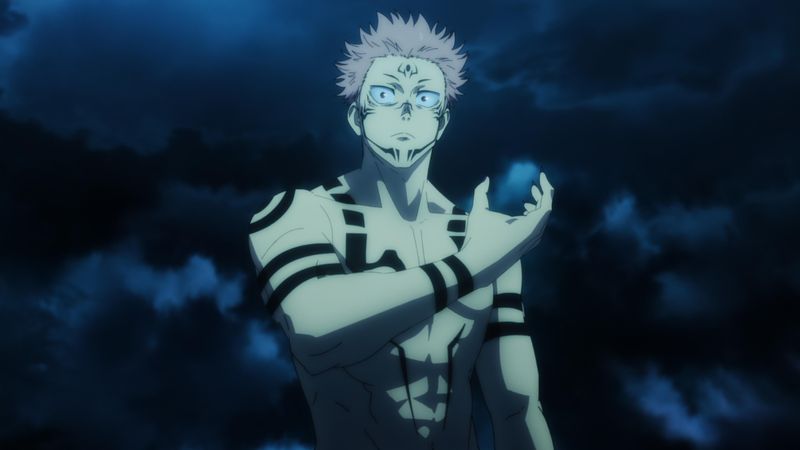
Chaos and malevolence personify Sukuna Ryomen, the King of Curses in Jujutsu Kaisen. His ancient, sadistic nature makes him an unpredictable force of destruction.
Sukuna’s interactions with Yuji Itadori reveal layers of complexity, as he navigates his existence in a new era. His power is both a curse and a blessing, driving the narrative’s tension.
In Jujutsu Kaisen, Sukuna stands as a symbol of raw, unrestrained power. His presence is a constant reminder of the thin line between control and chaos. His legacy is one of terror and fascination, a defining force in modern shōnen.
Comments
Loading…