
 Isabel Parker
13 School Rules From the ’70s That Would Never Be Allowed Today
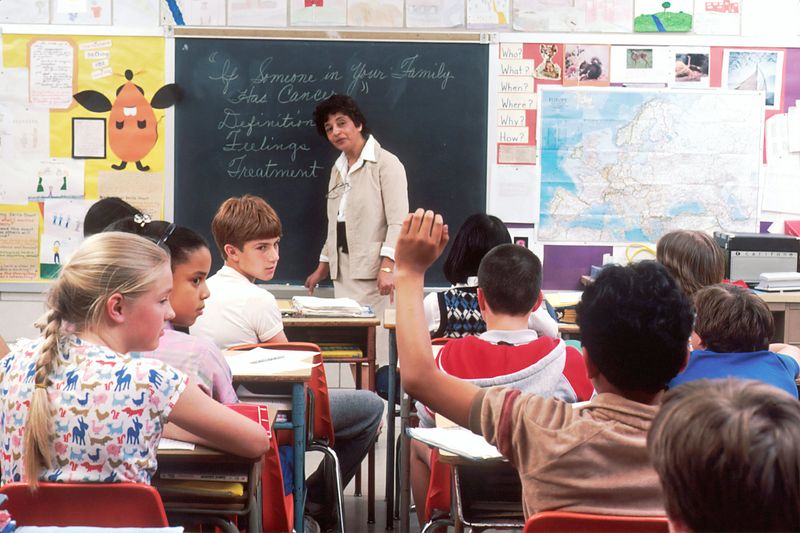
School life in the 1970s looked dramatically different from what students experience today.
Many rules, punishments, and classroom practices that were once considered completely normal would now spark outrage from parents, educators, and mental health experts alike.
From strict discipline and harsh dress codes to smoking areas, public humiliation, and surprisingly little concern for student well-being, schools operated under standards that feel almost unbelievable by modern expectations.
These outdated rules reflect how much attitudes toward education, safety, parenting, and child development have changed over the decades.
Looking back, it’s hard to imagine many of these policies lasting even a single day in today’s schools.
1. Corporal Punishment
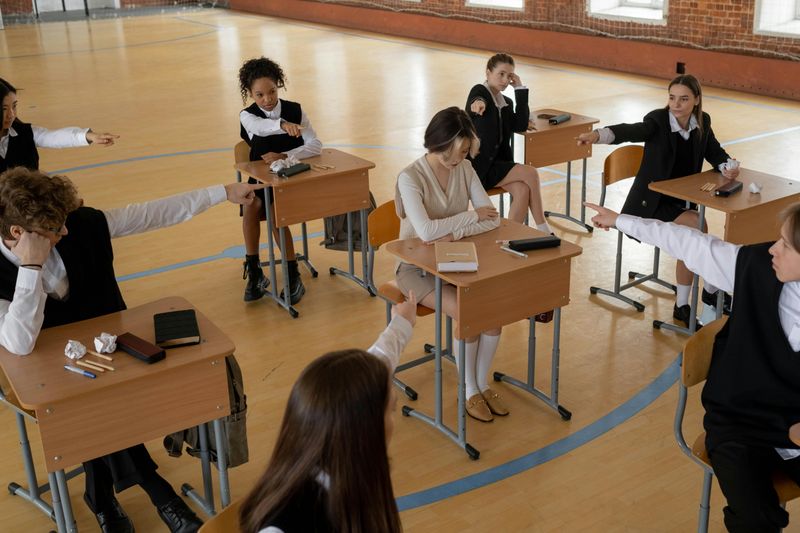
In the ’70s, corporal punishment was a widely accepted disciplinary method in many schools.
Teachers and principals were authorized to spank or paddle students for misbehavior.
This practice was intended to maintain discipline and order in the classroom.
However, the use of physical punishment often led to fear and anxiety among students.
As societal views on child welfare evolved, the harshness of corporal punishment came under scrutiny.
By the late 20th century, most places banned this practice due to child protection laws.
Today, educational approaches focus more on positive reinforcement rather than physical discipline.
The shift reflects a broader understanding of children’s rights and psychological well-being.
2. Gender-Specific Dress Codes

In the 1970s, gender-specific dress codes were a common feature in schools.
Girls were often required to wear skirts or dresses, aligning with traditional gender norms.
On the other hand, boys were expected to don slacks, embodying a more formal appearance.
Such dress codes were seen as a way to instill discipline and maintain a certain decorum within the school environment.
However, these regulations restricted personal expression and reinforced gender stereotypes.
As societal views on gender equality progressed, schools began allowing more flexibility in dress codes.
By the late ’70s, many schools started permitting girls to wear pants, reflecting a shift towards more inclusive policies.
3. Hair-Length Restrictions for Boys

During the ’70s, long hair was a symbol of rebellion and counterculture.
Many schools implemented hair-length restrictions for boys, deeming long hair inappropriate for the classroom.
Boys with hair below a certain length were often sent home until they complied.
This rule conflicted with the era’s growing popularity of rock-inspired hairstyles, creating tension between students and school authorities.
The enforcement of such policies highlighted the clash between traditional values and evolving cultural trends.
Over time, these strict hair rules faded, as schools recognized the importance of individual expression.
Today, hairstyles are generally a matter of personal choice, reflecting broader societal changes.
4. Bans on Pregnant Students

In the 1970s, pregnant students faced significant discrimination in many educational institutions.
Schools often expelled pregnant girls or forced them to attend specialized educational facilities.
This practice was rooted in the belief that their presence would disrupt the learning environment.
Such policies reflected broader societal stigmas surrounding teenage pregnancy and the desire to keep schools ‘wholesome.’
However, these actions denied young women the right to an education.
In modern times, such practices are deemed discriminatory and unlawful.
Today, schools are required to provide supportive environments for all students, regardless of their circumstances.
This change underscores a commitment to inclusivity and equal educational opportunities.
5. Daily Pledge and Prayer

The daily recitation of the Pledge of Allegiance, accompanied by morning prayers, was a routine part of the school day for many in the 1970s.
This practice was intended to instill patriotism and moral values among students.
However, the inclusion of prayer raised questions about the separation of church and state.
Critics argued that it imposed specific religious practices on all students, regardless of their beliefs.
Subsequent court rulings deemed mandatory school prayers unconstitutional, promoting religious freedom and inclusivity.
Today, public schools focus on creating an environment that respects diverse beliefs, fostering a more inclusive community for all students.
6. Segregated Activities by Gender

In the ’70s, school activities were often segregated by gender, reflecting traditional societal roles.
Boys typically participated in shop classes, learning skills like woodworking and mechanics.
Meanwhile, girls were steered towards home economics, focusing on cooking and sewing.
Such segregation limited students’ opportunities to explore interests outside traditional gender roles.
It reinforced stereotypes that dictated what boys and girls could or couldn’t do.
As attitudes towards gender equality evolved, schools began offering these subjects to all students, regardless of gender.
This shift paved the way for more diverse learning experiences, encouraging students to pursue their interests without constraints.
7. Smoking Areas on Campus

A surprising aspect of 1970s high schools was the presence of designated smoking areas for students.
At the time, smoking was a prevalent social habit, and these areas were seen as a way to regulate rather than eliminate the behavior.
However, allowing student smoking on school premises is unthinkable today, given the well-documented health risks associated with tobacco use.
Modern schools enforce strict no-smoking policies to promote a safe and healthy environment.
The disappearance of smoking areas reflects society’s growing awareness of public health concerns and the importance of safeguarding students’ well-being.
8. No Jeans Allowed
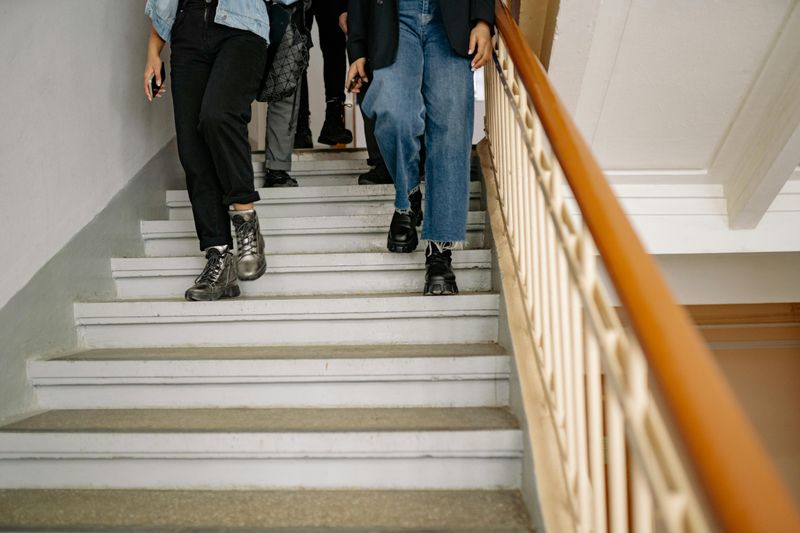
In the 1970s, jeans were often viewed as too casual and even rebellious, leading many schools to ban them outright.
This dress code policy aimed to uphold a sense of formality and discipline among students.
Jeans were associated with counterculture movements, and school authorities believed banning them would curb rebellious attitudes.
However, this restriction limited students’ freedom to express themselves through fashion.
Over time, as societal norms shifted, jeans became accepted as standard everyday wear.
Schools relaxed their dress codes, allowing students to dress comfortably while still adhering to appropriate guidelines.
This change mirrors broader shifts towards more relaxed and inclusive attire.
9. Strict Punishments for Talking Back

Disciplinary measures in the 1970s were often harsh and uncompromising.
Talking back to a teacher could result in severe consequences like detention, suspension, or even corporal punishment.
Schools viewed strict discipline as essential to maintaining order.
However, such punitive approaches often instilled fear rather than respect among students.
Critics argued that this fostered a negative school environment.
Today, educational discipline emphasizes restorative practices over punitive measures.
Modern approaches focus on understanding the root causes of misbehavior and fostering communication between students and teachers.
This evolution highlights a shift towards nurturing positive relationships in the educational setting.
10. Exclusion of Students with Disabilities

Before legislative changes like the Individuals with Disabilities Education Act (1975), students with disabilities often faced exclusion from public schools.
Many schools lacked the resources or willingness to accommodate these students, denying them an education.
This practice reflected a broader societal tendency to marginalize individuals with disabilities, viewing them as incapable of participating in mainstream education.
The introduction of supportive laws marked a significant shift towards inclusion and equal opportunities.
Today, schools are equipped to provide accommodations and support for students with diverse needs, ensuring they receive the education they deserve.
This progress represents a commitment to diversity and inclusion within the educational system.
11. Public Posting of Grades

Schools in the 1970s often posted test scores and report card rankings right on classroom walls for everyone to see.
If you struggled, your embarrassment became public, and there was little concern for privacy or self-esteem.
Competition was treated like motivation, even when it left quieter kids feeling exposed and discouraged.
Today, student records are protected far more carefully, and shaming children is not considered a teaching strategy.
Parents would immediately question a system that turned private performance into public display.
What once passed as normal discipline now feels needlessly harsh and deeply outdated to many people looking back at that era.
12. Mandatory Gym Showers
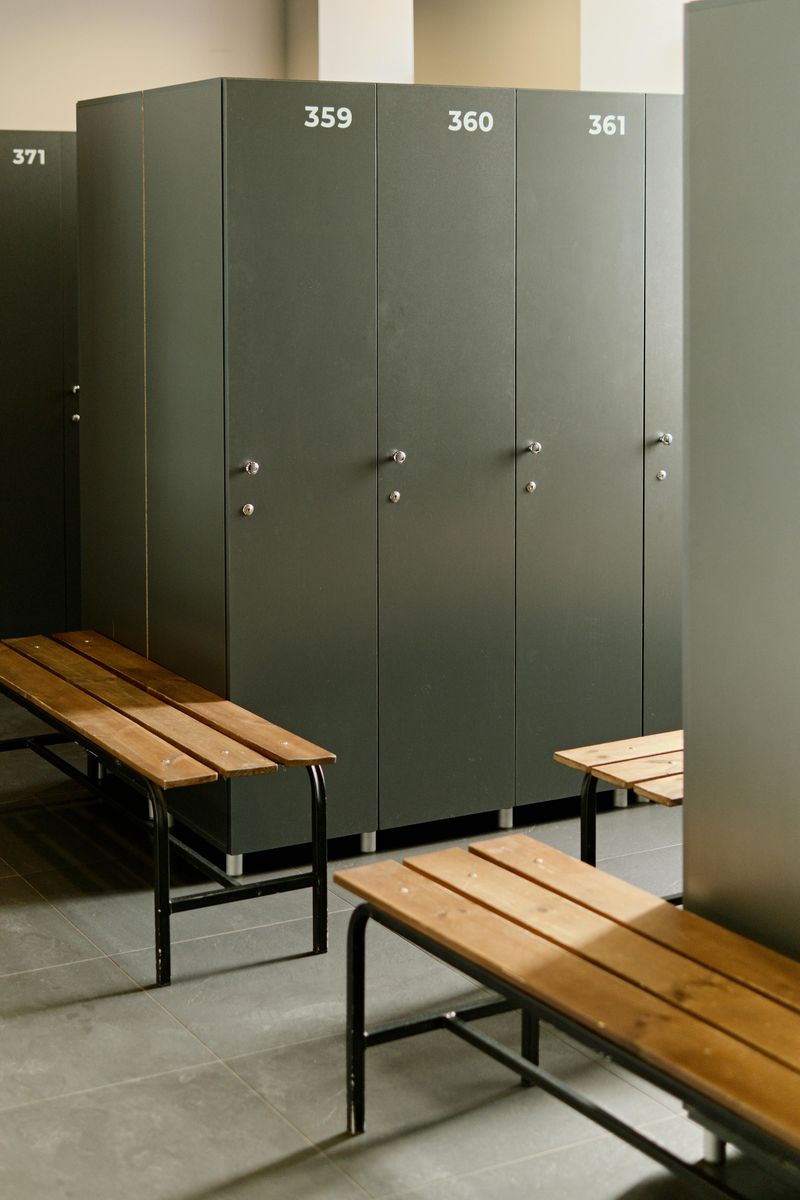
In many 1970s schools, students were expected to shower communally after gym class, whether they felt comfortable or not.
Refusing could mean losing points, getting written up, or being singled out by teachers in front of classmates.
Personal boundaries were rarely part of the conversation, and embarrassment was often dismissed as immaturity.
Today, forced group showers would raise immediate concerns about consent, privacy, and student wellbeing.
Schools are expected to respect body autonomy, especially during adolescence, when self-consciousness can already feel overwhelming.
A rule once framed as hygiene now reads like an invasion that ignored basic dignity for vulnerable teenagers.
13. Correcting Left-Handed Students

In some classrooms, left-handed students were pressured to write with their right hand because teachers saw it as proper and orderly.
A harmless difference was treated like a bad habit that needed correction through constant monitoring.
For children trying to keep up, that scrutiny could make school feel frustrating and humiliating.
Today, forcing handedness would be viewed as unnecessary and harmful, especially given what we understand about child development.
Parents and specialists would push back against any policy that punished natural behavior for tradition.
It is one more reminder that conformity once mattered more than comfort, confidence, or common sense.
Comments
Loading…